






Care & how-to
Cat Fleas: How to Get Rid of Fleas on Cats
To get rid of fleas on a cat, treat every pet in the home with a cat-safe product your vet recommends and treat the house at the same time, then keep going for at least three months. Most fleas live in carpets and bedding as eggs and pupae, not on the cat. Never use a dog flea product on a cat: some contain permethrin, which can poison cats.
By Matt GarnettUpdated November 9, 20264 min read3 sources
How to tell if your cat has fleas
The clearest sign is scratching and grooming more than usual, especially in warm, humid weather. Cornell notes that cats are bitten most often on the back of the neck and the base of the tail. Part the fur in those spots and along the belly and look for small, fast-moving brown insects or tiny black specks.
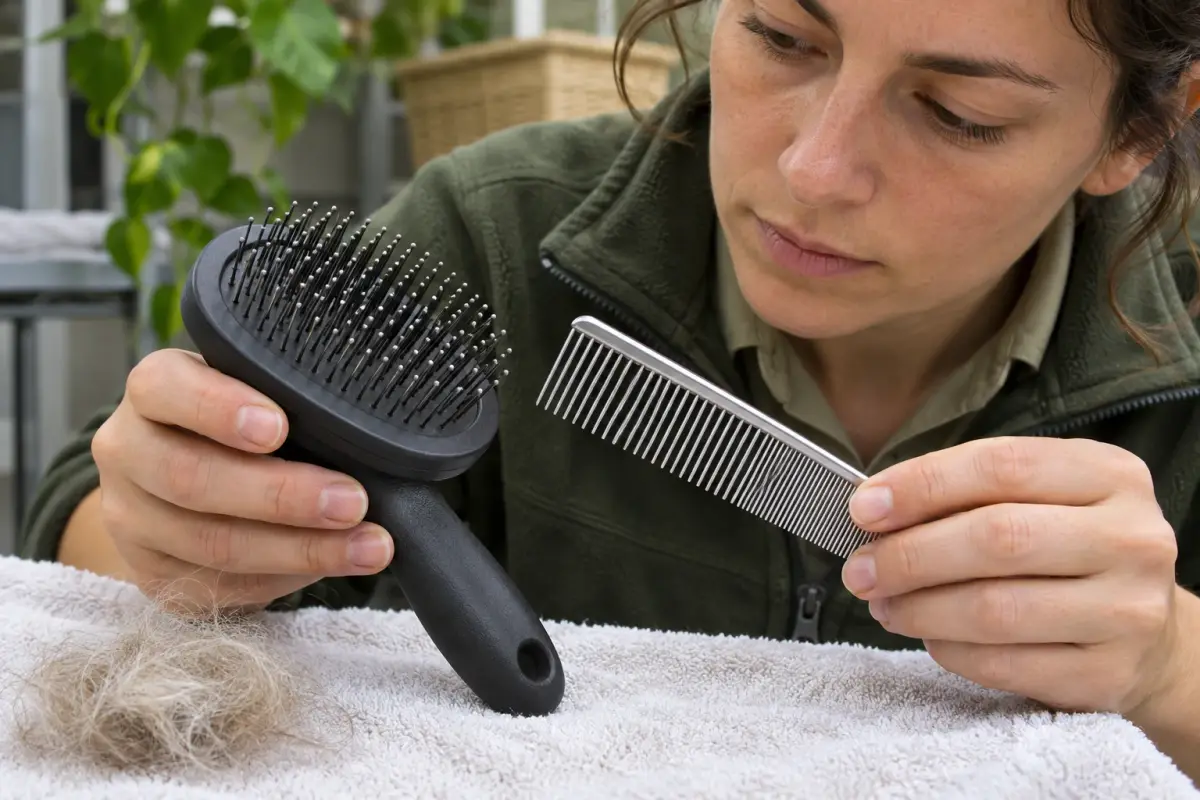
The specks are flea dirt, which is digested blood. To test, comb your cat with a fine-toothed flea comb (our cat grooming supplies cover combs and brushes) over white paper or a damp paper towel. If the black specks smear reddish-brown, they are flea dirt. Some cats carry many fleas and show little more than scratching, while flea-allergic cats can develop crusty bumps along the back and neck from just a few bites.
Step 1: Treat every pet with the right product
Ask your vet for a flea product made for cats and suited to your cat's age, weight and health. Topical and oral options are both available, and your vet will match the product to your household. Kittens, pregnant or nursing cats and cats with medical conditions need particular care, so do not guess.
Treat all dogs and cats in the home on the same schedule, even those not scratching, or the fleas simply move between them. Cornell warns that some products safe for dogs are toxic to cats, and that a cat can be poisoned by licking or lying against a freshly treated dog. Keep pets apart until a dog's topical treatment has dried, and read every label for the species.
Step 2: Treat your home
Adult fleas on your cat are only a small part of the problem. Eggs fall off into carpets, furniture, cracks in floors and bedding, then hatch into larvae and pupae. Cornell explains that a single female flea's offspring can produce around 20,000 new adults in about 60 days in good conditions, which is why treating only the cat rarely works.
Vacuum floors, rugs, furniture and car seats thoroughly every day or two for several weeks, and empty the vacuum outside each time. Wash your cat's bedding, including any cat beds, blankets and throws in hot water weekly. Ask your vet whether a household flea spray is needed, keep pets out of treated rooms until dry, and call a professional for heavy infestations.
Step 3: Keep going for three months
Flea pupae can lie dormant in cocoons for weeks and are protected from most sprays, so new fleas keep appearing even when you are doing everything right. Cornell describes a life cycle of about a month, longer in cool or dry conditions. Seeing a few fleas after starting treatment does not mean the product has failed.
Keep up treatment on every pet for at least three months, and continue vacuuming. Most vets recommend year-round prevention, because indoor heating lets fleas breed through the winter, and wildlife such as raccoons and opossums can bring them into yards. Indoor cats can still pick them up from dogs or from people carrying them in.
What not to do
Never use a dog flea product on a cat. The ASPCA states that permethrin, a common dog flea ingredient, should never be used on cats; exposure can cause tremors, poor coordination and seizures. If your cat has been exposed and shows twitching, drooling or wobbliness, go to a vet immediately and call ASPCA Animal Poison Control at (888) 426-4435 or the Pet Poison Helpline at (855) 764-7661 (a fee may apply).
The ASPCA also warns that natural flea remedies often contain essential oils that can harm cats, and many are not regulated for safety. Avoid garlic, which is toxic to cats. Do not soak a cat in flea spray, combine several products, or split a product made for a larger animal. Ask your vet before anything new.
Health problems fleas can cause
Fleas are more than an itch. Cornell notes that cats swallow fleas while grooming and can pick up tapeworm that way; you may see small, rice-like segments around the tail or in bedding. Heavy infestations can cause anemia, especially in kittens, whose small bodies lose blood quickly. A regular session with a cat brush is also a chance to spot fleas early.
Flea allergy dermatitis is one of the most common skin problems in cats, causing scabs, hair loss and intense scratching. See your vet promptly if your cat has sores, hair loss, pale gums, weakness or a kitten that seems lethargic, and ask whether your cat needs deworming for tapeworm too.
This page is general information, not veterinary advice, and it cannot replace an examination by the vet who knows your pet.
Common questions
Can indoor cats get fleas?
Yes. Fleas can come in on dogs, on your clothes, from visitors' pets or from a new home. Indoor cats are less exposed, but many vets still recommend year-round prevention, especially in homes with dogs that go outside.
Can I use dog flea treatment on my cat?
No. Some dog products contain permethrin, which is toxic to cats and can cause tremors and seizures. Use only products labeled for cats. If a cat is exposed, contact your vet or ASPCA Animal Poison Control right away.
How long does it take to get rid of fleas on a cat?
Usually about three months of treating every pet and the home together. Dormant pupae keep hatching for weeks, so new fleas can appear even when treatment is working. Stopping early is the most common reason fleas return.
Can cat fleas live on humans?
Cat fleas prefer animals and do not live on people, but they will bite, usually around the ankles. Treating your pets and your home is what stops the bites. See your own doctor if bites become infected.
Sources we checked
This guide is general information, not veterinary advice. If your pet is unwell or injured, contact your veterinarian.


