








Cats
Floor-to-ceiling cat trees
Stretch, climb, repeat.
35 items picked for everyday life with your pet, with shipping estimates on every item.
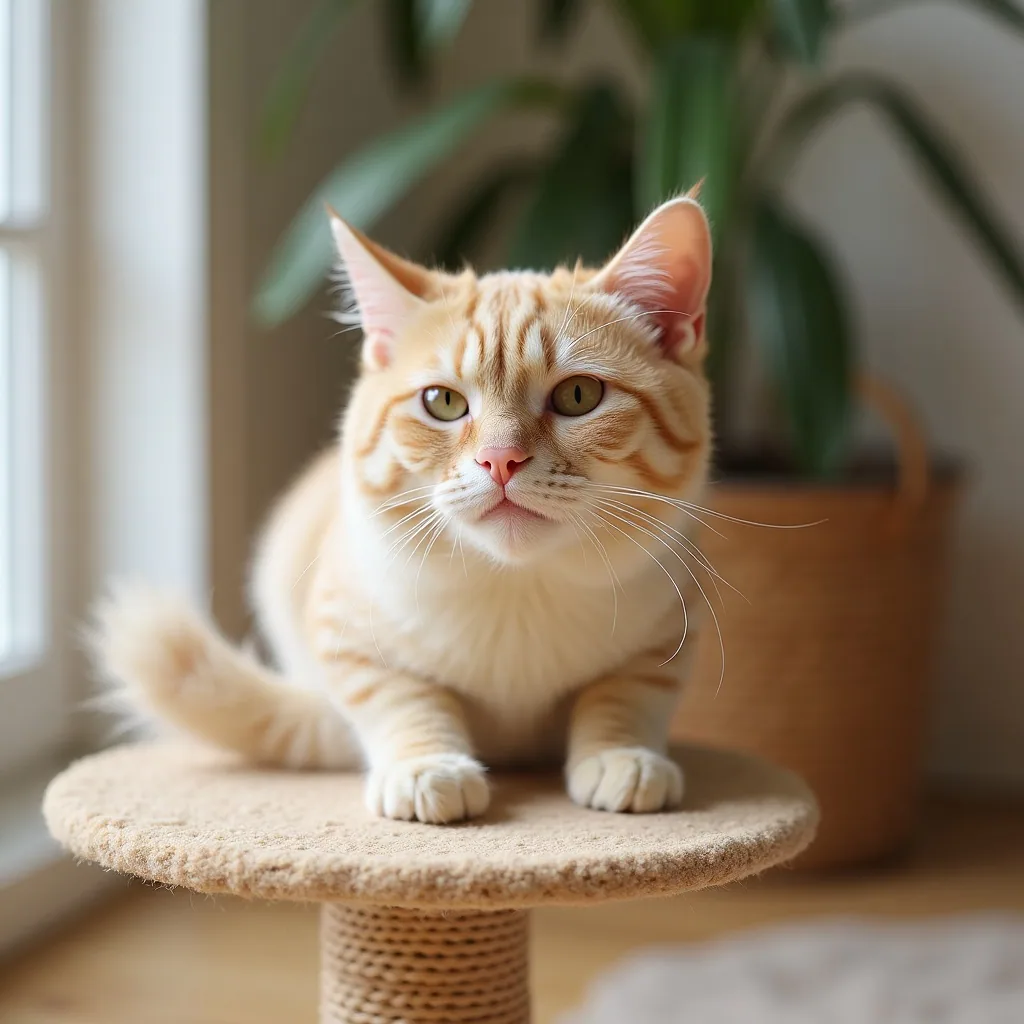 A place of their own to scratch and survey.
All cats beds & furniture →Cat cave beds →Cat beds →Outdoor cat houses →Cat hammocks →Cat window perches →Cat wall shelves →Elevated cat beds →Cat furniture →Cat houses →Heated cat beds →
↗Tracked US shippingEstimates on every item↶Returns & refundsHow it works♡Here to helpTalk to Giddy Pets
Find their favorites
Shop cat trees by type
Choose a section to narrow the range.
- All cat trees220 products
- Tall cat trees66 products
- Cat trees for small spaces48 products
- Novelty cat trees39 products
- Floor-to-ceiling cat trees35 products
- Wooden cat trees28 products
- Cat trees for multiple cats27 products
- Modern cat trees19 products
- Cat trees for kittens and senior cats16 products
- Cat trees for large cats9 products
All floor-to-ceiling cat trees
Little essentials. Lots of love.


A little guidance
Help choosing floor-to-ceiling cat trees
Buying guides and care advice written for this range: what to measure, what matters and what to skip.
From our guides
- Best Floor-to-Ceiling Cat Tree: How to Choose a Stable One →
- Best Cat Trees: How to Choose One That Is Tall, Stable and Used →
- How to Cat-Proof a Christmas Tree →
- How to Clean a Cat Tree: Carpet, Sisal and Fleas →
- Best Cat Tree for Kittens: What to Look For →
- Best Cat Tree for Multiple Cats: What Actually Matters →
This page narrows our Cat Trees range to floor-to-ceiling designs: adjustable tension pole towers that brace between floor and ceiling, with height ranges from about 88 to 118 inches, three to five perches, hammocks, condos and sisal-wrapped sections. They suit climbing cats in apartments and small rooms, where a tall tree needs a small footprint, and multi-cat homes that need vertical space. The guide below covers measuring your ceiling and fitting one securely.
How a tension pole cat tree works
A floor-to-ceiling cat tree is built around a pole that extends until it presses firmly against the ceiling. That pressure, rather than a heavy base, holds the tree upright, which is why these towers can be so tall and yet take up only a small patch of floor. Perches, hammocks and condos attach at different heights along the pole.
Because the tree is braced at both ends, it is usually more stable than a freestanding tree of similar height. That makes it a good choice for big leapers and for cats who launch themselves onto the top perch at speed, as long as it is fitted correctly.
Measuring your ceiling
Measure from the floor to the ceiling at the exact spot where the tree will stand, because older homes often have uneven floors and ceilings. Compare that figure to the tree's adjustable height range. Many trees here adjust between about 90 and 102 inches, while some reach up to 118 inches.
Check what the pole will press against. A flat, solid ceiling is best. Avoid placing the top pad against a light fixture, a ceiling fan, a skylight or a textured popcorn ceiling that may crumble. Sloped ceilings need a tree designed for that angle.
Fitting it securely
Assemble the tree, stand it upright and extend the pole until the top pad touches the ceiling, then tighten the tension mechanism firmly. Push on the perches with your hand; the tree should not move. Recheck the tension after a few days, as carpet compresses and fittings settle.
Place the tree beside a window or near a wall, so cats have a view and you have easy access for cleaning. Cornell Feline Health Center advises that climbing and scratching structures be sturdy enough not to tip in use, and a correctly tensioned pole meets that test better than most freestanding trees.
Who these trees suit
Active young cats, climbing breeds such as Bengals and Abyssinians, and multi-cat homes get the most from a floor-to-ceiling tree, because it adds several resting levels without using floor space. Cats who like to watch the room from high up will usually claim the top perch.
Senior cats, kittens and heavier cats may find the gaps between perches too large. Look at the spacing and choose a design with staggered, closely set platforms if your cat is less agile. Our Cat Trees for Kittens and Seniors page covers lower, easier options.
Are floor to ceiling cat trees safe?
Yes, when the pole is tensioned firmly against a solid, flat ceiling and checked regularly. Braced at both ends, they are often more stable than freestanding trees of the same height.
Will a tension cat tree damage my ceiling?
Most use a padded top piece that spreads the pressure. On painted ceilings it may leave a faint mark over time. Avoid textured ceilings, fixtures and skylights.
What ceiling height do floor to ceiling cat trees fit?
Many adjust from about 90 to 102 inches, and some reach 118 inches. Measure floor to ceiling at the exact spot and compare it to the listed range.
Can I use a floor to ceiling cat tree with a sloped ceiling?
Only if the tree is designed for an angled ceiling. A standard top pad needs a flat surface to grip, so choose a different spot or a freestanding tree instead.
How often should I check the tension?
Check after the first few days, then every few weeks. Carpet compresses and fittings settle, so tighten the pole whenever the tree moves when you push a perch.