







Dogs
Dog collars
Better walks, every day.
101 items picked for everyday life with your pet, with shipping estimates on every item.
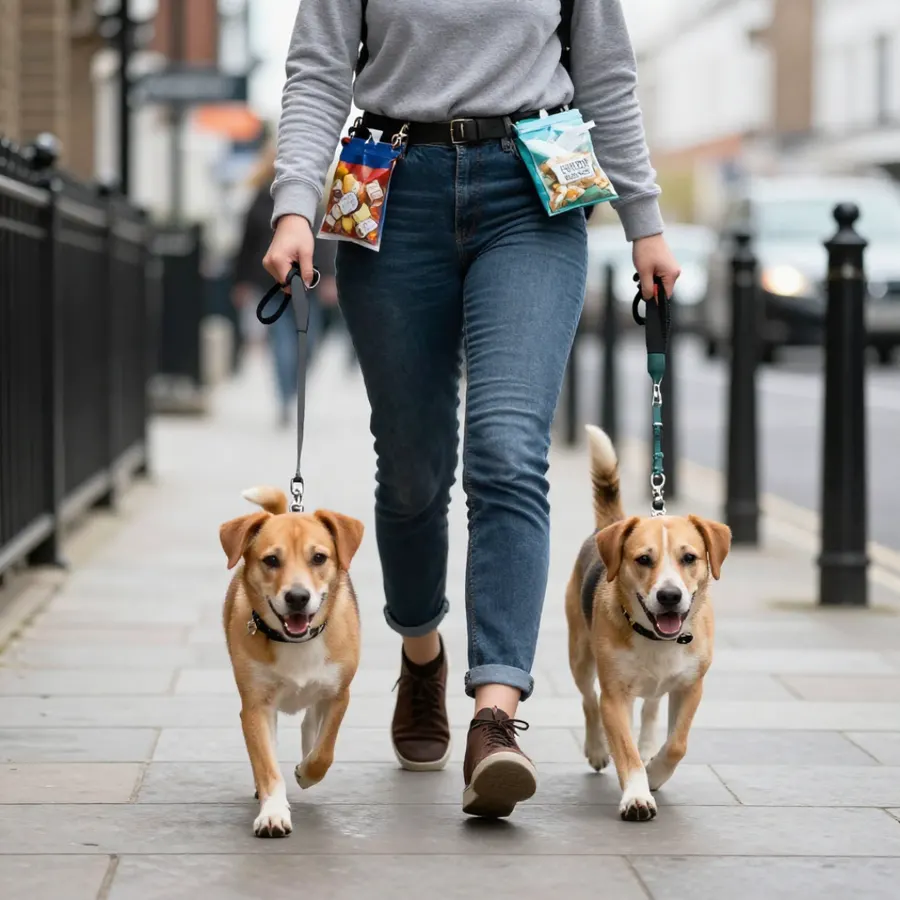 Out the door and ready for anything.
All dogs walking & training →Dog harnesses →Dog leashes →Retractable dog leashes →Dog muzzles →Dog vest harnesses →Cute dog collars →Tactical dog harnesses →Pooper scoopers →No pull dog harnesses →Personalized dog collars →Small dog harnesses →Cute dog harnesses →
↗Tracked US shippingEstimates on every item↶Returns & refundsHow it works♡Here to helpTalk to Giddy Pets
All dog collars
Little essentials. Lots of love.


Leather dog collars
Adjustable Studded Dog Collar for Small and Medium Dogs
- Options
- 12 to choose from
From $17.99

Tactical dog collars
Handled Dog Collar and Double-Handle Bungee Leash Options
- Options
- 32 to choose from
From $18.99

Dog Christmas accessories
Christmas Plaid Cotton Dog Collar with Bow
- Options
- 12 to choose from
From $15.99

Personalized dog collars
Glitter-Finish PU Dog Collar with Letter-Slide Band
- Options
- 20 to choose from
From $17.99

Designer dog collars
Adjustable Polyester Dog Collar in Four Colors
- Options
- 24 to choose from
From $16.99

Large dog collars
Nylon Dog Collar with Padded Inner Band and Metal Buckle
- Options
- 9 to choose from
$18.99

Light-up dog collars
Adjustable Nylon LED Dog Collar in Battery or USB Versions
- Options
- 81 to choose from
From $12.99

Dog harnesses
Coffee Brown Dog Harness, Collar, Leash and Waste Bag Holder
- Options
- 16 to choose from
From $12.99


Reflective dog collars
Padded Mesh and Nylon Dog Collar with Eight Neck Ranges
- Options
- 88 to choose from
From $20.99
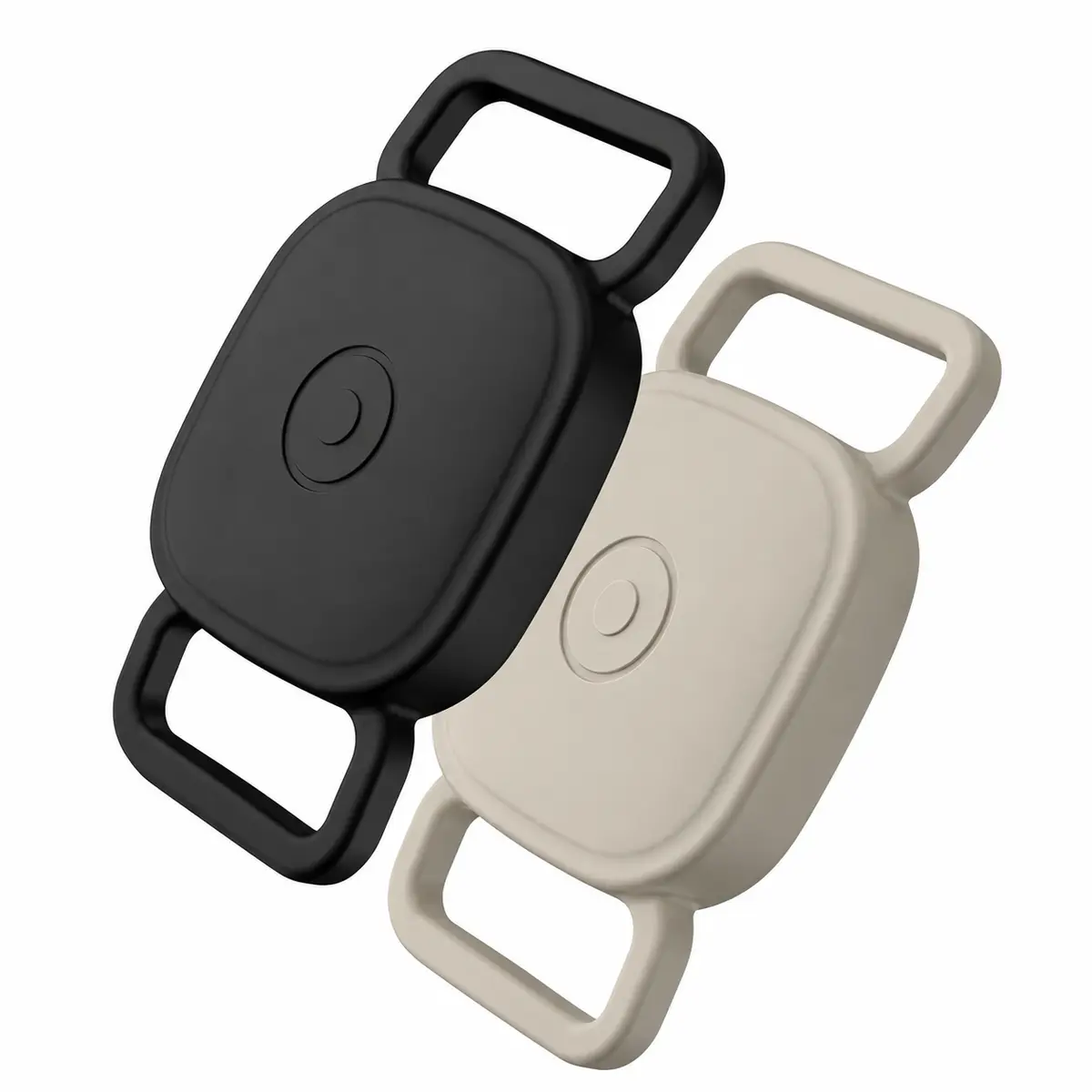


Leather dog collars
Braided Cowhide Leather Dog Collar with Brass-Tone Plate
- Options
- 4 to choose from
From $33.99
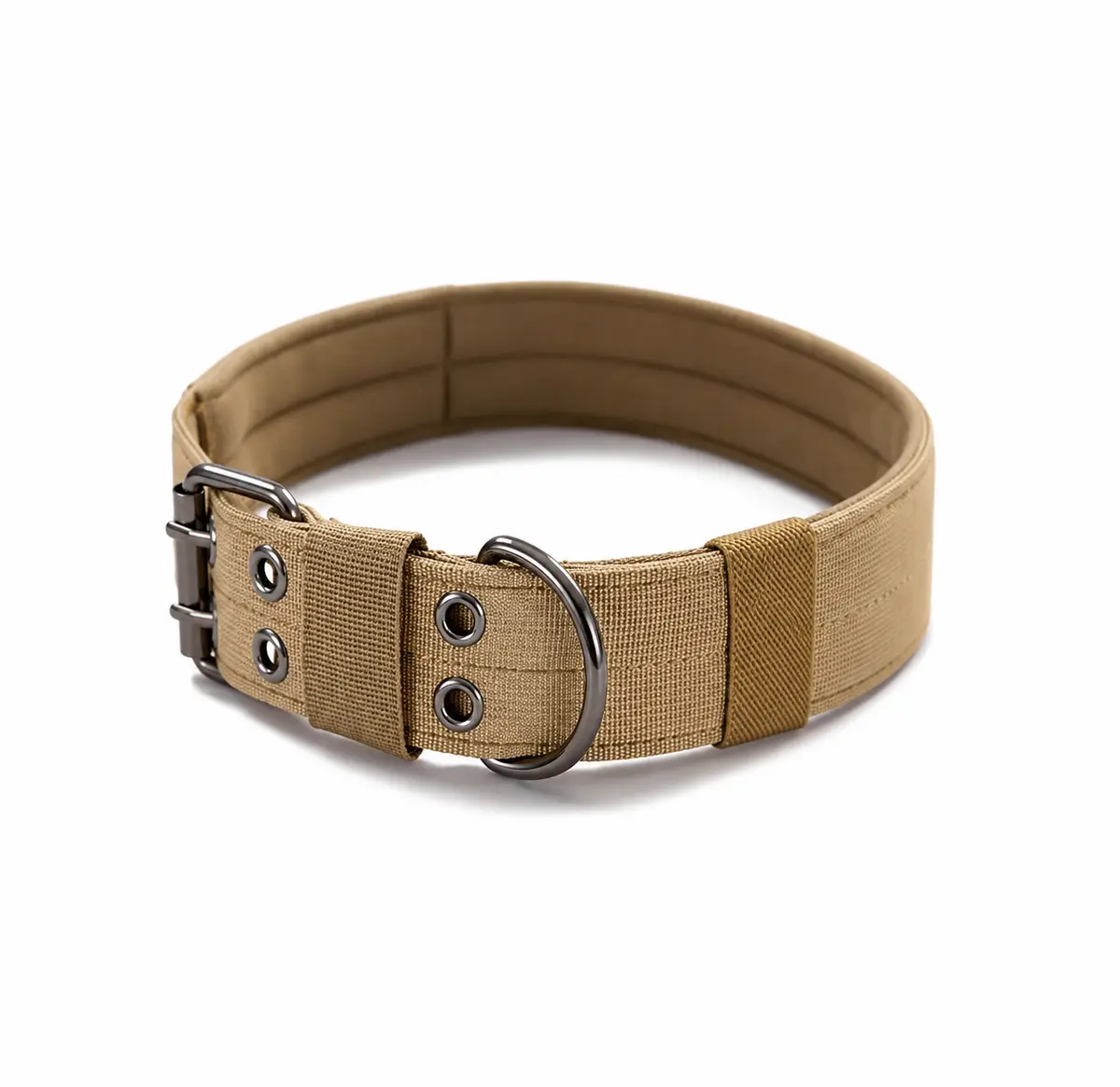
Tactical dog collars
Neoprene-Lined Nylon Dog Collar with Double-Pin Buckle
- Options
- 2 to choose from
$19.99
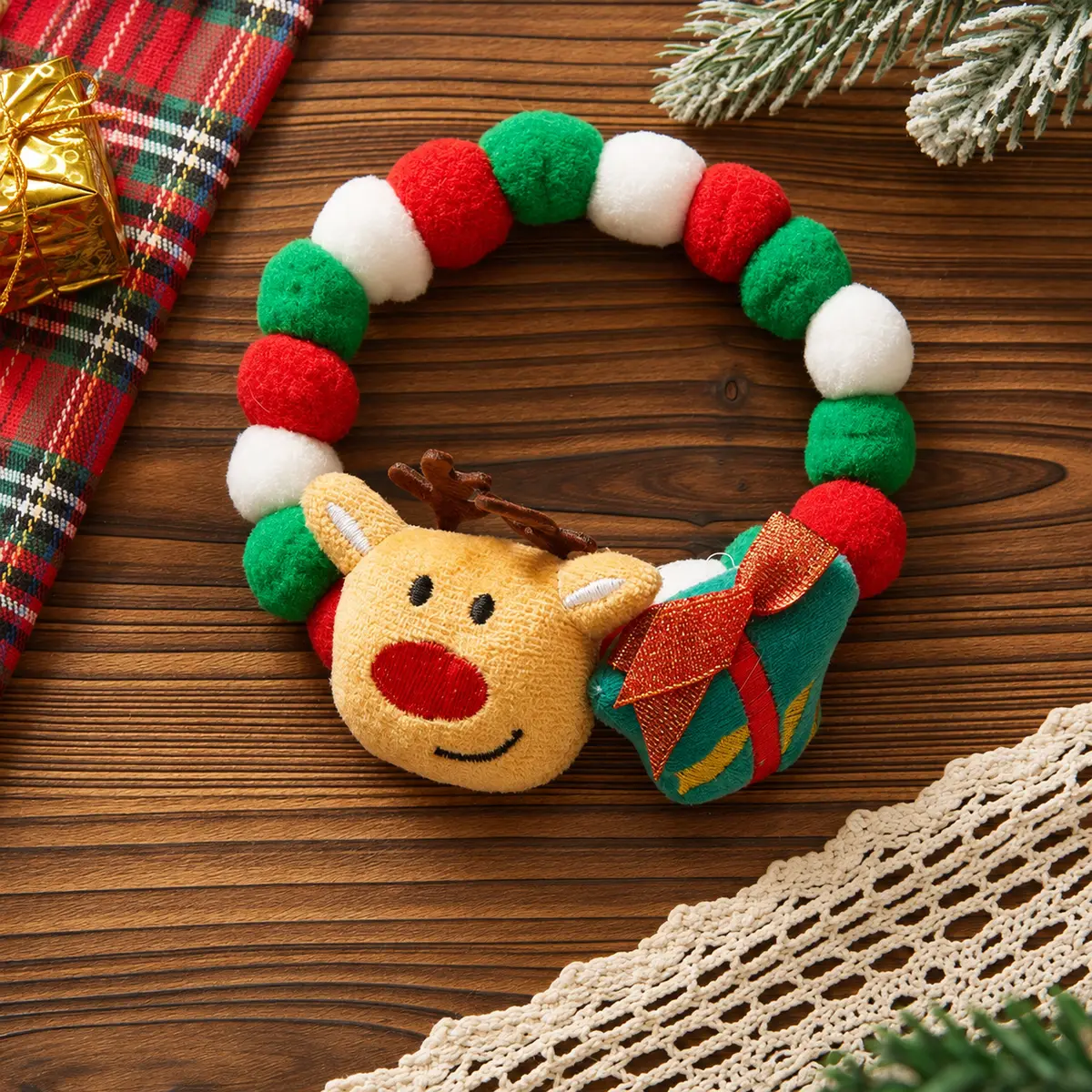
Dog Christmas accessories
Christmas Pom Pom Pet Collar with Plush Charms
- Options
- 15 to choose from
$11.99

Personalized dog collars
Lettered Dog Collar and Leash Set for Small Dogs
- Options
- 18 to choose from
From $33.99
A little guidance
Help choosing dog collars
Buying guides and care advice written for this range: what to measure, what matters and what to skip.
From our guides
- Best Breakaway Dog Collars: When They Make Sense →
- Best Dog Collars: How to Choose the Right Collar and Fit →
- Best Martingale Collar: What Actually Matters →
- Dog Collar and Harness Size Guide: How to Measure Your Dog →
- Best Dog GPS Tracker: How to Choose a Tracking Collar →
- Best Halloween Dog Collars: Festive Without the Hazards →
Browse our dog collars, from everyday floral, velvet and plaid designs to padded and studded leather, vintage suede with brass buckles, wide heavy-duty tactical collars, LED light-up and reflective collars, and matching collar-and-lead sets. You will also find slide-on ID tags. This page is for anyone fitting a first collar or upgrading an old one, and the guide below explains how to measure and choose.
How to measure and fit a dog collar
The AKC recommends measuring around your dog's neck where the collar will sit, starting near the withers and wrapping toward the front of the chest. Once the collar is on, you should be able to slide two fingers between the collar and your dog's neck.
If you cannot fit two fingers, the collar is too tight. If you can fit several fingers or slip the collar over the ears, it is too loose. Check fit every week or two on a growing puppy, and again after grooming, because a full coat can change the measurement by more than an inch.
Collar widths and materials
Width should follow the size of the dog. Narrow collars suit toy and small breeds, while wide collars spread pressure across the neck of a large or strong dog. The heavy-duty nylon tactical collars here are wide, with metal buckles and a grab handle for close control.
Leather and suede soften with wear and look smart for years if kept dry and conditioned. Nylon and polyester webbing is light, washable and comes in more patterns. Velvet, floral and tartan collars are more about style; tartan plaid designs are a favorite for holiday photos.
Visibility on dark walks
Winter evenings mean many walks happen after dark. LED collars with steady and flashing modes make a dog visible to drivers and cyclists from a distance, and most here recharge by USB. Reflective collars and stitching light up in headlights without any battery at all.
For the best coverage, combine a reflective collar with a light. Our light-up dog collars page goes into more detail on modes, charging and pairing a clip-on light with a collar you already own.
Collar or harness?
Collars are ideal for carrying ID and for dogs who walk nicely on a loose lead. For dogs who pull hard, small breeds prone to tracheal problems, and flat-faced breeds, many owners clip the lead to a harness instead and keep the collar for tags.
Several sets on this page pair a collar with a matching lead or a no-pull harness, so you can have both. Whichever you choose, take the collar off in the crate or at playtime with other dogs if there is any risk of it catching on something.
Collar construction and finish choices
| Construction or finish | What changes | Inspection point |
|---|---|---|
| Nylon or polyester webbing | Light strap with patterned options | Inside edges,stitching and buckle |
| Leather or suede | A different surface and care routine | Drying and conditioning directions |
| Wide tactical-style | Wider strap,some with a handle | Actual neck range and hardware |
| Velvet,floral or tartan | Decorative fabric or pattern | Surface condition and attachment details |
How tight should a dog collar be?
You should be able to slide two fingers flat between the collar and your dog's neck. Any tighter can rub or restrict breathing, and any looser lets the collar slip over the head.
What size collar does my dog need?
Measure around the neck where the collar sits and add about two inches for comfort. Compare that number to the adjustment range in the listing, and choose a collar whose range puts your dog near the middle.
Are leather collars better than nylon?
Neither is better overall. Leather is durable and softens over time but dislikes water, while nylon is light, washable and dries quickly. Swimmers and muddy dogs often do better in nylon.
Should my dog wear a collar all the time?
A collar with ID is useful whenever your dog could slip out of the house. Remove it during unsupervised crate time or rough play with other dogs, where it could catch on something.