






Buying guides
Dog Collar and Harness Size Guide: How to Measure Your Dog
To size a collar or harness, measure your dog with a soft tape: the neck where the collar sits for a collar, and the chest girth at its widest point just behind the front legs for a harness. Compare those measurements, not your dog's weight, with the brand's size chart. A collar should be snug enough not to slip over the head but loose enough to fit two fingers underneath. Between sizes, choose the larger and adjust down.
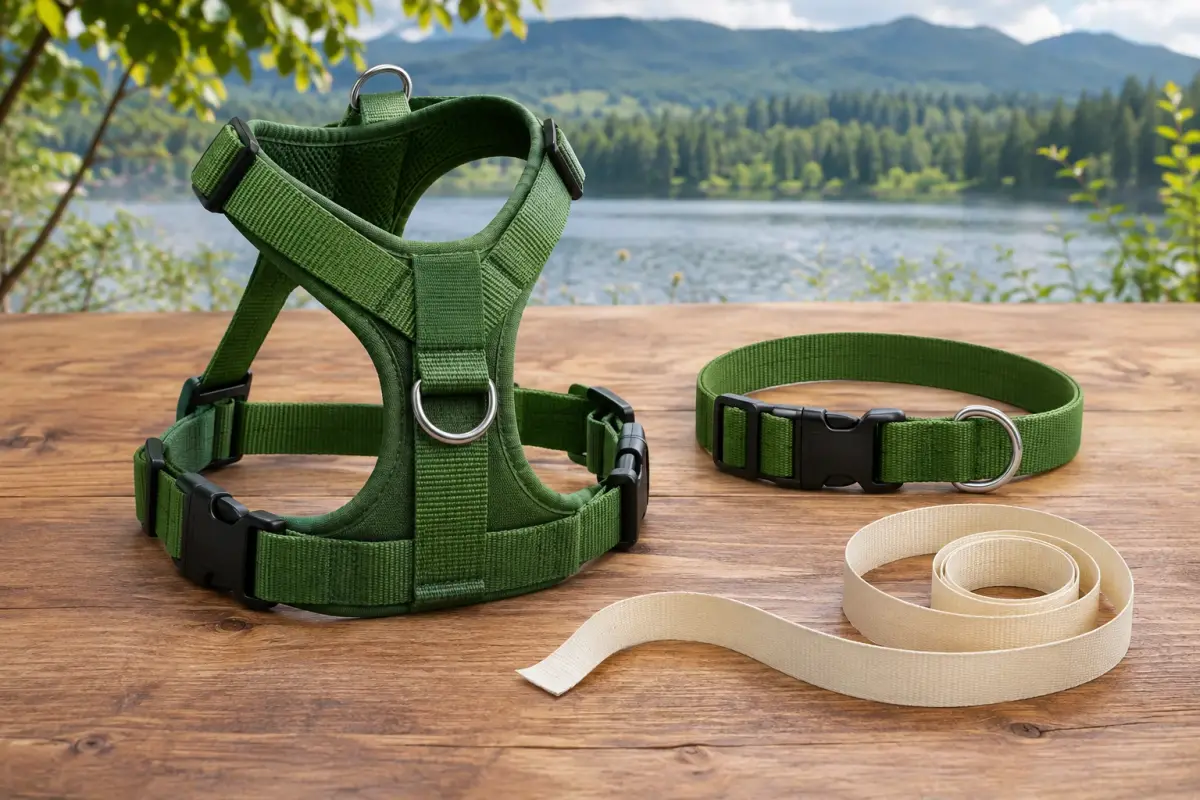
By Matt GarnettUpdated November 9, 20263 min read3 sources
What you need and how to position your dog
Use a soft, flexible tape measure, the kind used for sewing. If you do not have one, wrap a piece of string or ribbon around your dog, mark it, and lay it against a ruler or straight tape. Measure in inches, since most US size charts use them.
Have your dog standing squarely on all four feet with its head up, not sitting or slouching, so the measurements match how it walks. A second person offering treats makes it far easier. Take each measurement twice to check.
How to measure your dog's neck for a collar
Wrap the tape around the middle of the neck, where a collar naturally sits, a little below the ears and above the shoulders. Keep it snug against the coat but not tight. For a harness, measure the base of the neck instead, where the neck meets the shoulders and chest, because that is where the harness neck loop sits.
Long-haired or fluffy dogs should be measured with the tape pressed through the coat to the body. Write the measurement down; you will use it alongside the chest measurement for most harnesses.
How to measure your dog's chest for a harness
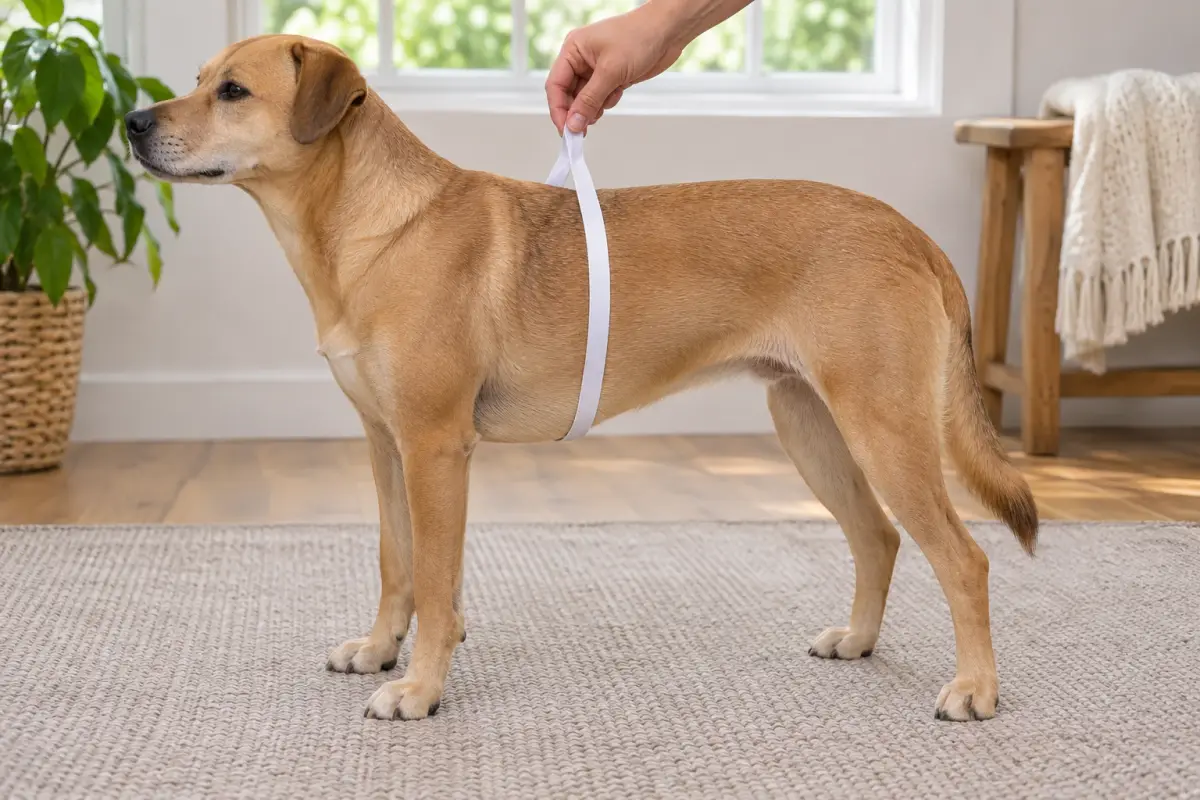
Chest girth is the most important harness measurement. Wrap the tape around the widest part of the rib cage, which is usually just behind the front legs, and bring it together on top of the back. Keep it snug, not tight, so it reflects the body under the fur.
Some harness charts also ask for back length, measured from the base of the neck to the base of the tail, or for weight as a rough guide. Always prioritize the girth and neck measurements over weight, since two dogs of the same weight can be very different shapes.
Using a size chart and choosing between sizes
Every brand sizes differently, so a medium in one is not a medium in another. Compare your measurements with that brand's chart on each dog collar or small-dog harness listing, and look at the adjustment range, choosing a size where your dog falls near the middle rather than at the very edge.
If your dog is between sizes, the general advice is to go larger and tighten the straps, especially for growing puppies. Very deep-chested breeds, such as Greyhounds, Whippets and Boxers, or very short-legged ones, may need styles designed for their shape.
How tight should a dog collar be?
Use the two-finger rule: once the collar is on, you should be able to slide two fingers flat between the collar and your dog's neck. Any tighter can rub, restrict breathing or cause skin sores; any looser and the collar can slip over the head or catch on things.
Check the fit regularly, especially in puppies, which can outgrow a collar within weeks, and after grooming or weight changes. Sighthounds, whose heads are narrower than their necks, can back out of flat collars easily, which is why many owners choose a martingale or harness for them.
Checking the harness fit
A well-fitted harness lets you slide two fingers under each strap. Pull gently backward to make sure it cannot slip over your dog's head, and watch your dog walk to check that straps do not sit on the shoulder joints or rub behind the elbows.
Look for redness, hair loss or chafing after the first few walks. If your dog has neck or breathing problems, a harness is usually the safer choice for leash walking; ask your vet which style suits your dog.
This page is general information, not veterinary advice, and it cannot replace an examination by the vet who knows your pet.
Common questions
Can I measure my dog for a harness by weight?
Weight is only a rough guide. Chest girth and neck measurements are far more reliable, because dogs of the same weight can have very different body shapes.
What size collar does a puppy need?
Measure the neck and add room for two fingers. Puppies grow fast, so choose an adjustable collar and check the fit every week or two, loosening or replacing it as needed.
How do I know if my dog's collar is too tight?
If you cannot fit two fingers underneath, it is too tight. Signs include rubbing, hair loss, redness or coughing. Loosen it straight away and check the skin.
Where do you measure a dog's chest?
Around the widest part of the rib cage, just behind the front legs. Keep the tape snug against the body, not loose over the fur and not tight.
Sources we checked
This guide is general information, not veterinary advice. If your pet is unwell or injured, contact your veterinarian.


