






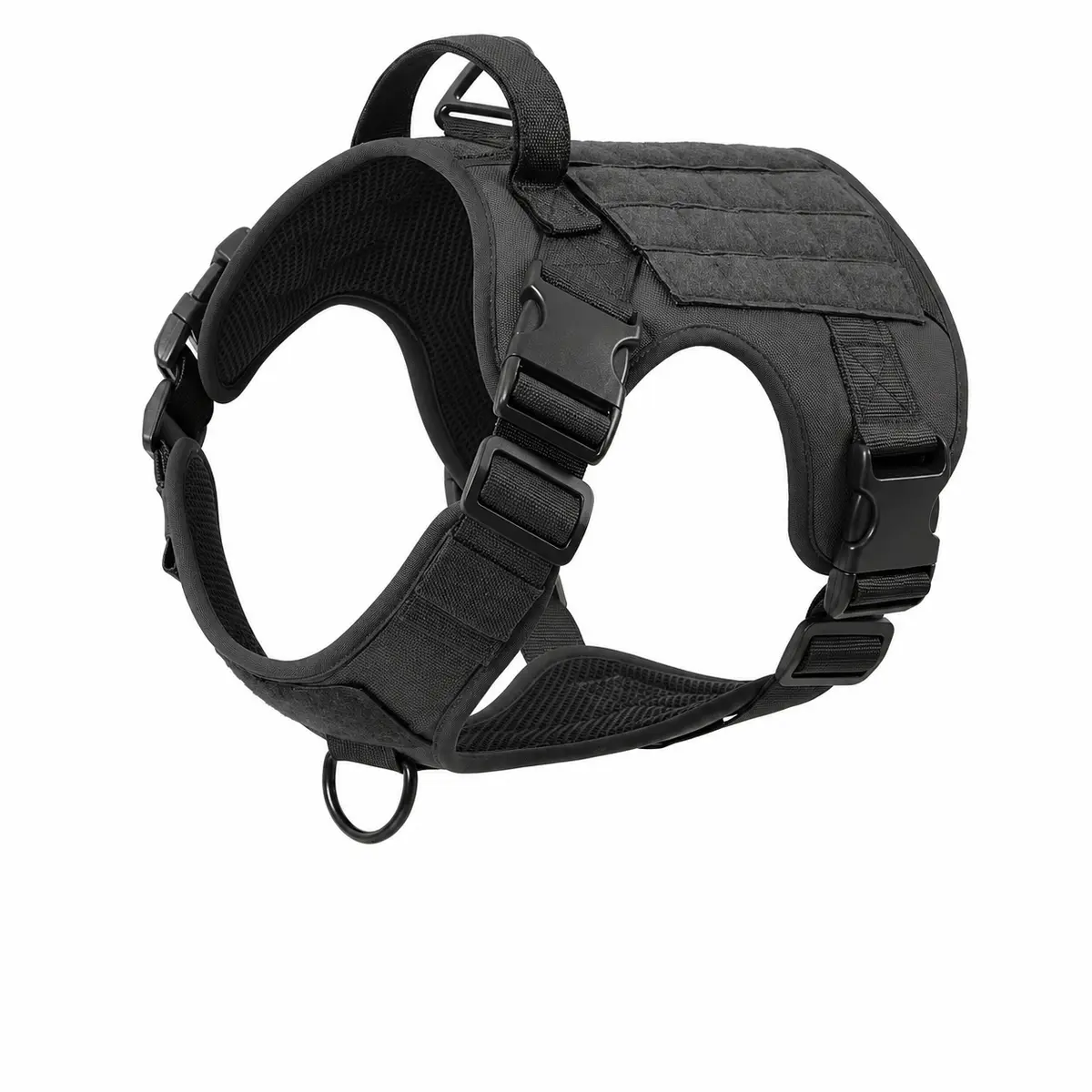
Tactical dog harnesses
Four Buckle Dog Harness with Front and Back Rings
- Options
- 16 to choose from
From $33.99
Free US shipping over $49 · 30-day free returns · Happy pets, happy homes
Pet care guidesDogs
Better walks, every day.
1 item picked for everyday life with your pet, with shipping estimates on every item.
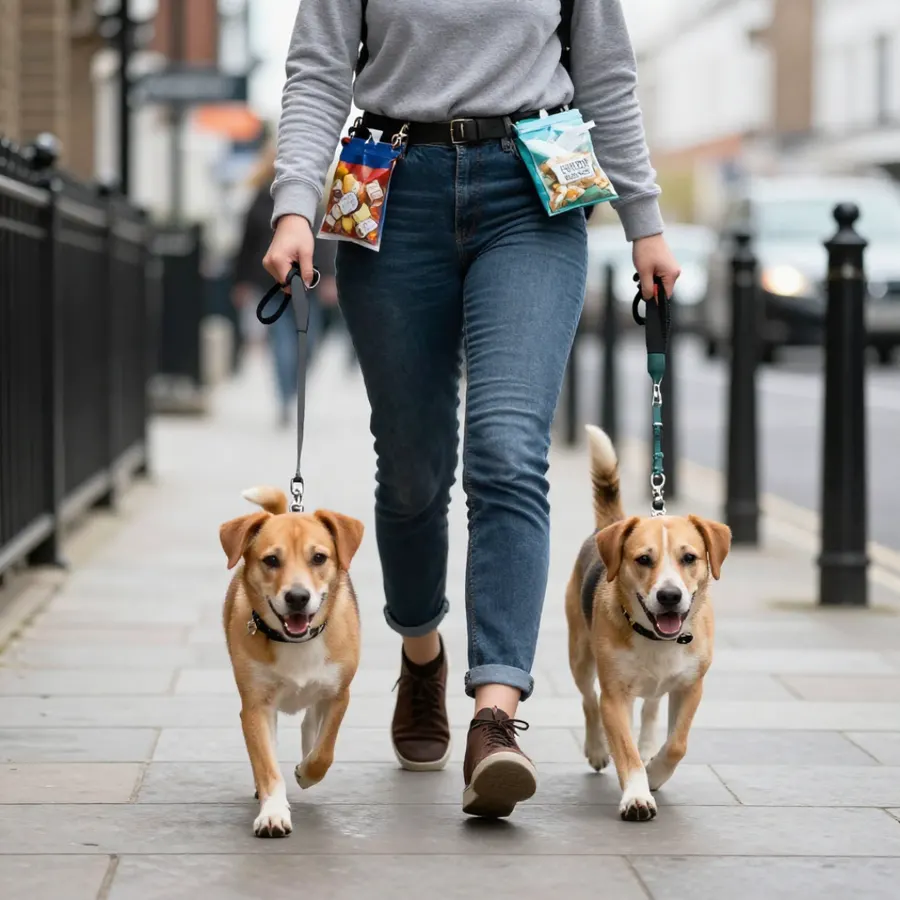 Out the door and ready for anything.
Tactical dog harnesses
From $33.99
A little guidance
Buying guides and care advice written for this range: what to measure, what matters and what to skip.
Shop no pull harnesses for large dogs: padded no-pull harnesses with a top handle for medium and large dogs, easy on and off designs with three buckles, adjustable reflective Oxford harnesses, and heat-resistant heavy duty nylon tactical harnesses. This page narrows our No-Pull Dog Harnesses range to the sizes and strength big dogs need. Below is how no-pull harnesses work, how to measure a large dog correctly, and how to pair the harness with training so the pulling actually stops.
A no-pull harness has a lead ring on the chest. When your dog pulls, the leash pressure turns its body back toward you, which takes the power out of the pull. The AKC describes front-mounted rings that tighten slightly when the dog pulls, discouraging it, and notes they help when a dog is stronger than its handler.
That matters with large dogs, where a single lunge can pull a person off balance. A back-clip harness, by contrast, lets a big dog lean into the harness with its full chest, which can make pulling easier rather than harder.
Many harnesses here offer two attachment points. Use the front ring for walks where you need control, such as busy streets and training sessions, and the back ring for relaxed walks once your dog walks well. The AKC notes dual-clip harnesses are useful while teaching a dog to walk in a harness.
Clip a double-ended lead to both rings for the most control with a very strong dog. A top handle, found on the padded and tactical models, lets you hold your dog close when passing other dogs or crossing roads.
The AKC recommends two measurements: around the base of the neck where it meets the shoulders, and around the widest part of the chest, usually just behind the front legs. Measure with your dog standing, using a soft tape, and check the size chart for the brand, since some size by the dog and some by the harness.
Deep-chested breeds such as German Shepherds, Labradors and Boxers often need a size chosen by chest girth. If your dog is between sizes, choose the adjustable model where both measurements sit in the middle of the range.
Fit snug, not tight: you should be able to slide two fingers under the straps. Walk your dog to check the shoulders move freely, then gently pull the harness in different directions and back your dog up, as the AKC advises, to make sure it cannot slip out.
A harness that slides to one side when your dog pulls on the front ring is too loose. Watch for rubbing behind the front legs after the first few walks, and recheck after grooming or weight changes.
A no-pull harness manages pulling; training ends it. Stop walking the moment the lead goes tight and move again when it slackens. Reward your dog with treats for walking beside you, and practice in quiet places before busy ones.
Short, frequent sessions work best with big, enthusiastic dogs. Tire your dog a little with play before training walks. If pulling comes with lunging at other dogs, a qualified trainer or behavior professional can help, since that is often fear or excitement rather than simple pulling.
Yes. A front ring turns a pulling dog back toward you, which reduces the force of the pull. It works best combined with loose-leash training.
A well-fitted harness with a front chest ring, ideally dual-clip with a top handle. For very strong dogs, clip a double-ended lead to both front and back rings.
A properly fitted front-clip harness is safe for most dogs. Check it does not rub behind the legs or restrict the shoulders, and recheck the fit regularly.
Measure around the base of the neck and the widest part of the chest behind the front legs, with your dog standing, and compare both to the size chart.
For walks, a harness is usually better for big dogs that pull, because it spreads force across the chest instead of the throat. Keep a collar on for ID tags.