






Buying guides
Best No-Pull Dog Harness: How to Choose One That Works
A good no-pull harness has a leash ring at the front of the chest, adjusts at four or more points, and fits so you can slide two fingers under every strap. The front clip turns a dog sideways when it pulls, which takes the payoff out of pulling. It works best paired with reward-based leash training, not as a replacement for it.
By Matt GarnettUpdated November 14, 20264 min read3 sources
What matters most: the clip position and the fit
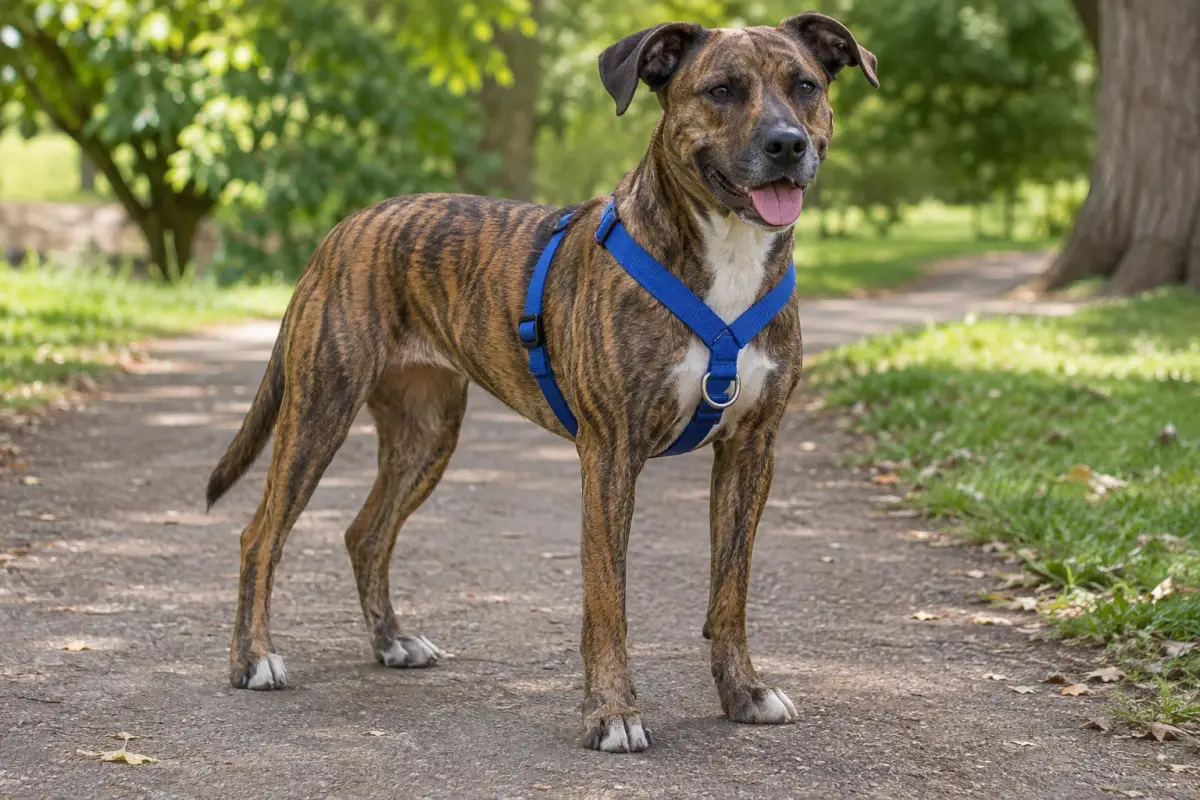
The leash attachment decides whether a harness reduces pulling. The AKC explains that a front-clip harness attaches at the chest and gives the handler leverage, while a back-clip harness suits dogs that already walk politely. When a dog leans into a front-clip harness, the leash swings it toward you instead of letting it drag you forward. A dual-clip harness with front and back rings gives you both options.
Fit is the second factor, and a loose harness loses most of the effect. The AKC suggests you should be able to slide two fingers under the straps, with one finger for small dogs, and recommends test-walking, pulling gently in different directions and backing the dog up to check it cannot slip out over its head.
The main types compared
Front-clip harnesses are the standard no-pull design and suit most dogs that pull. Dual-clip harnesses add a back ring for relaxed walks or for clipping a seat-belt tether in the car. Step-in harnesses avoid lifting anything over the head, which helps dogs that dislike handling around the ears, though they are often back-clip only.
Head halters fit over the muzzle and steer the head, giving the most control of any walking equipment for a strong dog, according to the AKC. Many dogs need gradual training to accept one, and a halter should never be jerked. Harnesses that tighten around the chest or legs when the dog pulls can rub and are not necessary to stop pulling.
Best type for each dog
For a small dog or puppy, a lightweight front-clip or dual-clip harness with narrow, padded straps works well, and VCA calls harnesses probably the best starting tool for leash training because the neck is not strained. For flat-faced breeds such as French Bulldogs, keep pressure off the throat entirely and choose a harness with a chest strap that sits low.
For a strong, broad-chested dog such as a pit bull or a German Shepherd, look for wide webbing, metal hardware and a design that does not ride up into the armpits. For an escape artist, a harness with a second strap around the belly is harder to back out of. For a determined puller that drags you despite a good fit, a trainer may suggest a head halter alongside training.
How to measure and size a no-pull harness
Measure two places with a soft tape: around the base of the neck where it meets the shoulders, and around the widest part of the chest just behind the front legs, as the AKC describes. Compare both to the size chart rather than going by weight alone, because deep-chested and barrel-chested dogs of the same weight need different sizes.
Start with every strap loose, put the harness on, then tighten gradually until two fingers fit under each strap. Watch the first few walks for rubbing behind the elbows, and recheck fit after a haircut, weight change or growth spurt. A puppy may need two or three sizes in its first year.
What to avoid and how long a harness lasts
Avoid a harness that is too loose to steer, one that crosses the front of the shoulder joint and restricts the stride, and thin plastic buckles on a strong dog. Avoid expecting the harness to do the training. The AKC approach is simple and positive: stop when the leash goes tight, move on when it slackens, and reward the dog for walking near you.
Check stitching, buckles and the D-ring every few weeks, and replace a harness with frayed webbing or a cracked clip immediately. Wash it when it gets grimy, because dirt and salt stiffen the straps and cause rubbing. If your dog suddenly resists the harness or limps after walks, have your vet check for pain.
Walking-equipment attachment layouts
| Layout | Where it connects | Check separately |
|---|---|---|
| Front-clip harness | At the chest | Chest fit and strap route |
| Dual-clip harness | At front and back rings | Both connections and exact intended uses |
| Step-in harness | Body buckles after the front feet enter | Leg openings and buckle position |
| Head halter | Around the head rather than torso | Fitting and introduction instructions |
| Tightening harness | An additional moving loop or strap | The exact operating method and fit |
Common questions
Do no-pull harnesses really work?
They reduce pulling for most dogs by turning the dog sideways when it leans into the leash. They work best alongside training that rewards a loose leash, rather than on their own.
Is a front-clip harness better for dogs that pull?
Yes. A front ring on the chest gives you leverage and redirects the dog toward you. Back-clip harnesses are comfortable but can make it easier for a strong dog to pull.
What is the best no-pull harness for a pit bull?
Look for a front-clip or dual-clip harness with wide webbing, metal hardware and four or more adjustment points, sized from a chest measurement rather than weight alone.
How tight should a no-pull harness be?
Snug enough that it does not shift when the dog pulls, loose enough to fit two fingers under each strap. Small dogs may need closer to one finger.
Is a no-pull harness better than a collar for pulling?
For a dog that pulls, a harness keeps pressure off the neck and throat. A flat collar is still useful for carrying ID tags, but clip the leash to the harness.
Sources we checked
This guide is general information, not veterinary advice. If your pet is unwell or injured, contact your veterinarian.


