Buying guides
Best Dog GPS Tracker: How to Choose a Tracking Collar
The best dog GPS tracker is the one that works where your dog actually gets lost. Cellular GPS trackers suit suburbs and towns with good phone coverage. Radio-based GPS systems suit rural land and hunting country without signal. Bluetooth tags only help nearby. After coverage, compare update speed during a live search, battery life, weight for small dogs and the monthly plan cost.
By Matt GarnettUpdated November 9, 20264 min read2 sources
What matters most: coverage, update speed and battery
A GPS tracker finds its position from satellites, then has to send that position to your phone. How it sends it is the key choice. The AKC explains that GPS trackers work through satellites and cellular networks without needing your phone nearby, while Bluetooth trackers only update when they come within range of a paired device. That difference decides whether you can follow a dog that has bolted a mile away.
Update speed is the second factor. In everyday mode many trackers report every few minutes to save battery, which is fine for checking your dog is home. During an escape you need a live mode that reports every few seconds. Battery life is the third: compare the days per charge in normal use and the hours in live mode, and how long it takes to recharge.
Cellular, radio and Bluetooth trackers compared
Cellular GPS trackers clip to the collar and send location over a mobile network. They have no range limit as long as there is coverage, usually add features such as safe-zone alerts and activity tracking, and almost always require a monthly or yearly plan. Their weakness is dead zones, which matter in mountains, forests and farmland.
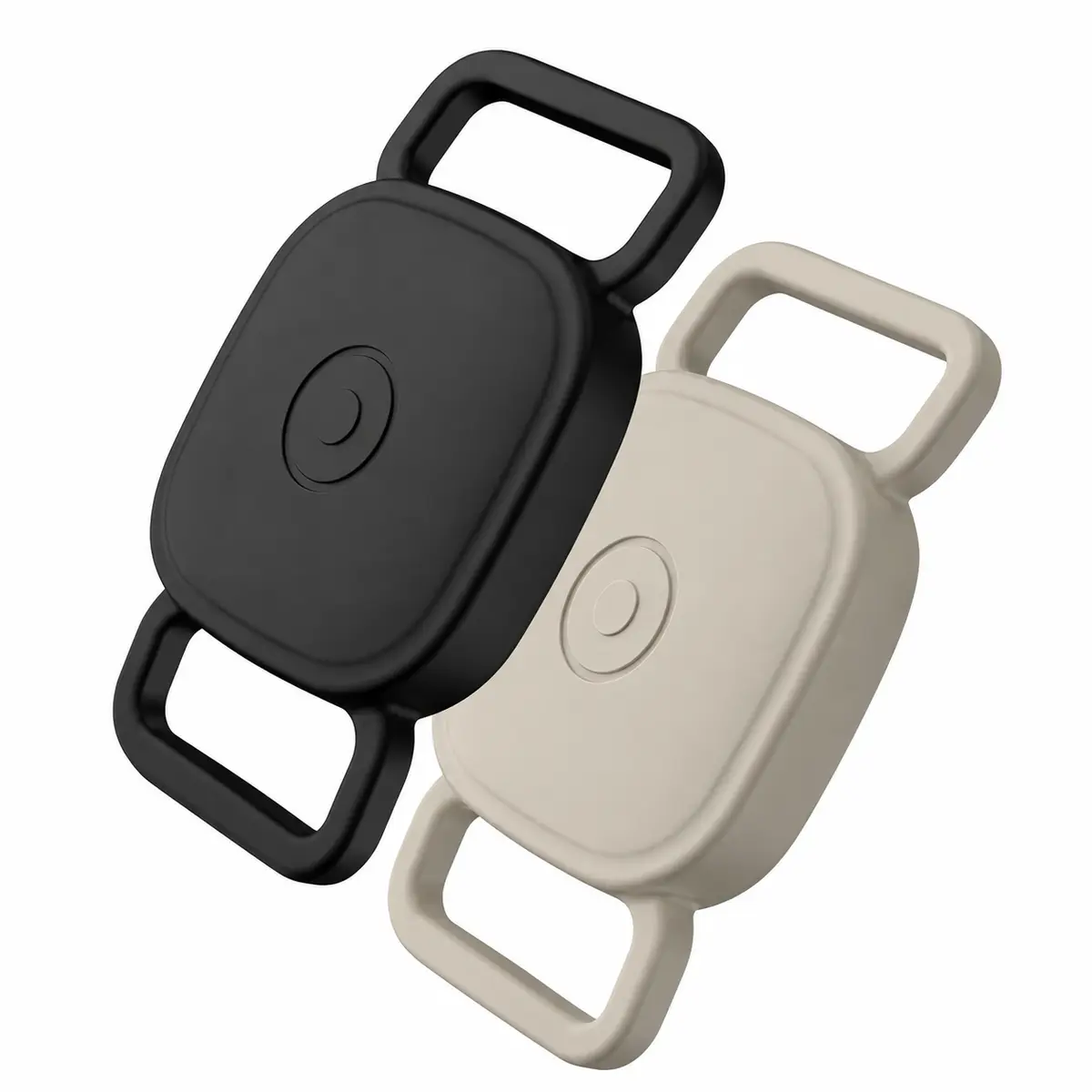
Radio GPS systems send location from the collar to a handheld receiver, with no phone network involved. They work in remote areas within a set range, often several miles in open country, and have no subscription, but the hardware costs more and the units are bulkier. Bluetooth tags, such as the smart Bluetooth pet tracker tag, are tiny and cheap but are finders for a lost dog nearby or in a busy neighborhood, not trackers for a dog on the run.
Best type for each dog and home
For suburban and city dogs, a cellular GPS tracker with a live mode and safe-zone alerts is the most practical. For rural homes, farms and hunting dogs, check carrier coverage maps for where your dog roams; if coverage is patchy, a radio-based system is more reliable, and one AKC owner account describes exactly that experience. For escape artists, prioritize a strong collar attachment and fast live tracking.
For small dogs, weight and size matter. A tracker should be a small share of your dog's body weight and should not drag the collar down. Some trackers state a minimum dog weight, so check it before buying for a toy breed. For cats or tiny dogs, Bluetooth tags or very small trackers, for example the mini pet smart wearable locator, are the only options that sit comfortably.
Fit, waterproofing and durability
The tracker is only as good as the collar holding it. Choose a collar that fits with the two-finger rule and does not rotate, so the tracker stays on top of the neck where satellite reception is best. Trackers built into a smart collar can be more secure; clip-on units are easier to move between collars. Check that the unit is rated waterproof, not just splash-resistant, for dogs that swim or roll in mud.
Look at how the tracker attaches. Rubber straps can loosen and plastic clips can snap if a dog runs through brush. Metal screws or a pocket built into the collar are sturdier. Keep a regular ID tag on the collar as well, since the AKC recommends visible ID even for dogs with chips and tech collars.
What to avoid
Avoid buying a Bluetooth tag expecting GPS tracking. Avoid choosing on hardware price alone, since the subscription often costs more over two years than the device. Avoid trackers that are heavy for your dog or that sit loose enough to snag. And avoid relying on a tracker instead of a microchip, because batteries run flat and collars come off.
Do not confuse a GPS tracker with a GPS fence or any collar that delivers a correction; this guide is only about locating your dog. If your dog keeps escaping, look at the reason as well as the fence: boredom, fear of noises and roaming to find a mate all play a part, and your vet can talk about neutering and anxiety if escapes are frequent.
Setup, charging and lifespan
Charge the tracker, such as a pet tracking locator, fully before first use, set up safe zones around home, and test live mode by having someone walk your dog out of range while you follow it on the app. Learn how long the battery lasts in your area, since weak signal drains it faster. Make charging part of a weekly routine, or charge every night in live-heavy use.
Most trackers last two to four years before the battery noticeably weakens. Keep firmware updated, check the strap or clip monthly and replace a cracked case before water gets in. If you change phone carriers or move to a rural area, recheck coverage, because a tracker that was perfect in town may struggle on a farm. Browse our dog GPS trackers again once you know your coverage.
Tracker communication paths compared
| System | How information travels | Dependency to verify |
|---|---|---|
| Cellular GPS | Collar sends location over a mobile network | Coverage and the actual subscription plan |
| Radio GPS | Collar communicates with a handheld receiver | Receiver compatibility and stated operating range |
| Bluetooth tag | Short-range or nearby-network finding | Compatible phone/platform and the finding method |
Common questions
What is the best dog tracker for rural areas?
In rural areas with weak phone signal, a radio-based GPS system with a handheld receiver is usually more reliable than a cellular tracker. Check carrier coverage maps before choosing a cellular model.
Do dog GPS trackers need a subscription?
Most cellular GPS trackers do, because they use a mobile network to send location. Radio GPS systems and Bluetooth tags usually do not. Add the plan cost over two years to the device price when comparing.
What is the best GPS tracker for small dogs?
Choose the lightest, smallest unit that still has live tracking, and check any minimum dog weight the maker lists. Fit it on a well-fitted collar or harness so it does not swing or drag.
Is a Bluetooth tracker enough for a dog?
Only for finding a dog nearby. Bluetooth tags update when a paired phone is in range, so they cannot follow a dog that has run off across town or into woods.
Sources we checked
This guide is general information, not veterinary advice. If your pet is unwell or injured, contact your veterinarian.