






Buying guides
Best Harness for Medium Dogs: How to Choose One That Fits
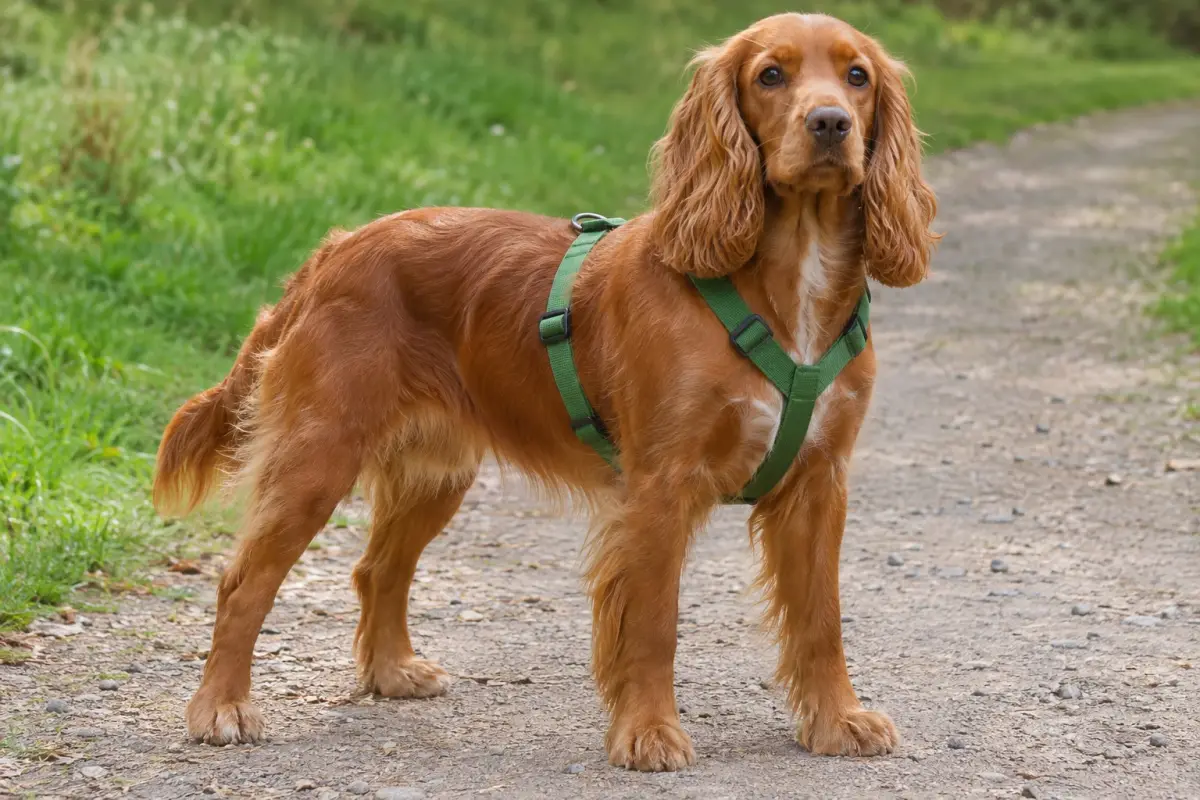
For a medium dog of roughly 25 to 50 lb, the best harness has adjustable neck and chest straps, a clip position that suits how your dog walks, and a fit that leaves the shoulders free. The AKC recommends front-clip harnesses for pullers, back-clip for well-trained dogs and dual-clip while training. Medium breeds vary enormously in shape, so measure rather than trusting the weight on the label.
By Matt GarnettUpdated November 14, 20263 min read2 sources
Why medium dogs are hard to size
Medium covers beagles, border collies, cocker spaniels, bulldogs, Australian shepherds and countless mixes, and they are built very differently. A 35 lb beagle and a 35 lb English bulldog need completely different harnesses. Weight-based size charts often fail in this range.
Measure instead. The AKC suggests taking two measurements: the base of the neck where it meets the shoulders, and the widest part of the chest, usually behind the front legs, with a soft tape. Compare both to the maker's chart and choose the size that fits the chest.
Clip types compared
Front-clip harnesses attach the leash at the chest and redirect pulling, which the AKC says often helps dogs that pull. Back-clip harnesses attach between the shoulder blades; the AKC recommends them for well-trained dogs, and they are quick to put on.
Dual-clip harnesses have both rings. The AKC suggests these when teaching a dog to use a harness, starting on the front clip and switching to the back once the dog is comfortable. For most medium dogs, dual-clip is the most flexible choice.
Harness styles compared
Y-front strap harnesses leave the shoulders free and suit active dogs and hiking. Padded vest harnesses spread pressure and are easy to put on, suiting dogs that dislike things over the head if they have a step-in or buckle-on design. Step-in harnesses suit calm dogs that will stand still.
Escape-resistant harnesses add a third strap behind the ribs, which suits slim, deep-chested dogs that back out of ordinary harnesses. Harnesses with a back handle help you steady your dog on trails or lift it over obstacles.
Checking the fit
The AKC advises starting with a looser fit and tightening gradually. Then test: walk your dog to check natural movement, back it up to make sure the harness does not slide over its head, and look for rubbing or pressure points, especially in the armpits.
Dogs with thick or fluffy coats may need straps snugged a little more to stop slipping, the AKC notes. Recheck after grooming, weight changes and as young dogs grow.
What to avoid
Avoid straps that sit across the front of the shoulder joint or rub behind the elbows, and any harness that tightens across the throat. Avoid buying by weight alone. Avoid leaving a harness on all day, which can rub the skin.
Avoid relying on equipment to fix pulling; reward-based loose-leash training does that. Sores, hair loss or limping after walks mean the fit is wrong, and anything that does not settle should be seen by your vet.
Care and lifespan
Wash the harness in a laundry bag and air dry. Inspect buckles, stitching and rings every few weeks.
Replace it when webbing frays, buckles crack or straps stretch, and immediately if a clip fails to lock.
Keep a spare medium dog harness if you walk in rain or mud often, so one can dry fully while you use the other.
This page is general information, not veterinary advice, and it cannot replace an examination by the vet who knows your pet.
Harness ring,body and entry choices
| Feature | Physical layout | Check before choosing |
|---|---|---|
| Front ring | Attachment at the chest | Ring position and strap path |
| Back ring | Attachment on the upper back | Ring position and stitching |
| Dual rings | Front and back attachments | Permitted leash arrangement |
| Y-front straps | Open straps around the chest | Shoulder and leg clearance |
| Padded vest | Broad panels around the body | Panel edges and adjustment |
| Additional body strap | A further strap behind the chest | Placement and fitted range |
Common questions
What is the best harness for a medium-sized dog?
A dual-clip harness with adjustable neck and chest straps that leaves the shoulders free, sized by measuring your dog. Add a third belly strap if your dog tends to back out.
How do I measure my dog for a harness?
Measure around the base of the neck where it meets the shoulders and around the widest part of the chest behind the front legs, as the AKC suggests, and use the maker's chart.
How tight should a dog harness be?
Snug but not restrictive. The AKC suggests starting loose and tightening gradually, then checking that it does not slip over the head when your dog backs up and does not rub.
Should a medium dog use a front-clip or back-clip harness?
Front-clip helps dogs that pull; back-clip suits well-trained dogs. A dual-clip harness lets you use the front ring while training and switch to the back later.
Sources we checked
This guide is general information, not veterinary advice. If your pet is unwell or injured, contact your veterinarian.


