






Buying guides
Best Designer Dog Clothes: What Actually Matters
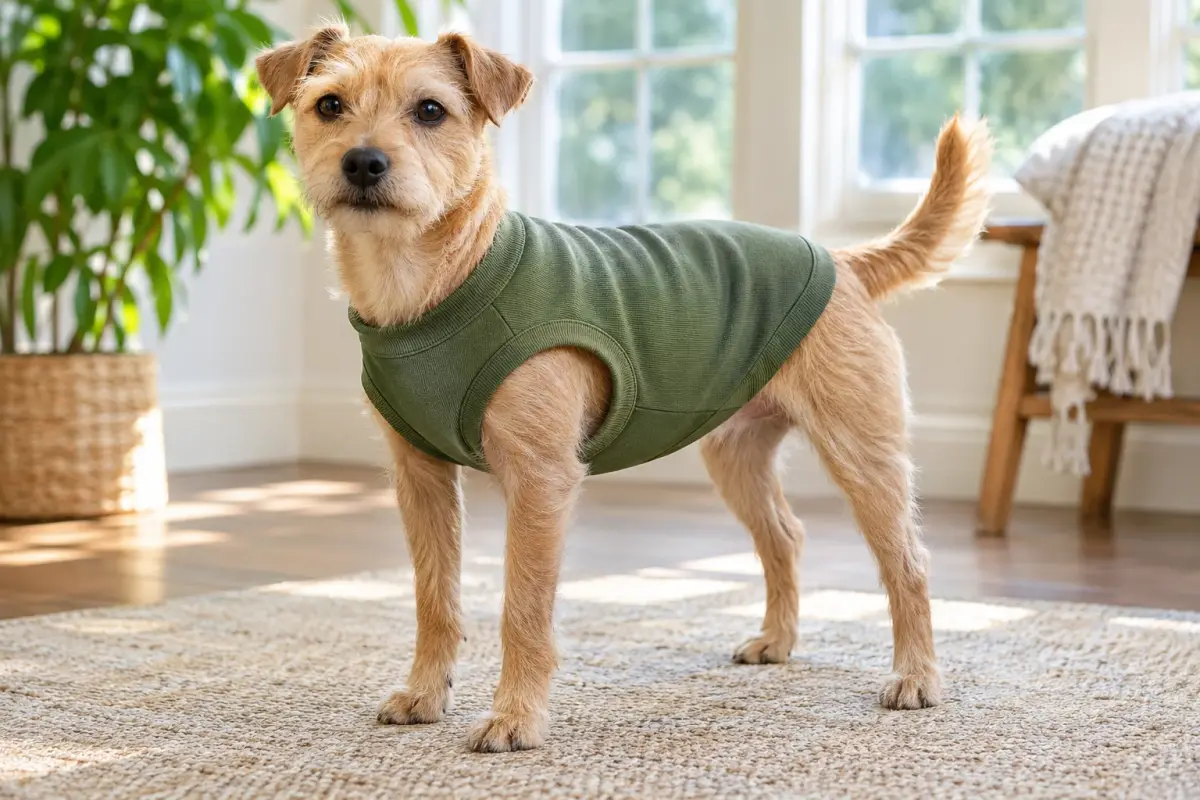
The best designer dog clothes are the ones that fit your dog's measurements, move easily and have no small decorative pieces to swallow. Style comes second to fit and safety, even for statement pieces. Browse our designer dog clothes, then use this guide to measure, check details and decide which pieces suit your dog.
By Matt GarnettUpdated November 14, 20265 min read3 sources
Does your dog need clothes at all
Clothes are optional for many dogs and useful for some. PetMD says short-coated, thin-coated and thin-framed dogs, including many toy breeds, may need a jacket in cold months, while heavy-coated dogs such as Huskies and Malamutes typically do not. Cornell's veterinary college adds that elderly dogs, underweight dogs and dogs with arthritis often benefit from a coat, and that double-coated breeds can overheat if bundled up.
That means a designer piece is best treated as the right garment for a dog that gets cold, or as an occasional dressing-up item for one that tolerates it. If your dog is thick-coated and happy, a statement jacket is for photos and short outings, not long walks. Cold tolerance varies with age, health and body condition, so ask your vet if you are unsure.
Measure before you fall for a style
The AKC advises measuring a dog standing naturally. Back length runs along the spine from the base of the neck to the base of the tail, chest girth is the widest part of the rib cage just behind the front legs, and neck girth is taken where the collar sits. Chest is usually the most important measurement for clothing.
Use a soft tape, or a string and a ruler, and leave room for two fingers between the tape and the dog. Sizing varies by brand and even by style within a brand, so compare your numbers to each size chart. If your dog falls between sizes, the AKC and PetMD both say to size up, because a slightly loose fit is more comfortable than a tight one.
Fit, movement and comfort
A good fit means neither too tight nor too loose. PetMD says to check the neck and armpit areas for rubbing or irritation, and to choose a style that is easy to step into and out of. A garment that restricts the shoulders, rides up or bunches under the belly will be pulled at, and a dog that will not walk in it is telling you something.
Bulk is the other trap. Heavy, fashion-led pieces can make walking awkward, which PetMD warns against. Try the garment on indoors first, let your dog walk around, and watch for shivering, refusal to move or itching. A few dogs react to certain fabrics or detergents, so wash new clothing before the first wear and look for hives afterward.
Decorative details and safety
Designer pieces often carry trim, and trim is where the risk is. PetMD advises skipping jackets with buttons, buckles or small decorative pieces that a dog could swallow and develop a gastrointestinal obstruction. Check pom-poms, buttons, studs and chains by tugging them firmly, and pass on anything that comes loose.
Look for ties, drawstrings and hoods that could catch, too, and never leave a dog unattended in clothing, as PetMD also says. A piece such as a tartan hooded dog cape with pom-poms is fine for supervised outings if the decorations are secure, but inspect it after each wear and remove it at home. Take away anything that begins to fray.
Styles and who they suit
A cape or poncho covers the back and leaves the legs free, which suits dogs that dislike sleeves. A fur-collar cape coat for dogs gives neck warmth in the cold. A structured piece such as a suede shearling-style dog coat is warmer but heavier, so it suits a small, short-coated dog on short outings rather than a long hike.
Novelty pieces are for fun. A dog motorcycle biker jacket makes a good photo, but check that the studs and zips are secure and that the fit leaves the shoulders free. Match the style to the dog's size and temperament, and if you use a harness, check that the garment leaves room for it, as in our dog coats with a harness hole.
Cold, wet and overheating
Clothes are not a license to stay out longer. PetMD notes that coats do not cover everything, so frostbite can still affect ears, tail and paws, and that walks should be shortened when it is below freezing. Cornell suggests considering a coat once temperatures fall below freezing, with wind chill, wetness and activity level also counting.
Watch for overheating as much as for cold. PetMD lists excessive panting, drooling, elevated temperature and red gums as signs to contact your vet right away. Take the coat off when the dog is active or indoors, and choose water-resistant material if the dog will be out in wet weather.
Checklist before you buy
Measure chest, back length and neck, and compare them with the size chart. Check that trim is secure and nothing small can come off. Choose a piece the dog can step into easily, and make sure it leaves room for a harness if you use one.
Then browse our designer dog clothes and compare against your dog's measurements. For everyday coats and sweaters, see our wider guide to dog clothes. This page is general information, not veterinary advice, and it cannot replace an examination by the vet who knows your pet.
Fashion garment structure and fittings
| Style | Physical construction | Inspect before wearing |
|---|---|---|
| Cape or poncho | Fabric draped across the back | Neck fastening and loose fabric |
| Structured coat | A more shaped body layer | Chest,back length and shoulder clearance |
| Biker jacket | A body garment with zips or trim | Lining,zip position and attached decorations |
| Harness-access garment | An opening for a separate harness attachment | Opening position and actual harness fit |
Common questions
Do small dogs need clothes?
Many small and toy breeds feel the cold and benefit from a jacket in winter, as PetMD and Cornell note. Cold tolerance varies with age, health and coat, so ask your vet if you are unsure.
How do I measure my dog for clothes?
Measure back length from the base of the neck to the base of the tail, chest at the widest part behind the front legs, and neck where the collar sits. Leave room for two fingers and size up between sizes.
Are buttons and studs safe on dog clothes?
They can be a hazard. PetMD advises skipping jackets with buttons, buckles or small decorative pieces a dog could swallow, since they can cause a gastrointestinal obstruction. Check trim for security before every wear.
Can a dog wear a coat and a harness together?
Yes, if the coat leaves room for it. Look for a harness opening or a coat cut so the harness sits comfortably, and check for rubbing at the neck and armpits after the first walk.
Should I leave clothes on my dog at home?
No. PetMD says never leave a dog unattended in a coat, and dogs can overheat indoors. Take clothing off when you are home and the dog is active, and watch for panting or drooling.
Sources we checked
This guide is general information, not veterinary advice. If your pet is unwell or injured, contact your veterinarian.


