






Buying guides
Best Dog Sweaters: How to Choose a Warm One That Fits
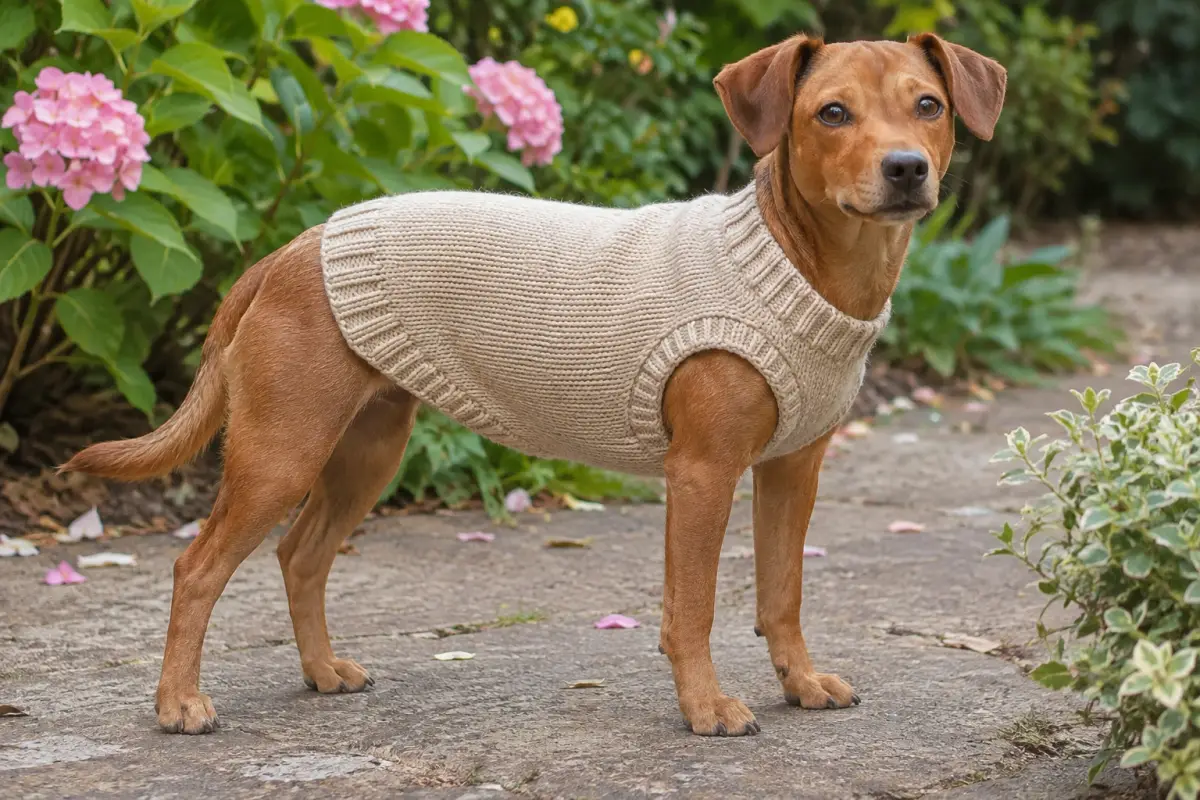
The warmest dog sweater is a close-fitting knit of wool or a wool blend, or fleece, that covers the chest and belly and fits by back length and chest girth. Sweaters matter most for small, short-coated, hairless, senior and puppy dogs. Healthy, thick-coated large breeds usually do not need one and can overheat.
By Matt GarnettUpdated November 10, 20263 min read2 sources
Which dogs need a sweater
Before you browse our dog sweaters, note that the AKC says the dogs that struggle most in the cold are small dogs, especially toy breeds, and dogs without thick fur, along with hairless breeds, puppies, seniors and shaved dogs. One AKC guide suggests considering a sweater or coat for a short-haired dog when the temperature drops below about 45 degrees Fahrenheit, factoring in wind chill.
Large, healthy, thick-coated breeds generally do not need sweaters, and the AKC warns they could overheat; a larger dog that does feel the cold can start with sweaters for large dogs. A Greyhound or Whippet with very little body fat and a thin coat is a different story; for them a sweater indoors in a cool house can be a genuine comfort.
Materials compared
Wool and wool blends are the warmest knit and stay warm when slightly damp, though pure wool may need hand washing. Fleece is warm, light, soft and machine washable, making it the practical everyday choice. Acrylic knits are cheap and easy to wash but less warm. Cotton sweaters suit cool rather than cold days.
For wet, snowy or windy weather, a water-resistant coat over or instead of a sweater keeps a dog warmer, because a soaked knit loses most of its warmth. Many owners keep one sweater for indoors and dry, cold days, and a coat for wet walks.
What makes a sweater fit well
Measure the back from the base of the neck to the base of the tail, the chest at its widest point behind the front legs, and the neck. Chest fit matters most: the sweater should be snug without restricting breathing or movement. The AKC says a sweater should let your dog move normally.
Look for leg openings that do not rub the armpits, a belly cut that clears the genitals so male dogs stay clean, and enough stretch to pull on without a fight. Deep-chested breeds such as Dachshunds and sighthounds often need breed-shaped sizing.
The best type for each dog
For toy breeds such as Chihuahuas, a soft fleece or wool-blend sweater with a turtleneck is the warmest choice. For sighthounds, a long-bodied sweater that covers the belly. For seniors, a warm, easy-on sweater with a wide neck or front fastening. For puppies, an inexpensive washable fleece they can grow out of without regret. For a short-coated big dog, a large dog sweater is the type to look at.
For dogs that hate having things pulled over their head, a wrap or step-in design that fastens around the chest is easier. Introduce any sweater gradually with treats. When you are ready, browse dog sweaters.
Safety, care and lifespan
Never leave a dog in a sweater unattended or in a crate, where it can snag or tangle, and take it off indoors if your dog pants or seems warm. The AKC cautions that clothing should never substitute for proper care in the cold; if it is too cold for you, it is probably too cold for your dog. Check under the sweater for rubbing or damp skin.
Wash sweaters regularly and dry them fully before use. Replace stretched or unraveling knits. If your dog shivers constantly, is lethargic or seems weak in the cold, warm it up and call your vet, as these can be signs of hypothermia.
Sweater fabrics and care checks
| Fabric | Physical form | Verify before choosing |
|---|---|---|
| Wool or wool blend | Knitted yarn with stated wool content | Exact composition and permitted washing |
| Fleece | A soft raised-pile fabric | Thickness,lining and washing instructions |
| Acrylic knit | Knitted synthetic yarn | Composition and care label |
| Cotton knit | Knitted cotton or a stated blend | Thickness,stretch and washing instructions |
Common questions
Do dogs really need sweaters?
Small, short-coated, hairless, senior and puppy dogs often benefit in cold weather. Healthy large breeds with thick coats usually do not and can overheat if dressed.
What are the warmest dog sweaters?
Close-fitting wool or wool-blend knits and thick fleece are the warmest. For wet or windy weather, a water-resistant coat keeps a dog warmer than a sweater alone.
How should a dog sweater fit?
Snug around the chest without restricting movement, long enough to cover the back to the base of the tail, with leg openings that do not rub and a belly cut that suits your dog.
Can my dog sleep in a sweater?
It is safer not to leave a sweater on overnight or unsupervised, because it can snag or make a dog overheat. Use a warm bed and blanket instead.
Sources we checked
This guide is general information, not veterinary advice. If your pet is unwell or injured, contact your veterinarian.


