Buying guides
Dog Sweater and Coat Size Chart: How to Measure Your Dog
Dog sweater and coat sizes are not standard, so the only reliable size chart is the one from the brand you are buying, read against your own dog's measurements. Take three with a soft tape: back length from the base of the neck to the base of the tail, the widest part of the chest, and the neck. Chest size usually decides the fit. Then check that your dog can walk, sit and lie down comfortably.
By Matt GarnettUpdated November 14, 20264 min read3 sources
Why there is no universal dog size chart
A medium in one brand can be a small or a large in another, and the AKC advises checking each brand's own size chart for exactly that reason. Some makers size by back length, some by chest girth, some by weight, and some print breed names next to each size. Breed labels are a rough starting point at best, because two dogs of the same breed can differ a lot.
So measure your dog rather than guessing from weight or breed. It takes two minutes, costs nothing and saves a return on dog sweaters and fleece coats alike. Keep the numbers on your phone, and remeasure puppies every few weeks and adult dogs whenever their weight or coat length changes, such as after a summer clip.
How to measure your dog for a sweater or coat
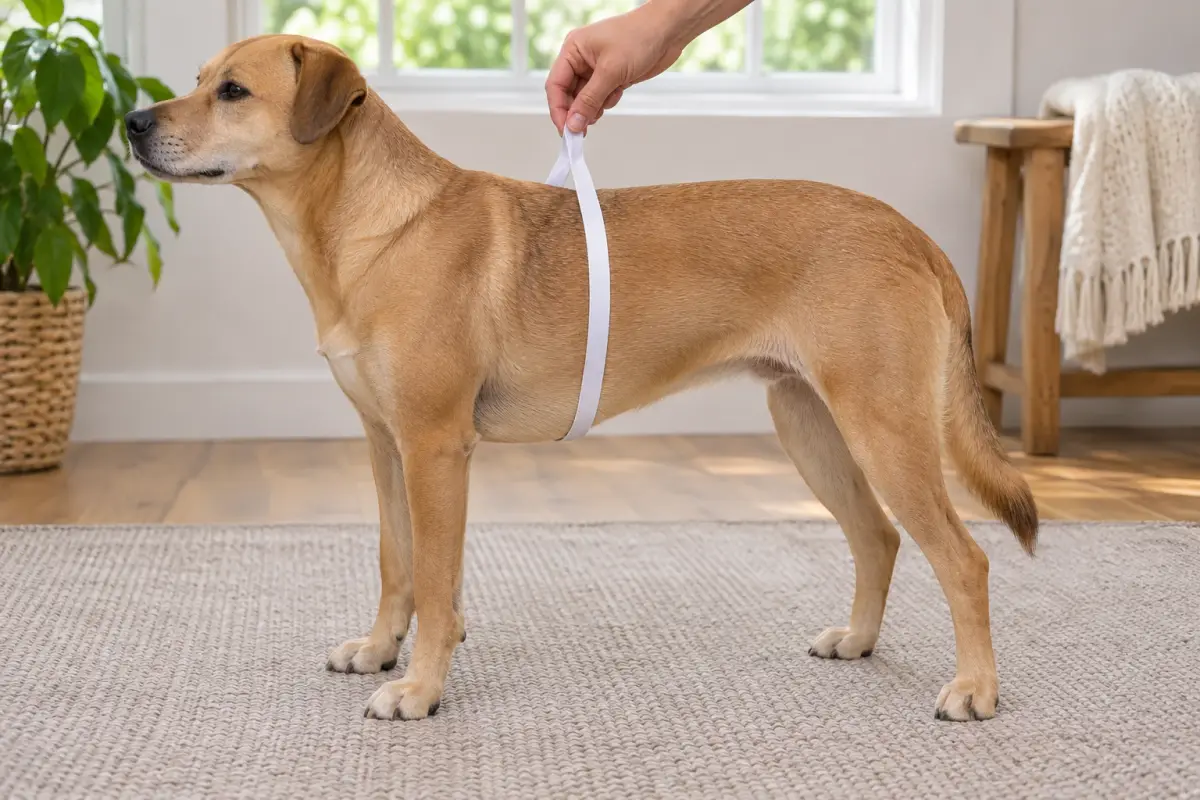
Step 1: Stand your dog square on all four feet, with the head up in a natural position. Step 2: Measure the back length with a soft tape from the base of the neck, where a collar sits, along the spine to the base of the tail. Step 3: Measure the chest around the widest part of the rib cage, just behind the front legs.
Step 4: Measure the neck around the area where a collar normally sits, leaving room for two fingers. Step 5: Write down all three and compare each with the brand's chart. The AKC names back length, chest circumference and neck size as the three measurements to take for a sweater, and body length and the widest part of the chest for a winter coat.
Which measurement matters most
Chest girth is usually the one to match first, because a coat that is too tight around the ribs restricts breathing and movement, while one that is too loose slides around. If your dog's chest fits one size and the back length fits another, most people choose by chest and accept a slightly short or long back, provided your dog can still move freely.
Neck size matters most for pull-over sweaters, which have to go over the head. If the neck opening is tight, the sweater will be a daily fight. Back length matters most for coverage: a coat that stops halfway along the back leaves the kidneys and hips exposed, while one that runs past the tail base can get soiled.
Fit problems by body type
Deep-chested, narrow-waisted dogs such as Greyhounds, Whippets and Italian Greyhounds often need a coat cut for sighthounds, because standard shapes that fit the chest are baggy at the waist. Long, low dogs such as Dachshunds and Basset Hounds need extra back length relative to chest size, and belly coverage, because their underside is close to snow and wet ground.
Broad-chested, short-backed dogs such as French Bulldogs and Bulldogs often fit the chest of one size and the length of a smaller one. Male dogs need a belly panel that stops short of the sheath. If your dog is hard to fit, look for adjustable straps or ask a groomer or pet store for help with a try-on. Cut matters too: a fleece coat and a fleece vest can fit the same dog differently, so check each product's own size chart.
How a dog coat or sweater should fit
Your dog should be able to walk, run, sit, lie down and relieve themselves normally while wearing it, a test the AKC sets out for both coats and sweaters. You should be able to slide two fingers under the chest and neck. Check the armpits, where seams can rub, and the area behind the front legs after the first few walks.
The AKC warns that a sweater too baggy can snag and trip a dog, and one too tight can restrict movement and cause injury. Never leave your dog alone in clothing, and take it off before your dog goes into a crate. Do not force clothes on a dog that clearly hates them: start with short, rewarded sessions indoors.
Does your dog actually need one?
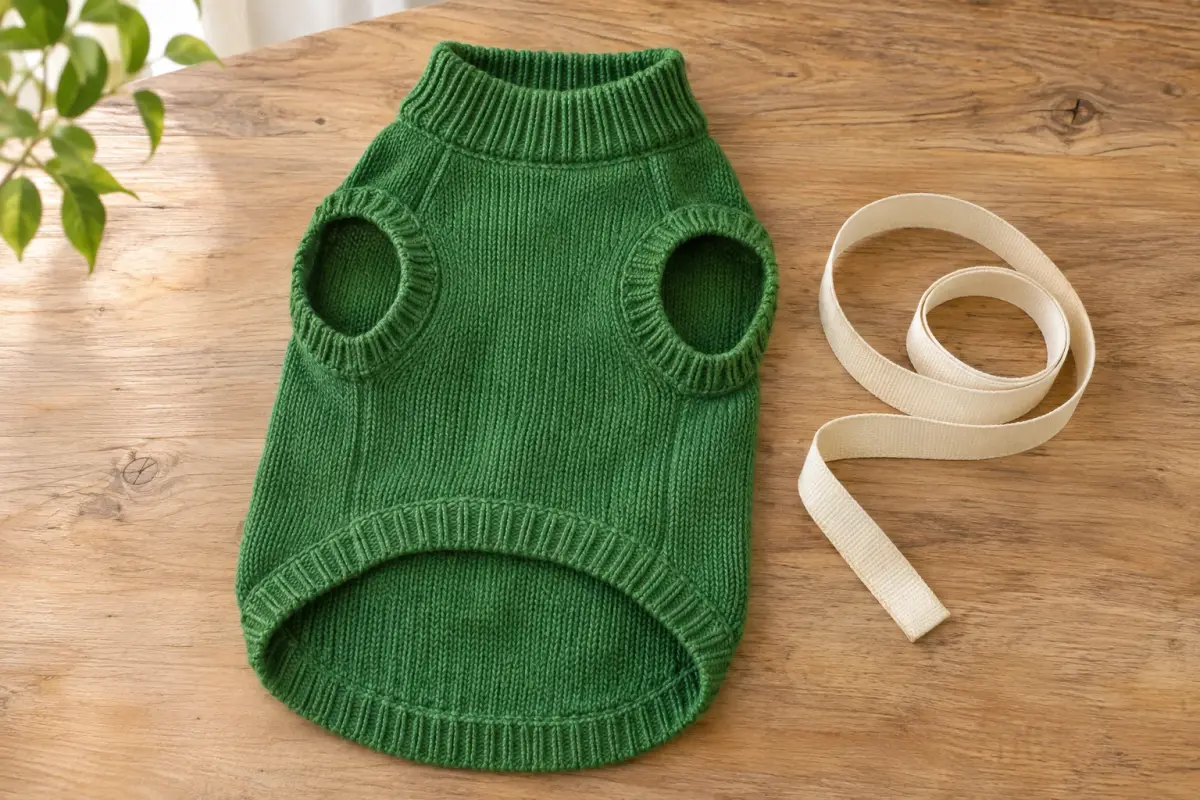
Small and toy breeds, hairless and short-coated dogs, lean sighthounds, low-slung breeds, dogs clipped short, puppies, seniors and dogs with arthritis are the ones the AKC says can benefit from a coat or sweater. Large dogs with thick double coats, such as Malamutes and Bernese Mountain Dogs, usually do not, and can overheat in one. For dogs that do need one, browse dog sweaters or fleece dog coats once you have your three measurements.
If you are not sure whether your dog needs extra warmth, or your dog has a skin condition that clothing might rub, ask your vet at the next checkup.
This page is general information, not veterinary advice, and it cannot replace an examination by the vet who knows your pet.
Common questions
How do I know what size sweater my dog needs?
Measure the back length, chest and neck with a soft tape and compare all three with the brand's own chart. Match the chest first, then check the back length gives enough coverage without passing the tail base.
Should a dog sweater be tight or loose?
Neither. It should be snug enough not to slide around but allow two fingers under the chest and neck, and your dog should be able to walk, sit and lie down normally.
What if my dog is between sizes?
Choose the size that fits the chest without squeezing, since a tight chest restricts breathing and movement. Adjustable straps or a stretchy knit can help a dog that sits between two sizes on a brand's chart.
Sources we checked
This guide is general information, not veterinary advice. If your pet is unwell or injured, contact your veterinarian.