







Dogs
Dog agility equipment
Little things. Happy tails.
26 items picked for everyday life with your pet, with shipping estimates on every item.
 A happy life, one little thing at a time.
All dogs toys & play →Dog toys →Snuffle mats →Interactive dog toys →Dog treat balls →Dog balls →Dog puzzle toys →Dog chew toys →Puppy teething toys →Herding balls →Dog puzzle feeders →Automatic ball launchers →Dog pools →
↗Tracked US shippingEstimates on every item↶Returns & refundsHow it works♡Here to helpTalk to Giddy Pets
All dog agility equipment
Little essentials. Lots of love.






A little guidance
Help choosing dog agility equipment
Buying guides and care advice written for this range: what to measure, what matters and what to skip.
From our guides
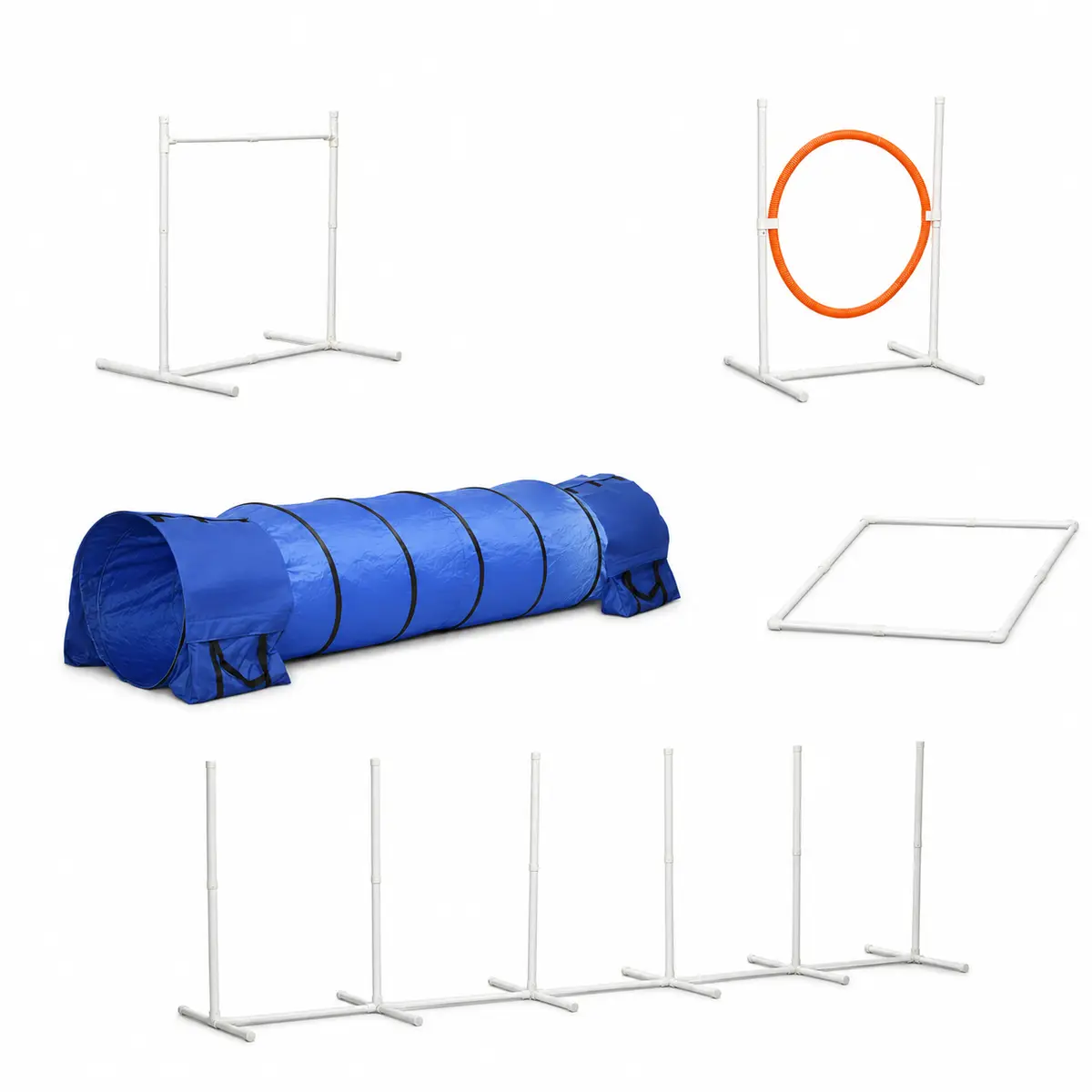
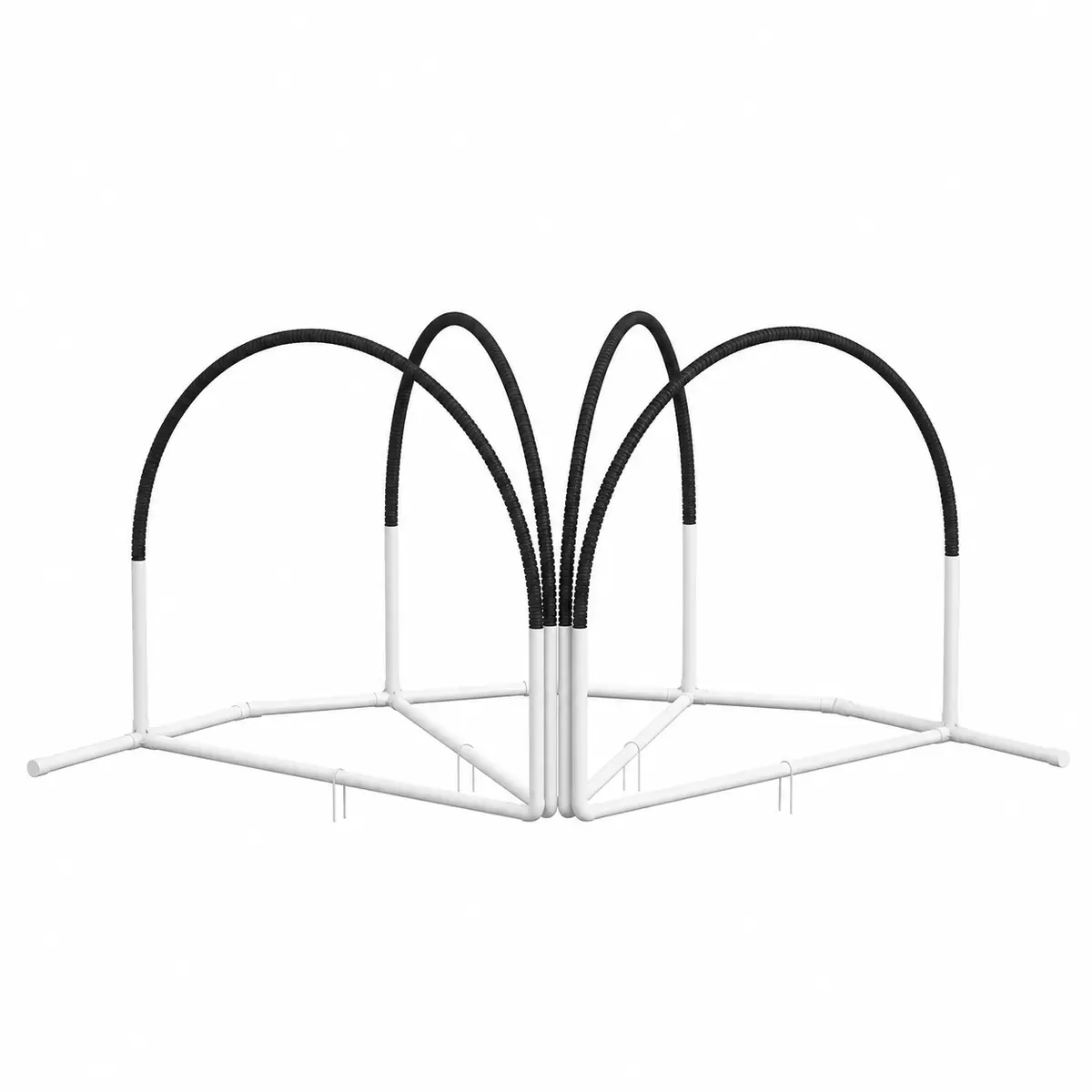
This page gathers dog agility equipment for home training: weave pole sets, adjustable jump bars with cones, agility tunnels, wooden seesaws, A-frame-style ramps with safety bars and non-slip surfaces, and starter kits that combine several obstacles in one obstacle course. They are for owners who want to build fitness, confidence and teamwork in the backyard, and for dogs heading toward agility classes. The guide below covers setting up safely and training young dogs.
Why try agility at home
Agility combines physical exercise with mental work and close teamwork. Dogs learn to listen for cues, read body language and navigate obstacles, which builds confidence and focus. Many high-energy breeds, such as Border collies, Australian shepherds and terriers, thrive on it, but dogs of all sizes enjoy the game.
A backyard set lets you practice a few minutes at a time, which is how dogs learn best. Even without competing, an agility course gives an active dog a satisfying outlet and can help shy dogs gain confidence as they master each obstacle.
Equipment on this page
Weave poles teach dogs to slalom through a line of upright poles. Adjustable jump bars rest on cones or stands and can be set low for beginners. Tunnels give dogs a fast, fun obstacle that most love from the start, and starter kits combine poles, jumps and a tunnel.
Wooden seesaws and ramps with safety bars and non-slip surfaces teach contact obstacles, where a dog must climb, balance and move with a moving board. These need the most careful introduction, because a seesaw that tips suddenly can frighten a dog.
Puppies and young dogs
Puppies can start foundation skills early, but jumping should wait. The AKC advises that puppies not be asked to jump at competitive heights until they are at least 12 to 15 months old, or older for giant and slow-maturing breeds, because growth plates are still open and can be damaged.
For young dogs, start with jump bars on the ground, walking through tunnels and simple body-awareness games. Raise heights gradually as your dog matures. Ask your vet when your dog's growth plates are likely to have closed, especially for large and giant breeds.
Setting up a safe course
Set up on flat, soft ground such as grass, and avoid concrete for jumps and weaves. Check the area for holes, stones and slippery spots. Anchor tunnels with sandbags or stakes so they do not roll, and make sure seesaws and ramps sit firmly on level ground.
Keep sessions short, about five to ten minutes, and warm up with a short walk first. Watch for limping, stiffness or reluctance, and stop if your dog seems sore. Avoid training in hot weather, and always provide water and shade.
Training tips
Teach one obstacle at a time with treats and praise. Lure your dog through a tunnel, then over a low bar, and reward heavily. For weave poles, start with the poles spread apart in two lines and gradually move them into a straight row.
Once your dog knows two or three obstacles, link them into short sequences. Keep the mood upbeat and stop while your dog is still keen. If you want to take it further, a local agility class can help you refine technique and introduce full-size equipment safely.
What agility equipment should I start with?
A tunnel and a set of low, adjustable jumps are an easy start, followed by weave poles. Starter kits combine these. Leave seesaws and contact obstacles until your dog is confident with the basics.
At what age can a puppy start agility?
Puppies can learn foundation skills and walk through tunnels early, but should not jump at full height until at least 12 to 15 months, or later for large and giant breeds. Ask your vet about timing.
Can any dog do agility?
Most healthy dogs can enjoy some form of agility at their own pace. Adjust jump heights and obstacles for size, age and fitness, and check with your vet first if your dog has joint problems.
How do I teach my dog weave poles?
Start with the poles in two offset lines so your dog walks straight through the gap, reward heavily, then gradually close the lines into a single row. Be patient; weaves take time.
Can I set up agility equipment in a small yard?
Yes. A tunnel, a couple of jump bars and a short set of weave poles fit in most yards. Arrange them in a simple line or loop, leave room to land after jumps, and keep the surface flat and free of hazards.