







Dogs
Dog treat balls
Playtime, all the time.
33 items picked for everyday life with your pet, with shipping estimates on every item.
 Toys worth getting excited about.
All dogs toys & play →Dog toys →Snuffle mats →Dog agility equipment →Interactive dog toys →Dog balls →Dog puzzle toys →Dog chew toys →Puppy teething toys →Herding balls →Dog puzzle feeders →Automatic ball launchers →Dog pools →
↗Tracked US shippingEstimates on every item↶Returns & refundsHow it works♡Here to helpTalk to Giddy Pets
All dog treat balls
Little essentials. Lots of love.







A little guidance
Help choosing dog treat balls
Buying guides and care advice written for this range: what to measure, what matters and what to skip.
From our guides
- Valentine's Day Dog Treats: What Is Safe and What to Avoid →
- Best Automatic Ball Launcher for Dogs: How to Choose One →
- Best Dog Balls: How to Choose a Safe Size and Material →
- Best Dog Treat Pouch: How to Choose One for Training →
- Best Dog Treats for Training: What Makes a Good One →
- Best Herding Ball for Dogs: What to Look For Before You Buy →
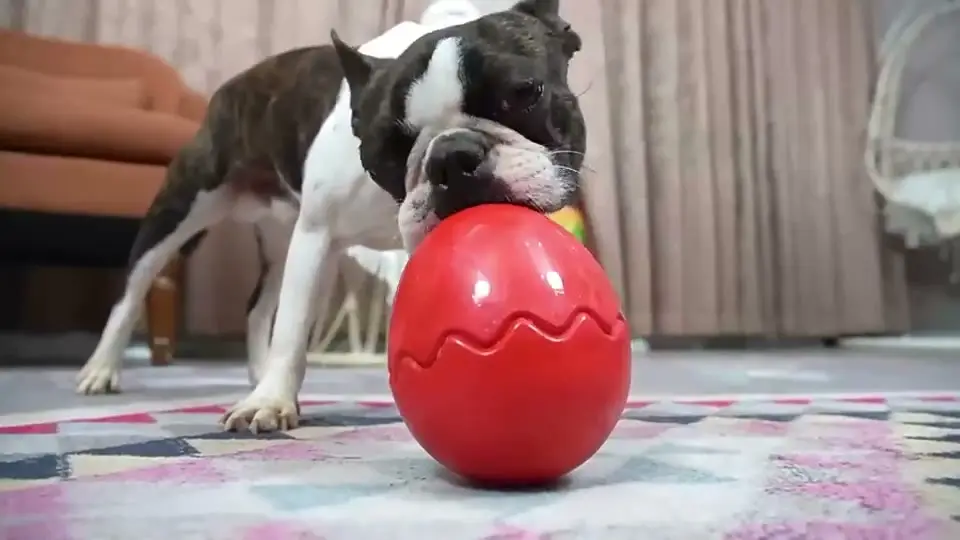
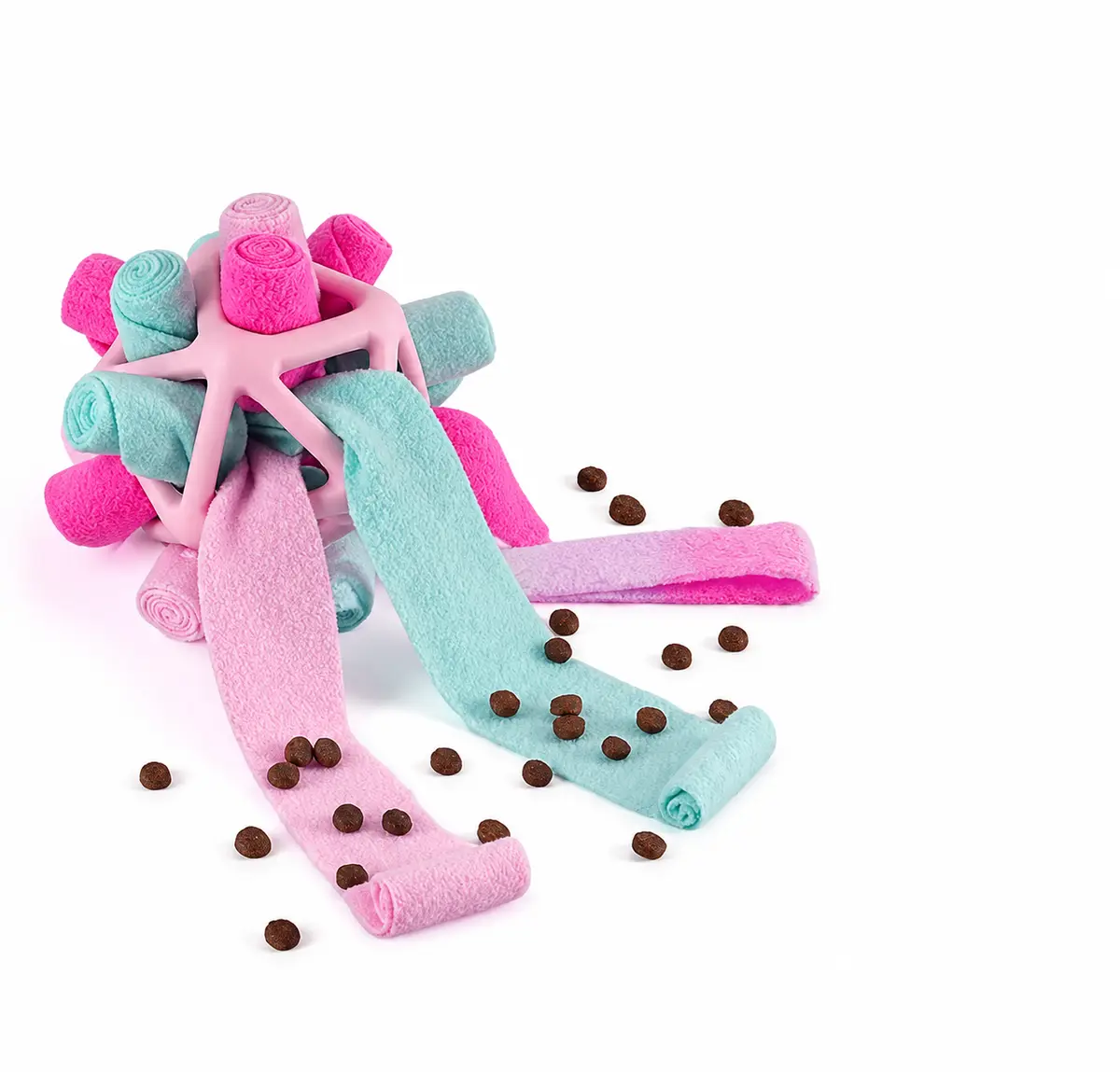
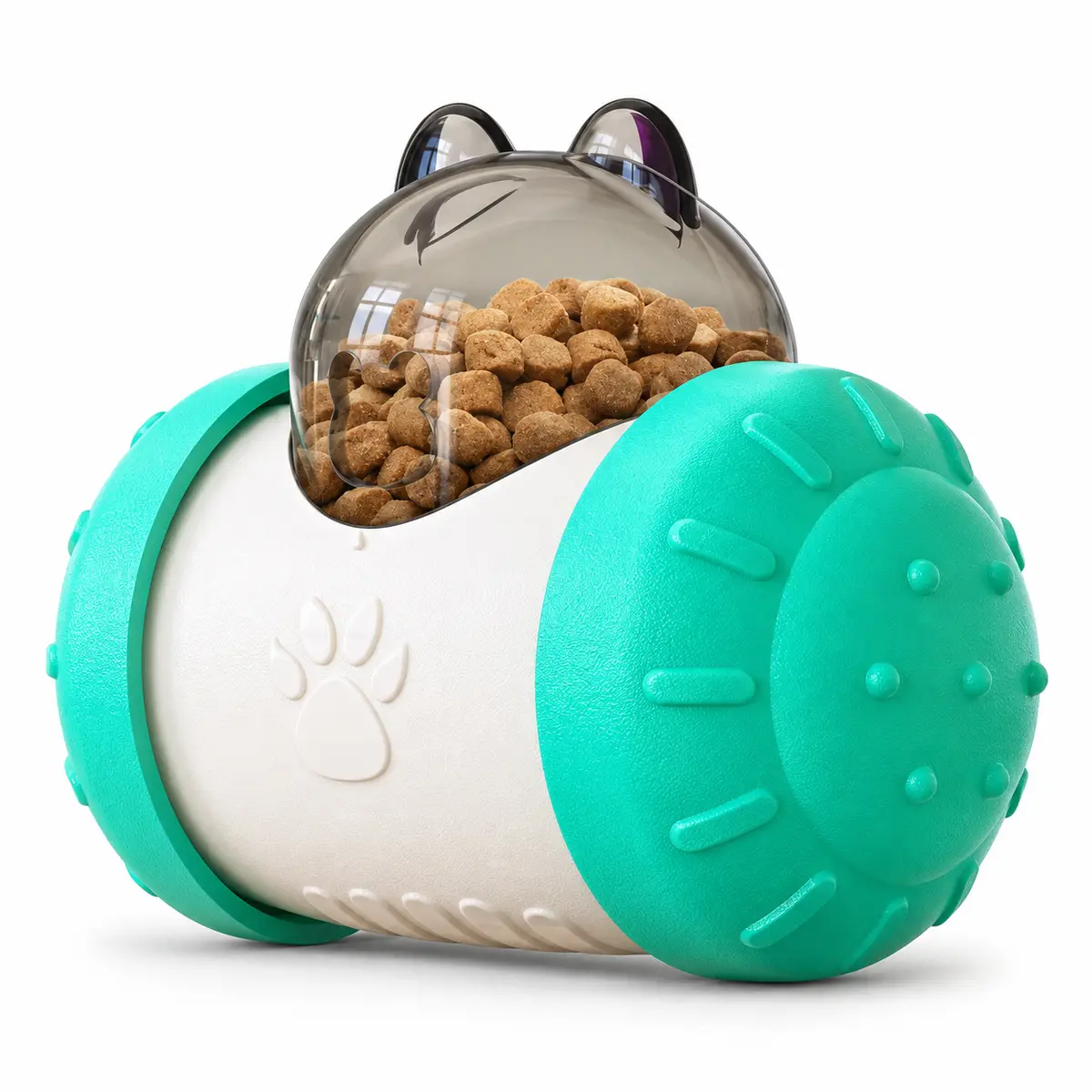
These are the treat-dispensing toys in our range: adjustable treat balls, durable rubber dispensers, a wobble carrot tumbler, slide and round puzzle feeders, a stuffable rubber chew bone, an interactive activity ball with cover, a treat launcher and a smart reward feeder. They are for food-motivated dogs, fast eaters and dogs that need something to do while you work or go out.
How treat toys keep dogs busy
Treat balls release kibble or small treats as the dog rolls, noses or paws them, so the dog earns its food a piece at a time. The American Kennel Club notes that puzzle toys with nooks and crannies prevent large gulps and range from flat puzzles to toys that dispense food while the dog plays.
That makes them useful both as enrichment and as a way to slow down a dog that wolfs its meals. Feeding part of the daily ration this way gives a bored dog a job.
Types in this range
Adjustable treat balls let you set how easily food falls out, so you can start easy and make it harder as your dog learns. Wobble tumblers rock back upright and drop treats as they tip. Slide puzzles hide treats under covers the dog learns to push aside.
Stuffable rubber chews can be filled with soft food or kibble and frozen, which keeps a dog occupied for much longer and suits chewers. Launchers and smart feeders add a fetch or reward element and suit dogs that like interactive games.
Choosing the right size and difficulty
Choose a ball or chew too large to fit fully in your dog's mouth. VCA Animal Hospitals advises against toys small enough to fit entirely inside the mouth, since they are a choking risk. Size up for large dogs and strong chewers.
Start every puzzle at its easiest setting so your dog succeeds quickly; a dog that cannot get food out quickly may give up or try to chew the toy open. Increase difficulty as your dog gets the idea.
Safety and cleaning
Supervise new toys until you know how your dog uses them, and retire any toy that is cracked, chewed or has loose parts; VCA advises replacing toys once rubber breaks. Rubber chews are the best choice for leaving with a dog; puzzles with sliding parts are better supervised.
Wash treat toys after every use, because food residue goes stale and grows bacteria. Most rubber toys can be scrubbed with hot soapy water or a bottle brush. Count food from treat toys as part of your dog's daily ration to avoid weight gain.
Treat toys for puppies, seniors and strong chewers
Puppies do best with simple, soft rubber dispensers and easy puzzles, which give a teething outlet and teach them that working for food is fun. Keep sessions short and stay close, since puppies chew anything they can.
Senior dogs often enjoy slide puzzles and gentle wobblers that work the brain without much running. Strong chewers need the firmest rubber dispensers in the range, sized up, and should not be left alone with puzzles that have small moving parts they could break off and swallow.
Treat-release mechanisms compared
| Mechanism | How food is presented | What changes the task |
|---|---|---|
| Adjustable treat ball | Food falls through an adjustable outlet | Opening setting |
| Wobble tumbler | Treats drop as the body rocks and tips | The rocking motion |
| Slide puzzle | Treats sit beneath movable covers | Which covers must move |
| Stuffable rubber toy | Food sits inside a fillable cavity | The filling and cavity shape |
| Launcher or smart feeder | A separate fetch or reward mechanism | The actual operating design |
Are treat balls good for dogs?
Yes. They slow eating and give mental exercise by making a dog work for its food. Choose one too big to swallow and supervise at first.
What can I put in a dog treat ball?
Your dog's regular kibble or small dry treats work best in balls. Stuffable rubber chews can take soft food, which you can freeze for a longer challenge.
Can I leave my dog alone with a treat toy?
Only with a tough rubber toy your dog has already used safely and cannot break apart. Keep puzzles with moving parts for supervised play. Stay in the room the first few times you use it.
How do I clean a treat dispensing toy?
Wash it after each use with hot soapy water and a bottle brush to remove food residue. Check whether the toy is dishwasher safe before using the machine.
Can treat balls help with separation anxiety?
A stuffed rubber chew or treat ball can keep a dog busy for the first minutes after you leave, which helps some dogs settle. Real separation anxiety needs a plan with your vet or a qualified trainer.
Are treat dispensing toys good for fast eaters?
Yes. Feeding kibble through a treat ball or puzzle breaks the meal into small pieces, which the American Kennel Club notes helps prevent large gulps. Use part of the daily ration so your dog does not gain weight.