Care & how-to
Valentine's Day Dog Treats: What Is Safe and What to Avoid
The safest Valentine's Day dog treat is one made for dogs, with ingredients you recognize, not a share of the holiday sweets. Chocolate is off-limits, sugar-free candy and baked goods can contain xylitol, and some baked items hide other dangers. This page explains what to avoid, how to read a label, and how to make the day special for your dog without a trip to the emergency vet.
By Matt GarnettUpdated November 13, 20264 min read3 sources
Why holiday sweets are the problem
February brings a spike in candy, baked goods and flowers in the house, and most of them are risky for dogs. The AKC says chocolate is absolutely off-limits for dogs because it contains caffeine and theobromine, which affect the heart and central nervous system. The ASPCA warns that all types of chocolate are potentially life-threatening to pets, and that its high fat content can lead to pancreatitis.
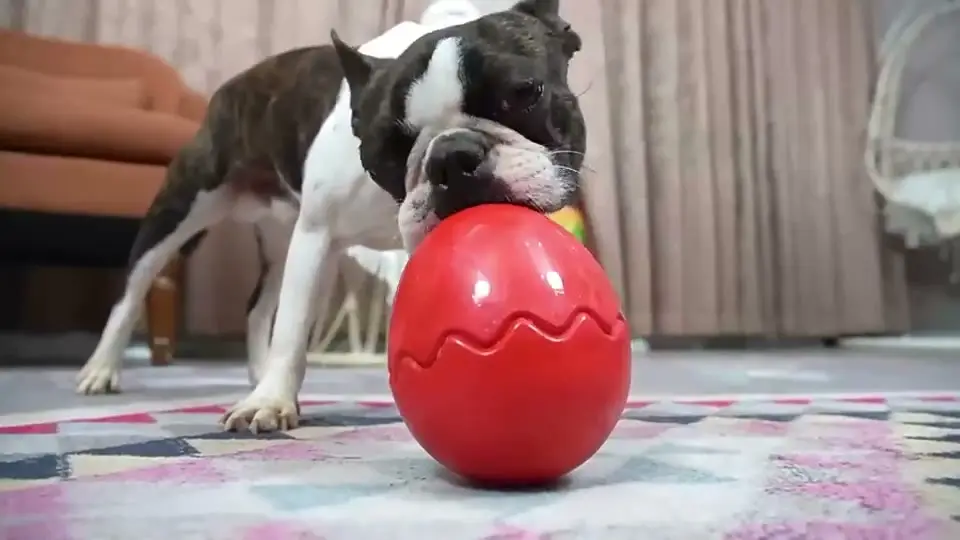
That is why the safest rule is to keep every sweet treat away from your dog. If you want to celebrate, choose something designed for dogs and give it separately, in a calm moment. Browse our dog treat balls if you want a way to make a regular dog treat last longer, and keep the human candy somewhere the dog cannot reach.
Chocolate: what to know
The AKC notes that unsweetened baker's chocolate is more dangerous than milk chocolate, ounce for ounce, and that the dog's weight matters. Symptoms can take more than six hours to appear, so a dog that looks fine right after raiding the candy box is not necessarily in the clear. Pet Poison Helpline describes theobromine as a chemical similar to caffeine that dogs do not tolerate well.
Licking a wrapper is probably harmless, according to the AKC, but eating several pieces may warrant an emergency vet visit. If your dog has eaten chocolate, call your veterinarian or an animal poison line right away, and do not wait for symptoms to appear. Do not try to work out a safe amount at home.
Xylitol hides in more places than candy
Sugar-free candy may contain xylitol, which the AKC says is toxic and can cause severe low blood sugar or liver failure. It also turns up in gum, mints, some peanut butter and some baked goods. The AKC lists weakness, vomiting and seizures as signs, and says they can begin within about 30 minutes or take more than 12 hours, depending on absorption speed.
The ASPCA says xylitol-sweetened candies and gums are unsafe and even deadly for dogs. Before you give any peanut butter or baked treat, read the ingredient list for xylitol, and skip any product that does not list its ingredients. When in doubt, choose a treat made for dogs.
Baked goods, flowers and wrapping
Cakes, cookies and muffins can contain chocolate, and the AKC adds that cinnamon can irritate the mouth and macadamia nuts are among the most dangerous foods for dogs. If you do not know what is in a baked item, keep it out of reach. Alcohol is harmful too, and the AKC recommends a no-alcohol policy around dogs.
Bouquets bring their own risks. The AKC names lilies, chrysanthemums and tulips as plants that can cause drooling, vomiting and diarrhea in dogs, and rose thorns can lodge in a paw or nose. Ribbons, tape, cellophane and balloon pieces are choking or obstruction hazards, so gather wrapping as soon as gifts are open and put out candles when you leave the room.
Safe ways to treat your dog
The AKC suggests giving your dog a special toy or treat, taking a long walk or cuddling on the couch. A plain dog treat in your dog's usual flavor is a safer choice than a human sweet, and a lick mat or puzzle toy can stretch a small portion into a longer activity, as can a treat ball. Read the label for xylitol and cap treats to a small share of the day's food, as your vet advises.
Teaching a solid leave-it cue helps too, because it gives you a way to stop your dog grabbing something dangerous. Practice it with low-value items first, reward every success, and keep it up before the holiday. A dog that responds to leave-it is far safer around a coffee table full of candy.
If your dog eats something dangerous
Call your veterinarian or the nearest emergency vet immediately if you suspect your dog has eaten chocolate, xylitol, alcohol, macadamia nuts or a bouquet. You can also call ASPCA Animal Poison Control at (888) 426-4435 or Pet Poison Helpline at (855) 764-7661; a consultation fee may apply. Have the packaging, your dog's weight and the time of eating ready.
Post an emergency vet's number where the family can see it before the holiday, as the AKC advises, and keep the helpline numbers on your phone. Waiting for symptoms costs time, so make the call early.
This page is general information, not veterinary advice, and it cannot replace an examination by the vet who knows your pet.
Common questions
Can dogs have chocolate on Valentine's Day?
No. The AKC says chocolate is absolutely off-limits for dogs because of caffeine and theobromine. Call your vet or a poison helpline if your dog eats any.
What Valentine's Day treat can I give my dog?
Choose a plain treat made for dogs, check the label for xylitol, and consider the AKC's suggestions of a special toy, a long walk or time cuddling on the couch.
Is peanut butter safe for dogs on Valentine's Day?
Only if it contains no xylitol. The AKC notes some peanut butter contains it, so read the ingredient list and skip any product that does not clearly list its contents.
Are Valentine's flowers dangerous for dogs?
Some are. The AKC names lilies, chrysanthemums and tulips as plants that can cause vomiting and diarrhea, and rose thorns can injure a paw or nose, so keep bouquets out of reach.
Sources we checked
This guide is general information, not veterinary advice. If your pet is unwell or injured, contact your veterinarian.