Care & how-to
How to Clean Dog Toys: Plush, Rubber, Rope and More
Most dog toys clean up with warm water and a mild, fragrance-free soap, followed by a thorough rinse and full drying. Rubber and silicone toys can be scrubbed or, if the label allows, run through the dishwasher. Plush and rope toys can usually go in the washing machine on a gentle cycle. Clean toys at least weekly, more often for food toys, and throw away anything broken or falling apart rather than washing it.
By Matt GarnettUpdated November 9, 20264 min read3 sources
How often to clean dog toys
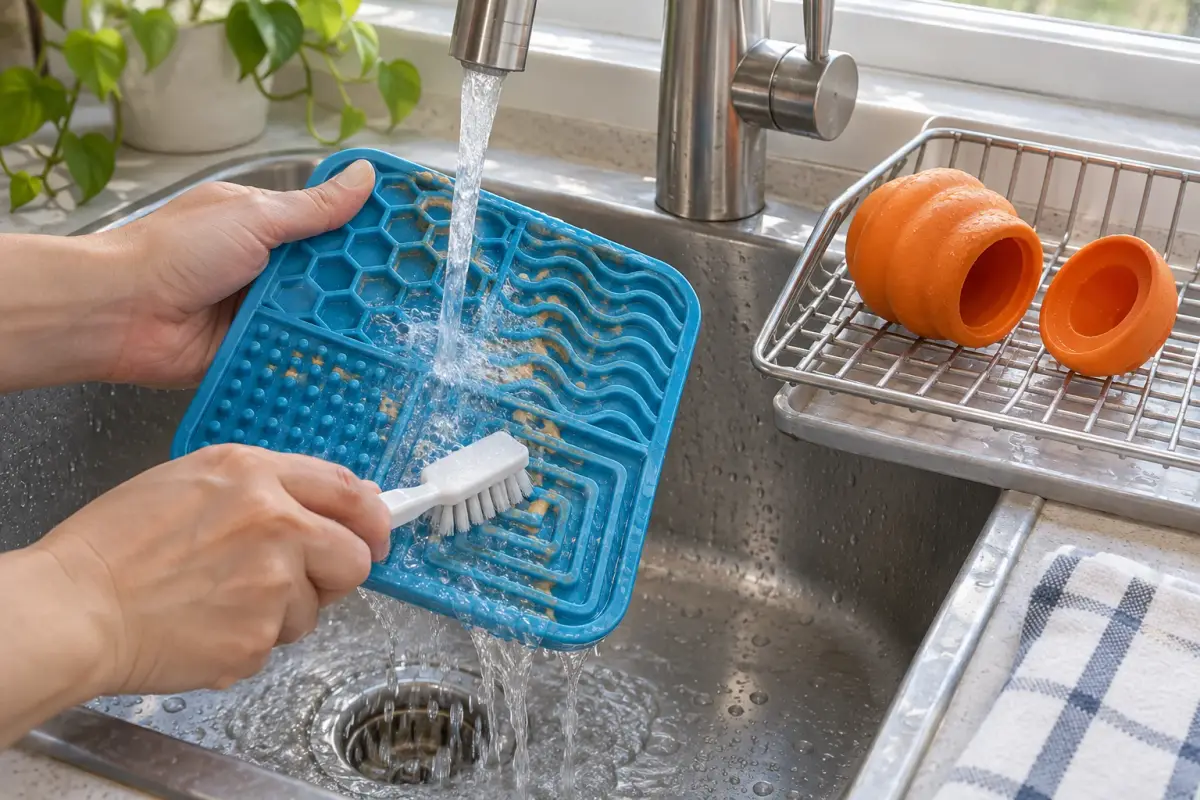
Toys that hold food, such as stuffed rubber toys, lick mats and puzzle feeders, should be washed after every use, because leftover food spoils quickly. The AKC advises cleaning lick mats after each use with warm soap and water. Everyday chew and fetch toys need a wash roughly once a week, or whenever they are visibly dirty or have been outside.
Wash toys more often if your dog has been sick, after a trip to a dog park or daycare where toys are shared, or if you have a puppy or a dog with a weak immune system. The AKC's home cleaning guide also suggests a yearly audit of all your dog's gear, which is a good moment to throw out tired toys. If you are replacing worn toys, our dog toys are a place to start.
Rubber, silicone and hard plastic toys
Step 1: Rinse off drool and food. Step 2: Scrub inside and out with warm water, a little mild dish soap and a bottle brush for hollow toys, which the AKC notes take some finagling to clean inside. Step 3: Rinse very thoroughly so no soap is left. Step 4: Dry completely, standing hollow toys upside down so water drains.
Some food-grade silicone toys and lick mats are dishwasher-safe, the AKC says, usually on the top rack. Check the product description before boiling or dishwashing, because heat can warp or melt some materials. Replace rubber toys with cracks, punctures or jagged edges, which trap bacteria and can cut gums. A silicone slow feeder lick mat is one example of a toy with care instructions worth checking before you reach for the dishwasher.
Plush and soft toys
Step 1: Check the toy for holes and loose seams first, and remove any squeaker that has come loose, or throw the toy away. Step 2: Put plush toys in a mesh laundry bag or pillowcase. Step 3: Machine wash on a gentle cycle with warm water and a small amount of fragrance-free, pet-friendly detergent. Step 4: Rinse twice if you can.
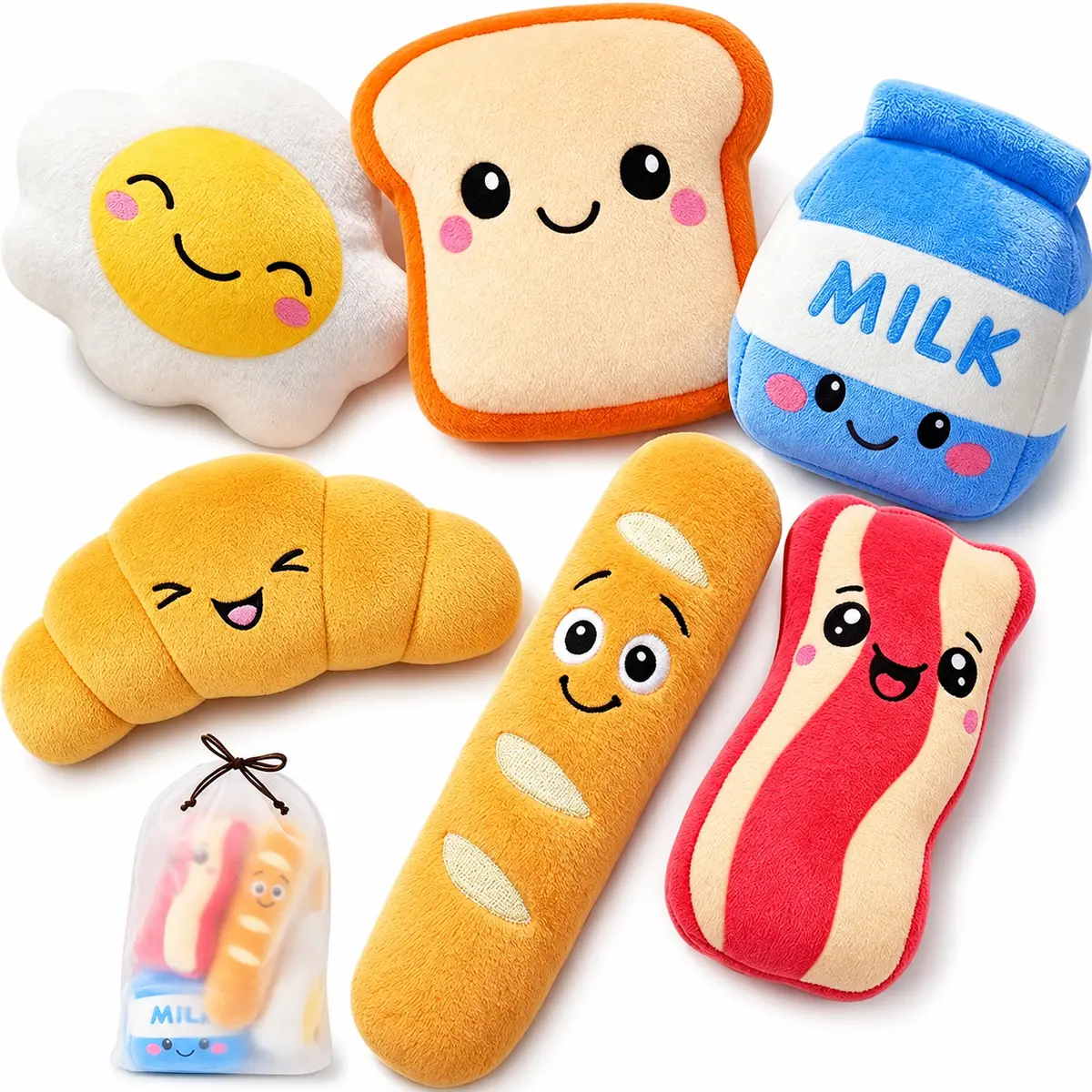
Step 5: Air dry, or tumble dry on low if the label allows, until completely dry inside, because damp stuffing can grow mildew. Squeeze the toy to check it is dry all the way through. If the stuffing is showing, VCA advises retiring the toy rather than washing it again. Fabric toys such as a squeaky plush dog toy are the ones most likely to need this check.
Rope and fabric tug toys
Rope toys hold a lot of drool and dirt. Soak them in warm, soapy water, then machine wash on a gentle cycle, or hand wash and scrub. Rinse well and let them dry completely, which can take a day or more for thick ropes, so hang them somewhere airy. Damp rope can smell musty and grow mold.
Check rope toys every time you clean them. VCA says to retire a toy once the rope frays. Loose strands are a swallowing hazard, so a frayed rope should go in the trash, not back to your dog.
What to avoid when cleaning toys
Avoid strong scented detergents, fabric softeners and harsh cleaning chemicals, which can irritate your dog's mouth and skin. The AKC recommends pet-safe products and, where you use a diluted disinfectant on gear, a final wipe with plain water to reduce chemical exposure. Never leave disinfectant residue on a toy your dog will chew.
Do not wash a toy that is already broken. The AKC's cleaning guide says to toss any toy that is broken or potentially dangerous, and the ASPCA says to discard worn durable chews. Cleaning does not make a damaged toy safe. When a toy is past saving, replace it with a new one from our dog toys.
When a dirty toy could be a health issue
If your dog has diarrhea, vomiting, a cough or a skin infection, wash or replace their toys and bedding, and keep them away from other dogs' toys until your vet says they are well. Ask your vet for cleaning advice for specific infections.
If your dog has eaten part of a toy, call your vet straight away rather than waiting.
This page is general information, not veterinary advice, and it cannot replace an examination by the vet who knows your pet.
Common questions
Can I put dog toys in the dishwasher?
Some rubber and food-grade silicone toys are dishwasher-safe, usually on the top rack, but check the label first. Heat can warp some materials, and plush or rope toys should never go in the dishwasher.
Can you wash dog toys in the washing machine?
Yes, most plush and rope toys can go in on a gentle cycle with a small amount of fragrance-free detergent. Use a mesh bag, rinse well and dry them fully before giving them back.
How do I disinfect dog toys?
Wash first with soap and water. If you use a pet-safe diluted disinfectant, rinse the toy thoroughly afterward with plain water so no residue is left, and dry completely before your dog uses it.
Sources we checked
This guide is general information, not veterinary advice. If your pet is unwell or injured, contact your veterinarian.