Buying guides
Best Dog Treat Pouch: How to Choose One for Training
The best dog treat pouch opens and closes with one hand, sits on your hip where you can reach it without looking, and has a washable or removable liner. Hinged or magnetic openings beat drawstrings for speed. Choose a belt, clip or crossbody style by how you train, and a size that holds a session's worth of small treats. Fast delivery of rewards is what makes positive training work.
By Matt GarnettUpdated November 10, 20264 min read2 sources
What matters most: fast, one-handed access
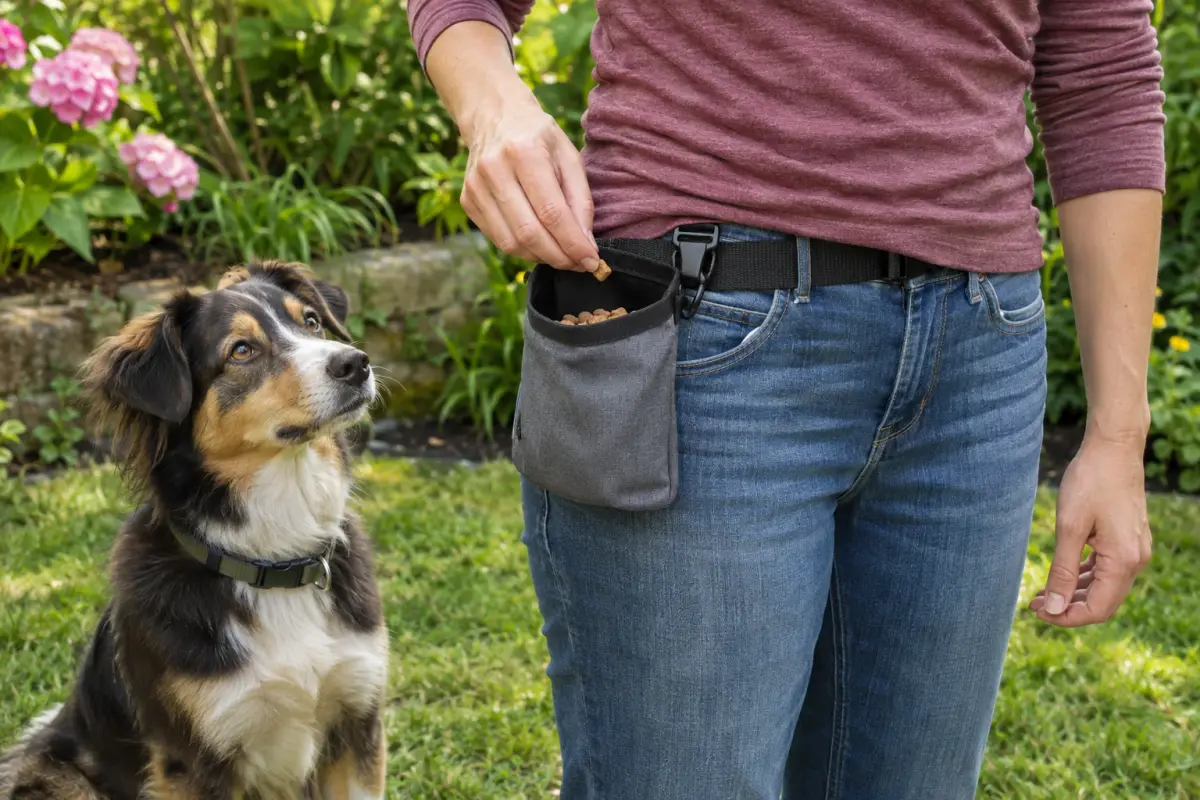
Reward-based training depends on timing: the treat should arrive within a second or two of the behavior you want. The AKC's mealtime training advice shows how many small rewards a single session can use. A treat pouch that you can open, grab from and close with one hand, while the other holds the leash, is what makes that timing possible.
Hinged openings that snap shut, magnetic closures and spring-loaded mouths are fastest. Drawstrings are secure but slow. The pouch should stay open while you reach in and close by itself afterward, so treats do not spill when you bend down or your dog jumps up.
Belt, clip and crossbody styles compared
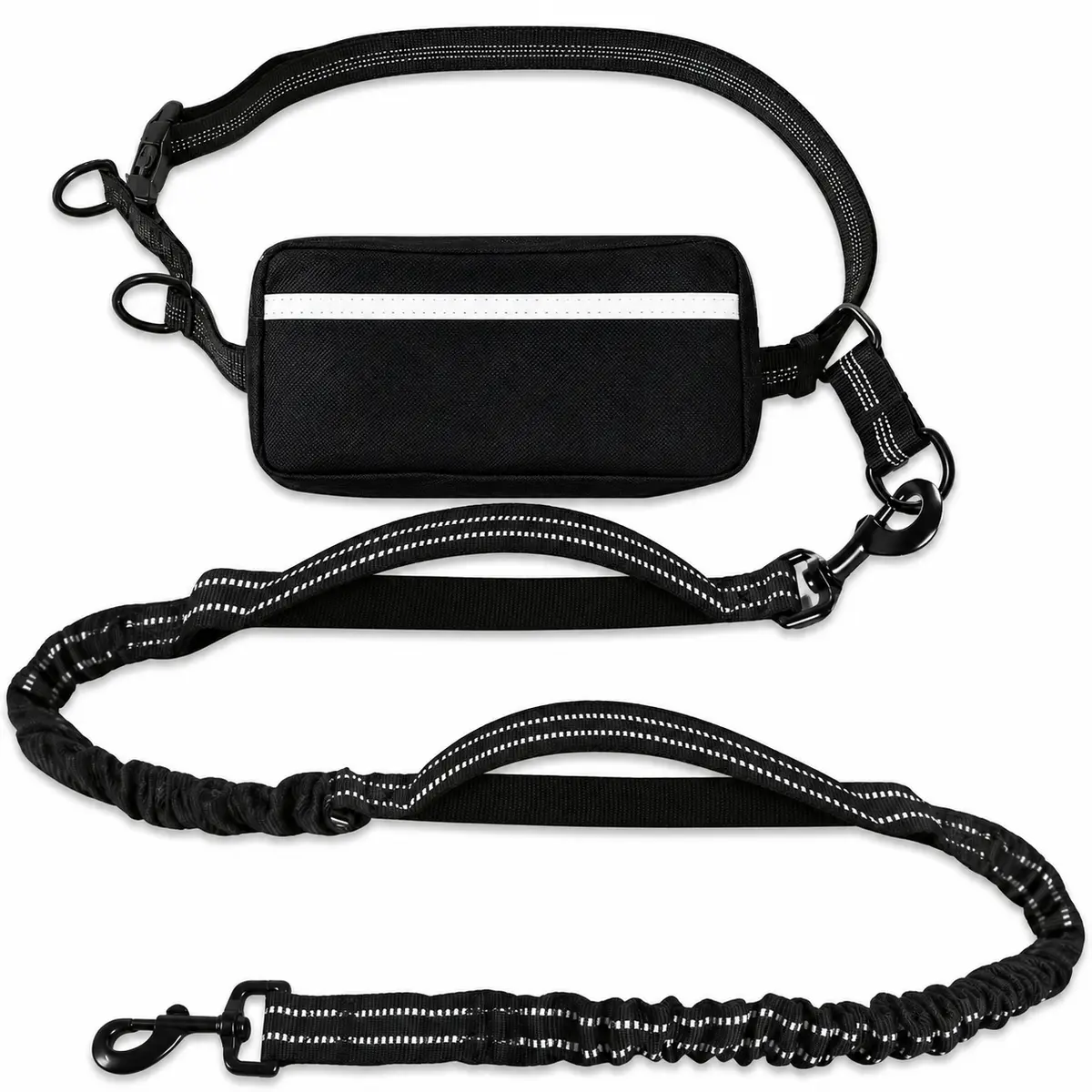
Clip-on pouches attach to a waistband or pocket. They are quick to put on but can slip or tip over. Belt pouches sit on an adjustable waist strap and stay put during long sessions and runs, which suits sport and class training. Crossbody or shoulder bags hold more and suit long walks, though they swing more.
Some pouches add extra pockets for keys, phone and clicker, a built-in poop bag dispenser and a loop for a leash. Silicone pouches are small, easy to wash and good for wet treats, but hold less. Fabric pouches with a removable liner are the most versatile.
Best pouch for each use
For puppy classes and home training, a hinged-opening pouch on a belt or clip, large enough for a cup of small treats. Our range includes training snack bags, a portable training snack bag and a snack feeder training tool. For daily walks, a pouch with a poop bag dispenser and a pocket for keys. For agility and sport, a belt pouch that stays flat when running and does not swing.
For wet or soft treats such as cheese or chicken, a silicone pouch or a pouch with a waterproof, washable liner. For a dog that mugs pockets, a pouch with a magnetic closure it cannot nose open. For small hands or children training a family dog, a small, light silicone pouch.
What to avoid
Avoid pouches that do not stay open while you reach in, or that need two hands. Avoid unlined fabric for soft treats, which leaves grease and odor that never washes out. Avoid huge pouches that encourage over-rewarding with large treats; small, pea-sized rewards keep sessions going without overfeeding.
Count training treats in your dog's daily food, or use part of its kibble as rewards. If your dog gains weight during a busy training period, reduce meals slightly, and ask your vet for a calorie target if needed.
Capacity and fit
A pouch that holds around one cup of small treats suits most sessions. Larger pouches suit long hikes or class days. Check the depth: your hand should reach the bottom easily without the pouch tipping. A wide mouth makes grabbing one treat easier than a narrow one.
Wear the pouch on the side opposite the leash hand, usually the right if you walk your dog on the left. Adjust the belt so the pouch sits at hip height; too low and it swings, too high and it is awkward to reach.
Care and lifespan
Empty the pouch after each session and wipe or wash the liner, especially after soft treats, which spoil quickly. Many fabric pouches are machine washable; silicone pouches can go in the dishwasher. Dry fully before refilling.
Replace a treat pouch when the hinge or magnet weakens, the clip loosens or the fabric holds odor after washing. A good pouch lasts a year or more of daily training.
If a pouch starts to smell even after washing, the liner has absorbed grease and should be replaced, or the whole pouch retired. Pair your pouch with our guides to clicker training a dog, leash training a puppy and crate training a puppy, and the best dog training treats.
Treat-pouch carry and cleaning layouts
| Layout | Physical arrangement | Inspect before purchase |
|---|---|---|
| Clip-on | A clip attaches to clothing | Clip position and closure |
| Waist belt | Pouch sits on a waist strap | Belt adjustment and pouch opening |
| Crossbody | A bag hangs from a shoulder strap | Strap range and pocket access |
| Silicone body | A molded food compartment | Closure and cleaning instructions |
| Fabric with liner | A fabric body with an internal liner | Whether the liner removes and washes separately |
Common questions
Do I need a treat pouch for dog training?
It helps a lot. Fast, one-handed access to rewards improves timing, which makes training quicker, and keeps treats out of your pockets. It also stops treats crumbling in your coat pockets.
What is the best treat pouch for wet treats?
A silicone pouch or a fabric pouch with a waterproof, removable liner. Wash it after each session, since soft treats spoil quickly. Choose a liner you can take out and scrub.
Is a belt or clip treat pouch better?
Belt pouches stay in place during long sessions and runs. Clip pouches are quicker to put on for short sessions but can slip. Pick the style that stays put for how you train.
How big should training treats be?
Pea-sized or smaller, so your dog eats them in a second and you can reward often without overfeeding. Count them in the daily food. Soft, smelly treats work best for hard lessons.
Sources we checked
This guide is general information, not veterinary advice. If your pet is unwell or injured, contact your veterinarian.