Training & behavior
How to Leash Train a Puppy
To leash train a puppy, start indoors with a comfortable harness and a light 6-foot leash, reward your puppy for staying near you and checking in, and add a cue such as 'let's go' as you walk together. Stop whenever the leash goes tight and move on only when it is slack. Keep sessions short and fun, move outside gradually, and avoid retractable leashes while your puppy is learning.
By Matt GarnettUpdated November 9, 20263 min read2 sources
Gear for leash training a puppy
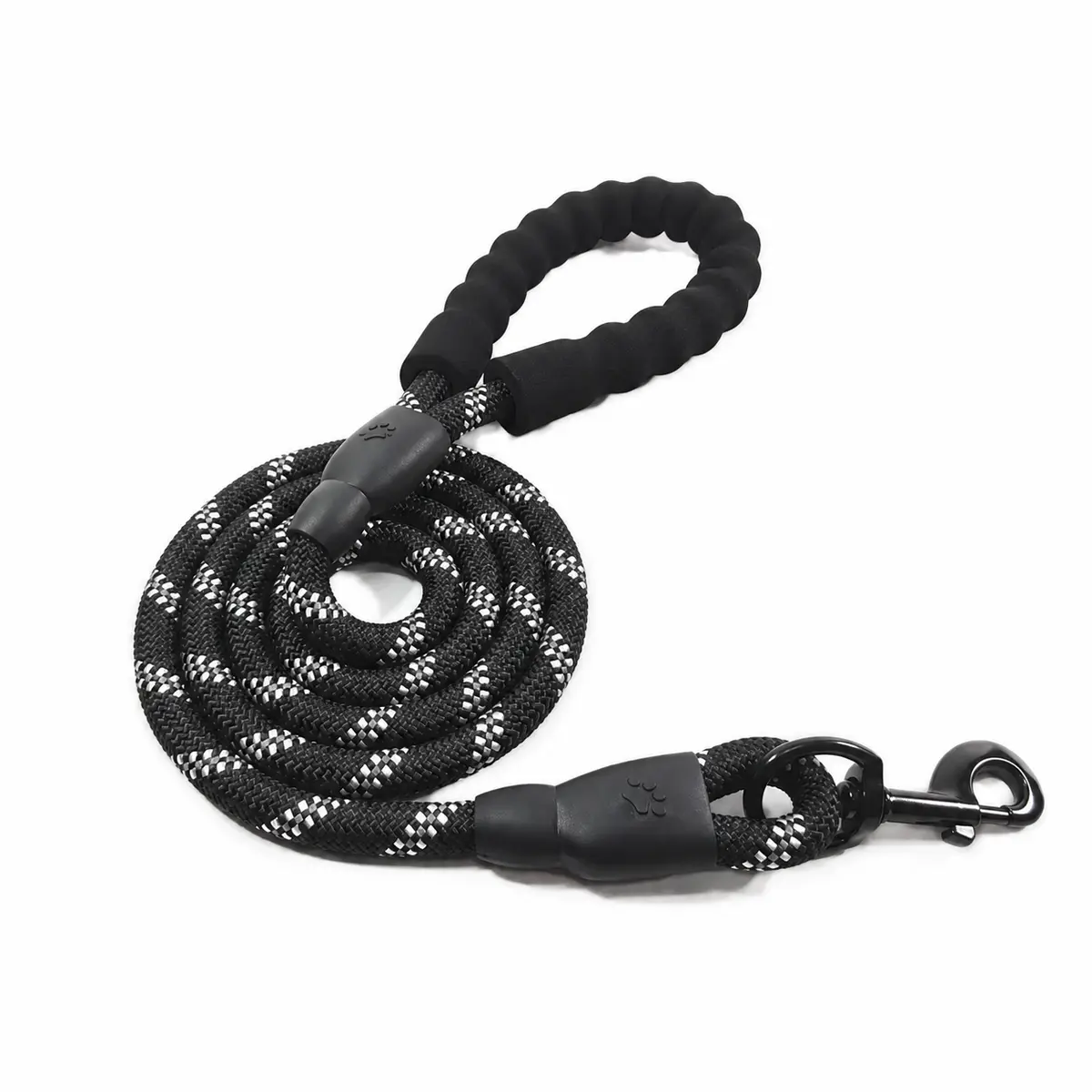
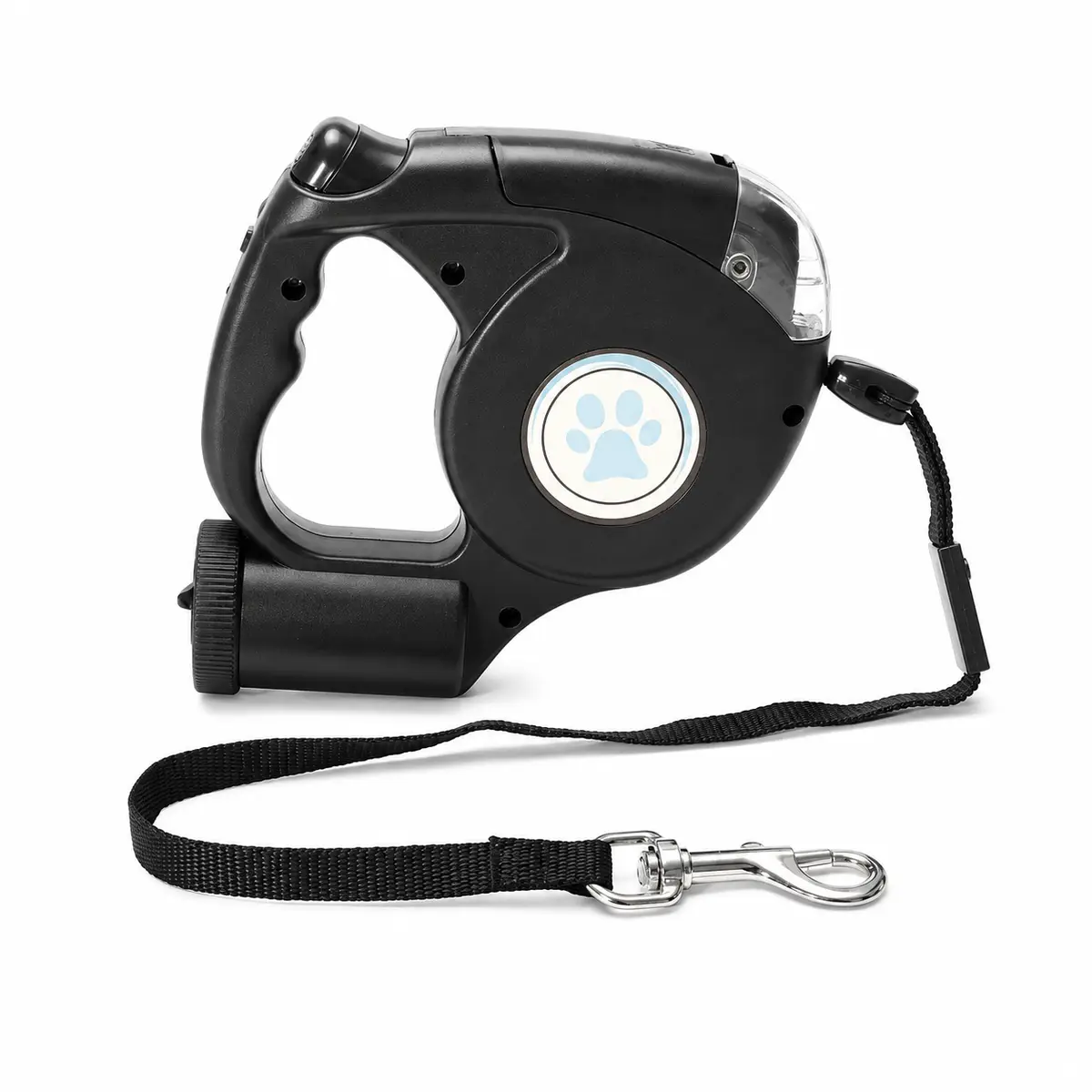
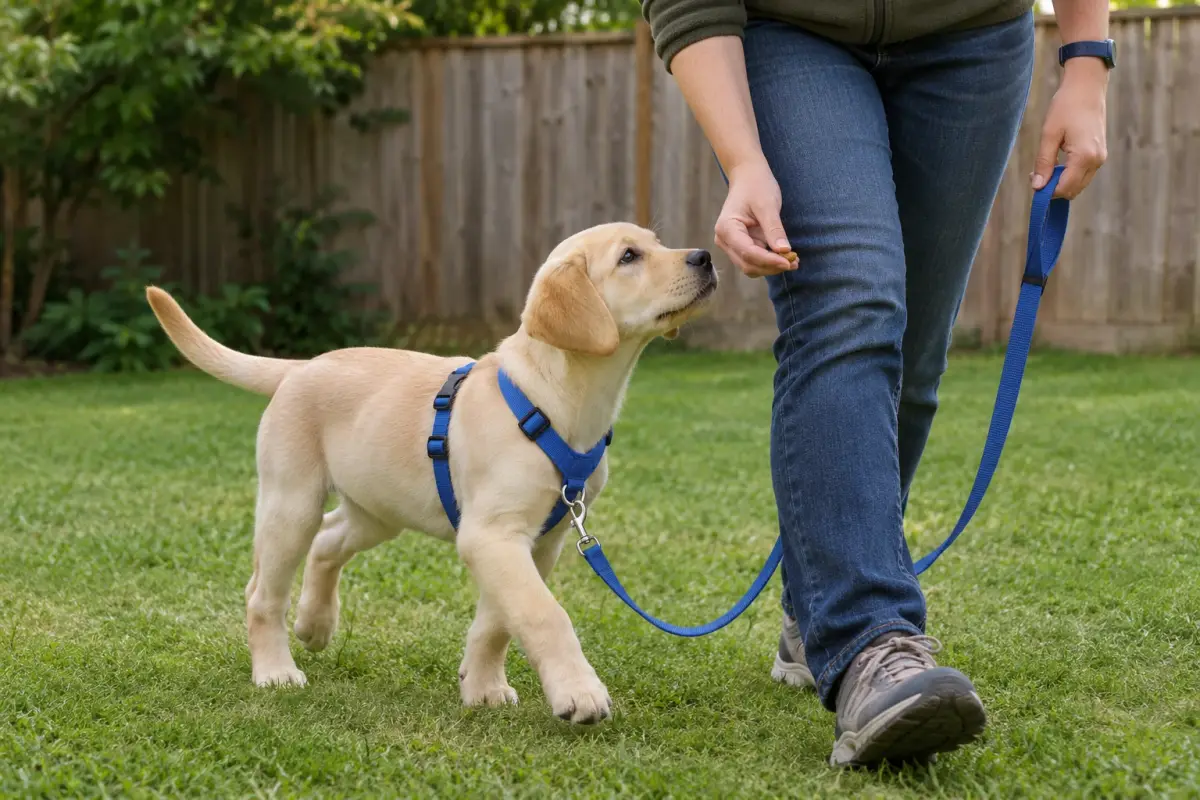
Use a well-fitted puppy harness, which keeps pressure off a young puppy's neck, or a flat collar if your puppy is comfortable in one. For larger puppies prone to pulling, a front-clip harness helps steer. Pair it with a lightweight 6-foot puppy leash; retractable leashes teach puppies that pulling earns more freedom.
Bring lots of small, soft training treats, and optionally a clicker. Let your puppy get used to the harness first by putting it on for a few minutes during meals or play, rewarding calm, so it is happy to wear it before you ever attach the leash. A treat pouch on your hip keeps the rewards within reach on walks.
Step 1: Start indoors
Begin inside, where there is little to distract your puppy, before it has had all its vaccinations or started outdoor walks. Teach a marker: say 'yes' or click, then give a treat, until your puppy perks up at the sound.
Clip on the leash and let it drag or hold it loosely. Mark and reward whenever your puppy looks at you or stays close. This teaches that being near you, on a loose leash, is where the good things happen.
Step 2: Teach walking beside you
Stand with your puppy at your side and reward it at your knee or hip. Take one step, and reward as your puppy catches up. Add a cue such as 'let's go' or 'with me' as you start moving, and mark and reward every few steps at first.
Gradually space out the treats as your puppy improves. Change direction often, saying 'this way' before you turn, and reward your puppy for following. If it races ahead, turn the other way, call it cheerfully, and reward it when it catches up.
Step 3: What to do when the leash goes tight
The moment the leash tightens, stop and stand still. Wait for your puppy to look back or step toward you so the leash slackens, then mark, reward and walk on. You can also say your puppy's name when it reaches the end of the leash and reward it for turning back.
Never jerk or yank the leash. Expect many stops at first; consistency is what makes it work. Letting pulling pay off now and then, even when you are in a hurry, slows progress, so on rushed days use a harness and keep walks short.
Step 4: Take it outside
Move outside in small steps: your yard or a quiet sidewalk first, at quiet times of day, with higher-value treats. The outdoors is full of smells and sounds, so expect your puppy to find it harder at first and lower your expectations.
Mix structured practice with sniffy walks, where your puppy can explore on a loose leash and choose the direction. Sniffing is enriching and tiring. If your puppy chews the leash, offer a treat, cue 'drop', reward, and redirect to a toy.
If your puppy refuses to walk
Some puppies plant their feet and refuse to move. They may be overwhelmed, tired, unsure of the harness, or simply too young for long walks. Go back indoors or to a quiet spot, keep sessions very short, and reward every step forward. Carry a young puppy part of the way to see the world without the pressure.
If your puppy limps, seems sore or refuses to walk suddenly, check with your vet, because pain can be the reason. Keep walks short for young puppies and avoid hot pavement.
This page is general information, not veterinary advice, and it cannot replace an examination by the vet who knows your pet.
Common questions
When should I start leash training my puppy?
Start as soon as your puppy comes home, indoors. You do not need to wait for vaccinations to practice inside or in your own yard, though ask your vet before walking in public places.
How long does it take to leash train a puppy?
Most puppies get the basics within a few weeks of short daily sessions, but reliable loose leash walking around distractions can take months. Keep practicing in short, fun sessions.
Should I use a collar or harness to leash train a puppy?
Many trainers prefer a harness for puppies because it avoids neck pressure, with a front-clip style for strong pullers. A flat collar can carry ID tags alongside it.
Why does my puppy bite the leash?
Leash biting is often play or frustration. Keep the leash with less slack, carry a tug toy to redirect, and reward your puppy for letting go. Short sessions help.
Sources we checked
This guide is general information, not veterinary advice. If your pet is unwell or injured, contact your veterinarian.