







Dogs
Puppy harnesses
Better walks, every day.
5 items picked for everyday life with your pet, with shipping estimates on every item.
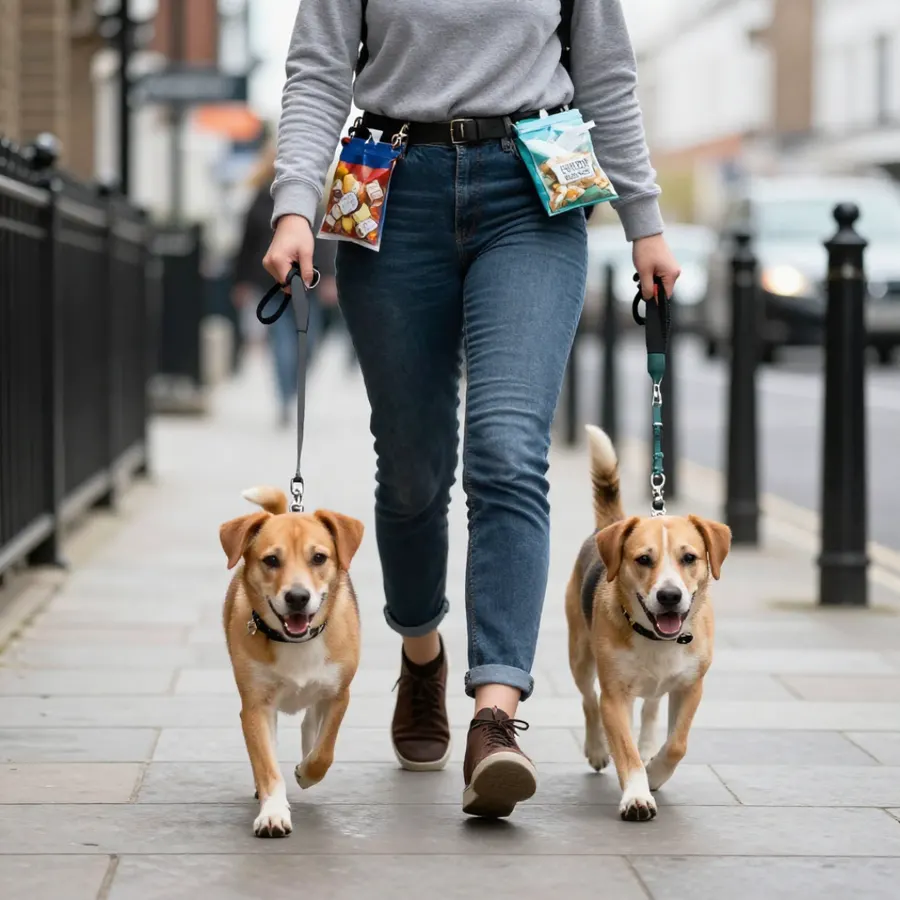 Out the door and ready for anything.
All dogs walking & training →Dog harnesses →Dog collars →Dog leashes →Retractable dog leashes →Dog muzzles →Dog vest harnesses →Cute dog collars →Tactical dog harnesses →Pooper scoopers →No pull dog harnesses →Personalized dog collars →Small dog harnesses →
↗Tracked US shippingEstimates on every item↶Returns & refundsHow it works♡Here to helpTalk to Giddy Pets
All puppy harnesses
Little essentials. Lots of love.
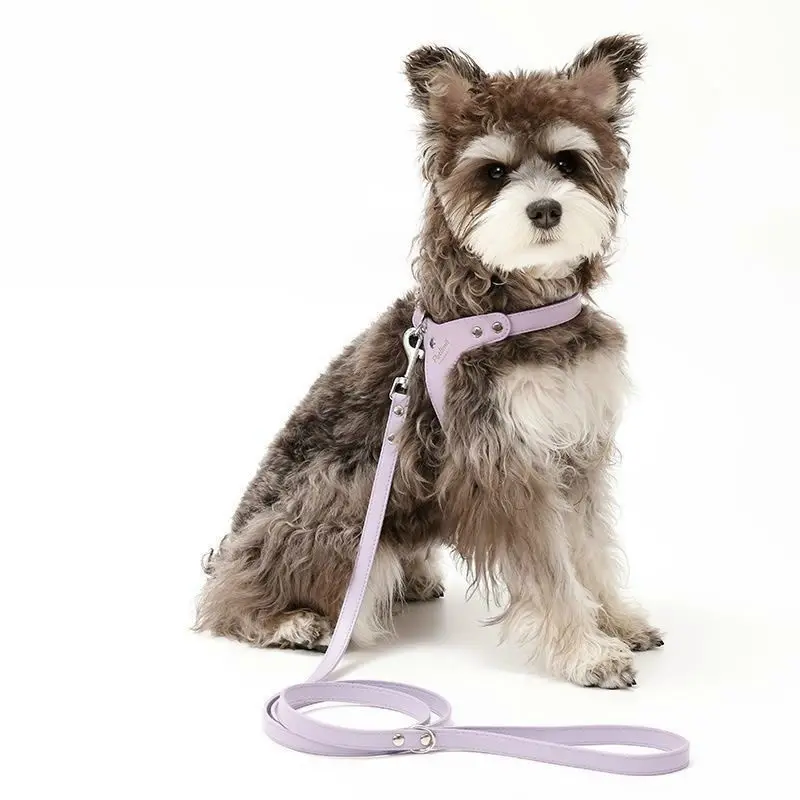
Leather dog harnesses
Leather Chest Harness for Small Dogs with Optional Leash
- Options
- 18 to choose from
From $20.99


Small dog harnesses
Polyester Chest and Back Strap Harness for Small Dogs
- Options
- 30 to choose from
$19.99
A little guidance
Help choosing puppy harnesses
Buying guides and care advice written for this range: what to measure, what matters and what to skip.
From our guides
- Best Puppy Harness: How to Choose One That Fits a Growing Dog →
- Harness vs Collar: Which Is Better for Your Dog or Puppy? →
- Best Dog Car Seat or Seat Belt Harness: How to Choose →
- Best Dog Coat With a Harness Hole: What Actually Matters →
- Best Dog Harness for Hiking: What Actually Matters →
- Best Dog Harness With Handle: What to Check Before You Buy →
These are the puppy-friendly picks from our Dog Harnesses range: breathable mesh vest harnesses, frilled mesh harness and leash sets, small no-pull sets and collar, harness and leash bundles in extra-small sizes. The page is for new puppy owners getting ready for first walks, and for anyone training a young dog to wear a harness before it is big enough to pull hard.
Why start a puppy in a harness
Puppies pull, stop, sit down and dart sideways, often all in the same minute. A harness spreads that tugging across the chest instead of the throat, which is gentler on a young neck. It also gives you a secure way to lift a small puppy over a puddle or away from something it should not eat.
Starting early means your puppy learns that putting on a harness leads to good things. Puppies that meet a harness for the first time at six months, when they are stronger and more opinionated, often take longer to accept it.
Fitting a growing puppy
Measure the base of the neck and the widest part of the chest behind the front legs, as the American Kennel Club recommends, and pick a size with plenty of adjustment left. The American Kennel Club also advises adjusting or replacing a harness regularly as a puppy grows, so check the fit every week or two.
Snug the straps until two fingers squeeze underneath, then back your puppy up gently to make sure the harness cannot slide over its head. Puppies grow fast and change shape, so a harness that fitted last month may now rub behind the elbows.
Getting a puppy used to a harness
Lay the harness on the floor and reward your puppy for sniffing it. Then hold it up and feed a treat as the puppy pokes its head or steps its legs through. Fasten it for a few seconds, treat, and take it off. Build up over several short sessions until your puppy ignores it.
Clip on a light leash indoors and let it trail under supervision, then pick it up and follow your puppy around. Only head outside once your puppy is relaxed in the harness at home, and keep first walks short.
Vest or step-in for puppies
Soft mesh vest harnesses are comfortable, breathable and difficult for a small puppy to wriggle out of when fitted well, which makes them the usual first choice. Step-in harnesses suit puppies that dislike anything passing over the head.
Pair the harness with a light leash and small clip; a heavy clip weighs on a small puppy's back. Keep an ID tag on a collar or the harness for every walk, and check with your vet about when your puppy can safely go where other dogs walk.
When can a puppy start wearing a harness?
You can introduce a harness indoors within days of bringing a puppy home, using short sessions and treats. Ask your vet when it is safe to walk in public areas after vaccinations.
What size harness for a puppy?
Measure the neck base and the widest part of the chest and choose a size with plenty of adjustment left. Recheck the fit every week or two while your puppy is growing.
Is a harness or collar better for a puppy?
For walking, a harness is gentler on a young neck because it spreads pulling across the chest. Keep a lightweight collar or harness tag on for identification.
How do I stop my puppy chewing its harness?
Supervise while it is on, take it off at home, and redirect chewing to a toy with a treat. A harness left on an unsupervised puppy is likely to be chewed.
How often should I adjust my puppy's harness?
Check the fit every week or two. Puppies grow fast, and a harness that fitted last month may now pinch behind the legs or be loose enough to slip off.