Buying guides
Best Puppy Leash: Length, Width and Material to Choose
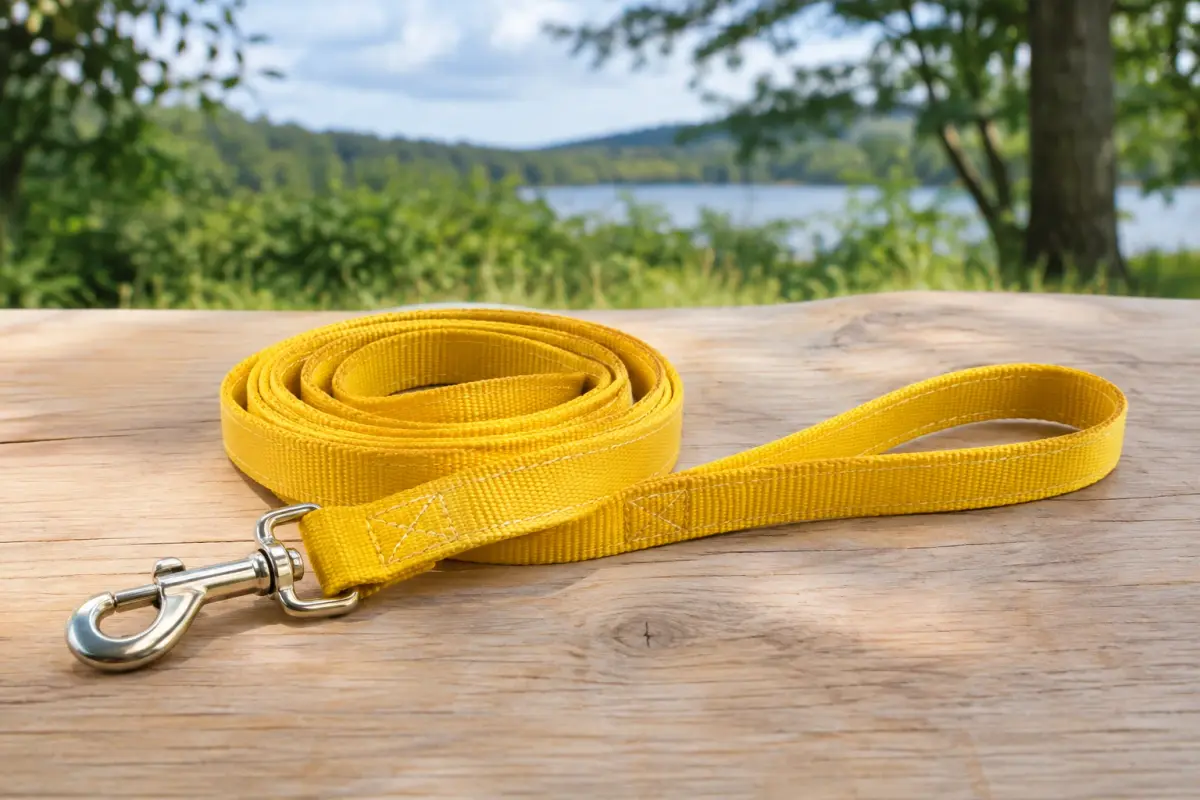
The best puppy leash is a standard, non-retractable leash about 4 to 6 feet long, in lightweight nylon with a sturdy metal clip. That length gives a puppy room to explore while you keep control. Match the width to your puppy's size, skip retractable leashes until loose-leash walking is learned, and expect to replace gear as the puppy grows.
By Matt GarnettUpdated November 14, 20264 min read3 sources
What matters most in a puppy leash
The AKC says many trainers start leash training with a standard 4-to-6-foot nylon leash, because it gives a puppy enough freedom to explore while you keep consistent control. A shorter, simpler leash also makes it easier to see how the puppy is moving and to guide it without a tug of war. Our puppy leashes are chosen on the same basics.
Weight and width matter more for a puppy than for an adult. Small dogs and toy breeds do well with narrow, lightweight leashes, while larger puppies and those still learning manners need something thicker, wider and heavier. The clip should be sturdy metal that attaches securely to the collar or harness, and a padded handle can improve comfort and help prevent leash burn on your hands.
Leash materials and types compared
Flat nylon webbing is the usual starting point: it is durable, affordable, waterproof and easy to clean. Leather suits some handlers, but the AKC advises against soaking it and recommends wiping with a damp sponge instead. Chain leashes, with a nylon or leather handle, suit dogs that chew through fabric, which is worth knowing if your puppy chews.
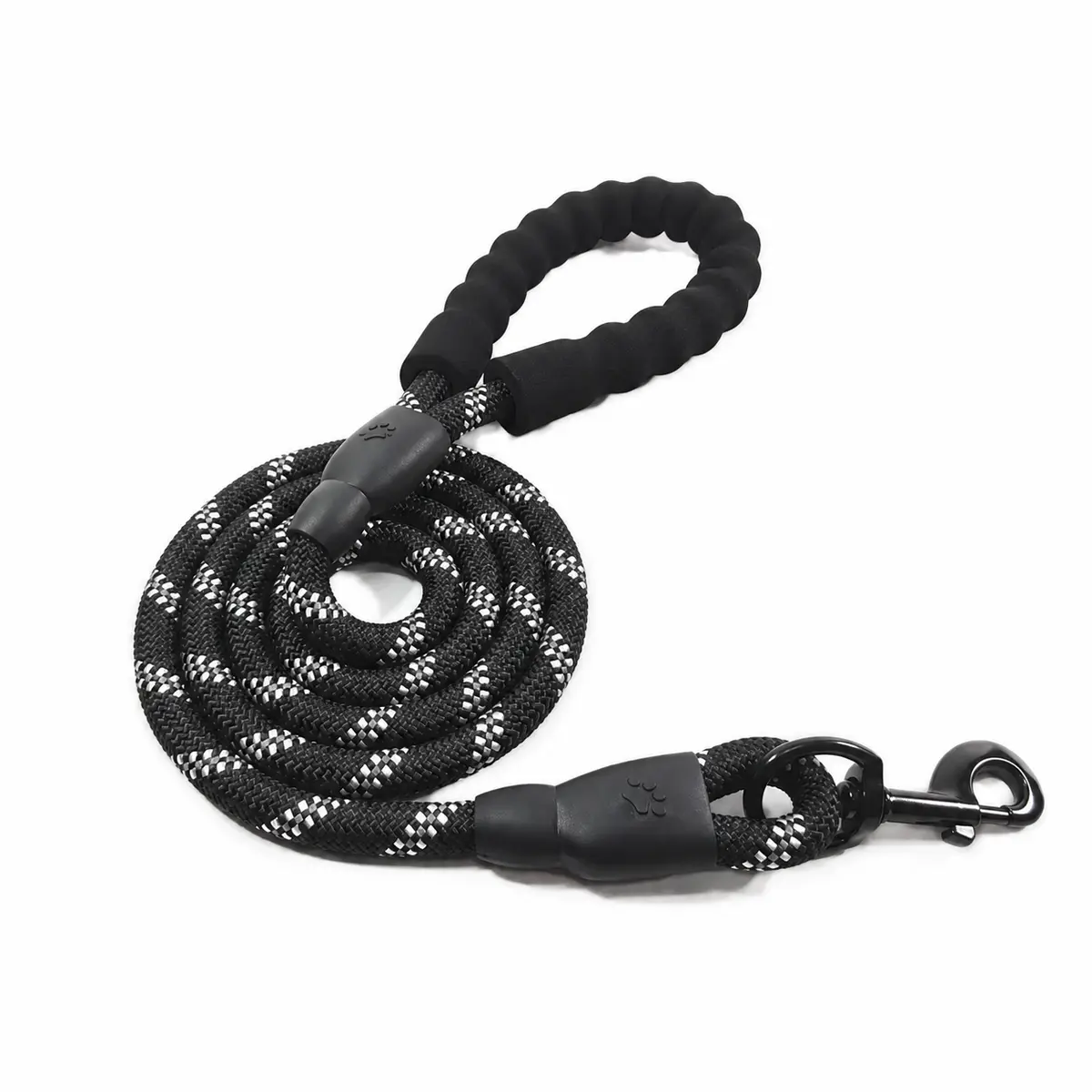
Soft woven styles are lighter in the hand and gentler on a small puppy. Long lines give puppies room to explore and help with recall practice, but they are a second leash for open areas, not the one for daily walks. Compare more options in our dog leashes range or read the broader dog leash guide.
Best leash for each puppy
For a small or toy-breed puppy, choose a narrow, light leash so the weight of the clip does not drag on the harness. For a medium or large puppy that pulls, a wider, heavier leash is easier on your hands. If a puppy chews the leash while walking, a short chain section or a calmer walking routine can help, and a vet or trainer can advise.
Reflective leashes are worth a look for evening walks, since thin cords are hard to see after dark. Keep the first walks short and in a quiet place. Pair the leash with a flat collar or a harness: for puppies still learning, the AKC suggests a standard collar, and our dog collars cover the usual sizes. Neck pressure is a concern for small and short-nosed puppies, so a harness may suit them better.
Fit, growth and care
Puppies grow quickly in their first year, so plan to replace collars and harnesses rather than buy one big adjustable set. The AKC notes a fast-growing large-breed puppy can outgrow a collar almost weekly. Check fit often with the two-finger test: you should be able to slide two fingers under the collar, but not more.
Look after the leash as well. Wipe leather with a damp sponge, follow the maker's washing instructions for nylon, and replace any leash with fraying, a loose stitch or a clip that no longer closes firmly. A puppy that has chewed through part of a leash should get a new one, since a weak spot can fail on a walk.
What to avoid at first
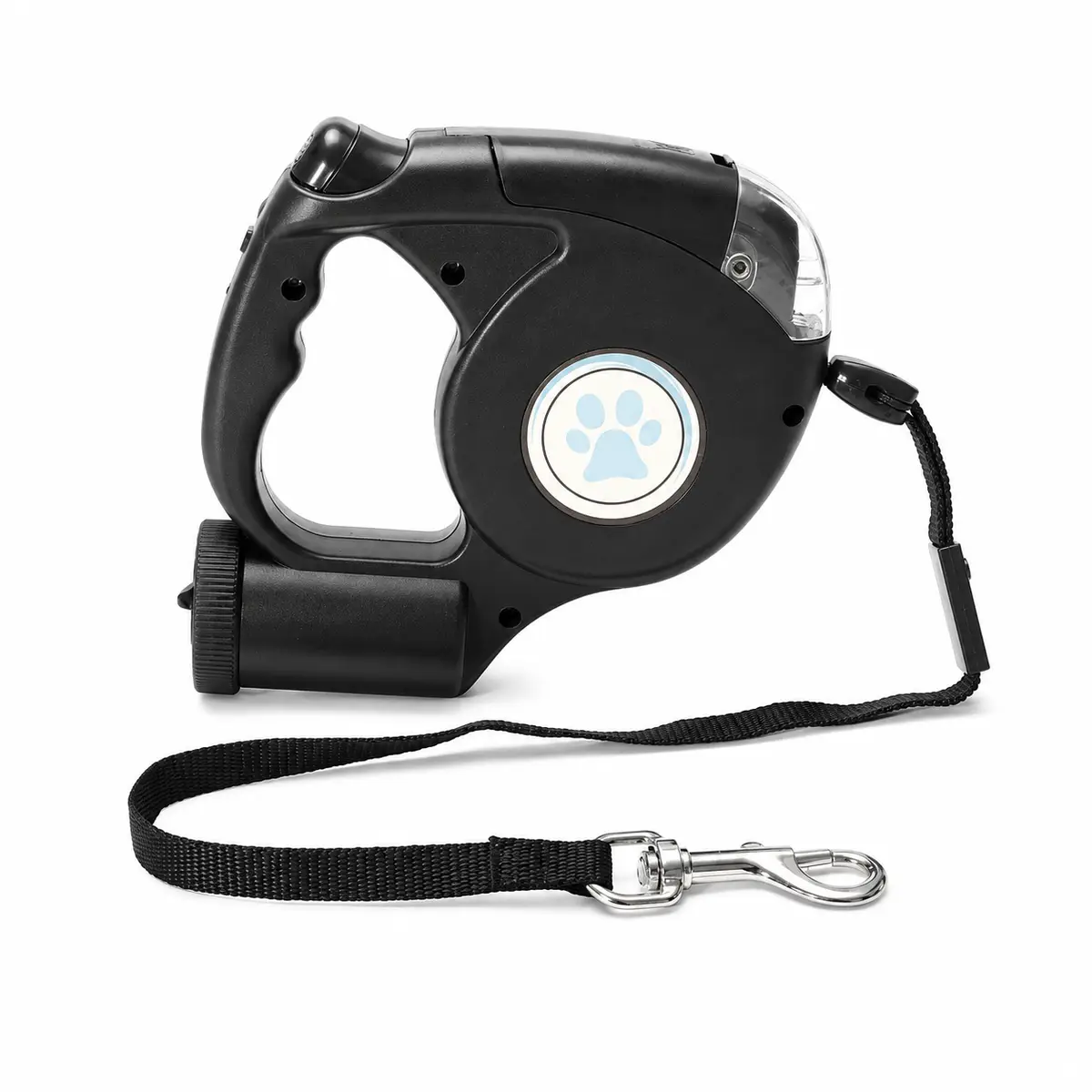
Avoid retractable leashes until the puppy has learned loose-leash walking. The AKC explains that some dogs learn that pulling earns them more freedom, and the moving cord or tape can cause rope burn or hand injuries if grabbed. They are meant for situations where extending the distance is safe.
Also avoid slip leads on a puppy that might slip out of them, and avoid heavy hardware on a tiny pup. For training itself, see our guide on how to leash train a puppy, and check your puppy's gear often as it grows, since collars and harnesses are outgrown quickly.
This page is general information, not veterinary advice, and it cannot replace an examination by the vet who knows your pet.
Puppy leash bodies and handling formats
| Construction | Physical distinction | What to verify |
|---|---|---|
| Flat nylon | Webbing strap between handle and clip | Width,edges and stitching |
| Leather | Leather strap body | Exact care directions |
| Chain section | Metal section within the line | Actual material and connector arrangement |
| Woven line | A softer woven body | Ends and attachment points |
| Long line | Additional length to manage | Actual length and intended setting |
Common questions
What length leash is best for a puppy?
A standard leash of about 4 to 6 feet is the usual starting point, per the AKC, because it gives a puppy some room to explore while you keep consistent control.
Are retractable leashes good for puppies?
They are not recommended while a puppy is still learning. The AKC advises avoiding them until loose-leash walking is learned, because pulling can earn the puppy more freedom and the cord can burn hands.
What material is best for a puppy leash?
Flat nylon is the common choice: it is lightweight, waterproof, affordable and easy to clean. Leather works too but needs wiping rather than soaking, and chain suits puppies that chew fabric.
Should a puppy wear a collar or a harness on the leash?
Either can work. The AKC suggests a standard flat collar for a puppy learning to walk, while small or short-nosed puppies may do better in a harness to avoid neck pressure.
Sources we checked
This guide is general information, not veterinary advice. If your pet is unwell or injured, contact your veterinarian.