Training & behavior
How to Stop Puppy Biting: Gentle Methods That Work
Puppy biting is normal play and teething behavior, and the goal is to teach your puppy to be gentle and then to stop putting teeth on people at all. Do it by redirecting to chew toys, pausing play the moment teeth touch skin, rewarding calm, and making sure your puppy gets enough sleep and exercise. Never hit, scruff or shout at a biting puppy. Most improve steadily by around six months of age.
By Matt GarnettUpdated November 9, 20264 min read2 sources
Why puppies bite
Puppies explore the world with their mouths, and they play by wrestling and mouthing, just as they did with their littermates. Teething adds sore gums, which makes chewing feel good, and that is where puppy teething toys come in. A puppy that grabs your hands, sleeves or ankles is not being aggressive; it is playing the only way it knows.
In the litter, a puppy that bites too hard gets a yelp and a pause in play from its siblings, which teaches it to soften its bite. This is called bite inhibition, and your job is to continue that lesson so your puppy grows into a dog with a soft mouth.
Step 1: Teach a softer mouth
When your puppy mouths gently, let play carry on. When it bites hard enough to hurt, say a short 'ouch' and pause, letting your hand go still rather than jerking it away, which invites chasing. If the puppy backs off or licks, praise it and resume play.
Some puppies get more excited by a yelp. If that is yours, skip the noise and simply stop the game: stand up, fold your arms or step behind a gate for 10 to 20 seconds, then come back and play again. Over weeks, gradually lower the pressure you accept until any tooth contact ends play.
Step 2: Redirect to toys and chews
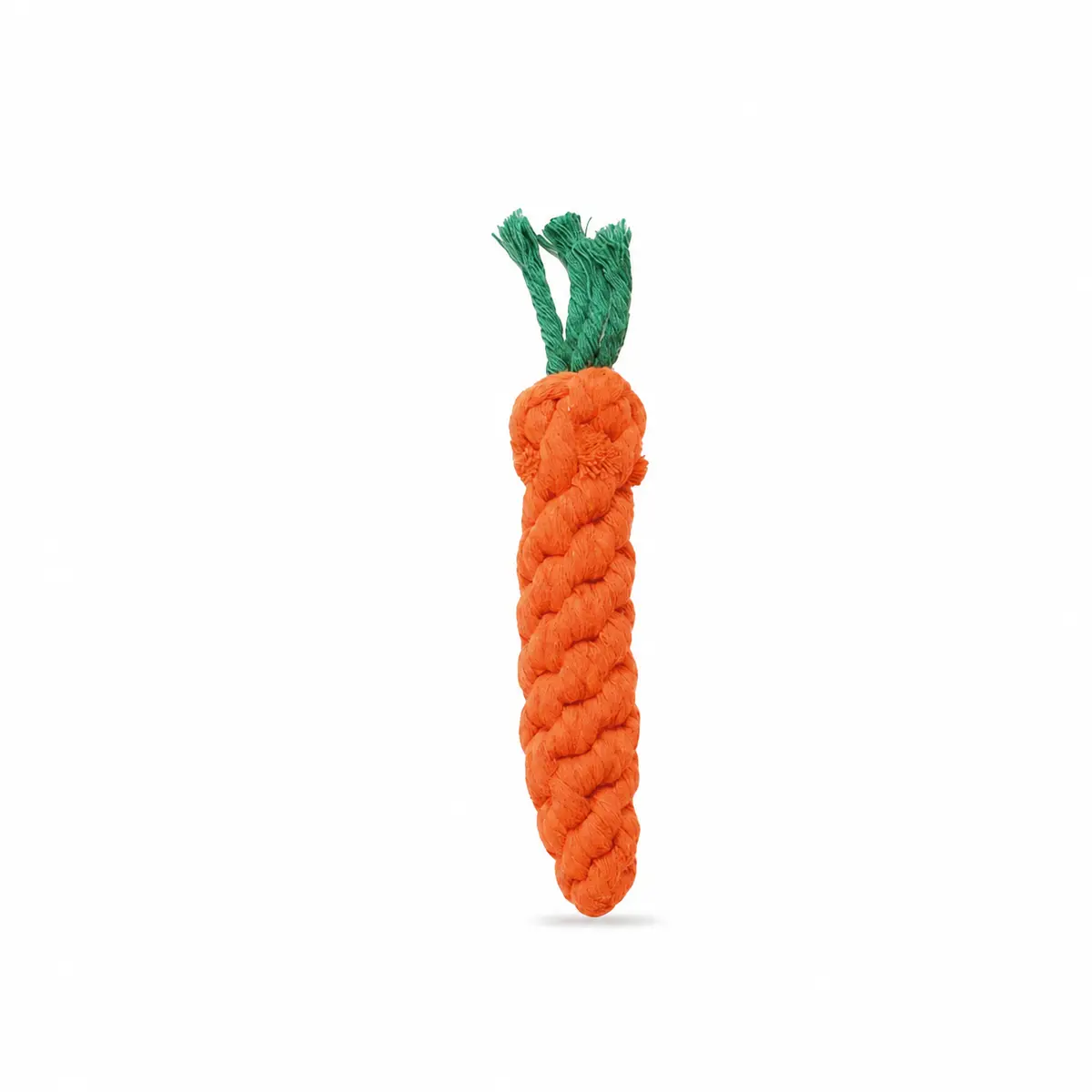
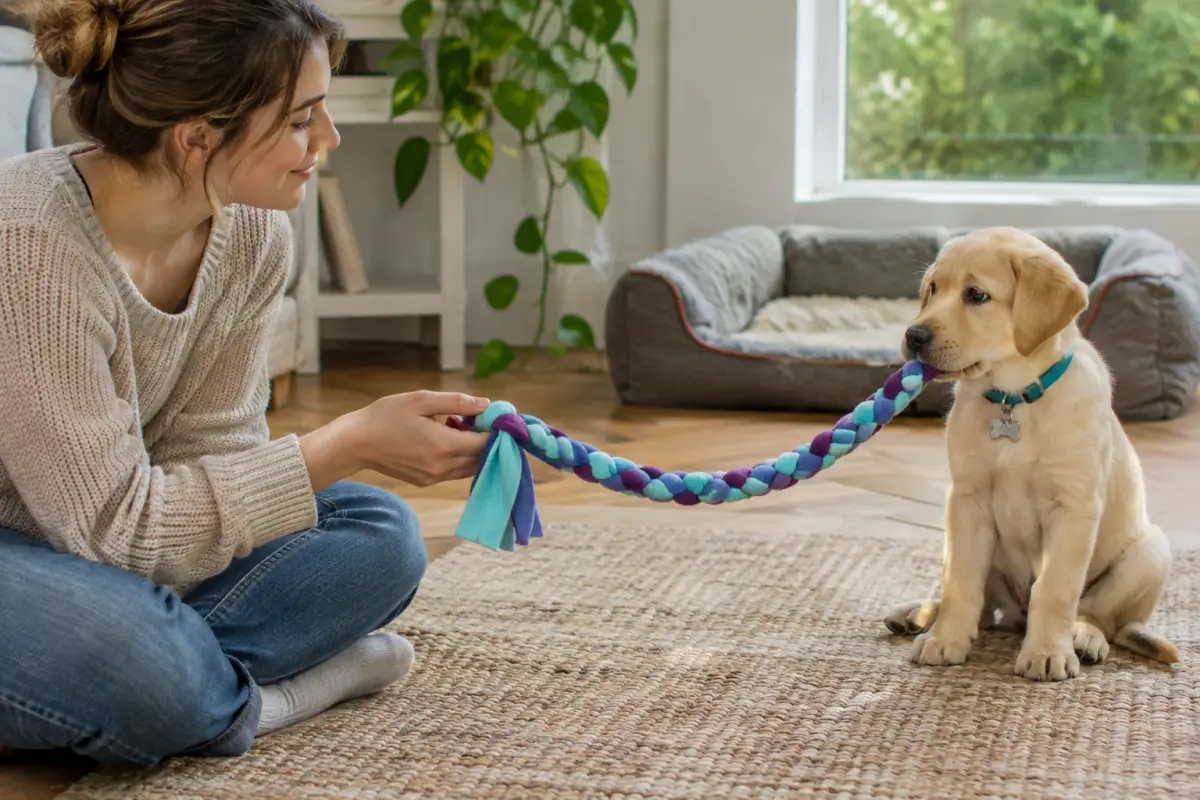
Keep a toy in your hand or pocket during play, and offer it before your puppy reaches for your fingers. Tug toys, soft plush toys and long rope toys put distance between teeth and skin. Play fetch and tug rather than hand wrestling, which teaches puppies that hands are toys.
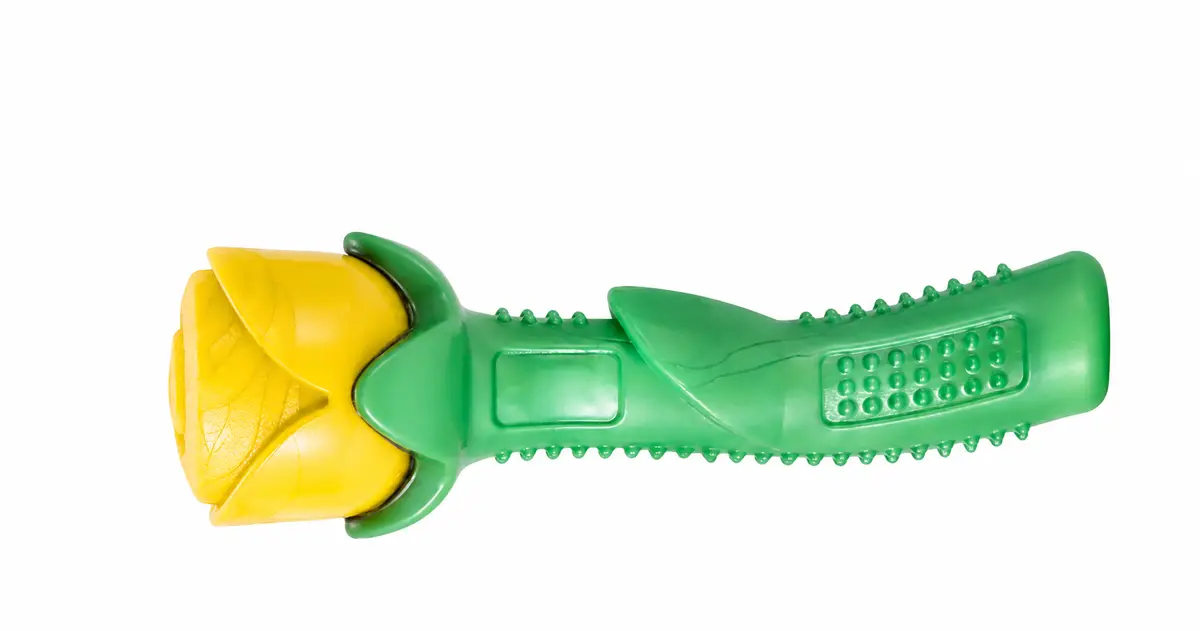
For teething, offer a rotation of safe chews: rubber toys you can stuff and freeze, teething rings and puppy-safe chews sized for your puppy's mouth. Rotate them so they stay interesting, and praise your puppy whenever it chooses a toy over you.
Step 3: Prevent overtired biting
Many bitey puppies are simply overtired. Young puppies need a lot of sleep, and a puppy that has been awake and busy for too long gets frantic and mouthy, much like a toddler. Build regular naps into the day in a crate or pen with a chew from the puppy teething toys shelf.
Balance exercise with calm. Short training sessions, sniffing walks, food puzzles and gentle play tire a puppy's brain as well as its body. If biting spikes at the same time every evening, schedule a nap before it.
What not to do
Do not hit, tap the nose, grab the muzzle, scruff, pin or shake a puppy, and do not shout. These methods can frighten your puppy, damage your relationship and make biting worse or turn play biting into fearful biting. Even scolding can act as exciting attention.
Avoid games that encourage nipping, such as waving fingers or toes, and do not jerk your hands away. Ask children to stand still like a tree when a puppy nips, and supervise all puppy and child play closely.
When to get help
Ask a positive-reinforcement trainer or puppy class for help if biting is not improving by around five to six months. Seek help sooner if your puppy stiffens, freezes, growls with a hard stare, or bites when handled, guarding food or being moved, because that can be fear or guarding rather than play.
Mention sudden biting on handling to your vet too, since pain, such as from teething, ears or a sore paw, can make a puppy snappy.
This page is general information, not veterinary advice, and it cannot replace an examination by the vet who knows your pet.
Common questions
At what age do puppies stop biting?
Most puppies mouth much less once their adult teeth are in, around six months, especially with consistent training. Some breeds stay mouthier longer, so keep redirecting and rewarding gentle play.
Is it normal for my puppy to bite me hard?
Hard play biting is common in young puppies and usually means overexcitement or tiredness. Pause play when it hurts and redirect to toys. If biting comes with stiffness or growling, talk to a trainer.
How do I stop my puppy biting my ankles?
Stand still instead of walking away, which turns ankles into a moving toy. Carry a tug toy to redirect, reward your puppy for walking calmly beside you, and use a gate when you cannot engage.
Should I put my puppy in a crate when it bites?
A short, calm break in a crate or pen can help an overtired puppy settle, as long as the crate is never used angrily as punishment. Offer a chew and let your puppy nap.
Sources we checked
This guide is general information, not veterinary advice. If your pet is unwell or injured, contact your veterinarian.