Health & vet care
Why Is My Cat Peeing Outside the Litter Box?
A cat peeing outside the litter box is not being spiteful. The first thing to rule out is a medical problem, especially bladder inflammation, a urinary infection or stones, which make urinating painful and often drive cats to soft or cool surfaces like beds and tubs. A male cat straining with little or no urine is an emergency. Once health is cleared, the litter box setup and stress are the usual causes.
By Matt GarnettUpdated November 14, 20265 min read3 sources
What it usually means
Medical causes come first, and the most common is feline lower urinary tract disease, an umbrella for bladder problems. Cornell lists its signs as straining, going often, crying out while urinating, blood in the urine, peeing outside the box and frequent licking of the genitals. The most frequent diagnosis is idiopathic cystitis, bladder inflammation closely linked to stress; urinary stones and infections are also common. Kidney disease, diabetes and hyperthyroidism make cats produce more urine, and arthritis can make climbing into a box painful.
Once your vet has ruled those out, the ASPCA points to the litter box itself: too few boxes, a box that is dirty, small, covered or lined, litter that is scented or too deep, or a location that is noisy, cornered or near food. Stress and conflict between cats in the home are another major cause. Cats who once had a painful time in the box may also start to avoid it even after they have healed.
Peeing or spraying?
Spraying, or urine marking, is different from urinating. The ASPCA describes it as a cat backing up to a vertical surface such as a wall, curtain or furniture leg, standing tall with the tail straight up and quivering, and releasing a small amount of strong-smelling urine. Cats that mark usually still use the box normally. Urinating outside the box, by contrast, means a larger puddle, usually on a flat surface.
Marking is communication rather than a litter problem. Unneutered males are the most likely to spray, and neutering resolves much of it. Stress, a new pet, and outdoor cats seen through a window are common triggers in neutered cats. Peeing on the bed can be either, and is common in cats with a painful bladder, so it is still worth a vet check.
When to call your vet today
Call your vet the same day if your cat is going to the box often and passing only small amounts, crying while urinating, has pink or red urine, is licking the genital area a lot, or has suddenly started peeing outside the box after years of good habits. These are classic urinary signs, and painful cats need relief quickly.
Also call soon if your cat is drinking and urinating much more than usual, is losing weight, or seems stiff getting in and out of the box. Older cats with arthritis, kidney disease or diabetes often show these changes first through litter box habits.
When it's an emergency
Go to your vet or the nearest emergency vet immediately if your cat, especially a male cat, is straining in the box and producing little or no urine, crying, vomiting, very quiet, or has a tense, painful belly. Cornell calls urethral obstruction an absolute emergency that can become fatal within 24 to 48 hours. Owners often mistake it for constipation.
Do not wait to see whether it passes overnight, and do not try to press on the bladder at home. If the vet is closed, call the nearest emergency hospital and tell them you suspect a blocked cat so they can prepare. Female cats rarely block, but any cat that cannot pass urine needs urgent care.
What you can safely do at home
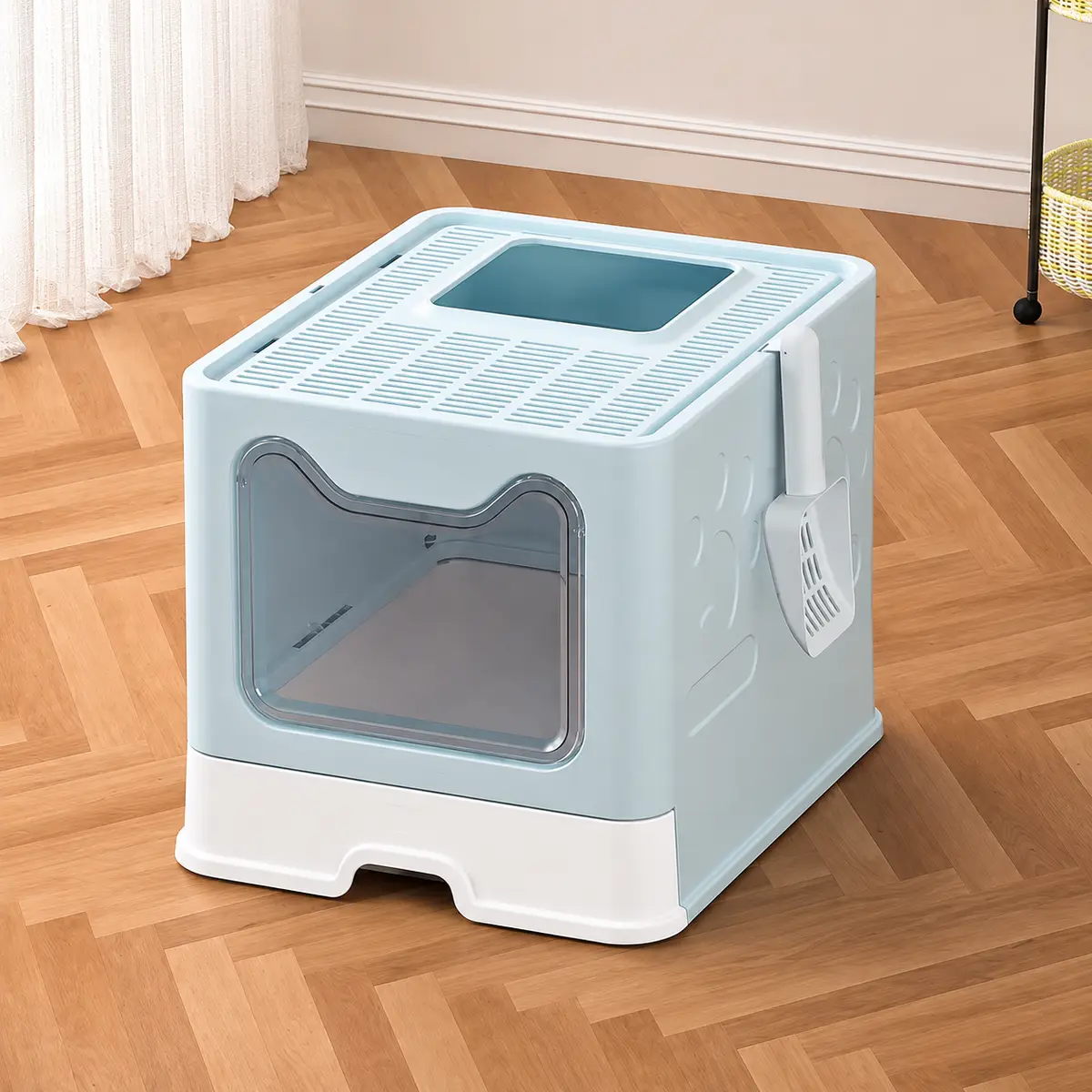
After a vet check, start with the box setup the ASPCA recommends. Provide one box per cat plus one extra, in quiet places with an escape route, away from food bowls and loud appliances, and on each floor of the house. Use large, uncovered boxes without liners, with one to two inches of unscented, clumping litter. Scoop at least daily and wash the box weekly with warm water and unscented soap.
Clean accidents with an enzymatic cleaner made for pet urine. Avoid ammonia-based cleaners, which smell like urine to a cat and can draw them back. Never rub a cat's nose in an accident, scold them or carry them to the box, which increases stress. Encourage drinking with fresh water and wet food, and give each cat their own resting places to reduce conflict.
What the vet will likely check
Your vet will feel the bladder to check whether it is overly full, examine your cat and ask about the pattern: where, how much, how often, and any changes at home. A urine test is usually the first step, checking for blood, crystals, infection and concentration. Blood tests can assess the kidneys, thyroid and blood sugar.
X-rays or ultrasound may be used to look for bladder stones. Cornell notes that some stones can be dissolved with a prescription diet while others need removal. Idiopathic cystitis is managed with stress reduction, more water intake and sometimes diet change and pain relief. A blocked cat usually needs sedation, a urinary catheter and a hospital stay.
Prevention
Keep litter boxes clean, plentiful and in calm locations, and make changes to litter type or box location gradually. Cornell's prevention list includes feeding smaller, frequent meals, keeping your cat at a healthy weight, and making fresh water easy to reach. Water fountains and wet food help many cats drink more.
Reduce stress with a steady routine, hiding spots, high perches and scratching posts, especially in multi-cat homes. Block views of outdoor cats if they trigger marking. Spay or neuter your cat. If your cat has had urinary problems before, follow your vet's diet advice and watch litter box habits closely so a recurrence is caught early.
This page is general information, not veterinary advice, and it cannot replace an examination by the vet who knows your pet.
Common questions
Why does my cat pee on my bed?
A bed is soft, absorbent and smells strongly of you, which can be comforting to a stressed or uncomfortable cat. Bladder pain is a common reason, so see your vet first. After that, look at box cleanliness, location and household stress.
Why do cats spray?
Spraying is scent marking, a way of communicating territory, presence or stress. Unneutered males spray most often, but any cat may mark when stressed or when another cat is around. Neutering, reducing stress and enzymatic cleaning usually help.
Should I punish my cat for peeing outside the box?
No. Punishment does not teach a cat where to go and adds stress, which can make the problem worse. The ASPCA advises against scolding or rubbing a cat's nose in it. Find the medical or environmental cause instead.
How many litter boxes do I need?
The usual guidance is one box per cat plus one extra, so two cats need three boxes. Place them in different quiet areas rather than side by side, so one cat cannot block access to all of them.
Sources we checked
This guide is general information, not veterinary advice. If your pet is unwell or injured, contact your veterinarian.