







Cats
Litter box furniture & enclosures
Tidy home. Happy cat.
22 items picked for everyday life with your pet, with shipping estimates on every item.
 The everyday essentials, sorted.
All cats grooming & hygiene →Cat litter boxes →Cat brushes →Cat grooming supplies →Litter accessories →Litter mats →Cat deshedding brushes →Cat nail clippers →Cat shampoo →Cat litter →Self cleaning litter boxes →
↗Tracked US shippingEstimates on every item↶Returns & refundsHow it works♡Here to helpTalk to Giddy Pets
All litter box furniture & enclosures
Little essentials. Lots of love.
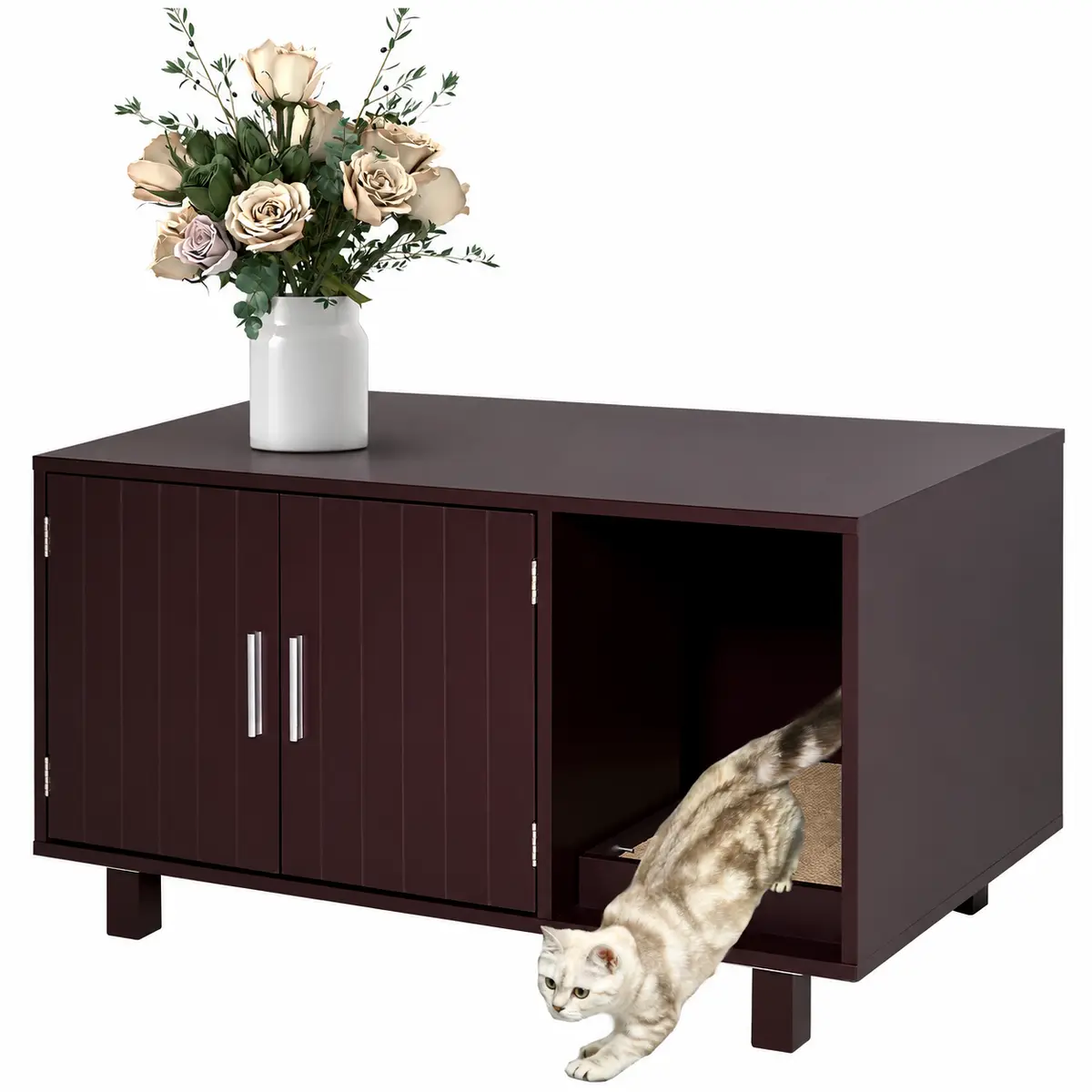


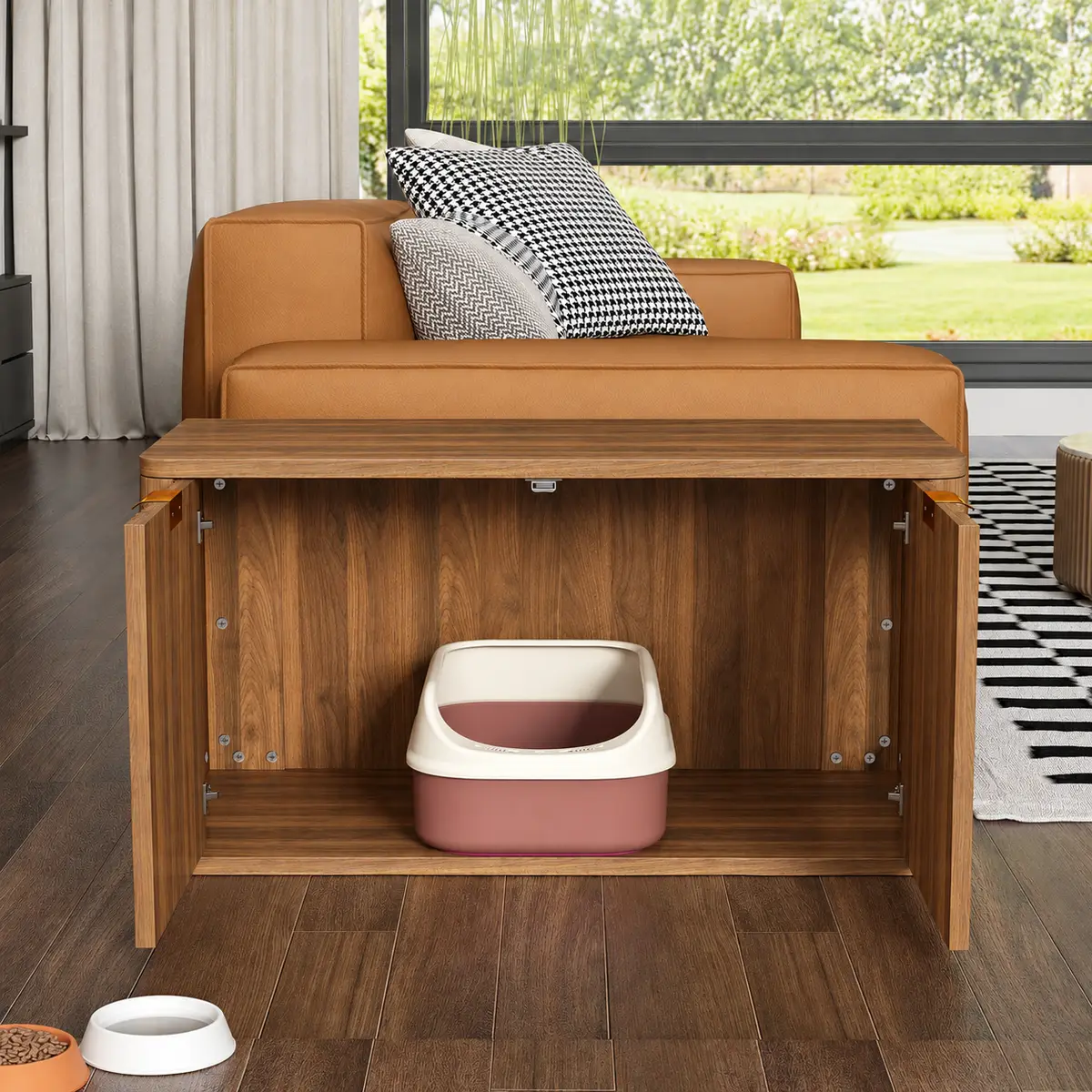


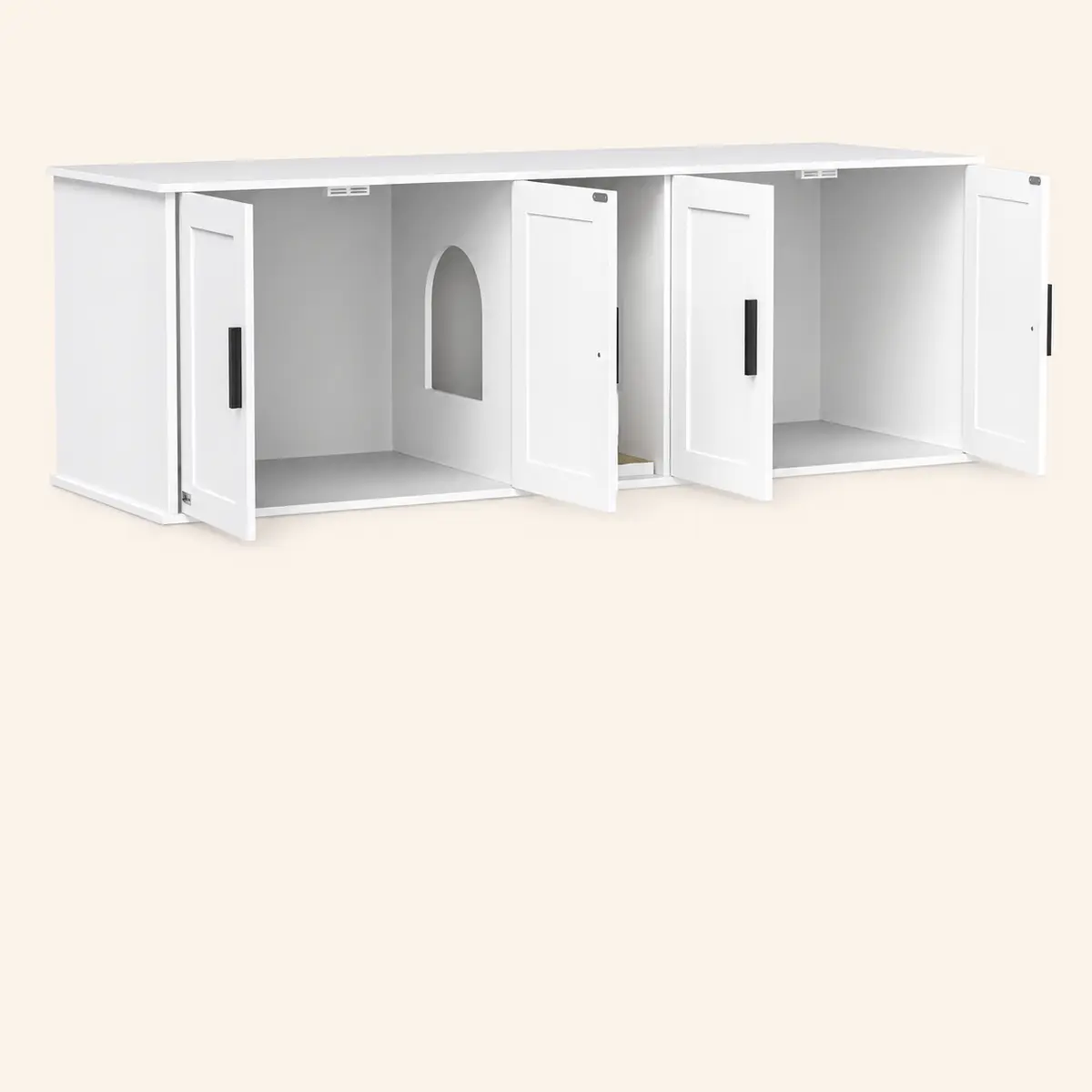
Litter box furniture & enclosures
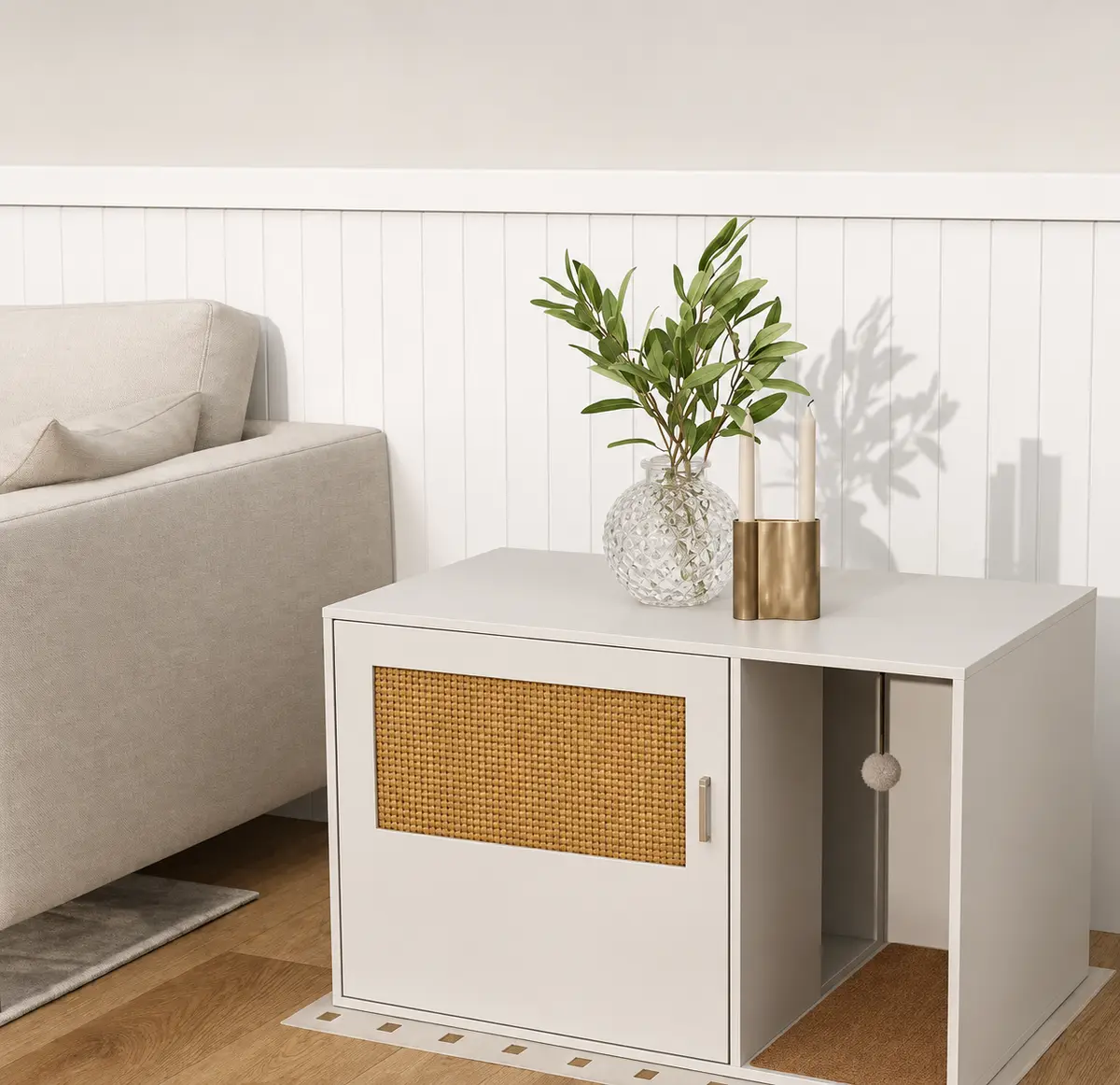
White Double-Compartment Litter Box Cabinet with Scratch Mat
$192.99




A little guidance
Help choosing litter box furniture & enclosures
Buying guides and care advice written for this range: what to measure, what matters and what to skip.
From our guides
- Where to Put a Litter Box (and How to Hide It) →
- Best Cat Trees With Litter Box Enclosures: What Matters →
- Best Automatic Litter Box: How to Choose One Your Cat Will Use →
- Best Budget Automatic Litter Box: What Actually Matters →
- Best Cat Litter for Automatic Litter Boxes: What Actually Works →
- Best Covered Litter Boxes: What to Look For Before You Buy →
This page brings together litter box furniture: wooden cabinets that hide the box behind a side entrance, enclosures with storage shelves and drawers for litter and scoops, walnut-finish and white designs that pass as side tables, two-tier wicker condos with litter mats, and enclosures topped with a cat apartment or scratching post. It is for owners who want the litter box out of sight in a living space. The guide below covers sizing, ventilation and cleaning.
Why hide the litter box
In apartments and small homes, the litter box often has to live in a living room, hallway or bathroom. A furniture enclosure hides it inside a cabinet, keeps scattered litter contained, and gives you a surface on top for plants, lamps or storage.
Enclosures can also help cats who like privacy. A side entrance and enclosed space feel like a hidden den, and dogs or toddlers find it harder to get into the box. Both are good reasons to consider one even in a larger home.
Sizing the enclosure to the box
Measure your current litter box, including any hood or high sides, and compare it to the enclosure's interior dimensions, not the outside measurements. Many cabinets fit a standard box, but large or high-sided boxes may not fit. Some enclosures are designed to be used with no separate box, so check the listing.
Your cat must be able to stand, turn around and dig comfortably inside. Large cats such as Maine Coons need a roomy interior and a wide entrance. A cat who feels cramped may start to go elsewhere, which defeats the purpose.
Ventilation and odor
A closed cabinet traps odor if it is not cleaned often, and cats have far sharper noses than we do. Look for vents, open-backed designs or ventilation holes, and avoid placing the enclosure in a tight, stuffy corner.
Scoop at least once a day, more often with several cats, and change the litter regularly. Unscented clumping litter suits most cats. Some enclosures include odor-control features, but nothing replaces frequent scooping.
Storage, drawers and tracking
Many enclosures include a shelf or drawer, which keeps litter bags, scoops and liners close at hand. Pull-out drawers make it easier to access the box for cleaning without moving the whole cabinet. Litter mats inside the entrance help trap litter that sticks to paws.
Two-tier and condo-style designs add a perch or bed on top, so the furniture doubles as a cat lounging spot. Enclosures with a built-in scratching post combine two pieces of cat furniture in one footprint, which suits small spaces.
Helping your cat use the new box
Cats can be wary of change. Put the enclosure in the same spot as the old box if possible, and leave the door or entrance flap open at first. Add a little used litter so it smells familiar, and keep the old box available until your cat uses the new one reliably.
If your cat stops using the box, avoids it, strains or goes outside it, check whether the enclosure is too small or too dirty. Sudden litter box problems can also signal a urinary issue, so contact your vet promptly, especially if a male cat strains with little or no urine.
Do cats like litter box enclosures?
Many cats like the privacy, especially in busy homes. Others are wary at first. Introduce the enclosure gradually with familiar litter, and keep the old box until your cat uses the new one.
Does litter box furniture smell?
It can if not cleaned often, because enclosures trap odor. Choose a ventilated design, scoop daily and change litter regularly. Unscented clumping litter helps keep smells down.
Will my litter box fit in an enclosure?
Measure your box, including any hood, and compare it to the interior size listed. High-sided or extra-large boxes may not fit standard cabinets, so check before buying.
Where should I put a litter box enclosure?
Choose a quiet, easy-to-reach spot away from your cat's food and water. Avoid putting it in a cramped corner with no airflow, and keep it on the floor your cat spends most time on.
Is litter box furniture good for large cats?
It can be, if the interior is roomy and the entrance is wide. Large breeds such as Maine Coons need space to stand and turn inside, so compare interior measurements to your cat's size before buying.