Buying guides
Best Budget Automatic Litter Box: What Actually Matters
A good budget automatic litter box keeps the features that decide whether your cat will use it, which are enough interior space, a low or wide entry, and a clean, quiet cycle, and drops the extras such as app dashboards. Check the size against your cat first, because the ASPCA and Cornell both list a too-small box as a common reason cats stop using one. Browse our budget self-cleaning litter boxes once you know your cat's size.
By Matt GarnettUpdated November 14, 20264 min read2 sources
Why a cheaper automatic box can still work
Self-cleaning boxes are not just a convenience. The ASPCA says they are generally cleaner than traditional litter boxes, and that many cats accept them readily. Since cats dislike dirty boxes, an automatic unit that rakes waste soon after use can help, and a low price does not change that basic advantage. What changes with price is mostly extras: connectivity, app logs, odor modules and trim.
Be clear about what automation does not replace. The ASPCA advises scooping at least once a day with ordinary boxes, and an automatic unit still needs its waste drawer emptied and the whole box emptied and washed regularly. A budget model that is easy to empty and wash is worth more than an expensive one that is fiddly to take apart.
Size and entry: the part you should not cut
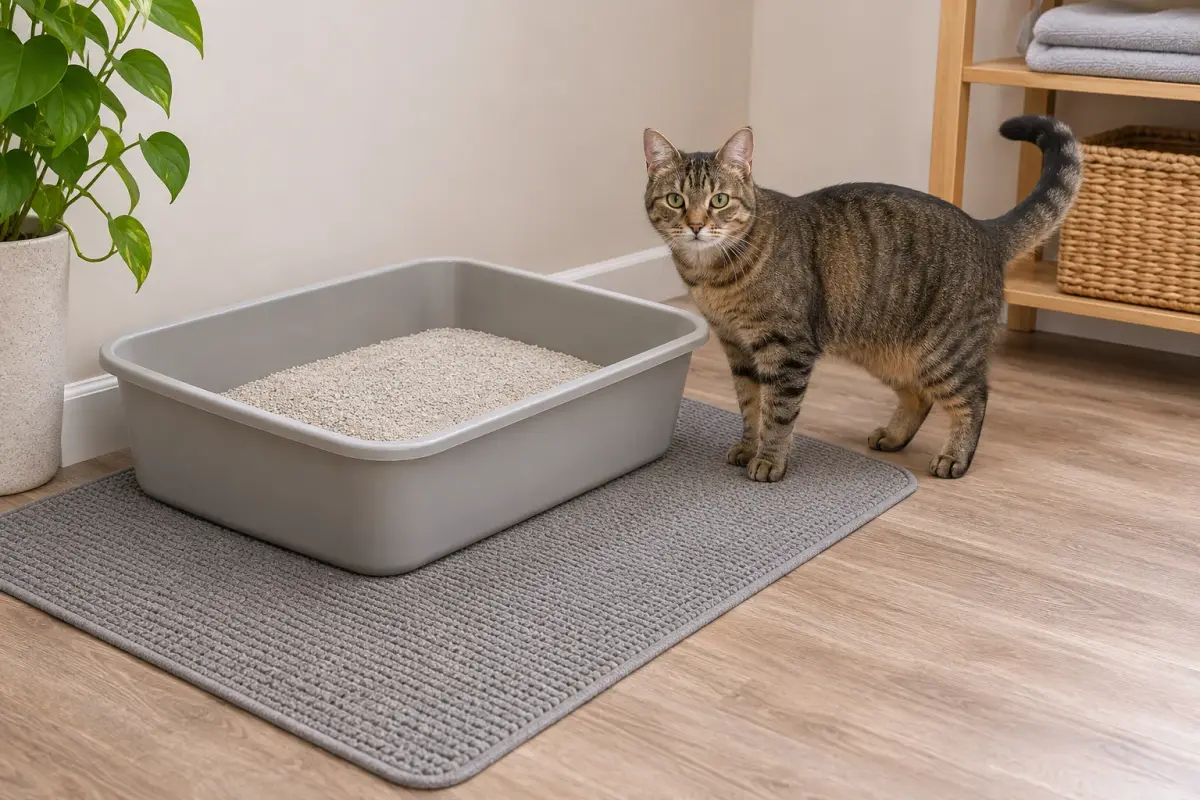
Cornell's Feline Health Center says larger cats need bigger boxes, and that kittens and elderly cats, or cats with mobility problems, need boxes with low sides. The ASPCA lists a litter box that is too small, or a hood that makes the cat uncomfortable, among the common reasons cats eliminate outside the box. A cheap unit with a narrow opening or a cramped drum is a bad bargain for a large cat.
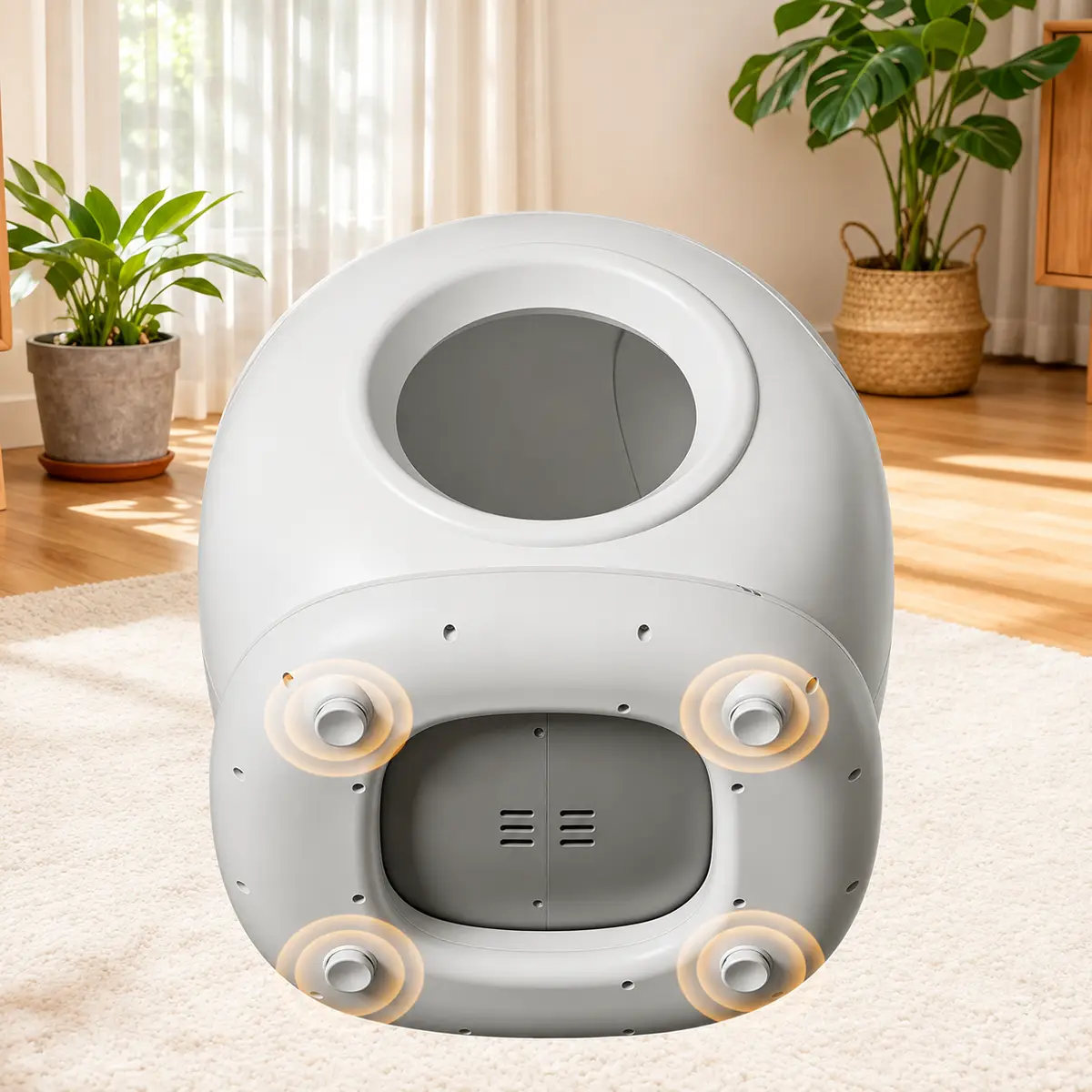
Check the listed interior dimensions and entry height against your cat. A wide-opening design like this smart litter box with a wide opening is the kind of feature to look for if you have a bigger cat. Measure your cat from nose to base of tail, compare with the interior length, and be wary of any listing that gives no dimensions. If your cat has trouble stepping in, talk to your vet, since pain can change litter habits.
Features worth keeping and extras to skip
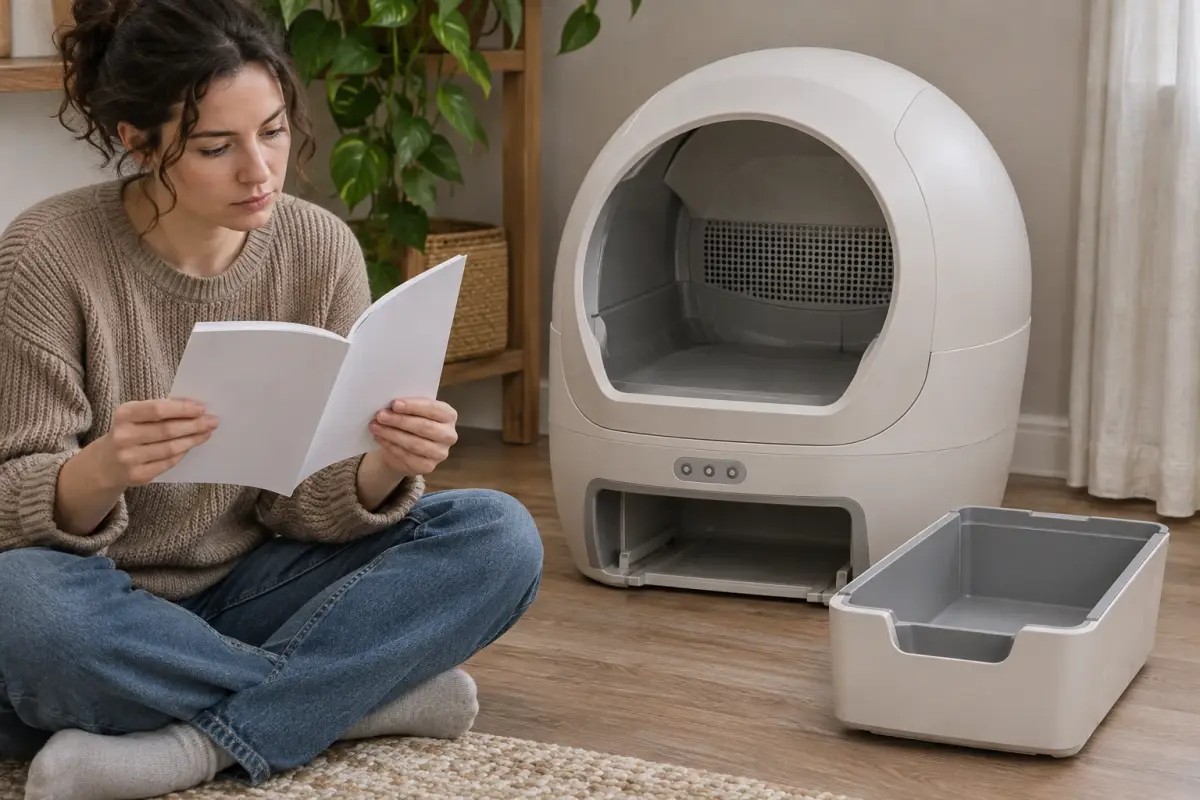
Keep the basics: a clear description of how the unit senses that a cat has left before it cycles, a waste drawer or bag that is easy to remove, and a washable base. These also matter for trust, because a cat that is startled by a noisy or sudden cycle may avoid the box. Check that the listing explains the cycle delay and what the unit does if something is in the way.
Skip features that add cost without improving how the box works: app connectivity, voice assistants, scent modules and fancy displays. Be careful with the claim that a covered unit controls odor. Cornell says people like covered boxes for reducing odor and stray litter, but from the cat's point of view a cover holds odors in, and it suggests a box with a 360-degree view if a cat is nervous. An open-top or wide-entry design may suit your cat better.
Number of boxes, placement and multiple cats
One automatic box does not satisfy the standard rule. Cornell advises as many boxes as there are cats in the house, plus one, and the ASPCA says to provide a box for each cat plus an extra. So an automatic unit can be one of your boxes, with a simple extra box as the spare. In a multi-cat home, check out our self-cleaning litter boxes for multiple cats.
Placement matters as much as price. Cornell suggests putting multiple boxes in multiple locations and avoiding spots where a cat can be ambushed or cornered, and the ASPCA notes that a cat that cannot easily reach the box at all times may eliminate elsewhere. Pick a quiet spot with room around the unit, and leave a way past it. For heavy cats, see the automatic litter boxes for large cats.
How to introduce it, and when to call your vet
Introduce the box gradually. Keep the old box in place beside the new one at first, with the automatic cycle switched off, and let your cat get used to the shape. Turn the cycle on only once the cat is using it without fuss. The ASPCA advises that if a cat using a self-cleaning box starts eliminating outside it, you should try a traditional box instead.
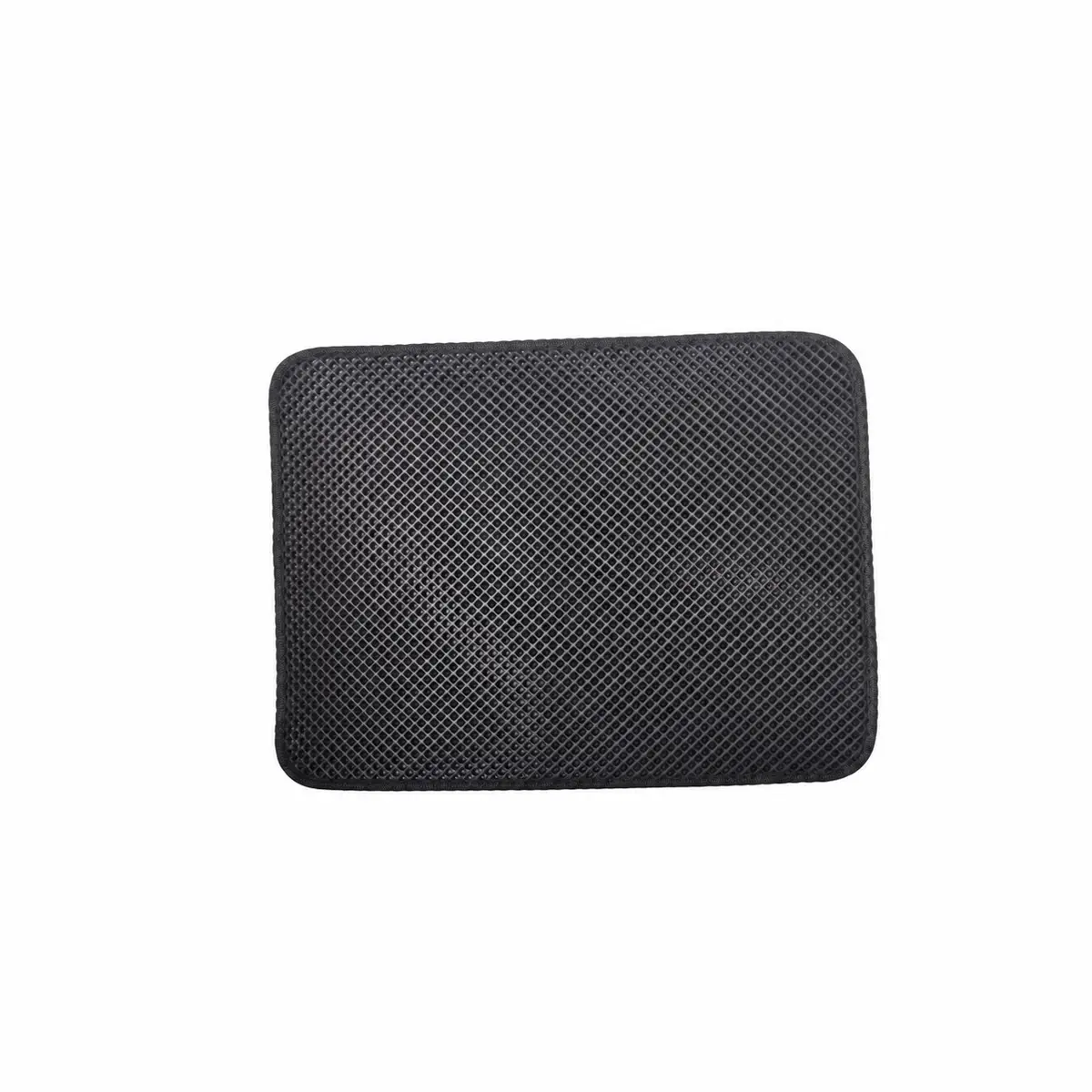
Watch the first weeks for changes. Cornell says medical problems such as urinary, kidney, thyroid or digestive conditions can cause litter box problems, so a cat that suddenly avoids the box, strains, or passes more urine than usual should see a vet promptly, not just get a new box. Add a litter mat at the exit to catch tracked litter, and read our guide to the best self-cleaning litter boxes for the wider comparison. Then return to our budget self-cleaning litter boxes.
Common questions
Is a cheap automatic litter box worth it?
It can be, if it has enough interior space for your cat and an easy-to-empty waste drawer. The ASPCA says many cats accept self-cleaning boxes readily because they stay cleaner, but size and comfort matter more than price.
How big should an automatic litter box be?
Cornell says larger cats need bigger boxes, and young, elderly or mobility-impaired cats need low sides. Check the listed interior dimensions and entry height against your cat's body length before buying.
Do I still need to scoop with an automatic litter box?
You still need to empty the waste drawer, top up litter and wash the box regularly. The ASPCA advises scooping at least once a day for ordinary boxes, so treat an automatic unit as a way to reduce chores, not remove them.
What if my cat will not use the automatic litter box?
The ASPCA suggests switching back to a traditional box if your cat starts eliminating outside a self-cleaning one. If the problem continues, or your cat strains or urinates more than usual, see your vet to rule out a medical cause.
Sources we checked
This guide is general information, not veterinary advice. If your pet is unwell or injured, contact your veterinarian.