







Cats
Cat deshedding brushes
Little things. Happy cats.
26 items picked for everyday life with your pet, with shipping estimates on every item.
 A happy life, one little thing at a time.
All cats grooming & hygiene →Cat litter boxes →Cat brushes →Litter box furniture & enclosures →Cat grooming supplies →Litter accessories →Litter mats →Cat nail clippers →Cat shampoo →Cat litter →Self cleaning litter boxes →
↗Tracked US shippingEstimates on every item↶Returns & refundsHow it works♡Here to helpTalk to Giddy Pets
All cat deshedding brushes
Little essentials. Lots of love.


Dematting combs & tools
Double-Sided Dematting and Undercoat Comb for Cats and Dogs
- Options
- 2 to choose from
$18.99


Undercoat rakes
Stainless Steel Undercoat Dematting Rake for Dogs and Cats
- Options
- 2 to choose from
$19.99


Cat brushes
Stainless-Steel and ABS Pet Grooming Brush, Three Sizes
- Options
- 5 to choose from
From $19.99




A little guidance
Help choosing cat deshedding brushes
Buying guides and care advice written for this range: what to measure, what matters and what to skip.
From our guides
- Best Cat Brush: How to Choose the Right Brush for Your Cat's Coat →
- Best Deshedding Tool for Golden Retrievers: How to Choose →
- Why Is My Cat Shedding So Much? →
- Best Brush for Doodles: How to Keep a Curly Coat Mat-Free →
- Best Brush for Huskies: How to Choose Tools for a Double Coat →
- Deshedding Tool vs Undercoat Rake: Which Do You Need? →
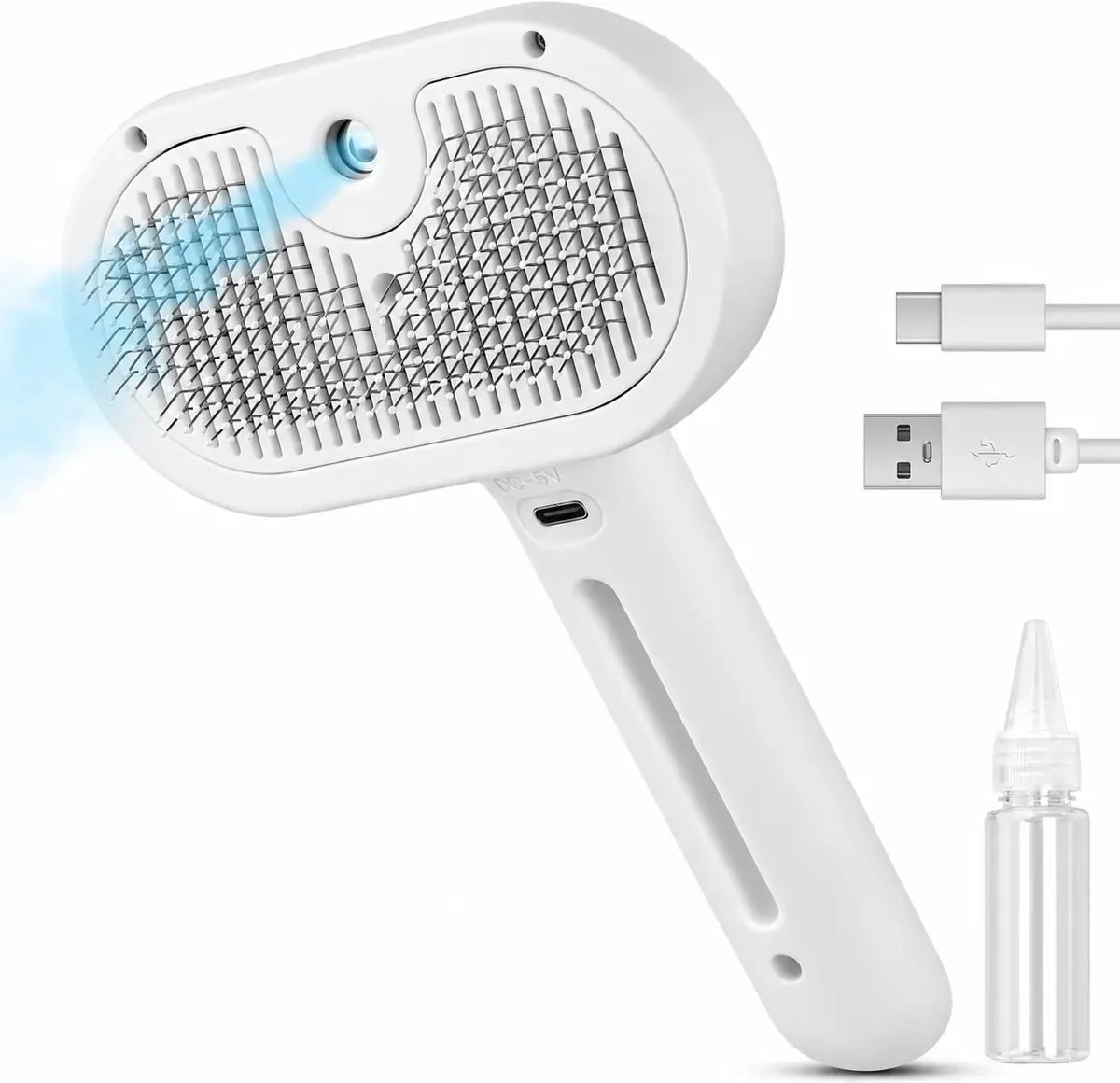
Shop cat brushes for shedding: self-cleaning slicker brushes, ergonomic deshedding brushes, cat-eared double-sided deshedding combs, handheld grooming combs, grooming and hair removal gloves, and rechargeable steam brushes that mist the coat as you brush. This page narrows our Cat Brushes range to tools that lift loose hair before it lands on the couch or becomes a hairball. Below is which brush suits which coat, how often to brush and how to make it a routine your cat accepts.
Why brushing helps a shedding cat
Every cat sheds, and most swallow a lot of that hair while grooming. VCA Animal Hospitals notes that regular brushing removes loose hair, spreads natural skin oils and reduces the amount a cat swallows, which can mean fewer hairballs. It also means less hair on furniture and clothes.
Brushing is a chance to check your cat's skin too. As you work, look for fleas, flaky skin, lumps or sore patches. Sudden heavy shedding, bald spots or overgrooming are worth showing your vet, as they can point to allergies, parasites or stress.
Long-haired vs short-haired cats
Long, silky or curly coats, such as Persians, Maine Coons and Ragdolls, tangle and mat easily. VCA recommends daily brushing for these coats, paying attention to behind the ears, under the arms and the back of the legs. A slicker brush followed by a long-toothed metal comb works best.
Short-coated cats shed just as much but tangle less. A grooming glove or a short-pin brush once or twice a week is usually enough, with extra sessions during spring and fall when many cats shed more heavily.
Slicker brushes and deshedding combs
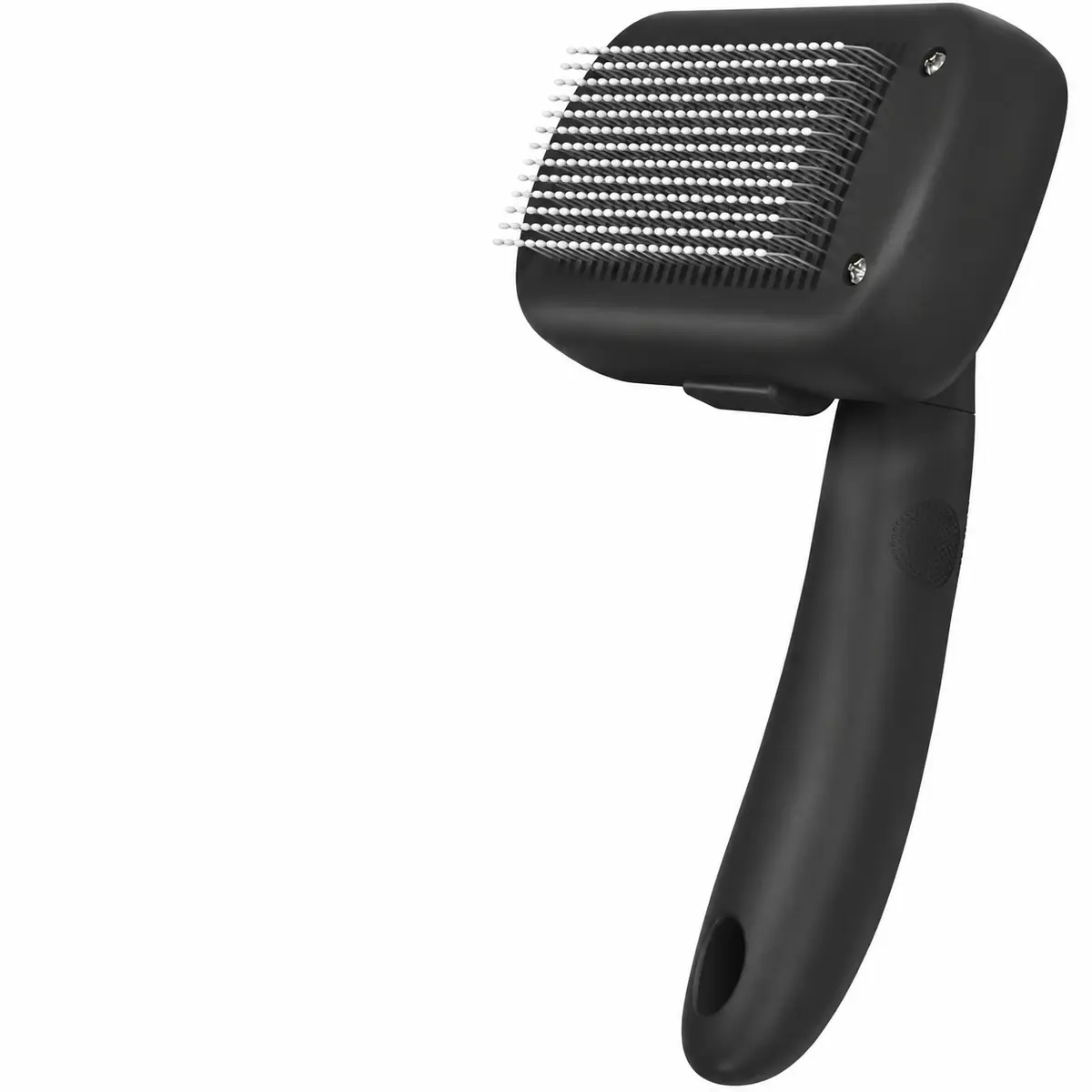
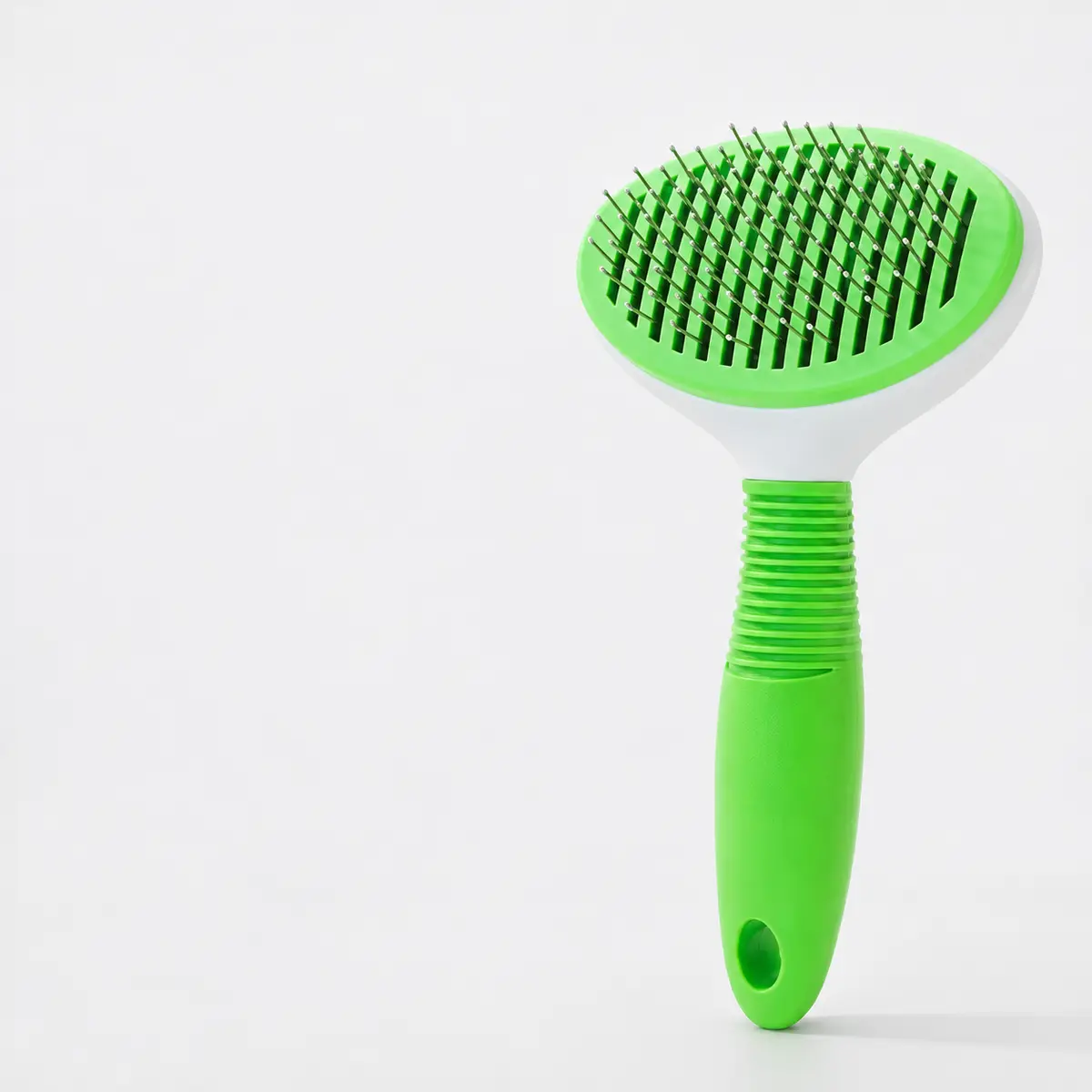
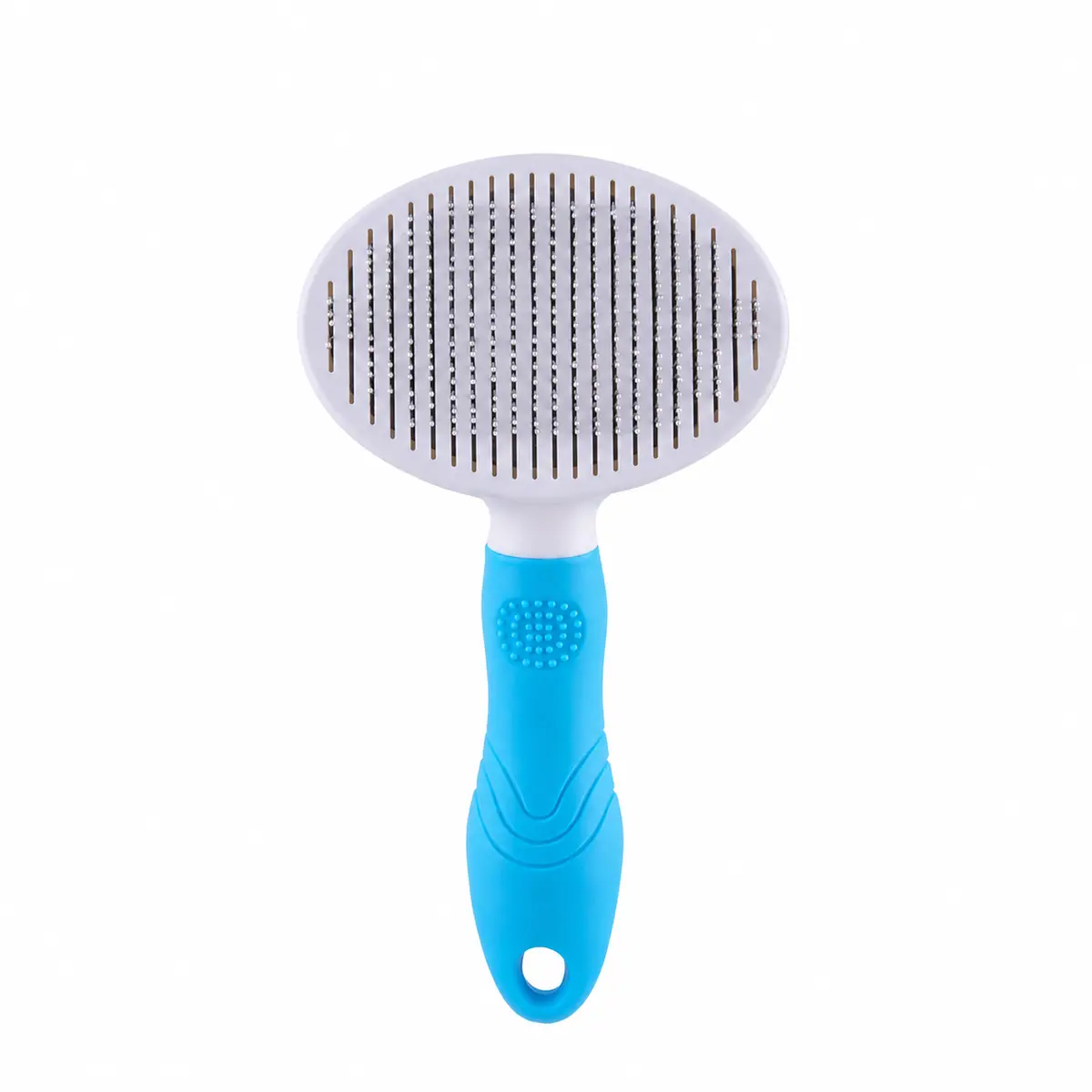
Self-cleaning slicker brushes have fine bent pins that catch loose hair and small knots, and retract at the push of a button so the hair slides off. They suit most coats when used gently, since cats have thin, sensitive skin.
Deshedding combs and double-sided combs pull loose undercoat from medium and long coats. Use short, light strokes in the direction of hair growth and never drag through a mat. VCA advises against cutting mats out with scissors, since it is easy to cut the skin; a groomer or vet can clip them safely.
Gloves and steam brushes
Grooming gloves let you remove hair while petting, which is ideal for cats that run from brushes. Many cats accept a glove on the first try, and you can follow up with a comb once your cat is relaxed.
Rechargeable steam brushes release a light mist of water through the bristles. The mist makes loose hair clump together, reduces flyaway hair and static, and can help with dry coats. Use plain water only, keep the mist away from the face, and introduce the sound slowly, as some cats are startled by it.
Making brushing a routine
Start with short sessions of a minute or two when your cat is relaxed, perhaps after a meal. Begin where most cats like to be touched, along the back and cheeks, and reward with treats or praise. Stop before your cat becomes restless.
Build up gradually over days and weeks. Brush outdoors or on a towel to collect hair. If your cat is older or overweight and can no longer groom its back, regular brushing becomes more important, and a vet can check whether pain is the reason it stopped.
What is the best brush for a cat that sheds a lot?
For long coats, a slicker brush plus a deshedding comb. For short coats, a grooming glove or short-pin brush. Self-cleaning slicker brushes are a good all-round choice for most cats.
How often should I brush my cat?
Daily for long-haired cats and once or twice a week for short-haired cats, with extra sessions during heavy seasonal shedding. Short, regular sessions work better than occasional long ones.
Does brushing reduce hairballs?
Yes. Brushing removes loose hair before your cat swallows it while grooming, which can mean fewer hairballs. Daily brushing helps most for long-haired cats, and during spring and fall shedding for every coat.
Are steam brushes safe for cats?
They are when used with plain water and the mist kept away from the face. Introduce the sound gradually, as some cats are wary of it at first.
How do I brush a cat that hates being brushed?
Try a grooming glove, keep sessions very short, start on the back and cheeks, and reward with treats. Stop before your cat gets annoyed, and build up over several weeks.