






Cats
Litter accessories
Tidy home. Happy cat.
16 items picked for everyday life with your pet, with shipping estimates on every item.
 The everyday essentials, sorted.
All cats grooming & hygiene →Cat litter boxes →Cat brushes →Litter box furniture & enclosures →Cat grooming supplies →Litter mats →Cat deshedding brushes →Cat nail clippers →Cat shampoo →Cat litter →Self cleaning litter boxes →
↗Tracked US shippingEstimates on every item↶Returns & refundsHow it works♡Here to helpTalk to Giddy Pets
All litter accessories
Little essentials. Lots of love.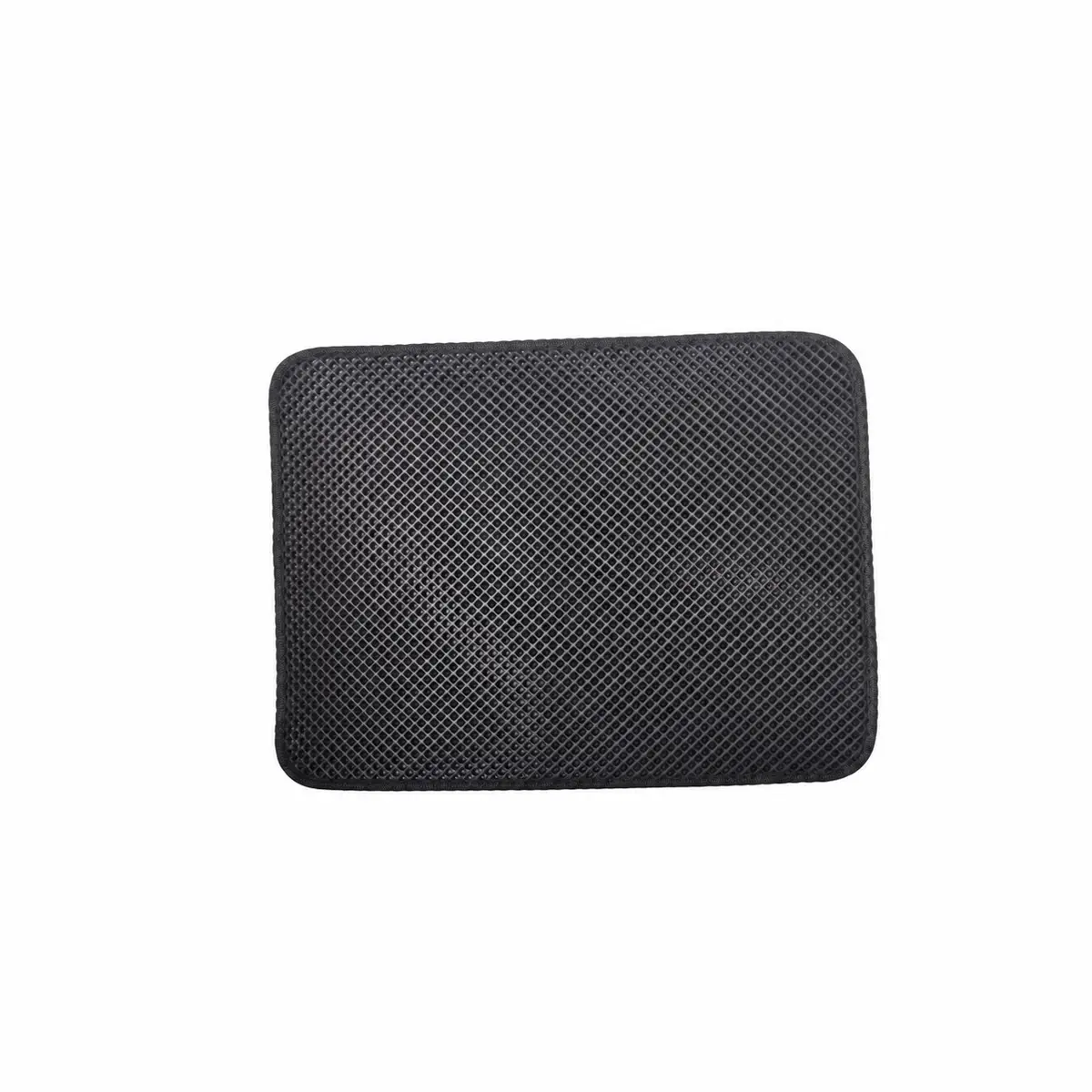
Litter mats
Double-Layer EVA Cat Litter Mat with Honeycomb Surface
- Options
- 29 to choose from
From $19.99



Litter accessories
Gold-Tone Metal Cat Litter Scoop with Optional Stand
- Options
- 2 to choose from
From $16.99


Litter accessories
Litter Scoop with Bag-Lined Collector and Refill Options
- Options
- 9 to choose from
From $10.99


Litter accessories
Long-Handled Aluminum Cat Litter Scoop with Rubber Grip
- Options
- 10 to choose from
$20.99


A little guidance
Help choosing litter accessories
Buying guides and care advice written for this range: what to measure, what matters and what to skip.
From our guides
- Best Cat Litter Scoop: What to Look For →
- Best Automatic Litter Box: How to Choose One Your Cat Will Use →
- Best Budget Automatic Litter Box: What Actually Matters →
- Best Cat Litter for Automatic Litter Boxes: What Actually Works →
- Best Cat Litter for Kittens: How to Choose →
- Best Cat Litter for Odor Control: What Actually Works →
These are the tools that go with our Litter Boxes range: stainless steel litter scoops with fine and wide slots, long-handled metal and mesh scoops, a scoop with holder, double-layer waterproof litter mats that trap scattered litter, and odor-control products. It is for any cat owner who scoops every day and wants it to be quicker, cleaner and less smelly.
Choosing a litter scoop
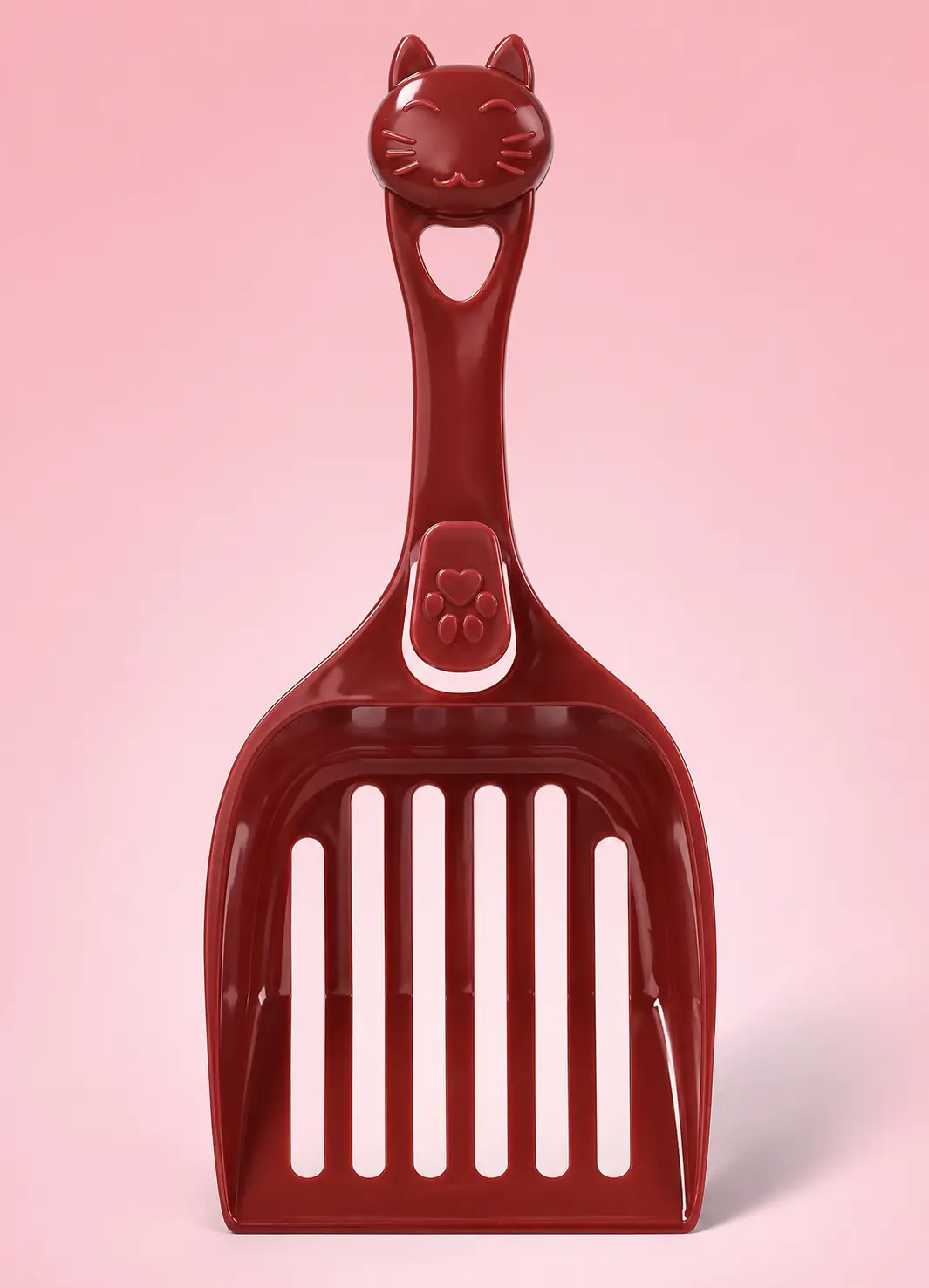
Metal scoops do not bend under heavy clumps and do not hold smells the way plastic can. Fine slots sift fine clumping litter and leave clean litter behind; wider slots suit coarse or pellet litters. A deep, wide scoop lifts big clumps in one go, which matters with large cats or multiple cats.
Long-handled scoops save bending, which helps owners with back problems and boxes set inside cabinets. Keep the scoop in a holder beside the box and rinse it regularly. Stainless steel can be washed in hot water and dried quickly.
How often to scoop and clean
The ASPCA recommends scooping at least once a day and doing a full change once a week, rinsing the box with baking soda or unscented soap and replacing all the litter. Cats are particular about a dirty box, and a box that is not scooped is one of the most common reasons a cat goes elsewhere.
The ASPCA also suggests one to two inches of litter rather than a deep layer, and that most cats prefer clumping, unscented litter. A good scoop makes daily cleaning a two-minute job, which is what makes it sustainable.
Litter mats
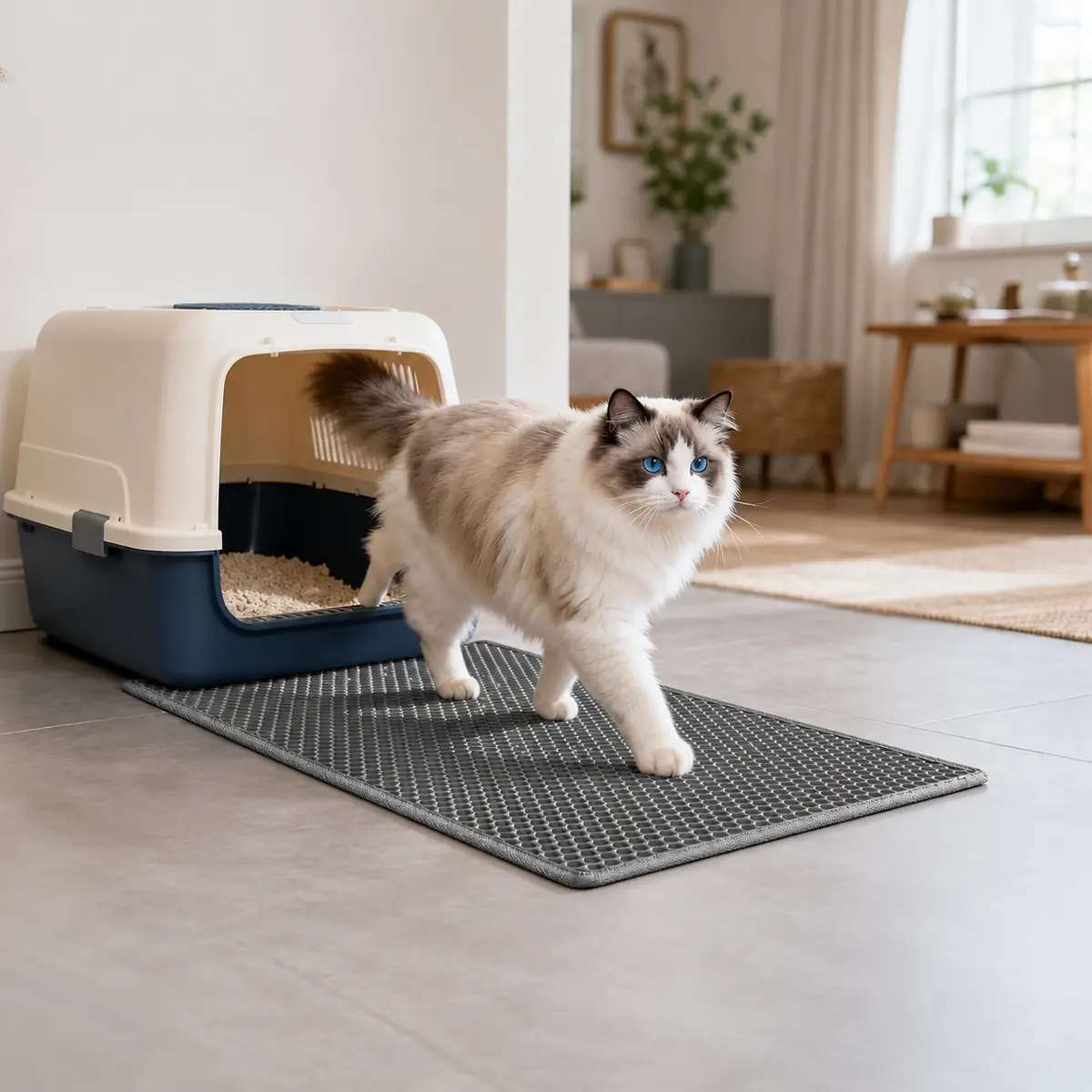
A litter mat in front of the box catches the granules that stick to paws as a cat steps out. Double-layer mats have holes in the top layer so litter falls through and stays trapped between the layers; empty it back into the box or the trash every few days.
Waterproof mats also protect the floor from the occasional miss. Choose a mat large enough that your cat lands on it with all four feet, and wipe or rinse it weekly.
Odor control without putting cats off
The best odor control is a clean box: daily scooping, a weekly change and enough boxes, which the ASPCA puts at one per cat plus one. Strong fragrances are a risk, because the ASPCA notes most cats prefer unscented litter and that scented cleaners can make a cat avoid the box.
If you use a deodorizing product, choose one designed for litter areas, keep it out of reach, and introduce it gradually while watching that your cat still uses the box. A sudden change in litter habits, straining, or peeing outside the box should be checked by your vet.
How often should I scoop the litter box?
At least once a day, according to the ASPCA, with a full litter change and a rinse of the box once a week. Multi-cat homes may need scooping twice daily.
Are metal litter scoops better than plastic?
Metal scoops are stiffer, last longer and do not hold odors, and they can be washed in hot water. Choose slot size to match your litter type.
Do litter mats really work?
Yes. A double-layer mat traps the litter that sticks to paws, keeping it off the floor. Pick one large enough for your cat to land on with all four feet.
Is litter deodorizer safe for cats?
Use products made for litter areas and introduce them slowly. Many cats dislike strong scents, and the ASPCA notes most prefer unscented litter, so watch your cat keeps using the box.
Where should I put a litter mat?
Right in front of the box entrance, so your cat steps onto it with all four feet as it leaves. A larger mat catches more litter, especially from cats that jump out of the box.