








Cats
Top-entry cat litter boxes
Tidy home. Happy cat.
14 items picked for everyday life with your pet, with shipping estimates on every item.
 The everyday essentials, sorted.
All cats grooming & hygiene →Cat brushes →Litter box furniture & enclosures →Cat grooming supplies →Litter accessories →Litter mats →Cat deshedding brushes →Cat nail clippers →Cat shampoo →Cat litter →Self cleaning litter boxes →
↗Tracked US shippingEstimates on every item↶Returns & refundsHow it works♡Here to helpTalk to Giddy Pets
Find their favorites
Shop cat litter boxes by type
Choose a section to narrow the range.
All top-entry cat litter boxes
Little essentials. Lots of love.


Cat litter boxes
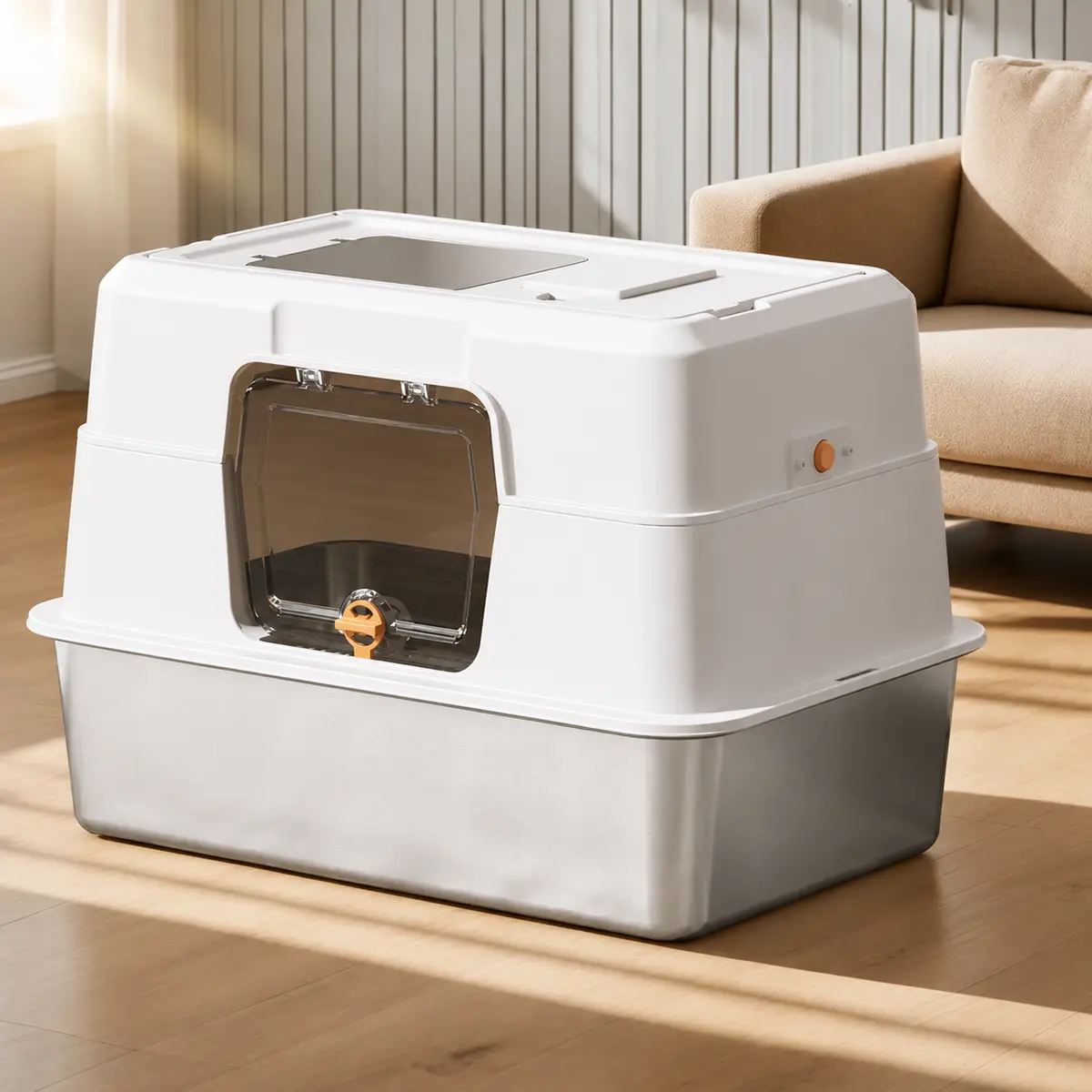
Covered Cat Litter Box with Front Platform and Top Entry
- Options
- 2 to choose from
$62.99



Cat litter boxes
Enclosed Cat Litter Box with Top and Front Entry and Pull-Out Drawer
- Options
- 4 to choose from
$42.99


A little guidance
Help choosing top-entry cat litter boxes
Buying guides and care advice written for this range: what to measure, what matters and what to skip.
From our guides
- Best Top Entry Litter Boxes: What Actually Matters →
- Best Dog-Proof Litter Box: What Actually Keeps Dogs Out →
- Best Litter Boxes for Odor Control: How to Choose the Right One →
- Best Disposable Litter Box: What Actually Matters →
- How Many Litter Boxes Per Cat Do You Need? →
- Best Stainless Steel Cat Litter Box: What Matters →
Shop top entry litter boxes: enclosed boxes your cat enters through a grated lid on top, dual-entry designs with a front door and a top exit, magic cube boxes with a pull-out drawer, and convertible lids that switch between top and front entry. Most include a scoop. This page narrows our Litter Boxes range to designs that cut litter tracking and keep dogs and toddlers out. Below is how they work, which cats suit them, and how to help a cat make the switch.
How a top entry box works
Your cat jumps onto the lid, steps through an opening and drops into the box, then climbs back out the same way. The lid is usually grated or textured, so litter caught between toes falls back inside rather than being carried across the floor. That is the main reason owners choose one.
The high walls also contain kicked litter and spraying. And because the opening is on top, dogs and small children usually cannot reach inside, which matters in homes where the dog treats the litter box as a snack bar.
Which cats suit top entry
Top entry boxes suit healthy, agile adult cats. They are a poor fit for kittens, senior cats and cats with arthritis or mobility problems, which the Cornell Feline Health Center notes need boxes with low sides. Jumping in and out is hard on sore joints, and a cat that struggles may start going elsewhere.
Large cats need a box with a wide enough opening and enough room inside to turn around. Check both the top hole and the internal floor size, and choose a larger model for big breeds.
Dual entry and convertible designs
Several boxes here have a front door and a top exit, or a lid that converts between the two. These are a good way to transition a cat: start with the front entry, which feels like a normal hooded box, then close it and switch to the top once your cat is confident.
Front-entry, top-exit designs also help cats that like to walk in but jump out, and the top exit still catches litter from paws. Drawer models let you slide out the litter tray for scooping without lifting the lid.
Odor and ventilation
Enclosed boxes keep smell inside, which is good for you but not always for your cat. Cornell notes that most cats prefer an uncovered box, partly because odor can build up under a lid. Scoop a top entry box every day without fail, and change litter often so the inside stays fresh.
Some boxes include deodorizing bags or filters, which help. Avoid strongly scented litters inside an enclosed box, since a cat's nose is far more sensitive than yours, and ventilated lids make a real difference.
Helping your cat switch
Place the new box beside the old one and leave the lid off or the front door open at first. Put a scoop of used litter inside so it smells familiar. Once your cat uses it, replace the lid, and drop a treat on top to encourage jumping up.
Keep the old box available until the new one is used reliably, and follow Cornell's guidance of one box per cat plus one. If your cat avoids the new box or starts going outside it, go back a step, and see a vet if changes in litter habits continue.
Do top entry litter boxes reduce tracking?
Yes. Cats step out onto a grated lid, which knocks loose litter off their paws and back into the box. You will still find some litter, but far less than with an open box.
Are top entry litter boxes good for older cats?
Usually not. Jumping in and out is hard for senior and arthritic cats. A low-entry or high sided open box is a better choice for cats with stiff joints.
Do top entry litter boxes keep dogs out?
Most dogs cannot fit through the top opening, so a top entry box is one of the simplest ways to stop a dog eating from the litter box. Small dogs may still try.
How do I get my cat to use a top entry litter box?
Start with the lid off or the front door open, add some used litter, then add the lid once your cat uses it. Keep the old box available until the switch is complete.
Do top entry boxes smell?
They can trap odor inside, so scoop daily and change litter often. Ventilated lids and deodorizing filters help, and unscented litter is kinder to your cat's nose.