








Cats
High-sided cat litter boxes
Tidy home. Happy cat.
22 items picked for everyday life with your pet, with shipping estimates on every item.
 The everyday essentials, sorted.
All cats grooming & hygiene →Cat brushes →Litter box furniture & enclosures →Cat grooming supplies →Litter accessories →Litter mats →Cat deshedding brushes →Cat nail clippers →Cat shampoo →Cat litter →Self cleaning litter boxes →
↗Tracked US shippingEstimates on every item↶Returns & refundsHow it works♡Here to helpTalk to Giddy Pets
Find their favorites
Shop cat litter boxes by type
Choose a section to narrow the range.
All high-sided cat litter boxes
Little essentials. Lots of love.

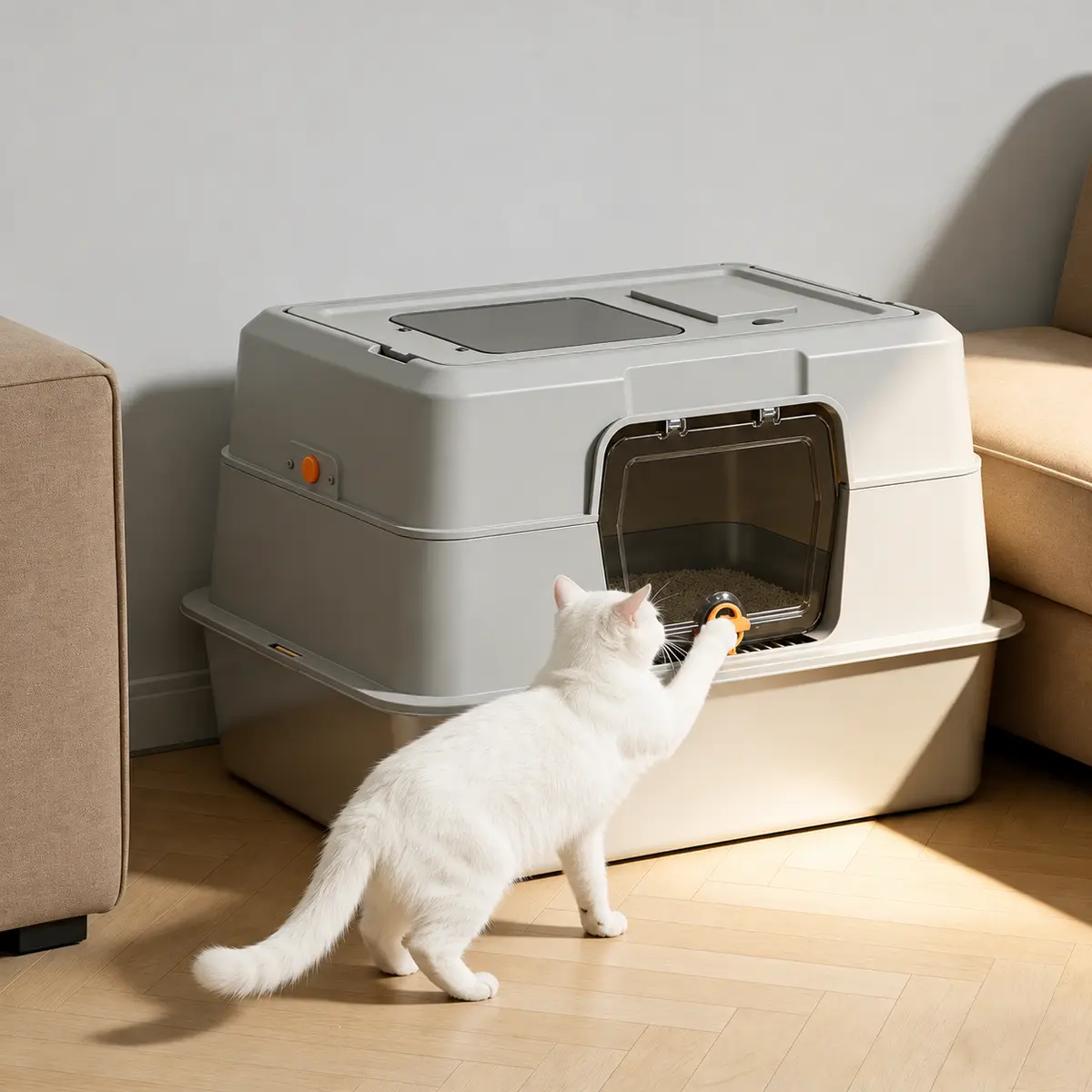
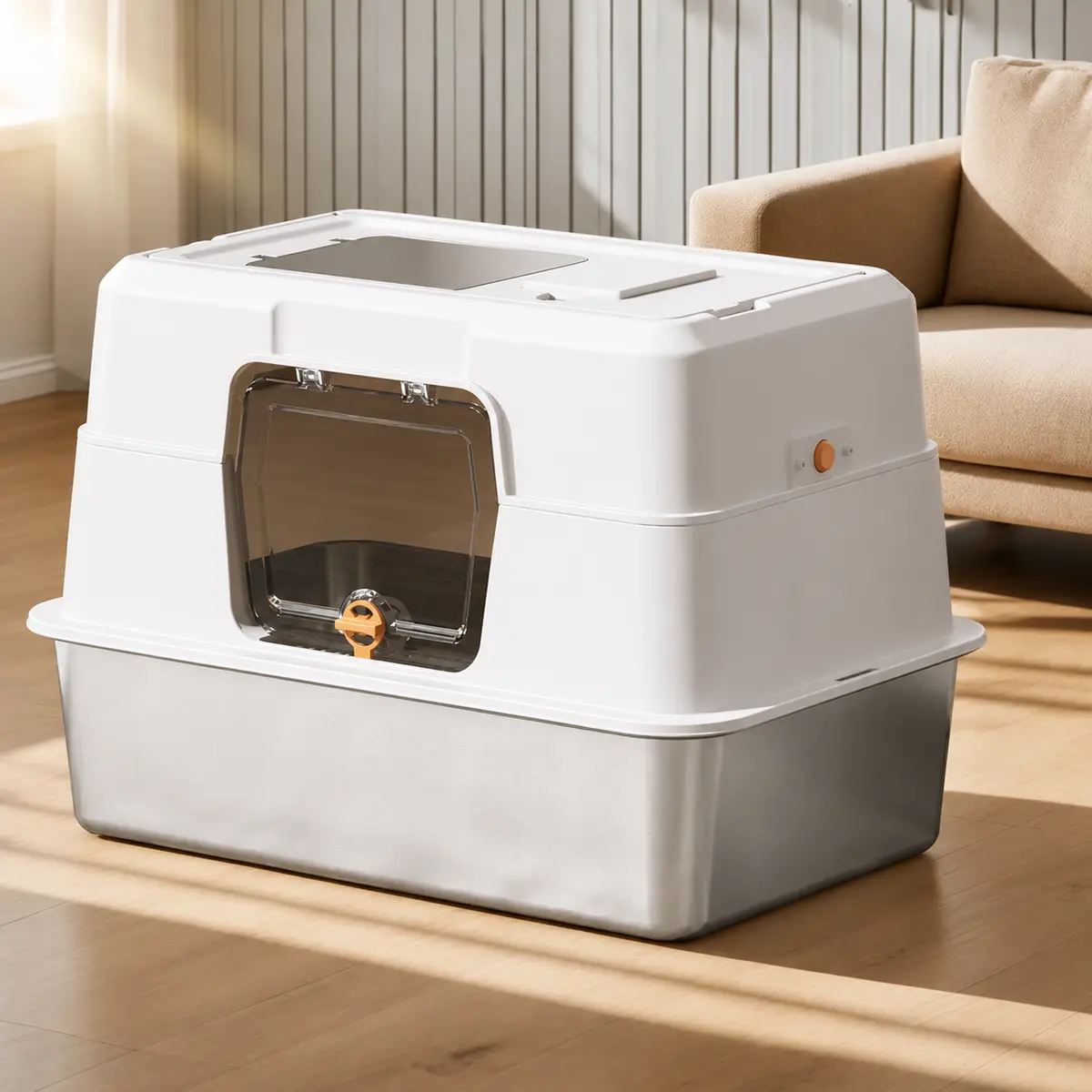


Cat litter boxes
High-Rim Open Cat Litter Tray with Scoop, Optional Paw Mat
- Options
- 9 to choose from
From $28.99


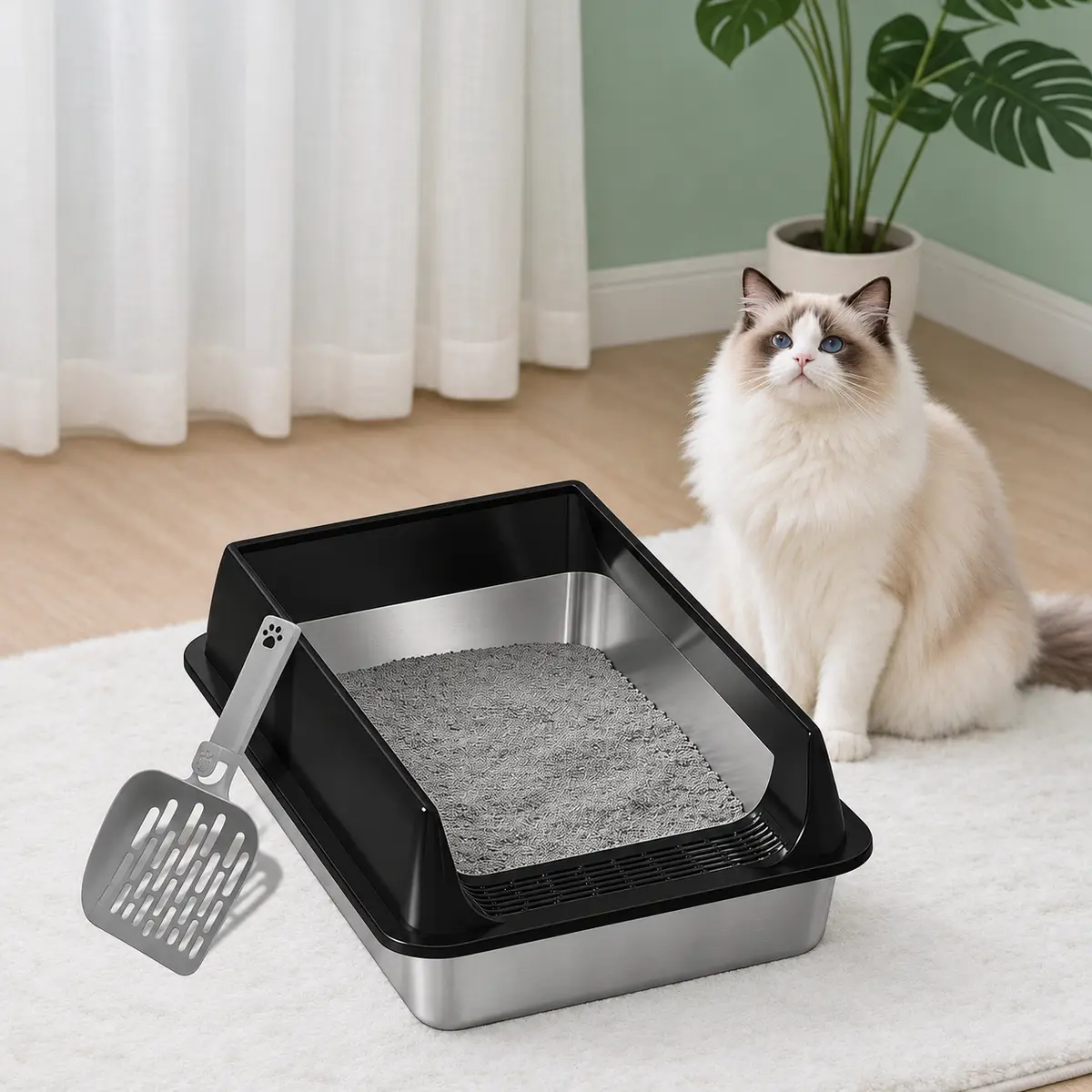
Cat litter boxes
Stainless Steel Open-Top Cat Litter Box with High Sides and Pedal
- Options
- 4 to choose from
From $51.99

Cat litter boxes
Tipping Bucket Semi-Enclosed Cat Litter Box with Stand
- Options
- 3 to choose from
$128.99

A little guidance
Help choosing high-sided cat litter boxes
Buying guides and care advice written for this range: what to measure, what matters and what to skip.
From our guides
- Best Disposable Litter Box: What Actually Matters →
- Best Litter Boxes for Odor Control: How to Choose the Right One →
- How Many Litter Boxes Per Cat Do You Need? →
- Best Covered Litter Boxes: What to Look For Before You Buy →
- Best Stainless Steel Cat Litter Box: What Matters →
- Best Dog-Proof Litter Box: What Actually Keeps Dogs Out →
Shop high sided cat litter boxes for cats that kick litter across the floor, spray or pee against the wall, or stand up to go: stainless steel boxes with tall sides and a low entry, XL boxes for big and multiple cats, semi-enclosed boxes with a footboard, and a few enclosed stainless options. This page narrows our Litter Boxes range to tall walls that keep the mess inside. Below is how to choose the height, entry and size, and why stainless steel is popular.
Who needs a high sided box
High sides solve three common problems. Some cats dig with enthusiasm and fling litter over a standard rim. Some, often males, stand rather than squat, so urine hits the wall above a low box. And some back up to the edge and miss. Tall walls catch all three while leaving the top open.
An open top matters. The Cornell Feline Health Center notes that most cats prefer an uncovered box, which lets odor escape and gives a view all around. A high sided box keeps that open feel, which makes it a good compromise for cats that refuse hooded boxes.
Entry height for kittens and seniors
The trade-off with tall walls is getting in. Look for a box with a lower entry cutout on one side, which most of the boxes here have, so your cat steps over a low threshold rather than climbing a wall.
Cornell advises low sides for kittens, elderly cats and cats with mobility or joint problems. If you have a senior or arthritic cat, check the entry height before buying, and consider a ramp or step. A cat that finds the box hard to get into may start going elsewhere.
Why stainless steel
Much of this range is stainless steel. Unlike plastic, steel does not scratch, so it does not develop the fine grooves where bacteria and odor collect over time, and it does not absorb smells. It wipes clean easily and is the material least likely to need replacing.
Stainless boxes are heavier and cost more up front, but they last for years. Plastic boxes still work well, and the semi-enclosed and footboard designs here help contain litter. Replace any plastic box that has become scratched or holds a smell, as Cornell recommends.
Size for big cats and multiple cats
Bigger is better. Cornell notes that larger and overweight cats need bigger boxes. A good guide is a box about one and a half times your cat's length from nose to the base of the tail, so it can turn around and dig comfortably. The XL boxes here are made for large breeds and shared use.
Even with an XL box, Cornell's rule for multi-cat homes is one box per cat plus one extra, placed in different areas. Two cats sharing one large box is not the same as each having their own.
Placement and cleaning
Put the box somewhere quiet, private and away from food and water, with more than one way out so a cat does not feel trapped. Avoid placing it where your cat would have to climb stairs if it has trouble with them.
Scoop clumps and feces daily and top up litter as needed. Scrub the box with mild detergent periodically, dry it fully and refill. If your cat starts going outside the box despite a clean, well-placed box, see your vet, since house soiling can be a sign of urinary problems or pain.
Do high sided litter boxes stop litter kicking?
They contain most of it. Tall walls catch litter flung by enthusiastic diggers. A mat outside the entry catches what sticks to paws, and a lower entry cutout keeps the box easy to get into.
Is a high sided box better than a covered box?
For many cats, yes. Most cats prefer an open top that lets odor escape and gives a view all around. A high sided box contains mess while keeping that open feel.
Are stainless steel litter boxes worth it?
Many owners find they are. Stainless steel does not scratch or absorb odor, cleans easily and lasts for years. It costs more than plastic, but you are unlikely to need to replace it.
Can older cats use high sided litter boxes?
Yes, if the box has a low entry cutout. Senior and arthritic cats need a low step-in point. Check the entry height before buying, and add a ramp if needed.
How big should a litter box be?
Aim for about one and a half times your cat's body length, nose to tail base, so it can turn and dig. Large and overweight cats need bigger boxes, such as an XL model.