







Cats
Stainless steel cat litter boxes
Tidy home. Happy cat.
27 items picked for everyday life with your pet, with shipping estimates on every item.
 The everyday essentials, sorted.
All cats grooming & hygiene →Cat brushes →Litter box furniture & enclosures →Cat grooming supplies →Litter accessories →Litter mats →Cat deshedding brushes →Cat nail clippers →Cat shampoo →Cat litter →Self cleaning litter boxes →
↗Tracked US shippingEstimates on every item↶Returns & refundsHow it works♡Here to helpTalk to Giddy Pets
Find their favorites
Shop cat litter boxes by type
Choose a section to narrow the range.
All stainless steel cat litter boxes
Little essentials. Lots of love.


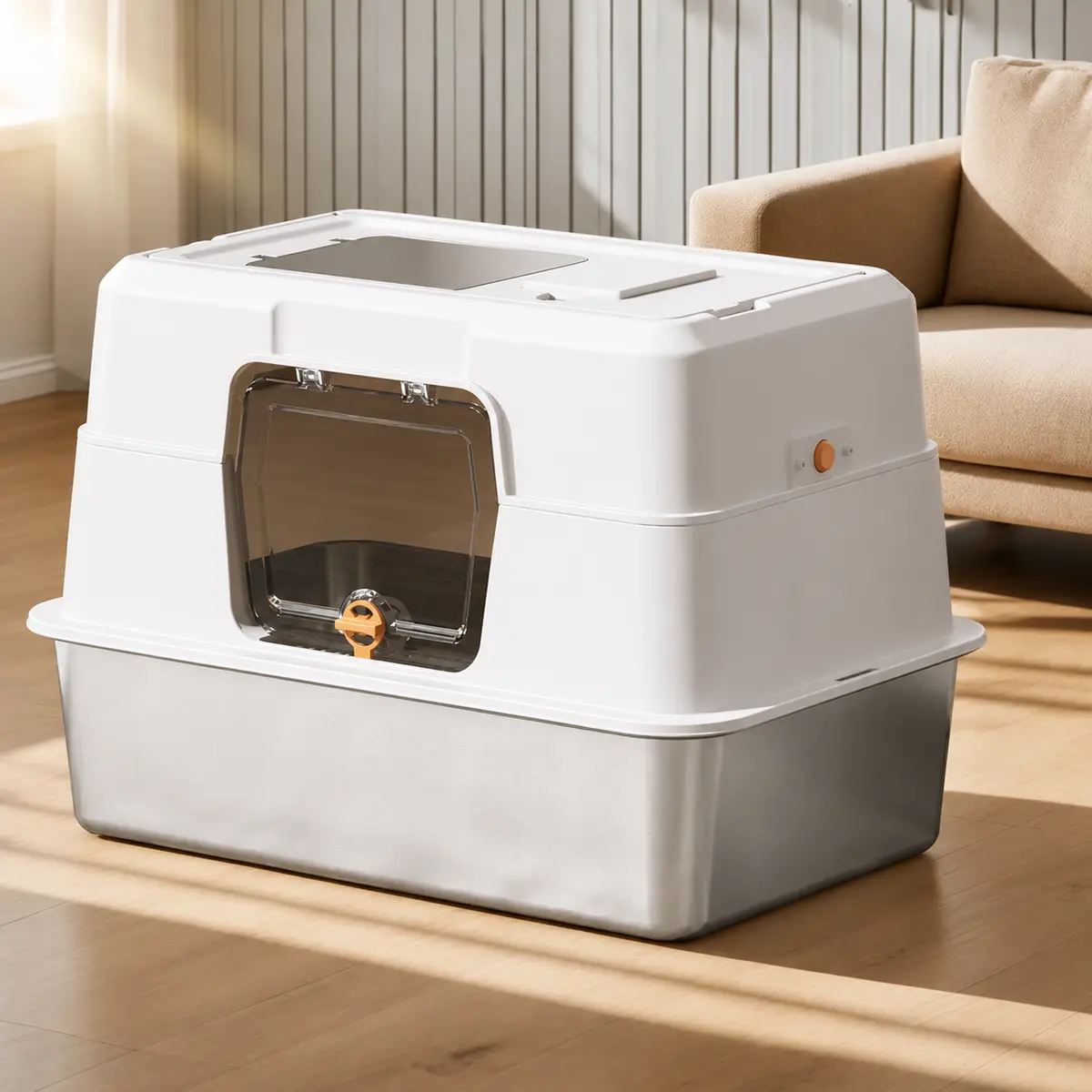
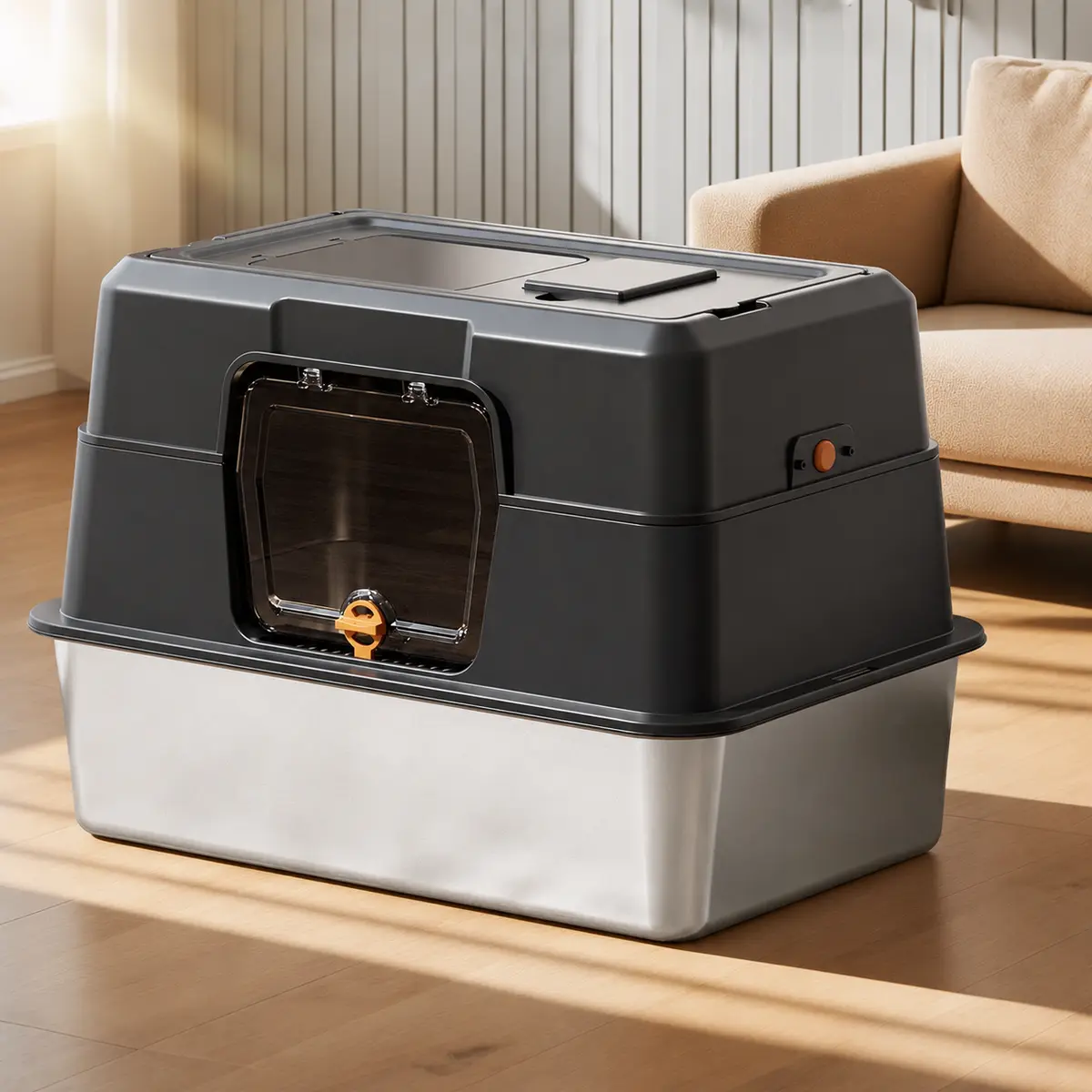


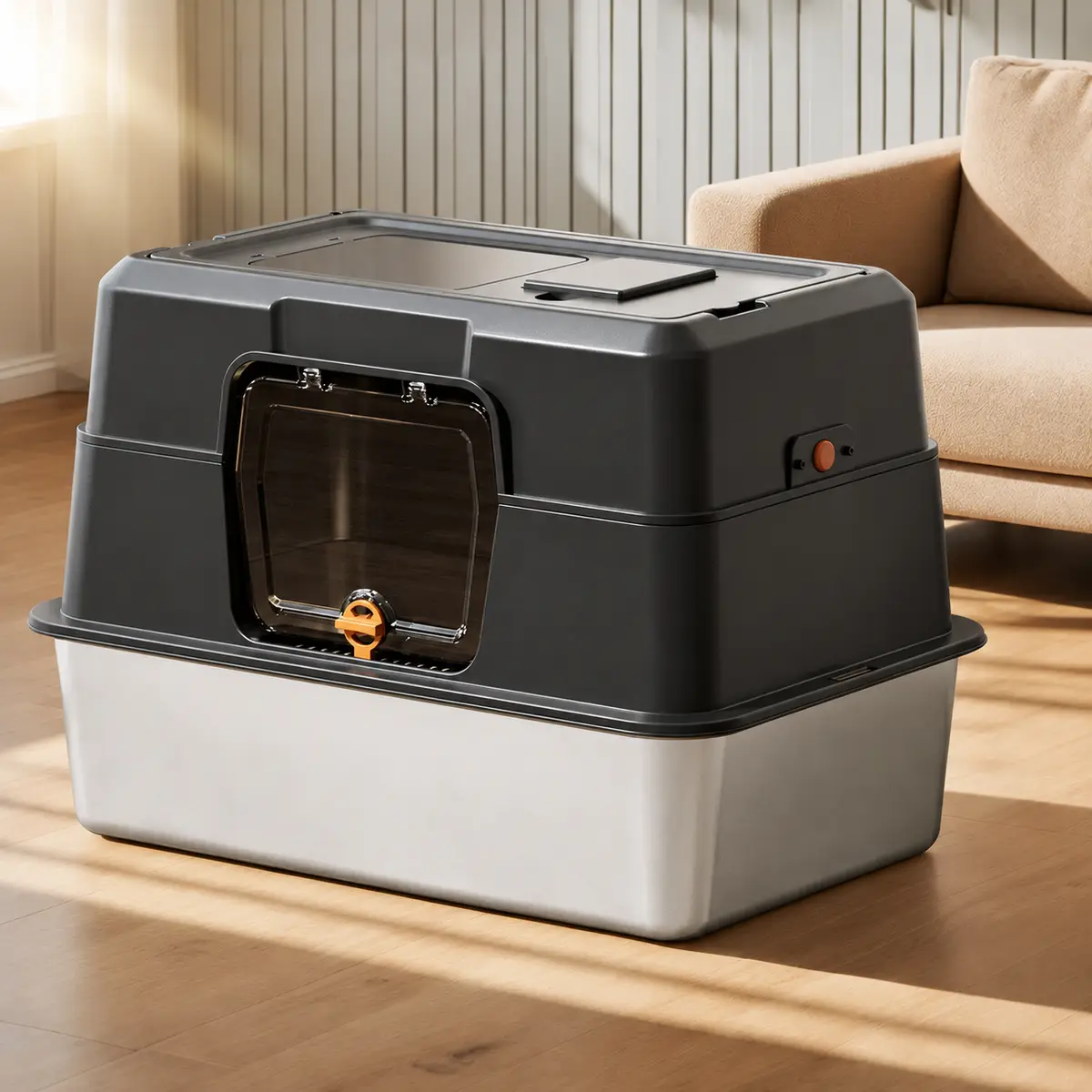

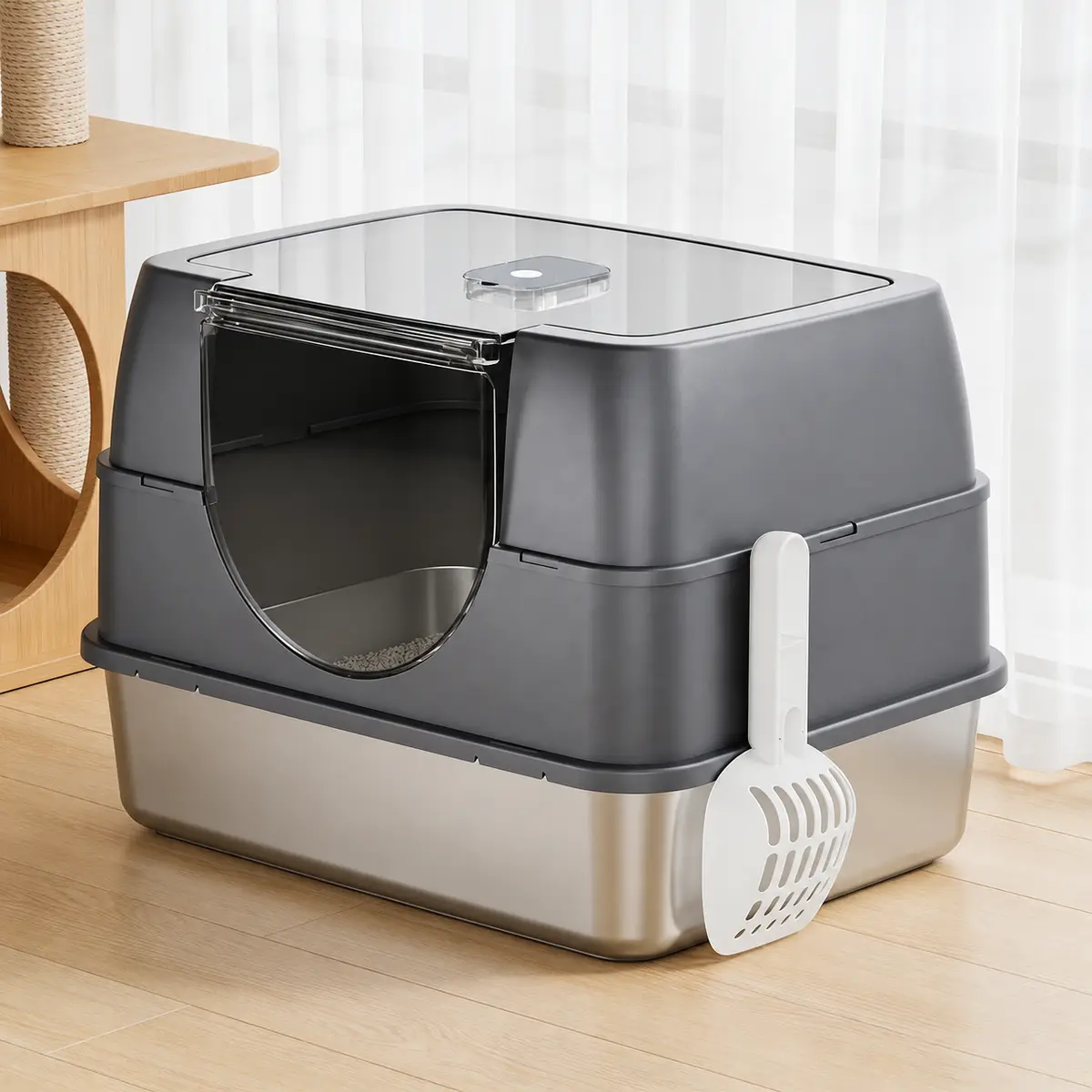
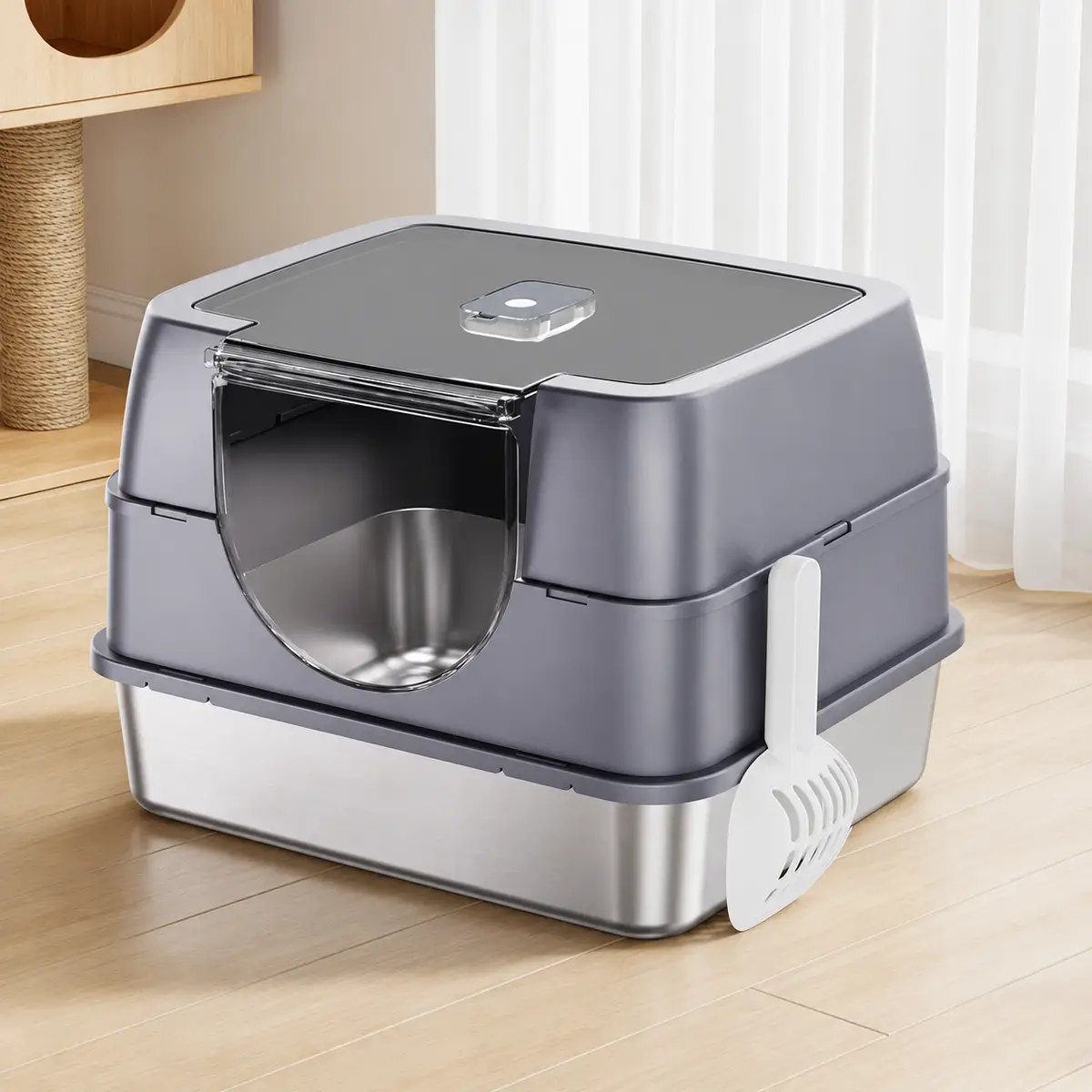


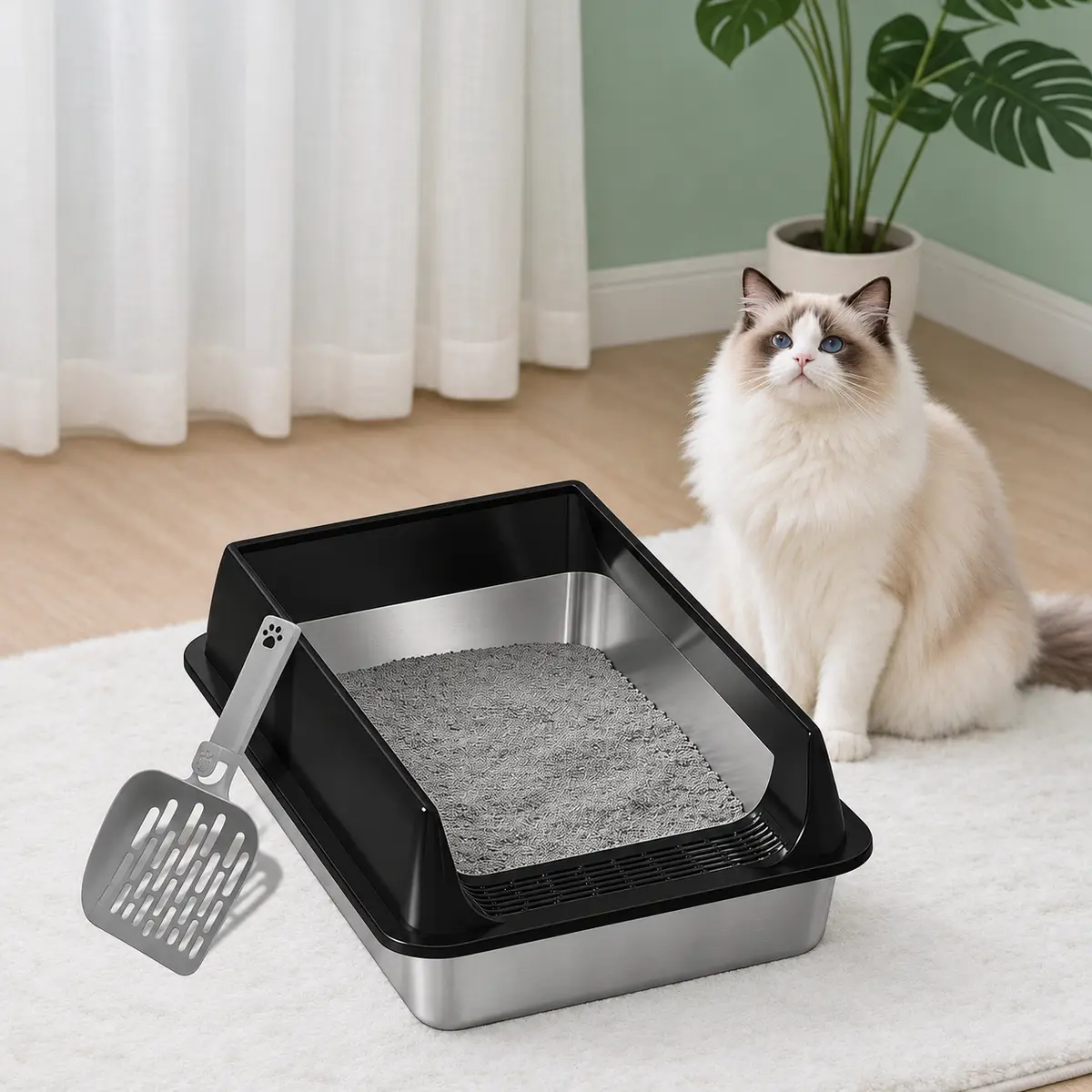
Cat litter boxes
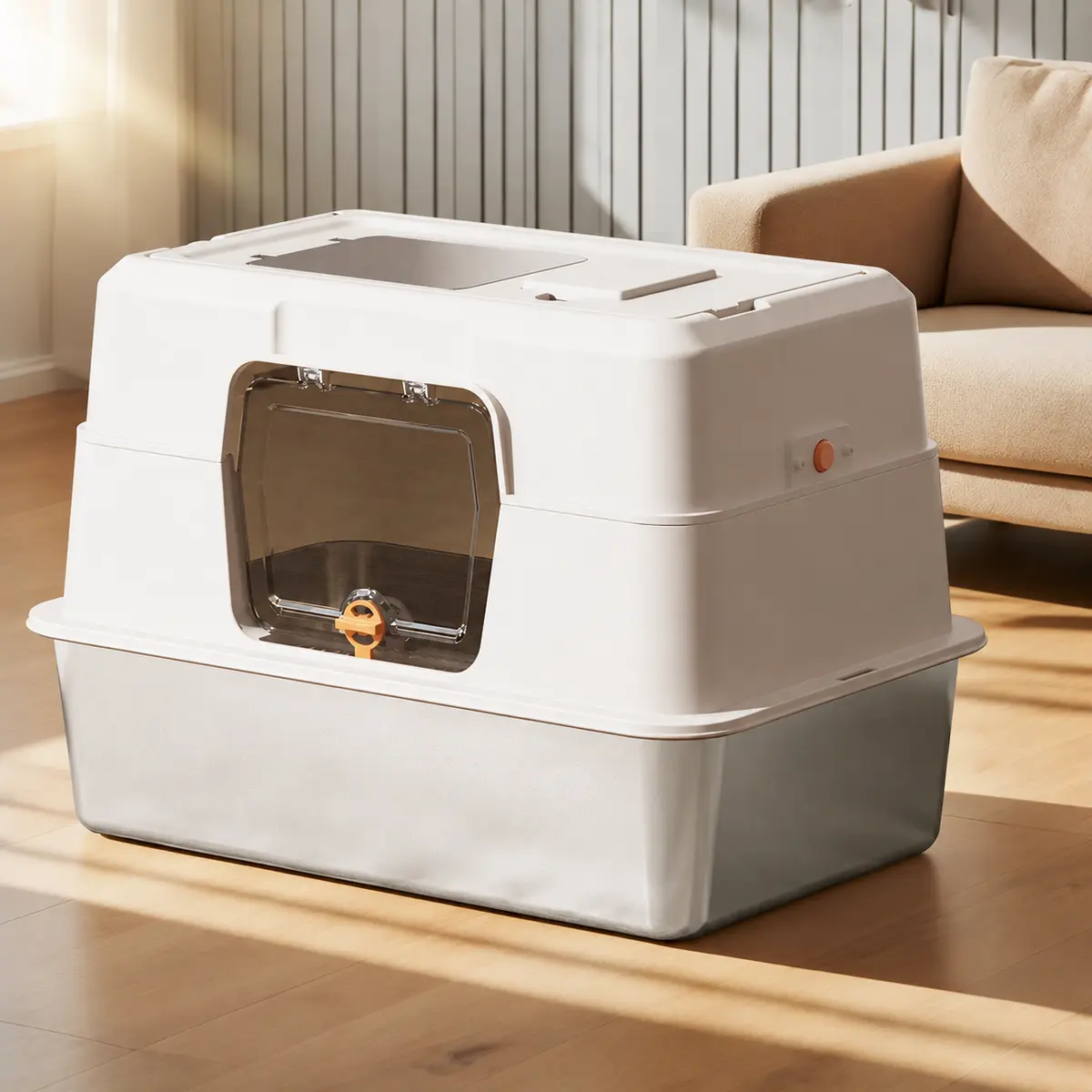
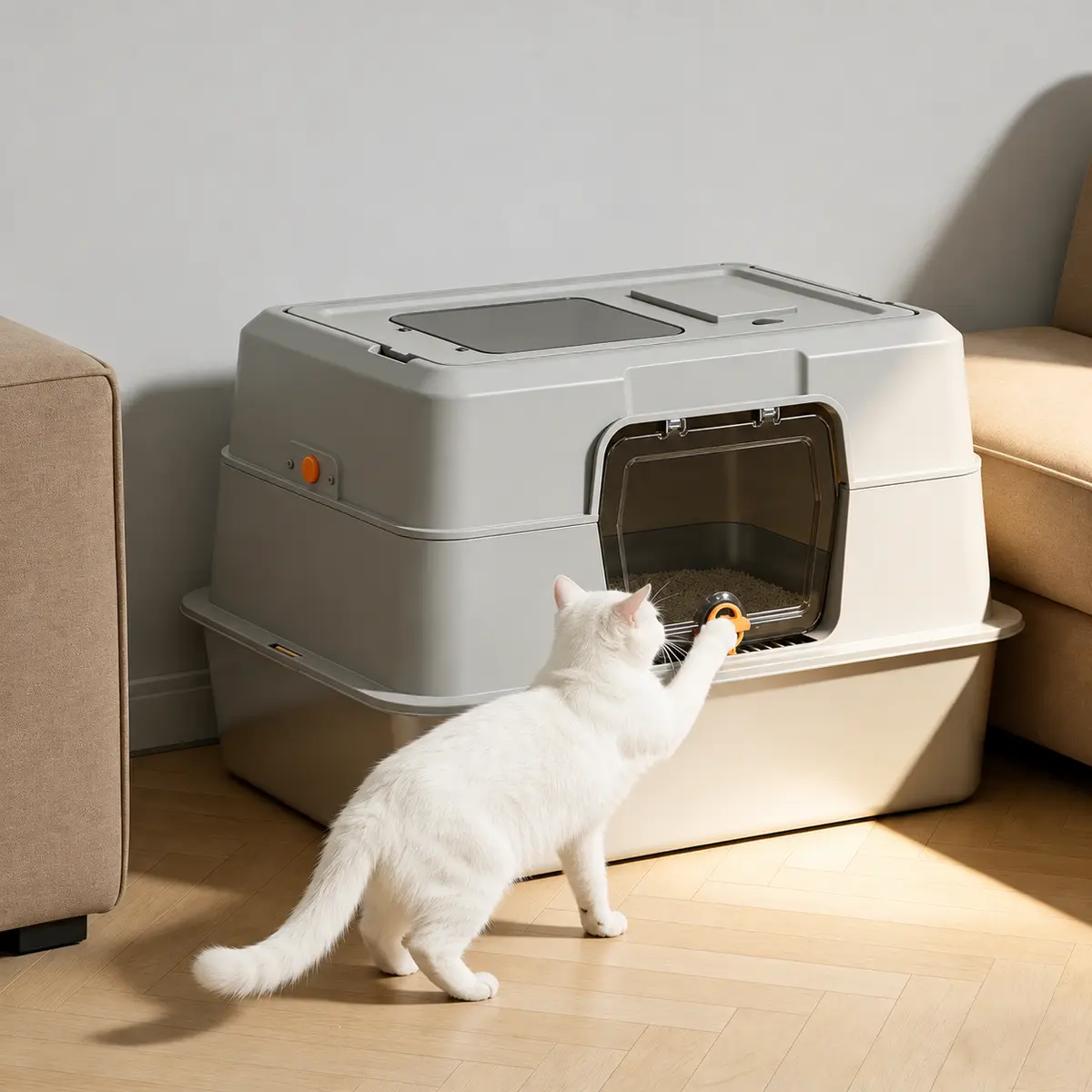
Stainless Steel Open-Top Cat Litter Box with High Sides and Pedal
- Options
- 4 to choose from
From $51.99
A little guidance
Help choosing stainless steel cat litter boxes
Buying guides and care advice written for this range: what to measure, what matters and what to skip.
From our guides
- Best Stainless Steel Cat Litter Box: What Matters →
- Best Disposable Litter Box: What Actually Matters →
- Best Litter Boxes for Odor Control: How to Choose the Right One →
- How Many Litter Boxes Per Cat Do You Need? →
- Best Covered Litter Boxes: What to Look For Before You Buy →
- Best Dog-Proof Litter Box: What Actually Keeps Dogs Out →
These are the stainless steel boxes from our Litter Boxes range: open-top trays, high-sided boxes that contain kicked litter, fully enclosed boxes with lids and entry steps, and extra-large boxes for big cats or multi-cat homes, several with a matching metal scoop. This page is for owners who are tired of plastic boxes that scratch, stain and hold odor.
Why choose a stainless steel litter box
Plastic litter boxes scratch every time you scoop, and urine and bacteria settle into those scratches. Over months the box holds a smell that no amount of washing removes. Stainless steel does not scratch as readily, does not absorb odor and wipes clean, so the box you have in three years smells like the one you bought.
Steel also does not crack or warp, and it is heavier, so a box is less likely to slide when a cat jumps out. The tradeoff is weight when you carry it to wash, and a higher upfront cost than a plastic tray. For most owners the box outlasts several plastic ones, which is the point.
Open, high-sided or enclosed
Open-top boxes are the easiest for cats to use and for you to scoop, and the ASPCA notes that most cats prefer large boxes without lids or liners. A high-sided box keeps the open top but adds tall walls, often with a lower entry cut-out, which stops litter being sprayed over the floor by cats that dig hard or stand to pee.
Enclosed steel boxes with lids contain scatter and smell from the room, and some have an entry footboard that catches litter from paws. If you switch a cat from an open box to a covered one, give it time and keep an open box available at first. Some cats refuse covered boxes, and a cat that avoids the box is the problem you most want to avoid.
Sizing for big cats and multiple cats
A cat should be able to turn around and dig without touching the sides. A practical rule is a box about one and a half times the cat's length from nose to the base of the tail, which is why XL boxes matter for Maine Coons, ragdolls and other large breeds.
For more than one cat, the ASPCA guidance is one box per cat plus one extra, and one on each floor of a multi-level home. A single extra-large box does not replace that rule, because some cats will not share. Put boxes in quiet places that are easy to reach and away from food and water.
Cleaning a stainless steel box
Scoop at least once a day; the ASPCA recommends daily scooping and a weekly full change with the box rinsed using baking soda or unscented soap. Steel tolerates hot water, so a full wash is quick. Avoid strong-smelling cleaners, which can put cats off the box.
Use one to two inches of unscented clumping litter, which is the depth the ASPCA says most cats prefer. Metal scoops pair well with steel boxes because they do not bend on clumps and are easy to sterilize. Dry the box fully before refilling so clumps do not stick to the base.
Are stainless steel litter boxes better than plastic?
For odor and cleaning, yes. Steel does not scratch as easily, so bacteria and urine smell do not build up in the surface the way they do in older plastic boxes.
Do stainless steel litter boxes rust?
Good stainless steel resists rust in normal use. Rinse and dry it during weekly cleaning and avoid bleach left standing in the box, which can mark the surface over time.
What size litter box for a large cat?
Aim for about one and a half times your cat's body length, nose to base of tail. Large breeds such as Maine Coons usually need an XL box with high sides.
Do cats like covered litter boxes?
Some do, but the ASPCA notes most cats prefer uncovered boxes. If you choose an enclosed steel box, introduce it alongside an open one and watch that your cat uses it.