







Cats
Catnip & silvervine toys
Pounce, chase, play.
20 items picked for everyday life with your pet, with shipping estimates on every item.
 A little fun goes a long way.
All cats toys & play →Cat toys →Cat scratchers →Interactive cat toys →Cat tunnels →Cat scratching posts →Cat puzzle feeders →Cat exercise wheels →Cat scratch deterrents →
↗Tracked US shippingEstimates on every item↶Returns & refundsHow it works♡Here to helpTalk to Giddy Pets
All catnip & silvervine toys
Little essentials. Lots of love.
Catnip & silvervine toys
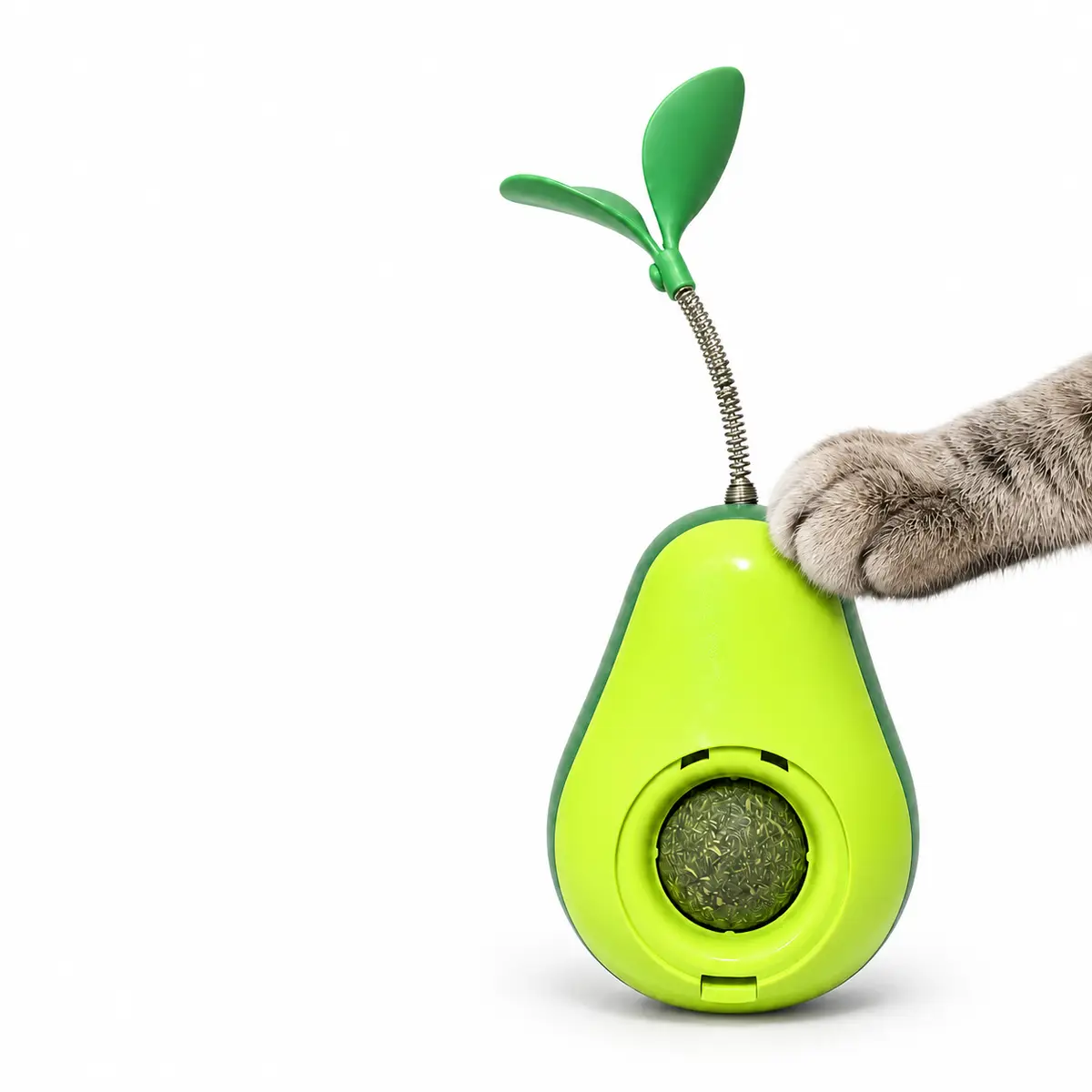
Catnip Ball Toy with Shaped Plastic Holder and Clear Cover
- Options
- 9 to choose from
$11.99

Cat toys
5-Piece Cat Toy Variety Set with Fish, Carrot and Rope Toys
- Options
- 7 to choose from
From $13.99



Cat toys
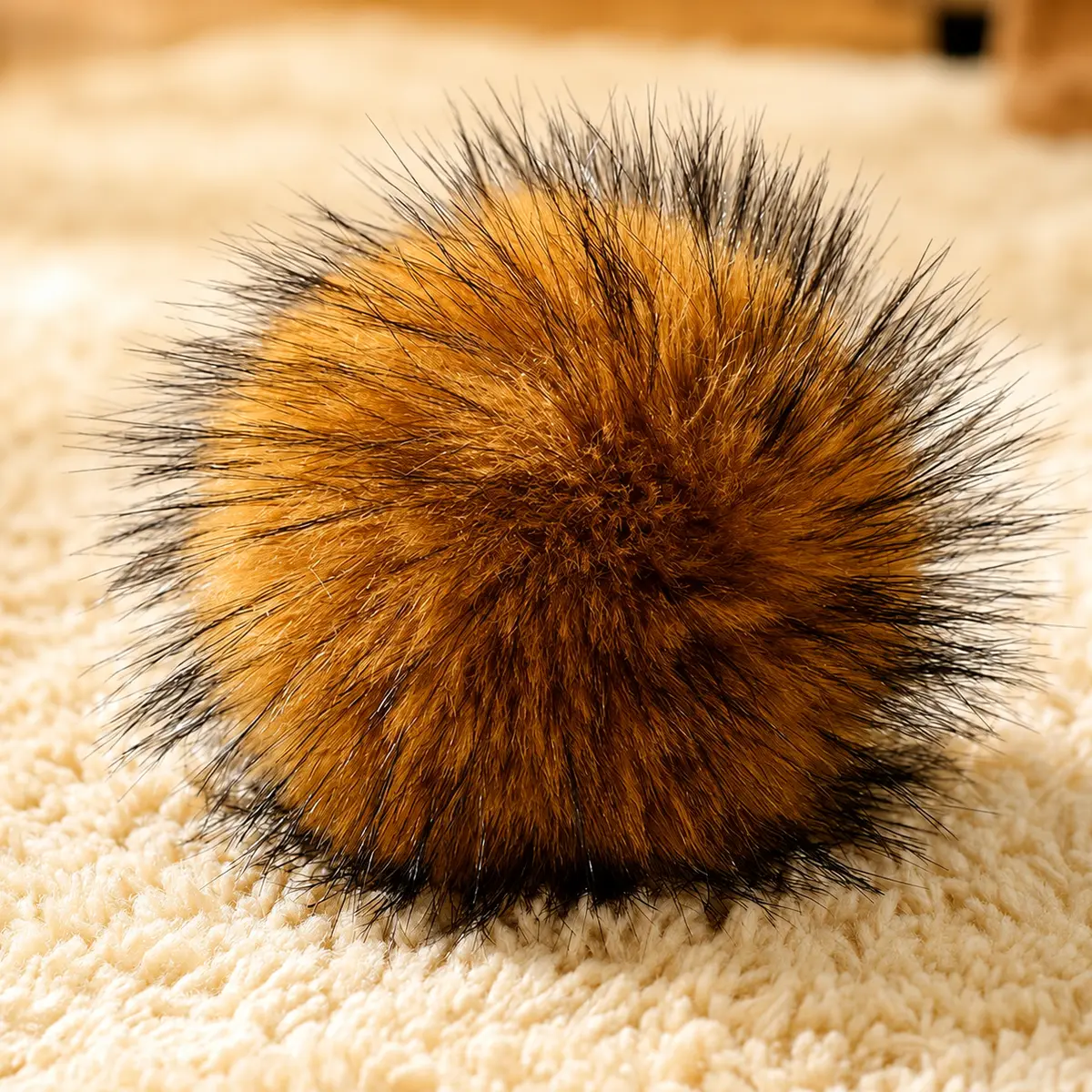
Electric Wiggling Fish Cat Toy with Catnip and Three Swing Modes
- Options
- 13 to choose from
From $10.99


Cat toys
Suction-Base Turntable Cat Toy with Catnip Balls and Spring Wand
- Options
- 3 to choose from
$18.99

A little guidance
Help choosing catnip & silvervine toys
Buying guides and care advice written for this range: what to measure, what matters and what to skip.
From our guides
This page is about the plants themselves rather than the toys: catnip and silvervine sprays, natural silvervine sticks, silvervine and loofah dental chews, and refillable toys you can top up with dried catnip. It is for owners who want to understand why their cat reacts the way it does, revive old toys, or find something for a cat that has never cared about catnip.
What catnip and silvervine are
Catnip is a herb in the mint family. The oils in its leaves and flowers, mainly a compound called nepetalactone, trigger rolling, rubbing, licking and bursts of play in cats that are sensitive to it. Silvervine is a climbing plant from the mountains of East Asia, and its dried stems and fruit galls contain related compounds that many cats find even more exciting.
Both are smelled rather than eaten for effect, which is why sprays and sticks work. A cat may chew a stick or lick a sprayed toy, and that is normal.
Why some cats ignore catnip
Sensitivity to catnip is inherited, so a cat that does not react as an adult is unlikely to start. In a study of 100 domestic cats published in BMC Veterinary Research in 2017, 68 percent responded to catnip and 79 percent responded to silvervine. Of the cats that ignored catnip, most responded to silvervine.
That makes silvervine the first thing to try with a cat who walks past catnip. Kittens often show little response at first, so judge an adult cat rather than a young kitten.
Sprays, sticks and chews
Sprays are the easiest way to add scent to anything: a scratching post you want used, a new bed, a carrier before a vet trip, or a plush toy that has lost its appeal. Spray lightly and let it dry for a few minutes before offering it. Several sprays here combine catnip and silvervine.
Silvervine sticks are woody stems a cat can chew, which also gives teeth something to work against. Dental chews made from silvervine and loofah add a textured surface. Refillable chew ropes let you add fresh dried catnip whenever the old scent fades.
How to use them
Offer catnip or silvervine for short sessions, a few times a week rather than all day. Cats that respond usually react for a short burst and then lose interest for a while, so constant access dulls the effect. Rotating scented toys keeps them special.
Use them with purpose. A little spray on a scratching post draws a cat away from the sofa; a stick at the end of a play session gives the hunt a satisfying finish; a sprayed carrier makes travel less frightening for some cats.
Is it safe
VCA notes that catnip is harmless for most cats, and silvervine is widely used as an alternative. A cat that eats a large amount of loose catnip may have an upset stomach or mild vomiting, so keep dried herb stored away and give it in small pinches.
Some cats get overexcited and may swat or nip during the reaction; give them space until it passes, and separate cats that squabble. Throw away sticks once they splinter into small pieces. If your cat vomits repeatedly, drools heavily or seems unwell, call your vet.
Is silvervine stronger than catnip?
Many cats react more intensely to silvervine, and in one study more cats responded to silvervine than to catnip. It is a good choice for cats that ignore catnip.
How often can I give my cat catnip?
A few short sessions a week works well. Cats lose interest with constant access, and rotating scented toys keeps the effect strong.
Is catnip spray as good as dried catnip?
Spray is convenient for adding scent to toys, posts and beds, while dried catnip is stronger and lasts longer in refillable toys. Many owners use both.
Can kittens have silvervine?
Kittens can safely play with silvervine sticks and toys, though many show little reaction until they mature. Supervise chewing and remove splintered pieces.
Can cats overdose on catnip?
Catnip is harmless for most cats, but eating a lot of loose herb can upset the stomach. Give small amounts and call your vet if your cat seems unwell.