






Cats
Interactive cat toys
Pounce, chase, play.
133 items picked for everyday life with your pet, with shipping estimates on every item.
 A little fun goes a long way.
All cats toys & play →Cat toys →Cat scratchers →Cat tunnels →Cat scratching posts →Cat puzzle feeders →Cat exercise wheels →Cat scratch deterrents →Catnip & silvervine toys →
↗Tracked US shippingEstimates on every item↶Returns & refundsHow it works♡Here to helpTalk to Giddy Pets
All interactive cat toys
Little essentials. Lots of love.

Interactive dog toys
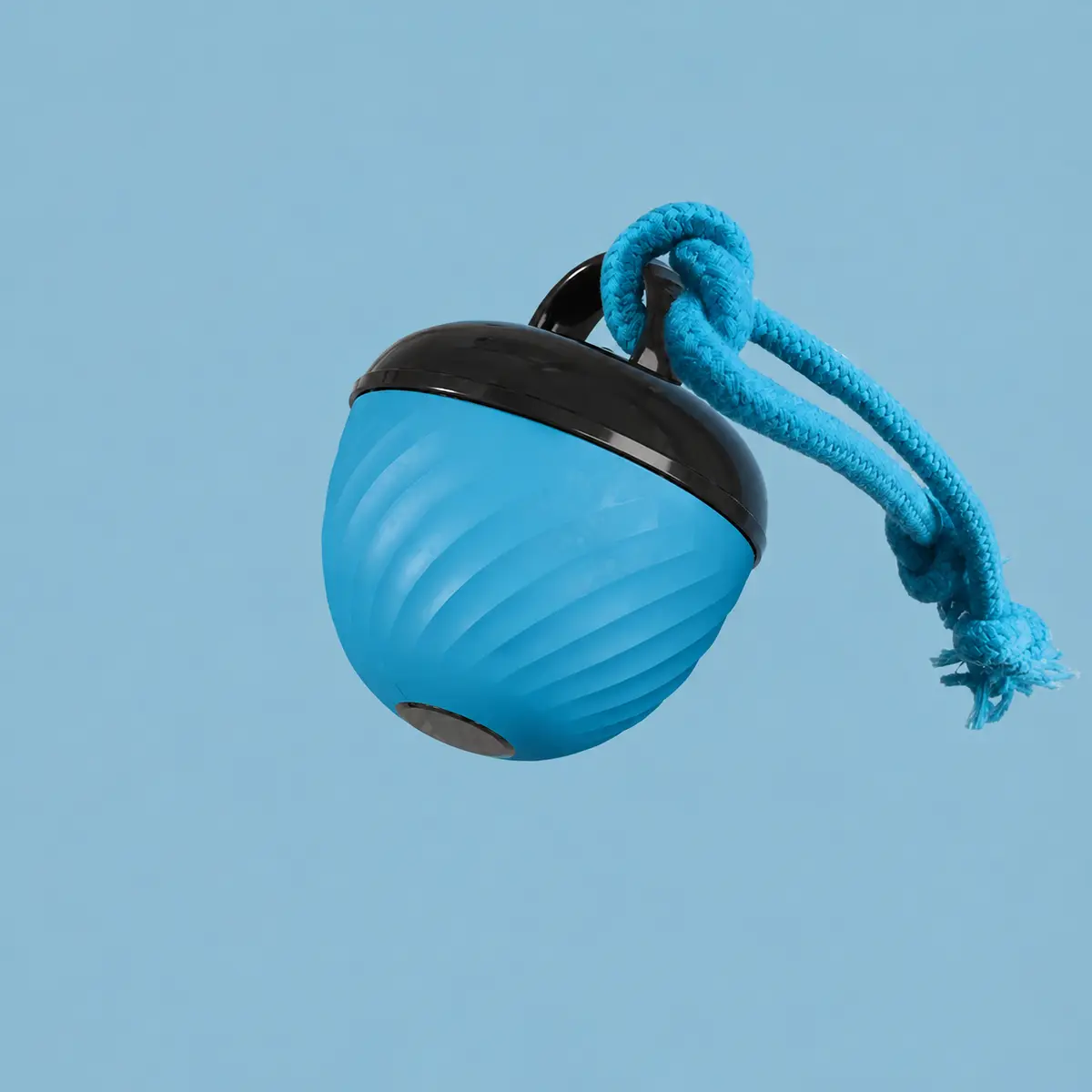
Rechargeable Moving Ball Toy with Rope for Dogs and Cats
- Options
- 2 to choose from
$19.99



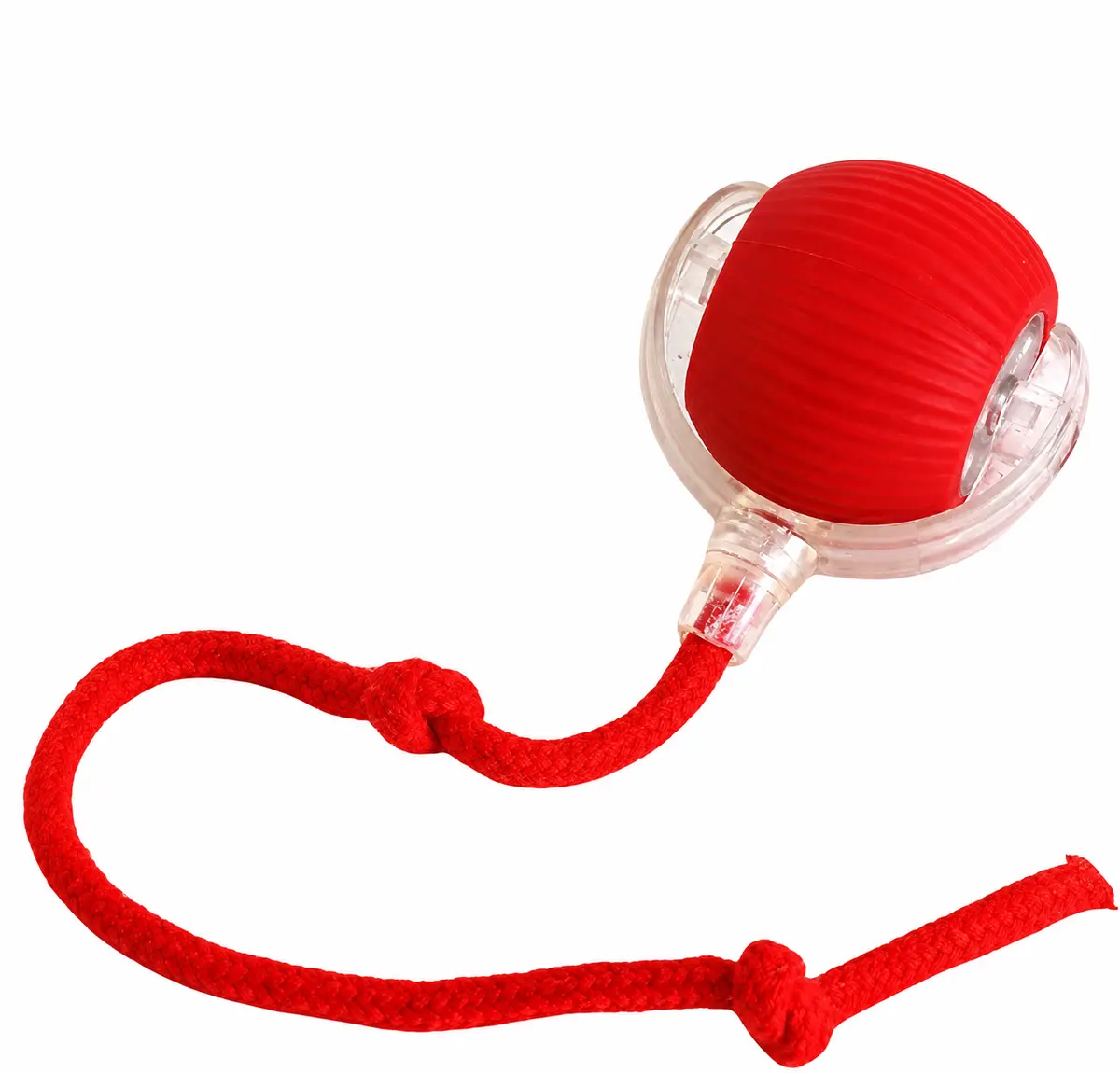
Interactive dog toys
Self-Rolling Dog Ball Toy with Rope for Tug and Chase
- Options
- 3 to choose from
$15.99
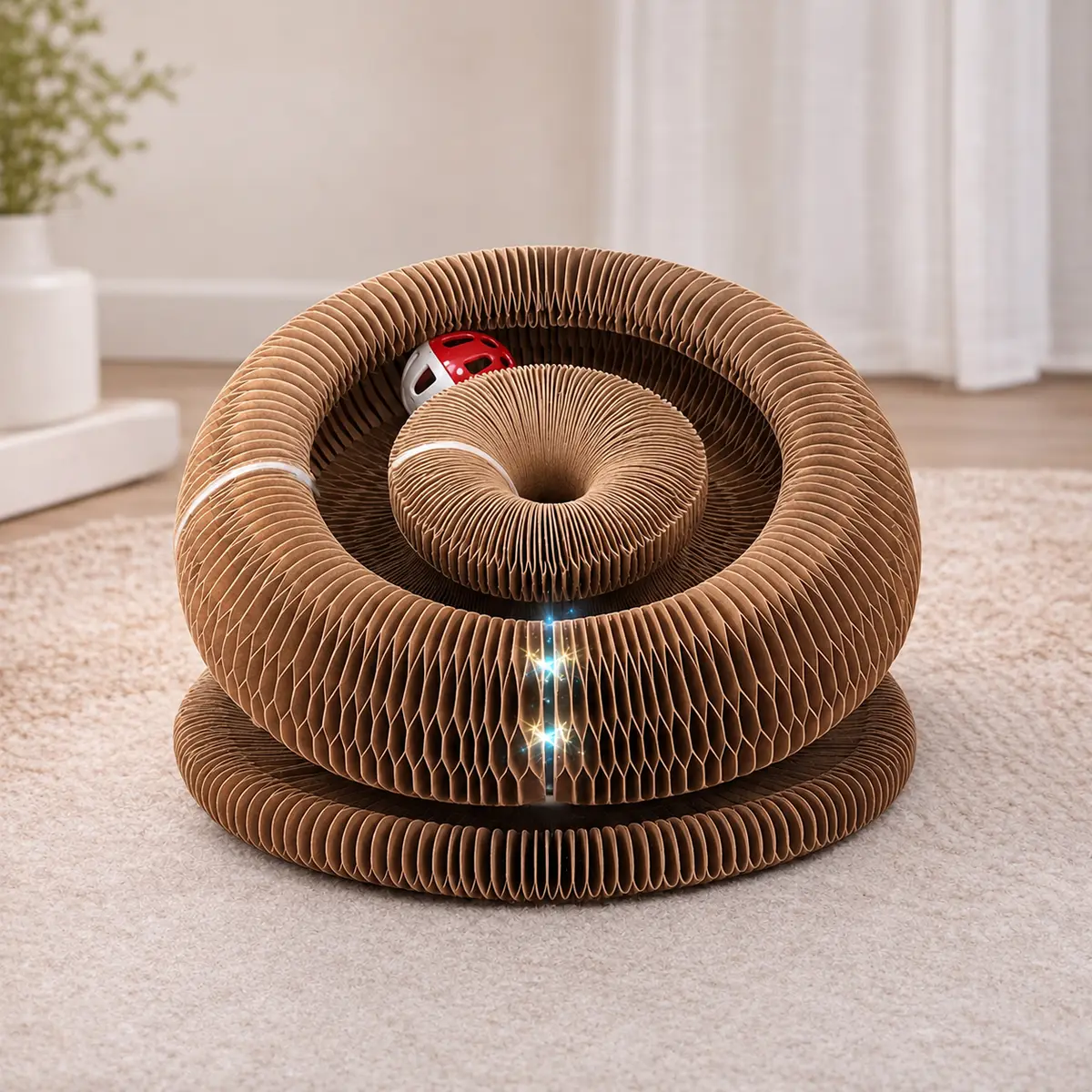

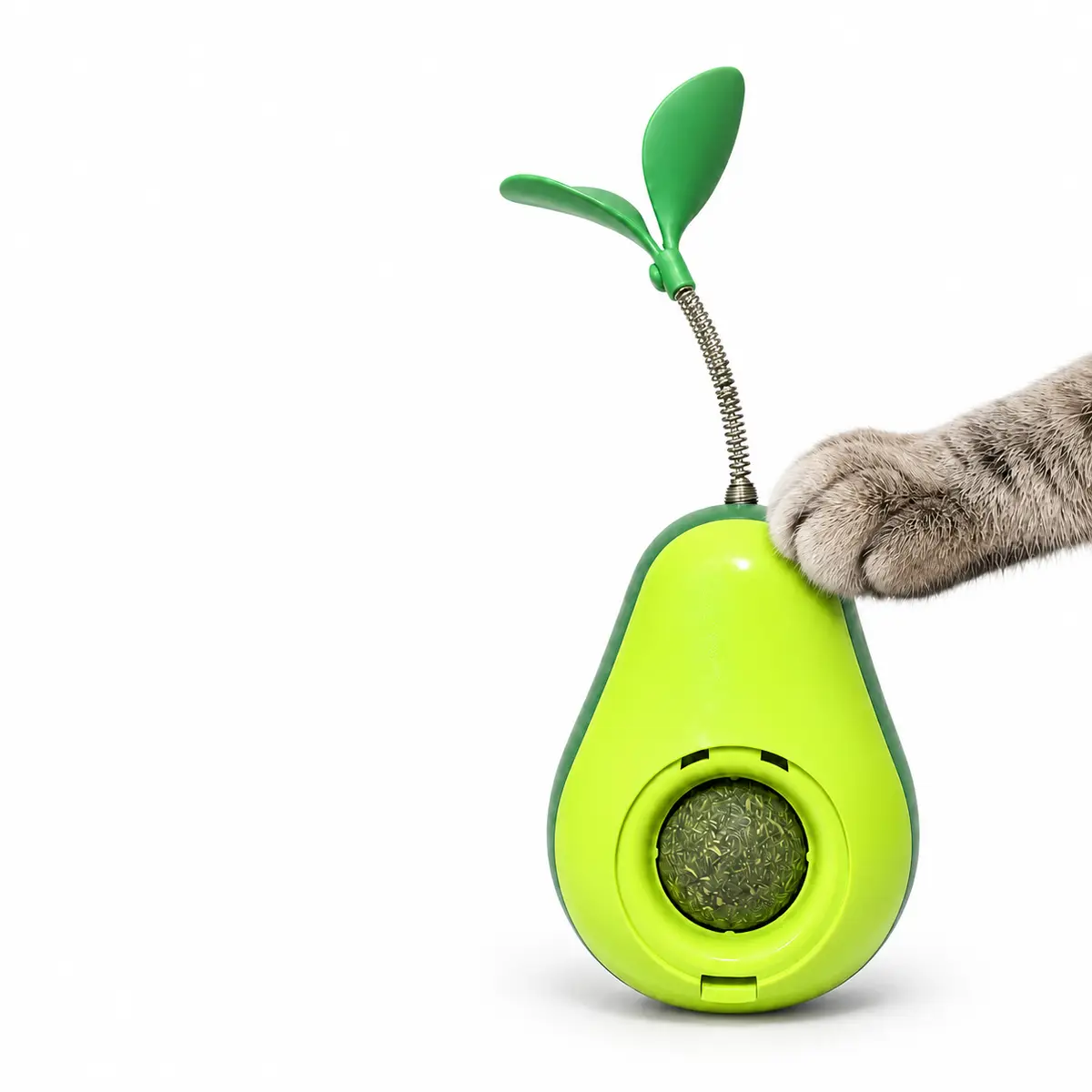


Interactive dog toys
Self-Rolling Plush Ball Toy for Dogs and Cats with Fleece Covers
- Options
- 3 to choose from
From $20.99


Interactive dog toys
USB Smart Rolling or Jumping Ball Toy for Dogs and Cats
- Options
- 4 to choose from
From $14.99
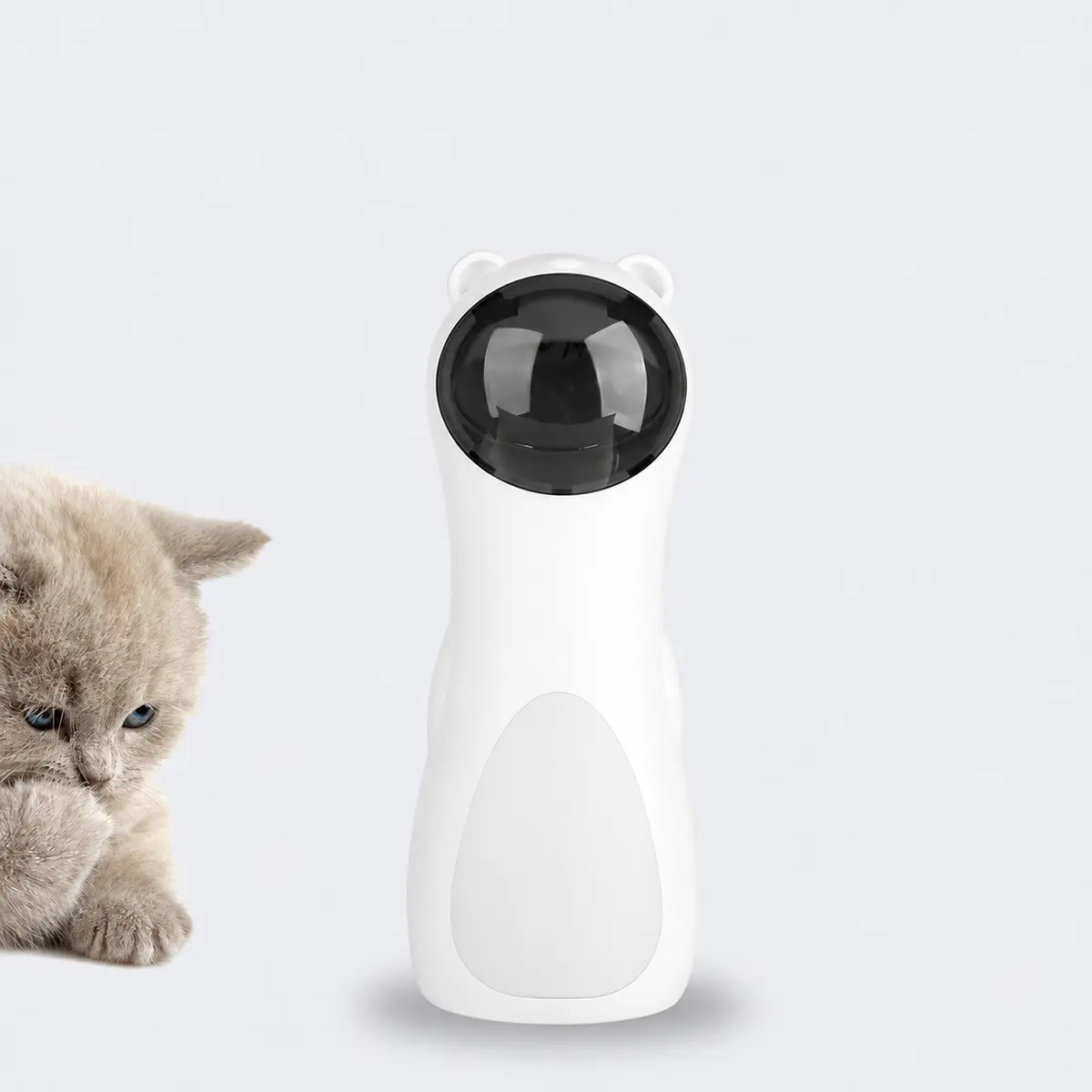


A little guidance
Help choosing interactive cat toys
Buying guides and care advice written for this range: what to measure, what matters and what to skip.
From our guides
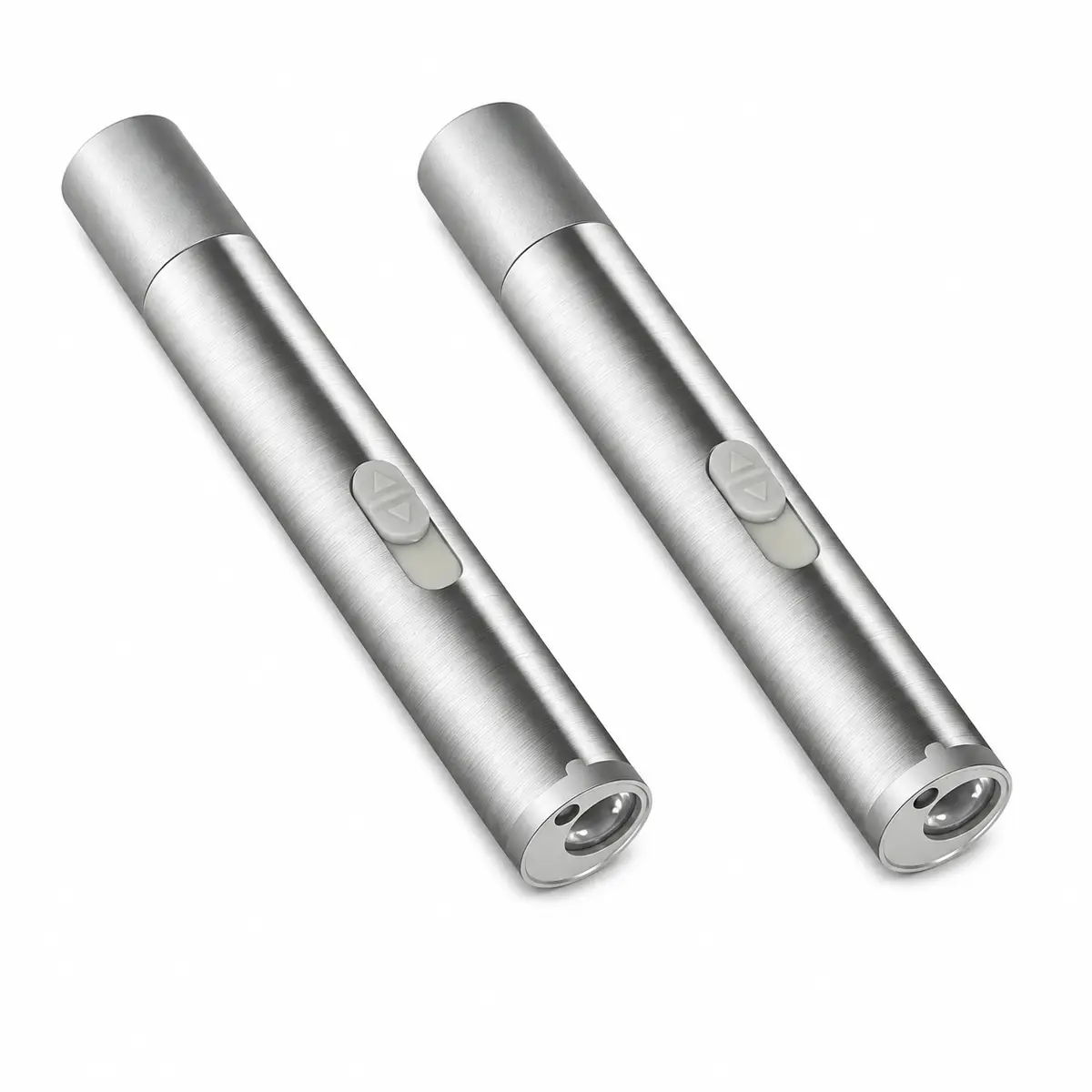
Shop interactive cat toys that move, chirp, roll or hide food, including rechargeable laser teasers, flapping bird toys, motion-activated balls, ball tracks, wobble toys and puzzle feeders. This collection is for indoor cats who need more to do and for owners who want toys that keep working when nobody is holding a wand. Below is how each type plays, which suits a kitten or an older cat, and how to keep play safe.
Why indoor cats need interactive play
Cats are built to hunt in short bursts: stalk, chase, pounce, then rest. An indoor cat with nothing to chase tends to invent targets, such as ankles, curtains or the other cat. VCA Animal Hospitals suggests around 30 minutes of moderate activity a day for a cat, and interactive toys are the easiest way to get there.
The toys on this page fall into two groups. Some need you in the game, like lasers and teasers. Others run on their own, such as motion balls, flapping birds and spinning tracks, which fill the hours when you are at work. Most cats do best with one of each.
Electronic and motion toys
Rechargeable toys make up a large part of this range: balls that roll and change direction when touched, birds that flap and chirp, a soccer-style stadium with a spinning ball, windmill toys with LED balls and a disc launcher for cats who like to fetch. USB charging means no drawer full of dead batteries.
Look for an automatic sleep mode, so the toy stops after a few minutes and restarts when nudged. That mimics real prey, keeps the cat interested and saves the battery. Lighter, smaller balls suit kittens and small cats; heavier motion balls cope better with thick carpet and enthusiastic swatting.
Puzzle feeders and ball tracks
Puzzle feeders hide kibble or treats in compartments the cat has to paw, slide or roll. VCA suggests making mealtimes more active with an interactive puzzle feeder, and they suit cats who eat too fast or gain weight easily. Start on the easiest setting, so the first attempts pay off, then make it harder.
Ball tracks and wooden track towers with sisal scratching posts are a no-power option. The ball stays in the track, so it never ends up under the sofa, and many include a scratching surface. They are a good first toy for kittens and for multi-cat homes where several cats can play at once.
Safe play and how to choose
Put string, ribbon and feather wands away after play. Cats can swallow string, and it can cause a serious intestinal blockage, so anything with a cord is a supervised toy. Check motion toys for loose parts, and retire any toy with a cracked shell or exposed battery cover.
To choose, match the toy to the cat. Young, high-energy cats like fast motion toys and lasers. Shy or senior cats often prefer a slow teaser or a puzzle. Rotating two or three toys every few days keeps each one new, which is cheaper than buying more.
What are the best interactive toys for indoor cats?
Most indoor cats do best with a mix: one toy you play with together, such as a teaser or laser, and one that runs on its own, such as a motion ball or flapping bird, for the hours you are out.
Are laser pointers bad for cats?
Lasers are fine when used well. Never shine the beam in a cat's eyes, keep sessions short, and finish by landing the dot on a toy or treat so the cat gets to catch something at the end.
How long should I play with my cat each day?
Aim for about 30 minutes of activity a day, split into several short sessions of five to ten minutes. Cats hunt in bursts, so frequent short games work better than one long one.
Do automatic cat toys keep cats entertained?
Many do, especially ones with a sleep mode that restarts when touched, because the stop-start movement looks like prey. Rotate them so the novelty does not wear off within a week.
What interactive toys are good for kittens?
Ball tracks, light motion balls and teasers suit kittens best. Avoid toys with small detachable parts or long strings unless you are supervising, since kittens chew everything they catch.