Care & how-to
Why Does My Cat Eat Hair or Plastic?
Your cat may mouth hair during interaction or play, while repeated swallowing of hair, plastic, or other nonfood material needs veterinary assessment. Medical and behavioral causes are possible, and the material alone does not identify the reason. Prevent further access and contact your veterinarian if you think something was swallowed, especially if vomiting, reduced appetite, pain, or unusual sluggishness follows.

By Matt GarnettUpdated November 13, 20263 min read4 sources
Distinguish licking, chewing, and swallowing
UC Davis distinguishes cats that chew objects from those that actually consume them. Repeated nonfood ingestion is described as pica, and both medical and behavioral explanations need consideration. Tell your veterinarian what you have directly seen rather than assuming tooth marks prove the whole object was eaten.
Hair behavior also needs context. Veterinarian Claire Turner discusses interaction, play, stress, and health concerns as possible explanations for hair chewing. That does not establish the reason for your cat. Note whether it licks hair, chews the ends, seeks loose hair, or appears to swallow material. This page focuses on ingestion and its risks; ordinary contact without swallowing is a different observation to describe.
Seek advice about swallowed material and associated signs
VCA advises contacting your veterinarian promptly if you are concerned that a cat ingested a foreign object. Tell the team what material is missing, the approximate size or amount if known, when it happened, and how the cat is behaving. Do not wait for the item to appear in stool before asking for guidance.
Vomiting, loss of appetite, abdominal discomfort, unusual sluggishness, or changes in stool can accompany a foreign-body problem. VCA describes obstruction as potentially life-threatening, so these signs after suspected ingestion need urgent veterinary assessment. A cat that looks normal immediately afterward is not proof that an object will pass safely. Ask the clinic what to do now and follow its individual instructions.
Reduce access without punishment or risky retrieval
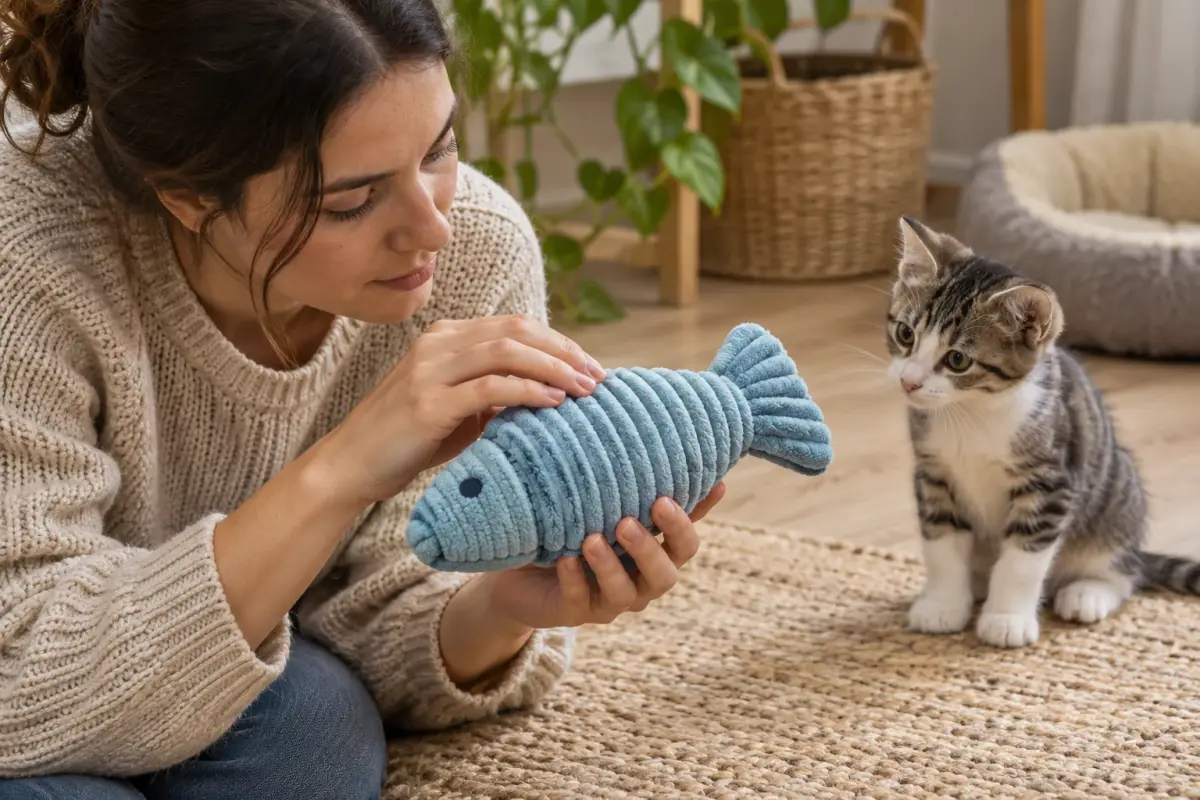
Secure the materials your cat targets, including packaging and loose objects, while arranging assessment. UC Davis notes that preventing access can stop opportunities for the behavior but does not resolve the underlying cause. Check the cat’s usual resting and play areas and explain the plan to everyone in the home.
Do not pull material from the mouth or rear, force vomiting, or give a remedy intended to push an object through. Ask the veterinary team for specific guidance. Keep your own hair out of reach if the cat is ingesting it and calmly end that interaction. Avoid shouting or physical punishment; VCA warns that punishment can increase anxiety and worsen the behavior.
The workup considers health and the behavior pattern
VCA describes a detailed history, including behavior and diet, and a physical examination as part of assessing pica. Depending on the findings, blood, urine, fecal tests, imaging, or further gastrointestinal investigation may be considered. No single pattern of chewing proves a nutrient deficiency or a compulsive disorder.
Bring information about the cat’s current food, medical history, prescriptions, and recent changes at home. Record when the behavior occurs and what happens before and afterward. If safe observations are available from another caregiver, include those too. Ask what the clinician wants you to track and which signs should prompt an earlier call while investigation or treatment is underway.
Build an ongoing plan after immediate risks are assessed
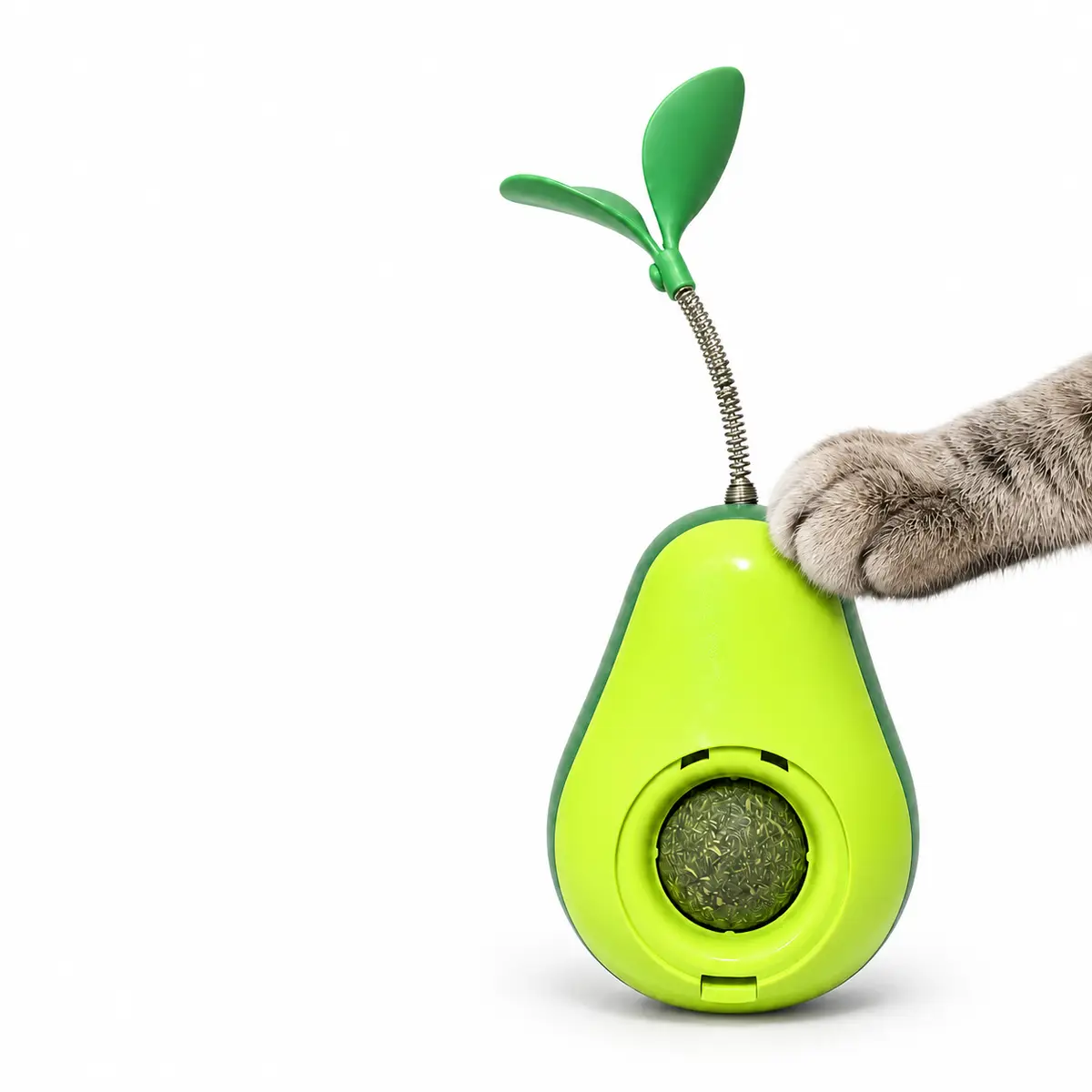
If a behavioral component is identified, VCA discusses enrichment, positive teaching, and limiting access to preferred nonfood items. UC Davis also recommends assessing possible stressors and providing suitable interaction and activity. For the activity side, supervised play with interactive cat toys and a cat tree to climb are options to talk through with your vet. Ask for an individual plan or veterinary behavior referral when the pattern is persistent or difficult to manage.
Review whether the plan is practical in your home and report any new ingestion. Do not assume a toy, supplement, or food change will solve every case. If the cat continues seeking material, explain where the prevention plan breaks down so the team can help adjust it. The goal is both fewer opportunities to swallow objects and care for the reason the behavior is occurring.
This page is general information, not veterinary advice, and it cannot replace an examination by the vet who knows your pet.
Common questions
Does chewing plastic mean my cat is missing a nutrient?
Not necessarily. UC Davis and VCA describe both medical and behavioral possibilities. Your veterinarian needs the history and assessment before deciding whether nutrition or another issue contributes to the behavior.
Is eating human hair the same as licking my hair?
No. Describe whether the cat is licking, chewing, or actually swallowing material. Veterinarian Claire Turner notes that hair ingestion can cause problems, so swallowing should not be encouraged as ordinary affection.
Should I wait for swallowed plastic to pass?
Contact your veterinarian promptly for individual advice. VCA warns that foreign objects can cause obstruction. Report the material, timing, and any vomiting, appetite loss, discomfort, or change in normal behavior.
Sources we checked
This guide is general information, not veterinary advice. If your pet is unwell or injured, contact your veterinarian.