Care & how-to
Is Catnip Safe for Cats? What It Does and How to Use It
Yes, catnip is safe for most cats. It is a mint-family herb whose scent triggers a short burst of rolling, rubbing and playful behavior, then a calm spell. It is not addictive, and serious toxicity is not expected. Eating a large amount can cause mild vomiting or diarrhea, so offer a pinch rather than a pile.
By Matt GarnettUpdated November 9, 20264 min read3 sources
What catnip is and what it does
Catnip, Nepeta cataria, is a hardy member of the mint family. Its leaves and stems contain nepetalactone, an oil that cats detect through the nose. Pet Poison Helpline explains that the scent reaches parts of the brain involved in behavior and emotion, producing a response that looks similar to a pheromone reaction.
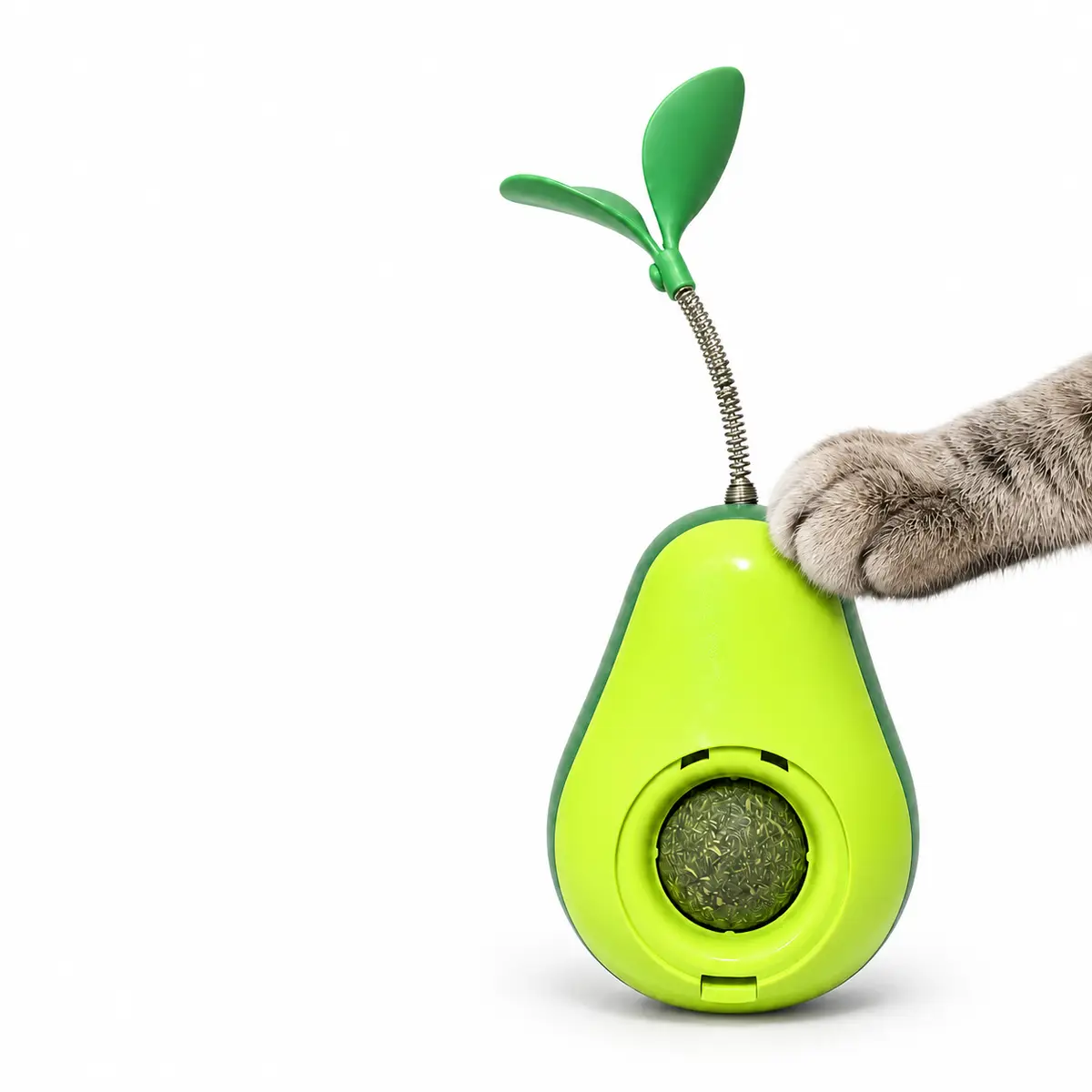
A cat that responds will typically sniff, lick or chew the herb, then roll, rub its face and cheeks against it, drool, vocalize or race around. Pet Poison Helpline says the effect lasts roughly 10 to 15 minutes, after which most cats seem unresponsive for an hour or two while the brain resets. Shops sell catnip and silvervine in many forms, from a catnip lick ball to sprays.
Is catnip good for cats?
Used sensibly, catnip is a useful tool rather than a health food. It can make a new scratching post more interesting, lift a lazy indoor cat into a play session, or make a toy such as a faux-fur catnip ball feel new again. Pet Poison Helpline also lists it as a way to help some cats through stressful moments such as car rides.
It is not a treatment for anything, and it does not need to be part of a daily routine. Think of it like a special toy: offered now and then, it stays exciting, while a constant supply tends to lose its effect for many cats.
Can catnip be bad for cats?
The ASPCA lists catnip as toxic to cats in the sense that eating a lot of the plant can cause vomiting and diarrhea. That is a stomach upset from quantity, not a poisoning. Pet Poison Helpline states that no significant toxicity is expected in cats, and the common experience is a cat that nibbles, plays and then naps.
The behavioral side is worth more attention. Pet Poison Helpline notes that lowered inhibitions can make some cats bite or scratch harder during play. VCA adds that if a cat becomes agitated under the influence, it is best to skip catnip toys. In a multi-cat home, offer it separately if your cats tend to squabble.
How much catnip is safe?
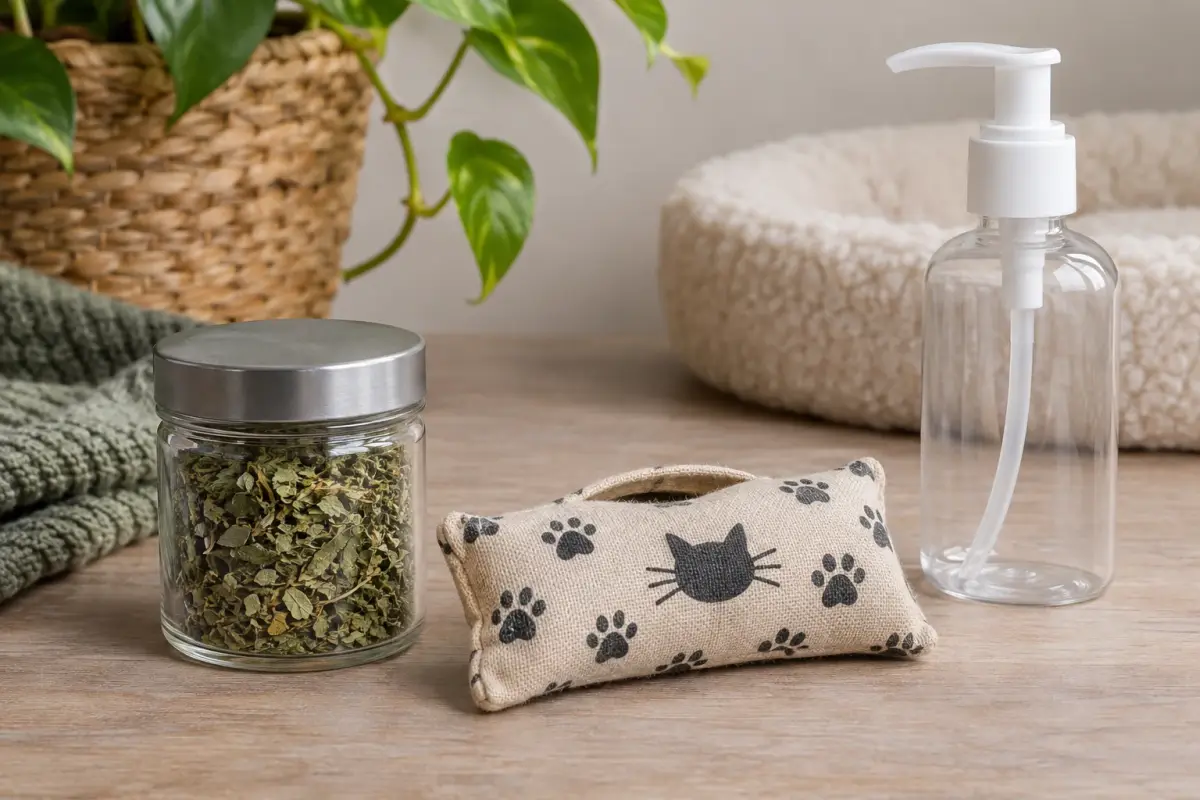
A pinch of dried catnip, about what you would hold between finger and thumb, sprinkled on a scratching pad or rubbed into a toy is plenty. Fresh leaves from a pot work the same way. There is no benefit in offering more, and a large mouthful is what leads to an upset stomach.
Once or twice a week is a good rhythm for most cats. Store dried catnip in a sealed jar or bag in the freezer or a dark cupboard; the oil fades with time and light, which is why an old catnip toy stops working. Refresh toys by rolling them in a little new catnip.
Why some cats ignore catnip, and kittens
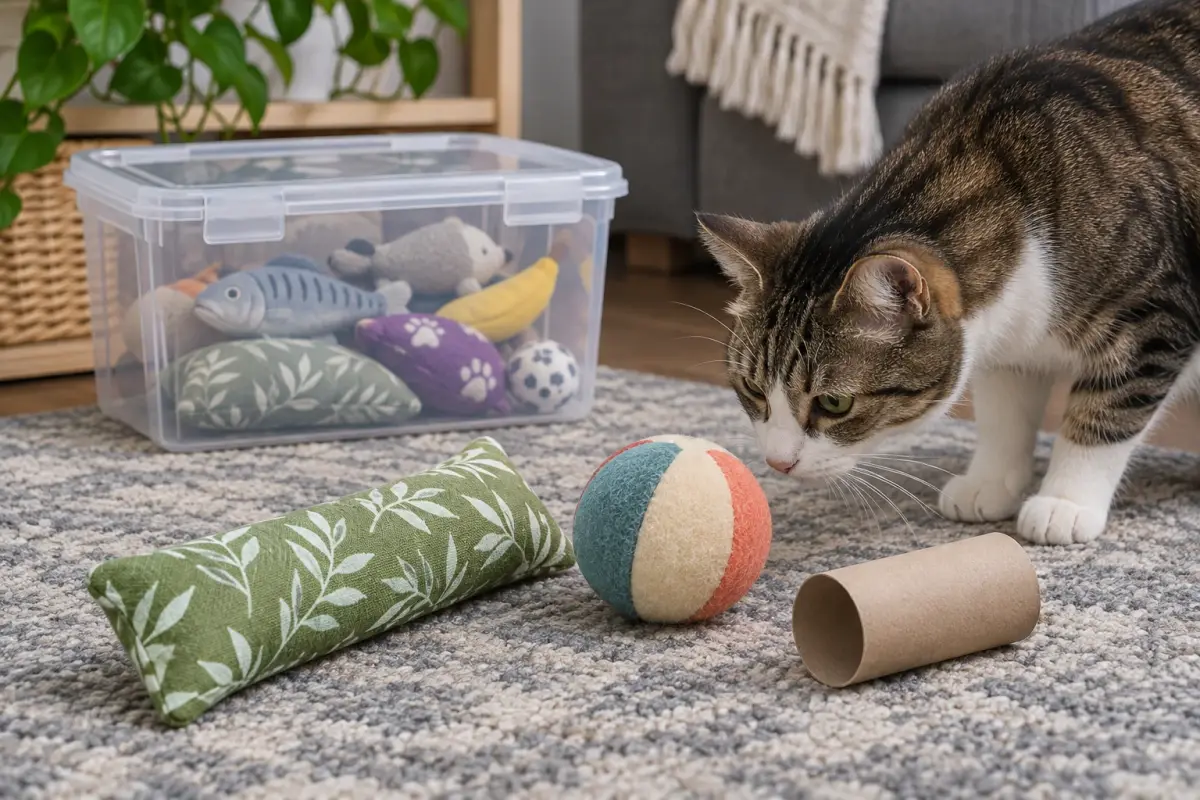
Not every cat responds. Pet Poison Helpline puts the figure at roughly 70% of adult cats, and VCA estimates that around half do not respond at all. The response is inherited, so a cat that ignores catnip is perfectly normal and is not missing out on anything.
Most kittens show little or no reaction until they are several months old; Pet Poison Helpline links the response to sexual maturity. Catnip will not harm a kitten that sniffs it, but it is usually wasted on very young cats. Some non-responders react to other plants such as silver vine or valerian, which are worth discussing with your vet before you try them.
When to call your vet
Call your vet if your cat keeps vomiting, has diarrhea for more than a day, seems unusually sleepy or wobbly, or if you are not sure the plant it chewed was catnip. Several houseplants look similar to garden mints, and some common ones, including lilies, are dangerous to cats.
If you think your cat ate a toxic plant, call your vet or the ASPCA Animal Poison Control Center at (888) 426-4435 or Pet Poison Helpline at (855) 764-7661; a fee may apply. Have the plant or a photo of it ready.
This page is general information, not veterinary advice, and it cannot replace an examination by the vet who knows your pet.
Common questions
Is catnip addictive for cats?
No. Catnip does not create dependence, and cats do not crave it or suffer when it is taken away. Many cats actually become less responsive when it is offered constantly, which is why occasional use works best.
Can cats overdose on catnip?
There is no dangerous overdose in the usual sense, but eating a large amount can cause vomiting or diarrhea. Offer a small pinch and put the rest away so your cat cannot raid the bag.
Is catnip safe for kittens?
Catnip is not harmful to kittens, but most show little interest until they are several months old. There is no reason to offer it to a very young kitten; save it for when your kitten is older.
Does catnip calm cats down?
Sniffing tends to excite cats, while eating it can have a more relaxing effect, and the excited phase is usually followed by a calm spell. Responses vary, so watch how your own cat reacts.
Sources we checked
This guide is general information, not veterinary advice. If your pet is unwell or injured, contact your veterinarian.