







Cats
Catnip toys
Pounce, chase, play.
23 items picked for everyday life with your pet, with shipping estimates on every item.
 A little fun goes a long way.
All cats toys & play →Cat scratchers →Interactive cat toys →Cat tunnels →Cat scratching posts →Cat puzzle feeders →Cat exercise wheels →Cat scratch deterrents →Catnip & silvervine toys →
↗Tracked US shippingEstimates on every item↶Returns & refundsHow it works♡Here to helpTalk to Giddy Pets
Find their favorites
Shop cat toys by type
Choose a section to narrow the range.
All catnip toys
Little essentials. Lots of love.
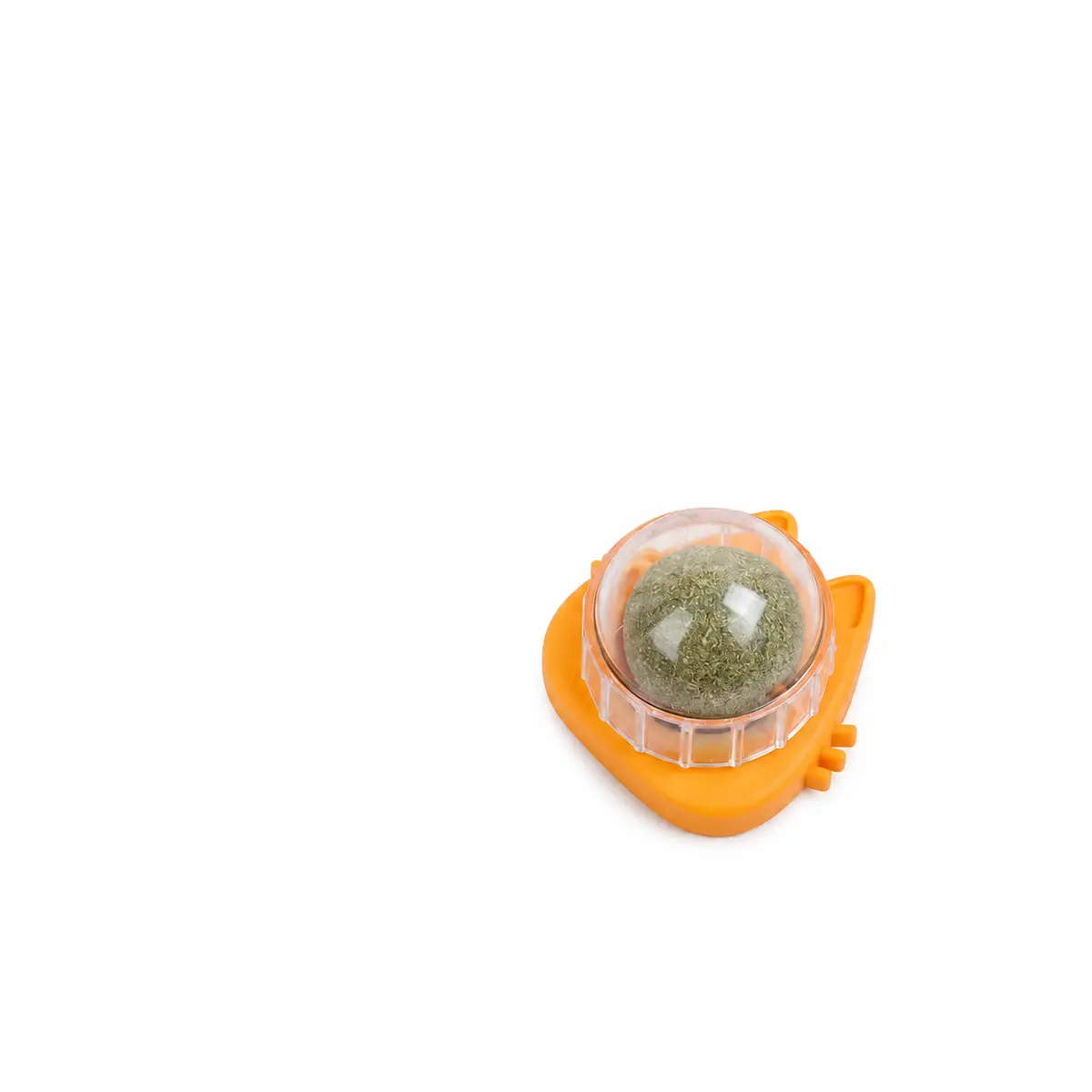
Catnip & silvervine toys
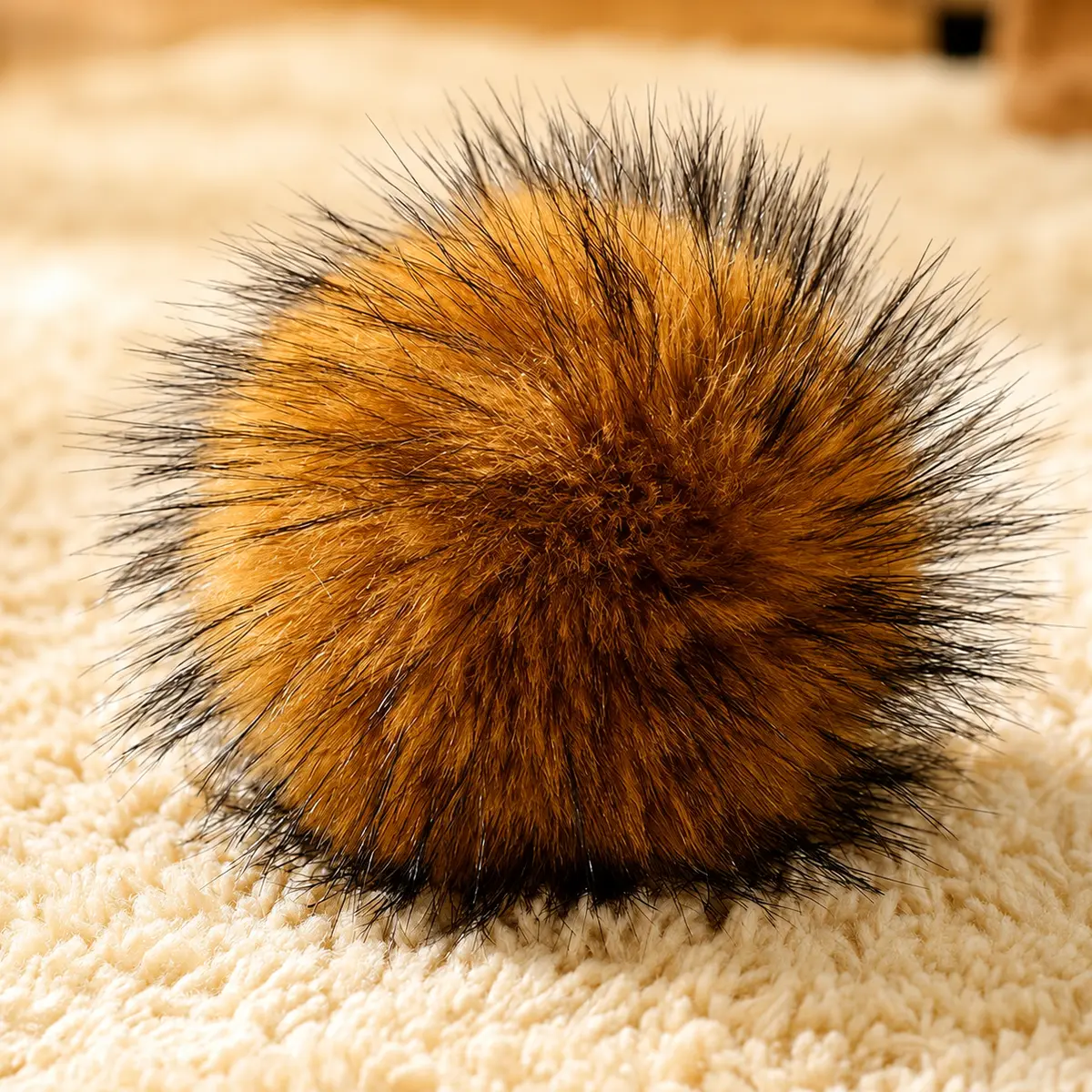
Catnip Ball Toy with Shaped Plastic Holder and Clear Cover
- Options
- 9 to choose from
$11.99




Cat toys
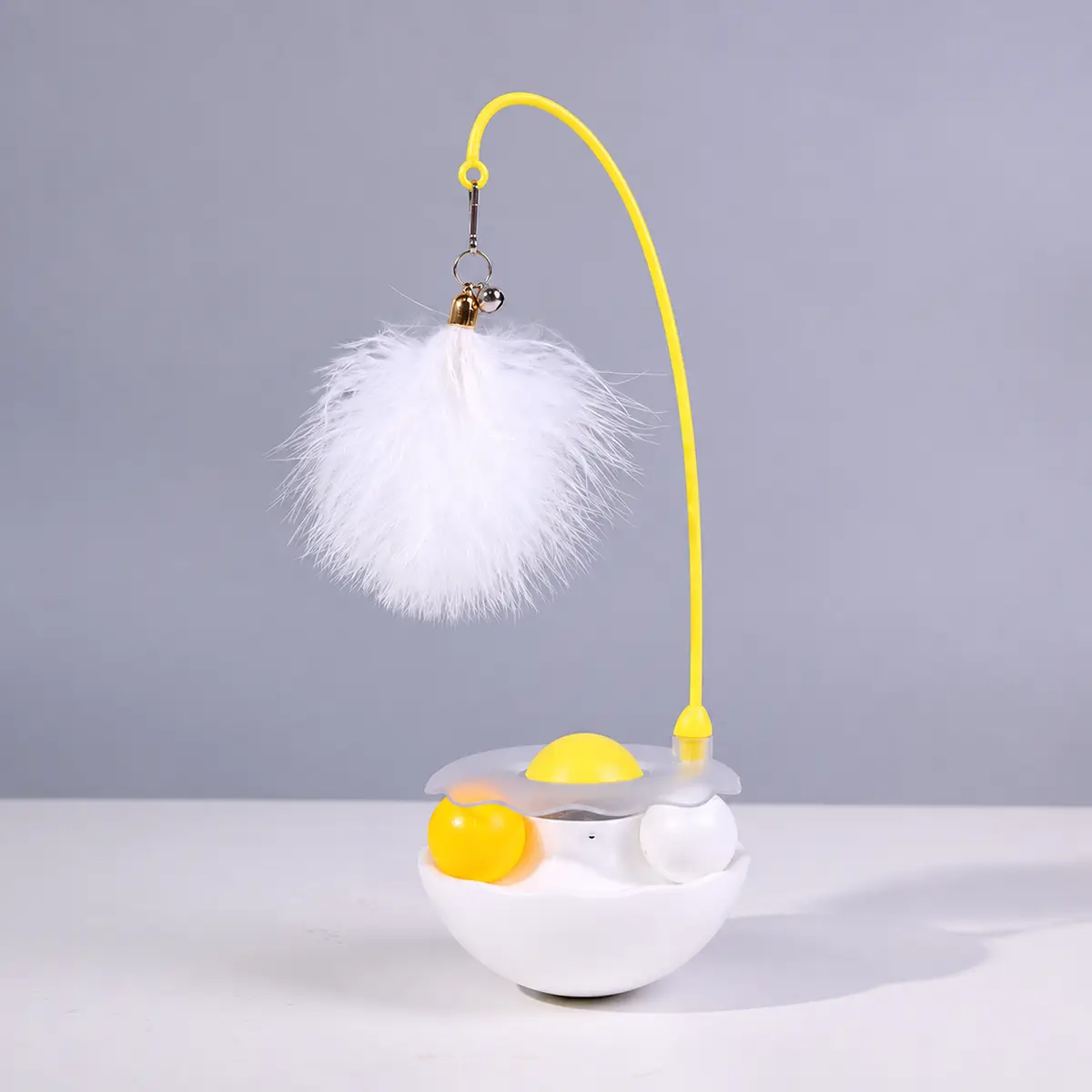
Suction-Base Turntable Cat Toy with Catnip Balls and Spring Wand
- Options
- 3 to choose from
$18.99


A little guidance
Help choosing catnip toys
Buying guides and care advice written for this range: what to measure, what matters and what to skip.
From our guides
- Best Catnip Toys: How to Choose Ones Your Cat Will Love →
- Best Cat Toys: How to Choose Toys Cats Actually Use →
- DIY Cat Toys: Easy Homemade Toys Cats Love →
- Best Automatic Cat Toys: What Actually Matters →
- Best Kitten Toys: What to Look For and What to Avoid →
- Best Cat Kicker Toys: What Actually Matters →
This page is the catnip corner of our cat toys range: plush kicker sticks, vegetable and fish shaped catnip toys, faux fur catnip balls, refillable chew ropes and silvervine sticks and dental chews. It is for cats who go wild for the smell, and for owners whose cat ignores catnip and wants to try silvervine instead.
What kinds of catnip toy are here
The range covers the main formats. Kicker sticks are long plush toys a cat can hug with its front paws and rabbit-kick with its back legs, which is exactly how many cats play once the scent hits. Smaller plush toys shaped like vegetables, fish, owls and mice are sized for batting and carrying, and several come in multipacks so one can rest while another is in use.
There are also faux fur balls and silvervine stick balls with a bell, chew ropes you can refill with dried catnip, and dental chews made from silvervine and loofah. The chews and sticks suit cats who like to gnaw rather than chase.
Catnip or silvervine
Not every cat reacts to catnip. In a 2017 study of 100 domestic cats published in BMC Veterinary Research, 68 percent responded to catnip and 79 percent to silvervine, and most of the cats that ignored catnip did respond to silvervine. Sensitivity is inherited, so a non-responder will not grow into it.
If your cat walks past catnip toys, a silvervine stick or a toy that mixes both is worth trying before you give up. Many cats react more intensely to silvervine, so offer it in short sessions at first and watch how your cat takes it.
Matching the toy to how your cat plays
Watch what your cat does with the first toy. Cats that grab and kick do best with kicker sticks around 10 to 12 inches long, which are big enough to hold with all four feet. Cats that bat and chase prefer light balls and small plush toys that slide on a hard floor. Chewers, and kittens who are teething, get more from silvervine sticks and dental chews.
Indoor cats in particular need play that mimics hunting. A catnip toy works well as a reward at the end of a wand-toy session, giving your cat something to catch and kill after the chase.
Keeping catnip toys fresh
Catnip and silvervine lose their scent as the oils evaporate, so a toy that drove your cat wild in week one can seem boring by week four. Rotate toys: put half away in a sealed bag or jar, ideally with a pinch of dried catnip, and swap them every few days.
Refillable toys let you add fresh dried catnip whenever the scent fades. A light spray of catnip or silvervine spray revives plush toys too. Wash plush toys by hand when they get grubby, let them dry fully, then re-scent them.
Safety and kittens
VCA notes that catnip is harmless for most cats. Cats that respond usually react in a short burst and then lose interest for a while, which is normal. Very young kittens often show little interest; the response usually appears as they mature.
Check toys regularly and throw away any that are split, losing stuffing or shedding small parts like bells, eyes or feathers, which can be swallowed. Put toys away when you are not around if your cat is a determined chewer. If your cat vomits, drools heavily or seems unwell after play, call your vet.
Why does my cat not react to catnip toys?
Catnip sensitivity is inherited, and about a third of cats in one study did not respond. Try silvervine, which many catnip non-responders do react to, or check whether the toy has simply lost its scent.
How long do catnip toys last?
The scent fades over a few weeks as the oils evaporate. Store spare toys in a sealed bag, rotate them, and refill or re-spray toys to bring them back to life.
Are silvervine sticks safe for cats to chew?
Silvervine sticks are made to be chewed, but check them often and replace them once they splinter or wear down to small pieces that could be swallowed.
Can kittens have catnip toys?
Kittens can play with them safely, but many young kittens show little reaction to the scent. They still enjoy the toy itself, and the catnip response usually develops as they mature.
Should catnip toys be left out all the time?
It is better to rotate them. Constant access makes cats lose interest, while putting toys away for a few days keeps them exciting and helps them hold their scent.