







Cats
Laser toys for cats
Pounce, chase, play.
16 items picked for everyday life with your pet, with shipping estimates on every item.
 A little fun goes a long way.
All cats toys & play →Cat scratchers →Interactive cat toys →Cat tunnels →Cat scratching posts →Cat puzzle feeders →Cat exercise wheels →Cat scratch deterrents →Catnip & silvervine toys →
↗Tracked US shippingEstimates on every item↶Returns & refundsHow it works♡Here to helpTalk to Giddy Pets
Find their favorites
Shop cat toys by type
Choose a section to narrow the range.
All laser toys for cats
Little essentials. Lots of love.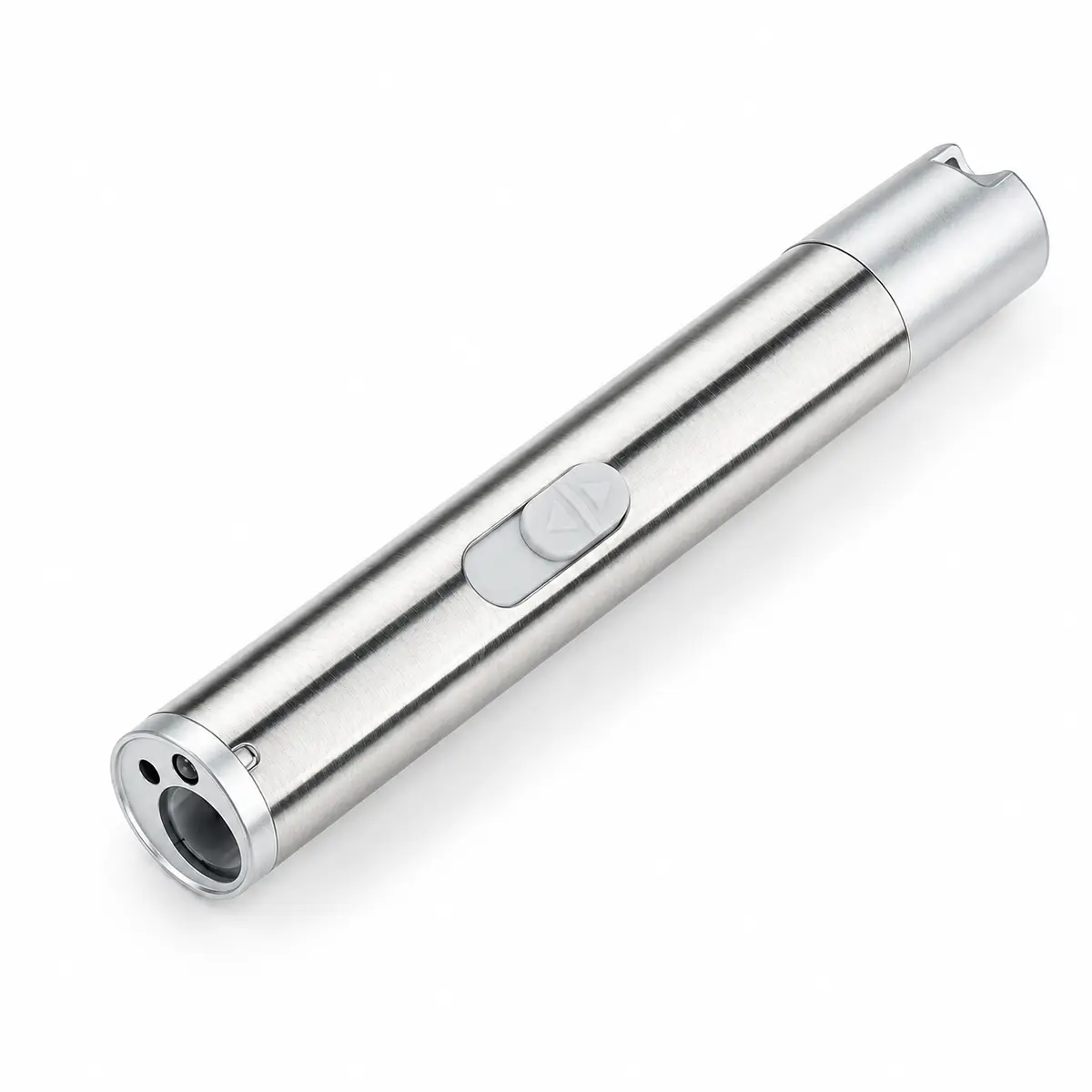




Cat toys
Automatic Rolling LED Cat Ball with Bell and Feather Tail
- Options
- 12 to choose from
From $14.99


A little guidance
Help choosing laser toys for cats
Buying guides and care advice written for this range: what to measure, what matters and what to skip.
From our guides
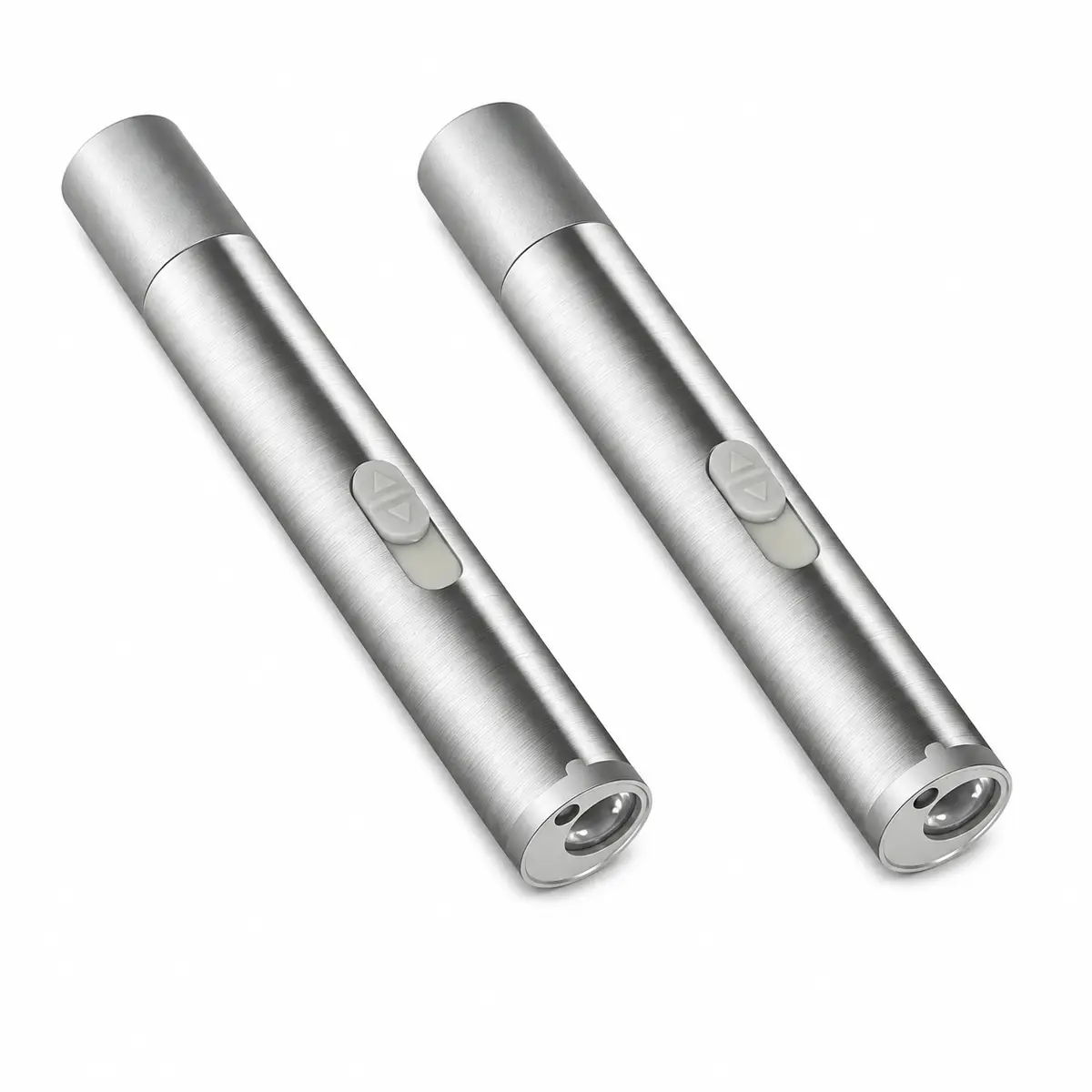
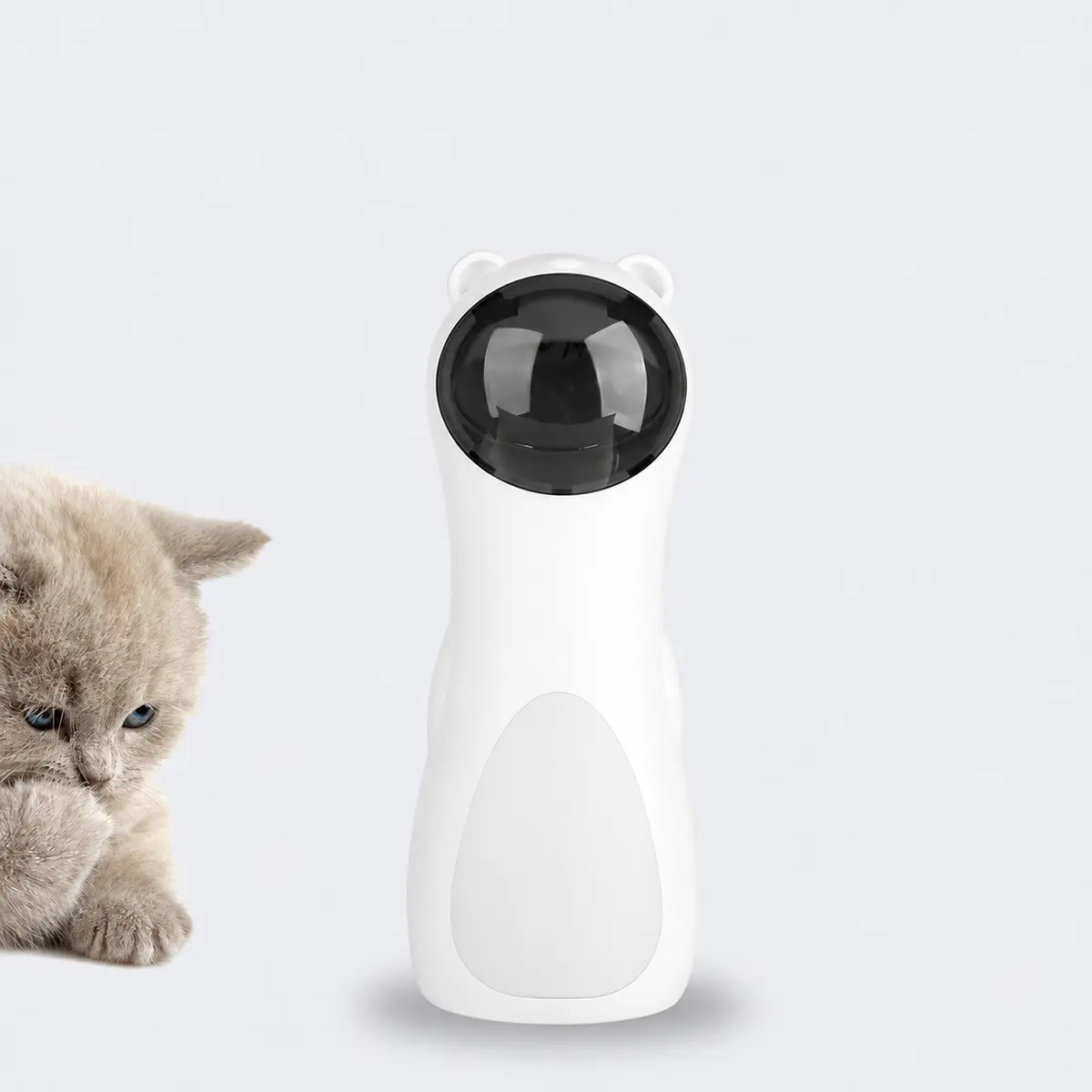
These are the laser toys from our Cat Toys range: USB rechargeable 3-in-1 laser pointers, two-packs of laser pens, a smart automatic laser teaser and an LED rolling laser toy. They are for owners of indoor cats who want an easy way to get a cat running, chasing and pouncing, and they work best as part of a game that ends with something your cat can actually catch.
Why cats chase lasers
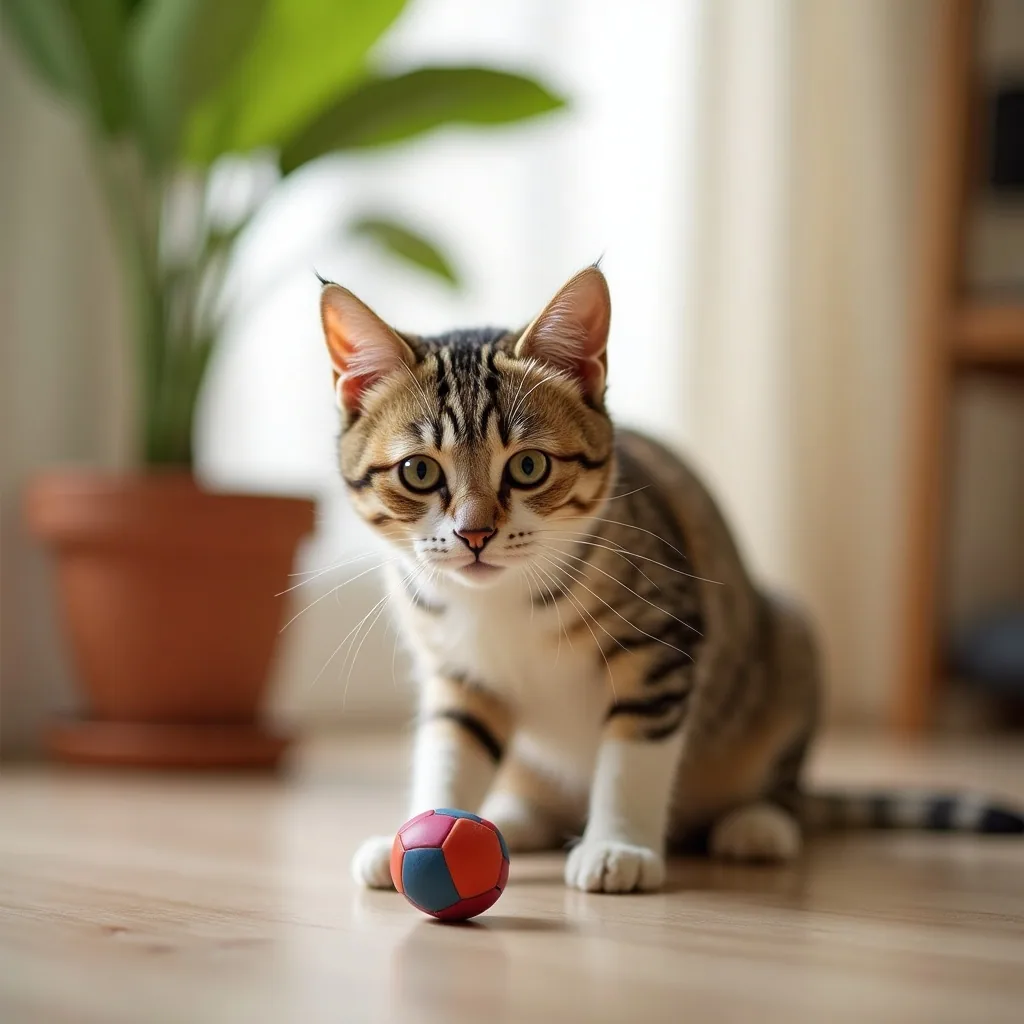
A moving dot triggers the stalk, chase and pounce sequence that hunting cats use, which is why even lazy cats jump up for it. It is a quick way to give an indoor cat a burst of exercise, and you can play from the sofa.
The catch is that a dot can never be caught. VCA Animal Hospitals notes that cats lose interest if they never feel successful and advises letting them catch prey now and then. With a laser, that means planning how the game ends.
How to play with a laser safely
Never shine a laser into your cat's eyes, or anyone else's, and keep the pointer away from children. Move the dot along the floor and up low surfaces, the way prey would move, rather than flicking it wildly up walls.
End every session by landing the dot on a toy, a toy mouse or a treat, and let your cat pounce on it. That gives the hunt a finish. Then put the laser away. VCA suggests several short sessions of around 10 minutes a day, often at dawn or dusk when cats are most active.
Automatic laser toys
Automatic laser toys project a moving pattern on their own, so your cat can play while you are busy. They are useful for high-energy cats and kittens, but they share the same limitation: nothing to catch.
Use them for short timed sessions rather than leaving them running, and follow each one with a real toy your cat can grab. Place an automatic toy where the beam points at the floor, not at eye level.
Signs the game needs to change
Most cats enjoy laser play without trouble. If your cat starts staring at reflections and shadows, hunting for the dot after the game, or getting agitated when play stops, switch to wand toys and kickers that end with a real catch, and use the laser less.
Rotate laser play with other toys so your cat gets a mix of chasing, catching and kicking. A cat that suddenly loses interest in play altogether or seems lethargic should be checked by your vet.
Charging and storing laser toys
Rechargeable laser pens and automatic toys charge by USB. Charge them out of reach of pets and children, and switch handheld pointers off before putting them away so they do not drain or switch on in a pocket.
Store laser toys somewhere your cat cannot reach, so the game happens only when you choose to play. That also keeps the laser special: a toy that appears for a few minutes a day stays far more exciting than one left lying around.
Are laser pointers bad for cats?
Not when used carefully. Never shine one in the eyes, keep sessions short, and end each game with a toy or treat your cat can catch so the hunt has a finish.
How long should I play with my cat using a laser?
Short sessions work best. VCA Animal Hospitals suggests several play sessions of around 10 minutes a day, and cats tend to be most active at dawn and dusk.
Are automatic laser cat toys good?
They are a handy way to exercise a busy cat, but use them in short timed sessions and follow up with a real toy your cat can catch.
Can dogs play with cat laser toys?
Some dogs become fixated on lights and shadows, so lasers are generally not recommended for dogs. Keep the laser for your cat and use fetch or tug toys for dogs.