Care & how-to
Are Laser Pointers Bad for Cats?
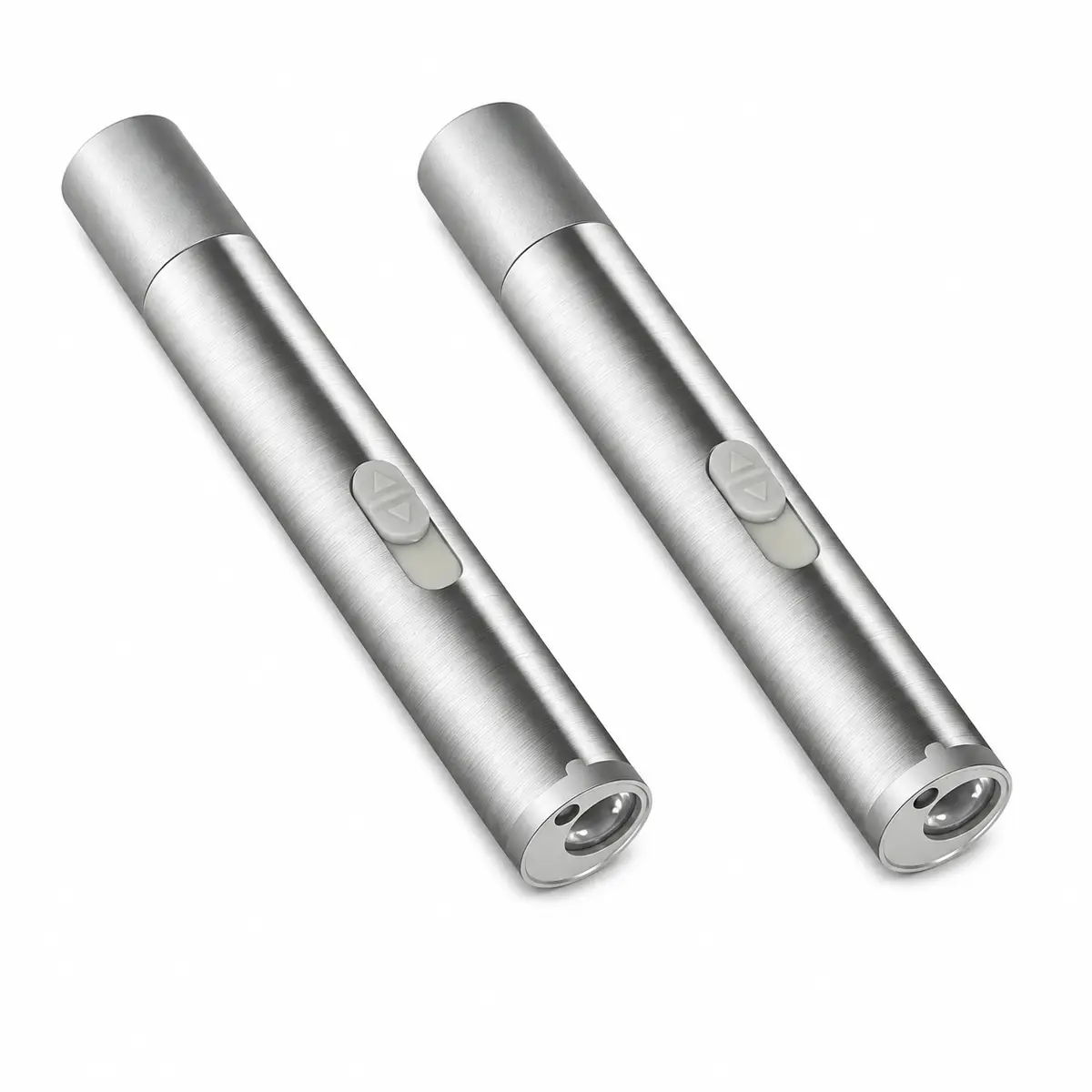
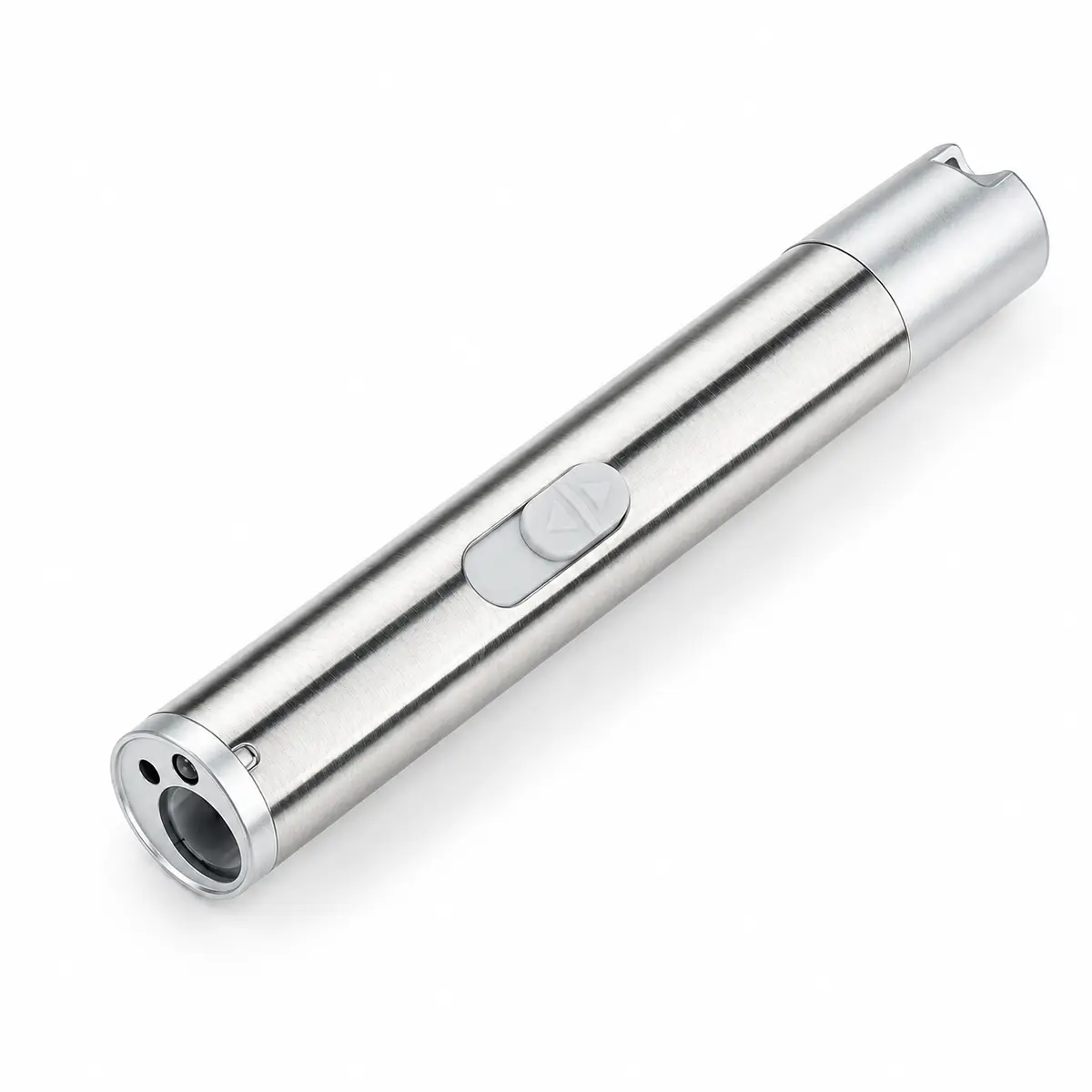
Laser pointers are not bad for cats when used carefully. They are a quick way to get a lazy cat moving. The two risks are frustration, because the cat never catches anything, and eye injury if the beam is shone into the eyes. Never aim at the face, keep sessions short, and end every game on a real toy or treat your cat can catch.
By Matt GarnettUpdated November 9, 20263 min read3 sources
Why cats love the red dot
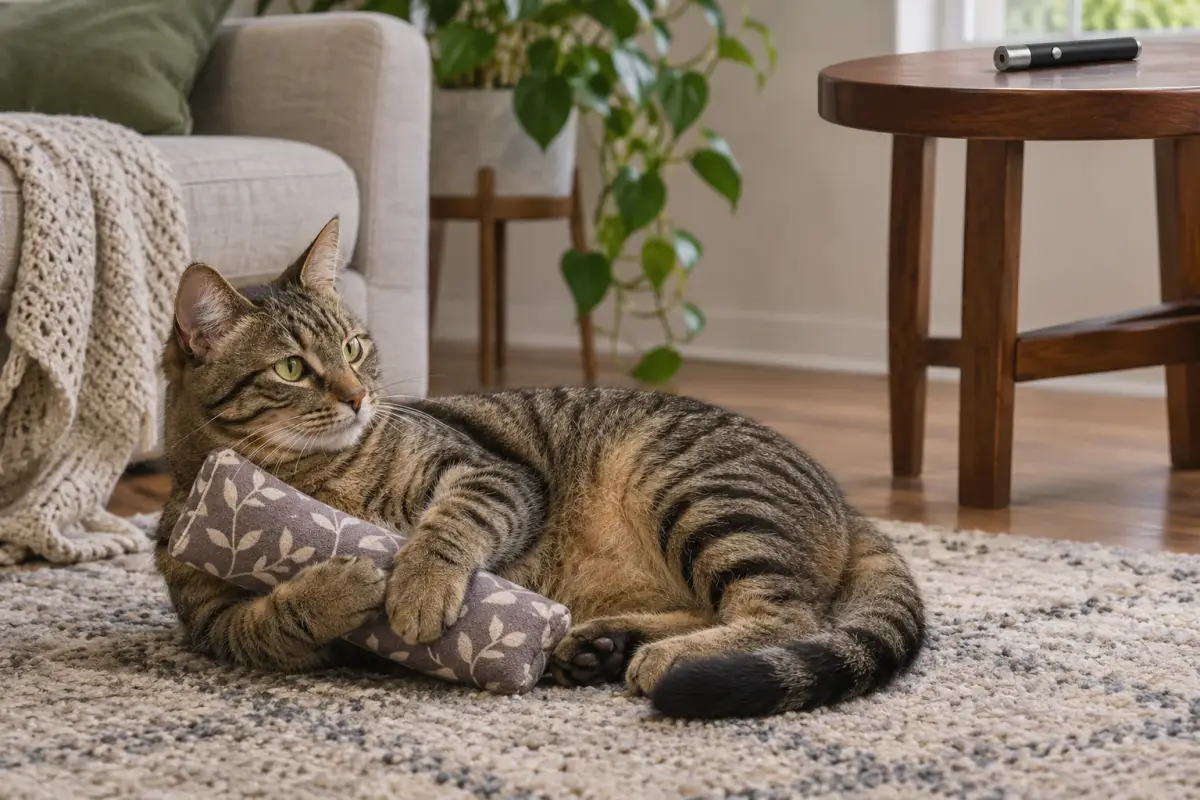
Cats are hunters, and a small, fast, erratic dot triggers the same stalk, chase and pounce sequence as a mouse or insect. VCA notes that predatory activity peaks around dawn and dusk and that adult cats keep their hunting drive throughout life, so even a sedentary indoor cat may sprint after a laser.
That makes cat laser toys useful. A few minutes of chasing burns energy, gets an overweight or bored cat moving and can be done from the sofa, which is why VCA lists laser play among fun exercises for cats.
The frustration problem
A real hunt ends with a catch. A laser hunt never does. VCA's kitten play guidance warns that repeatedly pouncing on a light and finding nothing there can be frustrating for some cats, and its general play advice says cats need to succeed or they lose interest.
Some owners report cats that keep searching for the dot after play, stare at reflections or pounce on shadows. Not every cat reacts this way, but it is a good reason to change how the game ends rather than to drop lasers altogether.
Eye safety
VCA's exercise guidance is clear: do not shine the laser directly into your cat's eyes. Keep the beam on the floor and walls, away from the face, and never point it at a cat that is looking straight at you.
Use a low-power pointer sold as a pet toy and keep it away from children, who may aim it carelessly. Do not use high-powered lasers sold for presentations or astronomy. If your cat squints, paws at an eye or seems to have changed vision after play, call your vet.
How to use a laser the right way
Step 1: Keep sessions short, two to five minutes, as part of longer play. Step 2: Move the dot like prey: let it hide behind furniture, pause, then dart away, rather than zipping it in circles. Step 3: Let your cat catch the dot sometimes by stopping it under a paw.
Step 4: End on something real. VCA advises rewarding your cat when it catches the light. Guide the dot onto a toy mouse or a treat, switch it off, and let your cat pounce on the toy or eat the treat. That gives the hunt a satisfying finish.
Better toys to mix in
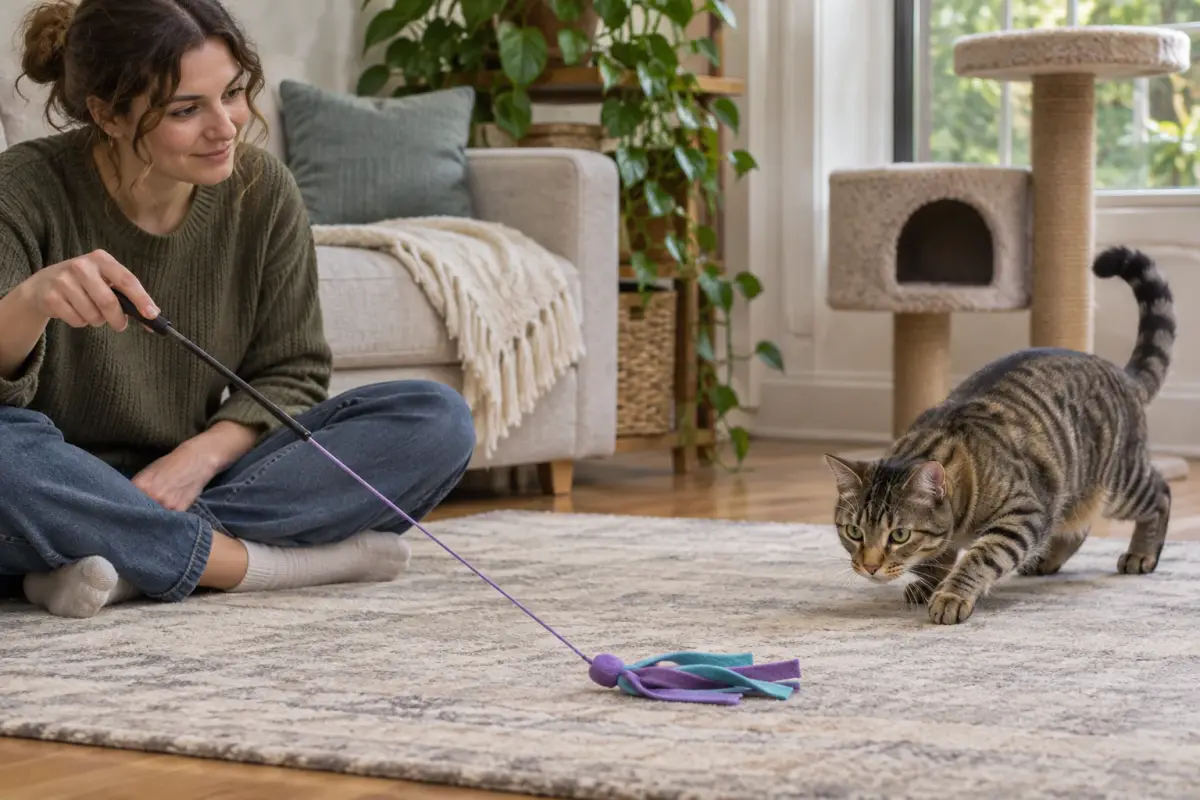
Wand and fishing-pole toys with feathers or fabric are the best all-rounders, because your cat can actually catch them. VCA recommends several 10-minute play sessions a day and keeping your hands away from the toy. Toy mice, crinkle balls and rolled-up paper balls are good for pouncing.
Rotate toys weekly so they stay novel; VCA suggests keeping about 20 on hand and offering four or five at a time. Food puzzles turn part of a meal into a hunt that always pays off. Never leave a wand or string toy out unsupervised, since swallowed string is dangerous.
When to call your vet
Call your vet if your cat becomes fixated on lights or shadows, chases its tail or attacks reflections for long periods, or seems anxious after play. These can be signs of frustration or other behavior problems that deserve a look.
Also call if you think the beam hit your cat's eye and it squints, keeps one eye closed or the eye looks red or cloudy.
This page is general information, not veterinary advice, and it cannot replace an examination by the vet who knows your pet.
Common questions
Can a laser pointer hurt a cat's eyes?
A beam shone directly into the eye can cause injury, which is why VCA advises never pointing it at the eyes. Keep the dot on the floor and walls and use a low-power pet toy.
Do laser pointers cause behavior problems in cats?
Some cats seem frustrated by a target they can never catch and may chase lights or shadows afterward. Ending each game on a toy or treat your cat can catch helps prevent this.
How long should I play laser with my cat?
Keep laser chasing to a few minutes within a longer play session, then switch to a wand toy or end with a treat. Several short sessions a day are better than one long one.
Sources we checked
This guide is general information, not veterinary advice. If your pet is unwell or injured, contact your veterinarian.