







Cats
Cat chew toys
Pounce, chase, play.
4 items picked for everyday life with your pet, with shipping estimates on every item.
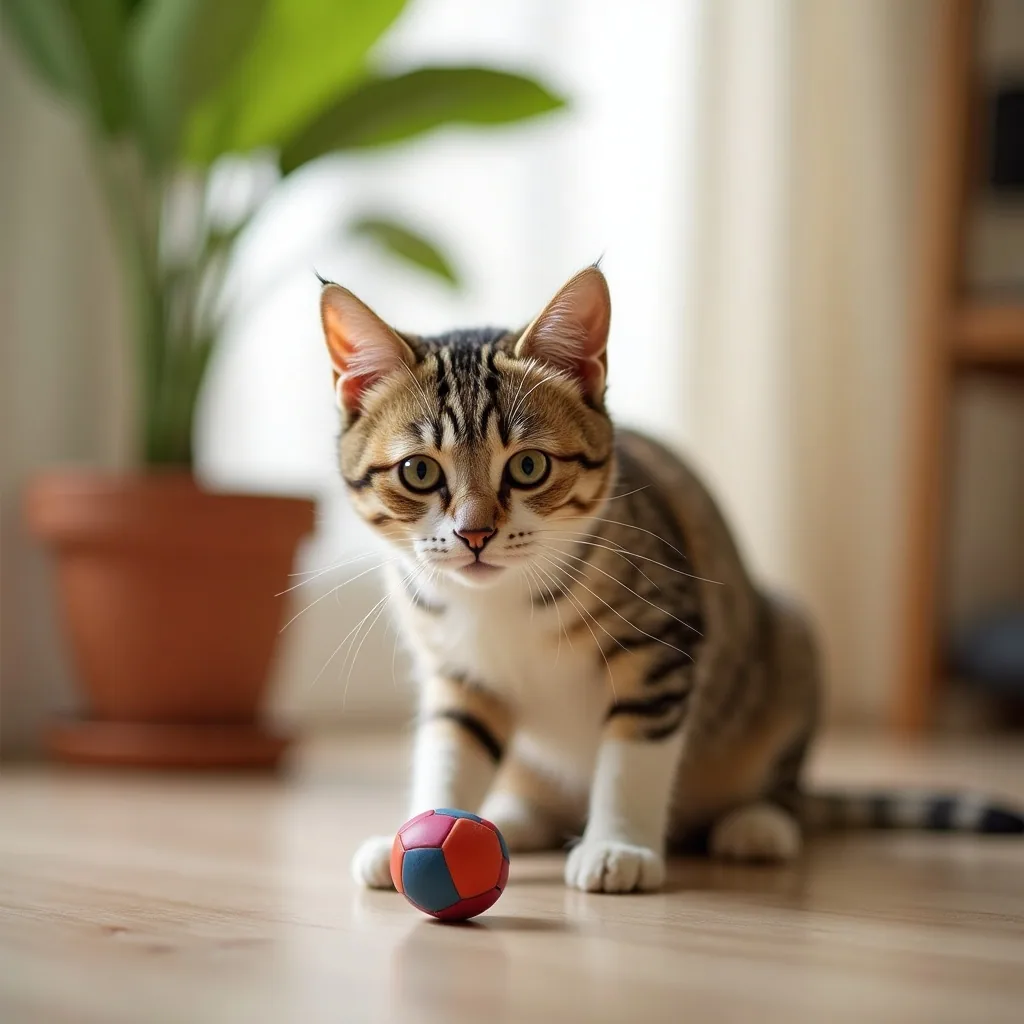 A little fun goes a long way.
All cats toys & play →Cat scratchers →Interactive cat toys →Cat tunnels →Cat scratching posts →Cat puzzle feeders →Cat exercise wheels →Cat scratch deterrents →Catnip & silvervine toys →
↗Tracked US shippingEstimates on every item↶Returns & refundsHow it works♡Here to helpTalk to Giddy Pets
Find their favorites
Shop cat toys by type
Choose a section to narrow the range.
All cat chew toys
Little essentials. Lots of love.


A little guidance
Help choosing cat chew toys
Buying guides and care advice written for this range: what to measure, what matters and what to skip.
From our guides
- Do Cats Need Chew Toys? Kittens, Teething and Safe Picks →
- Best Rabbit Chew Toys: What Is Safe and What to Look For →
- Best Cat Toys: How to Choose Toys Cats Actually Use →
- DIY Cat Toys: Easy Homemade Toys Cats Love →
- Best Automatic Cat Toys: What Actually Matters →
- Best Catnip Toys: How to Choose Ones Your Cat Will Love →
This page picks out the toys in our cat toys range that are made to be chewed: natural silvervine sticks and stick balls, fishbone-shaped catnip and silvervine dental chews, a silvervine and loofah dental chew, and chew ropes you refill with catnip. It is for teething kittens, adult cats who gnaw on cables, plants and plastic bags, and owners looking for something safer to chew on.
Why cats chew
Kittens lose their baby teeth and grow adult teeth between roughly three and six months of age, and chewing eases the discomfort. That is why a kitten suddenly gnaws on fingers, shoelaces and furniture legs. Most grow out of it once their adult teeth are in.
Some adult cats keep chewing. It can be boredom, a habit, or a liking for certain textures, especially plastic and fabric. Giving a chewer a safe, tempting alternative is far easier than trying to stop the habit altogether.
Chew toys in this range
Silvervine sticks are dried woody stems that most cats love to gnaw, and the scent draws in cats that ignore catnip. Silvervine stick balls with a bell combine chewing and batting. Fishbone-shaped dental chews mix catnip and silvervine with a ridged surface.
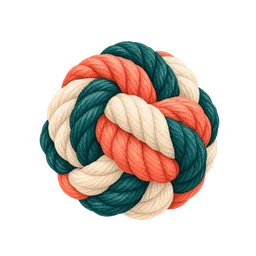
A silvervine and loofah chew adds a fibrous texture many cats enjoy, and refillable chew ropes let you top up the catnip so the toy keeps its appeal.
Choosing chew toys for kittens
For teething kittens, pick softer, small chews they can hold easily, and avoid hard objects that could crack a tooth. Very young kittens often show little reaction to catnip or silvervine scent, but they still enjoy the texture.
Offer the chew when your kitten starts on your hands, and reward them for switching. Hands should never be the toy, or a playful kitten becomes an adult cat that bites.
Safety and supervision
Check chew toys every few days. Throw away silvervine sticks once they splinter into small, sharp pieces or are worn short enough to swallow, and replace ropes that are fraying. Bells and small parts should be firmly attached.
Keep cables, rubber bands, hair ties, string and thread out of reach of a chewer, since swallowed string can cause serious intestinal damage. If your cat vomits repeatedly, strains, stops eating or you think it has swallowed something, call your vet straight away.
When chewing is a health sign
A sudden chewing habit in an adult cat, chewing non-food items like fabric or plastic, or drooling and pawing at the mouth can point to dental pain, gum disease or other health problems. Bad breath and red gums are worth a vet visit.
Chew toys can add some gentle cleaning action, but they do not replace dental checkups. Your vet can tell you whether your cat's teeth need cleaning, and how to brush them at home.
What can I give my kitten for teething?
Small, soft chew toys such as silvervine sticks, catnip chew ropes and fabric toys give teething kittens something safe to gnaw instead of hands and furniture.
Are silvervine sticks safe for cats?
Yes, they are made for chewing. Replace them once they splinter or wear down small enough to swallow, and supervise heavy chewers.
Why does my cat chew on plastic?
It can be boredom, habit or a liking for the texture. Offer chew toys, add play, and see your vet if the chewing is new or intense.
Do cat dental chew toys clean teeth?
They can help a little through chewing, but they do not replace brushing and dental checkups with your vet.
At what age do kittens stop teething?
Most kittens finish teething by around six months, once their adult teeth have come in.