







Cats
Ceramic cat bowls
Little things. Happy cats.
18 items picked for everyday life with your pet, with shipping estimates on every item.
 A happy life, one little thing at a time.
All cats bowls & feeding →Cat water fountains →Automatic cat feeders →Cat slow feeders →Cat water dispensers →
↗Tracked US shippingEstimates on every item↶Returns & refundsHow it works♡Here to helpTalk to Giddy Pets
Find their favorites
Shop cat bowls by type
Choose a section to narrow the range.
All ceramic cat bowls
Little essentials. Lots of love.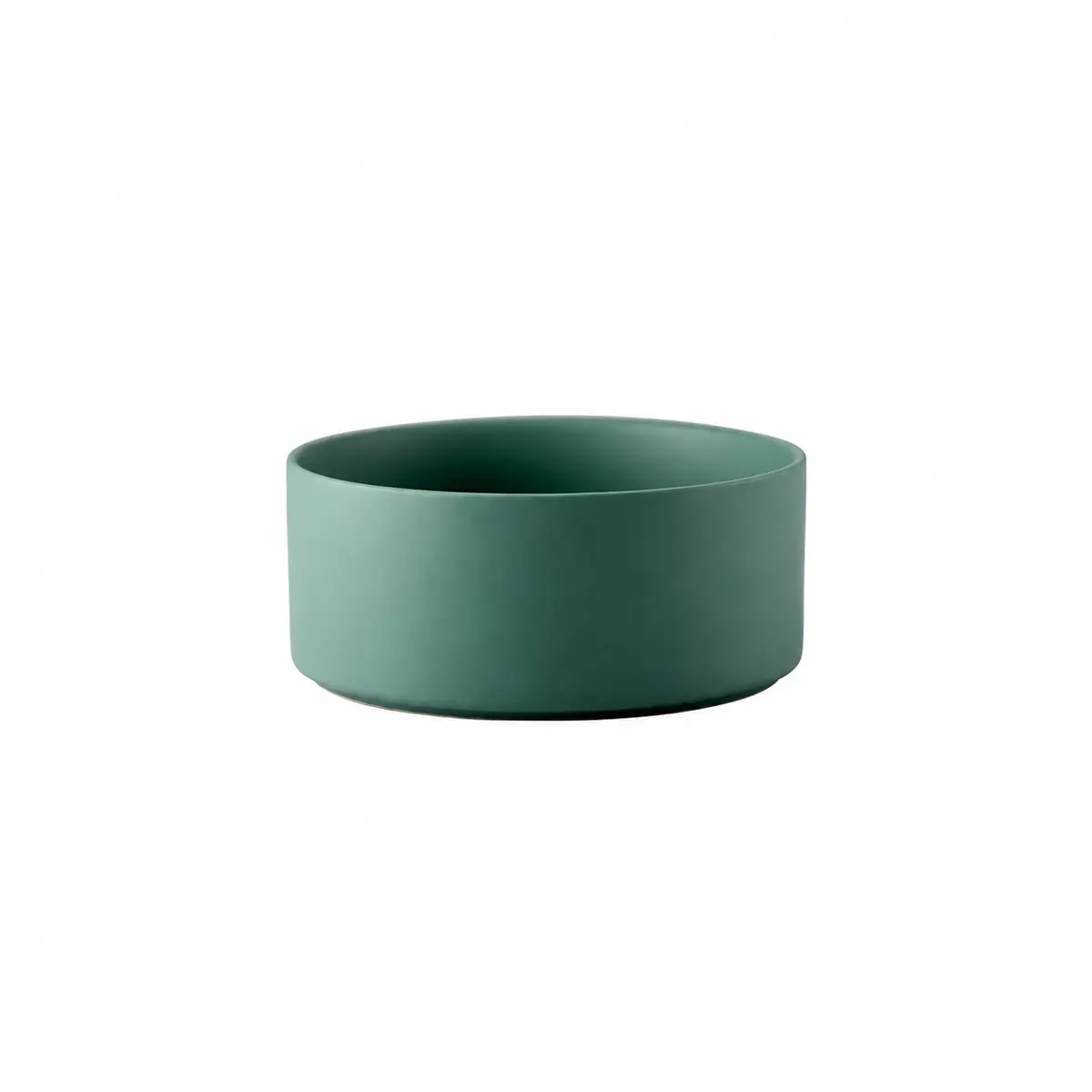
Dog bowls
Ceramic Pet Food Bowl, Single or Double with Wooden Stand
- Options
- 54 to choose from
From $21.99

Slow feeder dog bowls
Ceramic Slow Feeder Bowl for Cats and Dogs with Optional Wood Stand
- Options
- 6 to choose from
From $27.99


Dog bowls
Round Ceramic Pet Bowl with Lettered or Paw-Print Designs
- Options
- 9 to choose from
From $21.99




A little guidance
Help choosing ceramic cat bowls
Buying guides and care advice written for this range: what to measure, what matters and what to skip.
From our guides
- Best Cat Bowls: How to Choose Food and Water Dishes for Your Cat →
- Best Elevated Cat Bowls: What to Look For Before You Buy →
- Best Stainless Steel Cat Bowls: What to Look For →
- Best Ceramic Cat Water Fountains: What Actually Matters →
- Best Kitten Food: How to Choose What Your Kitten Needs →
- Why Do Cats Have Whiskers? →
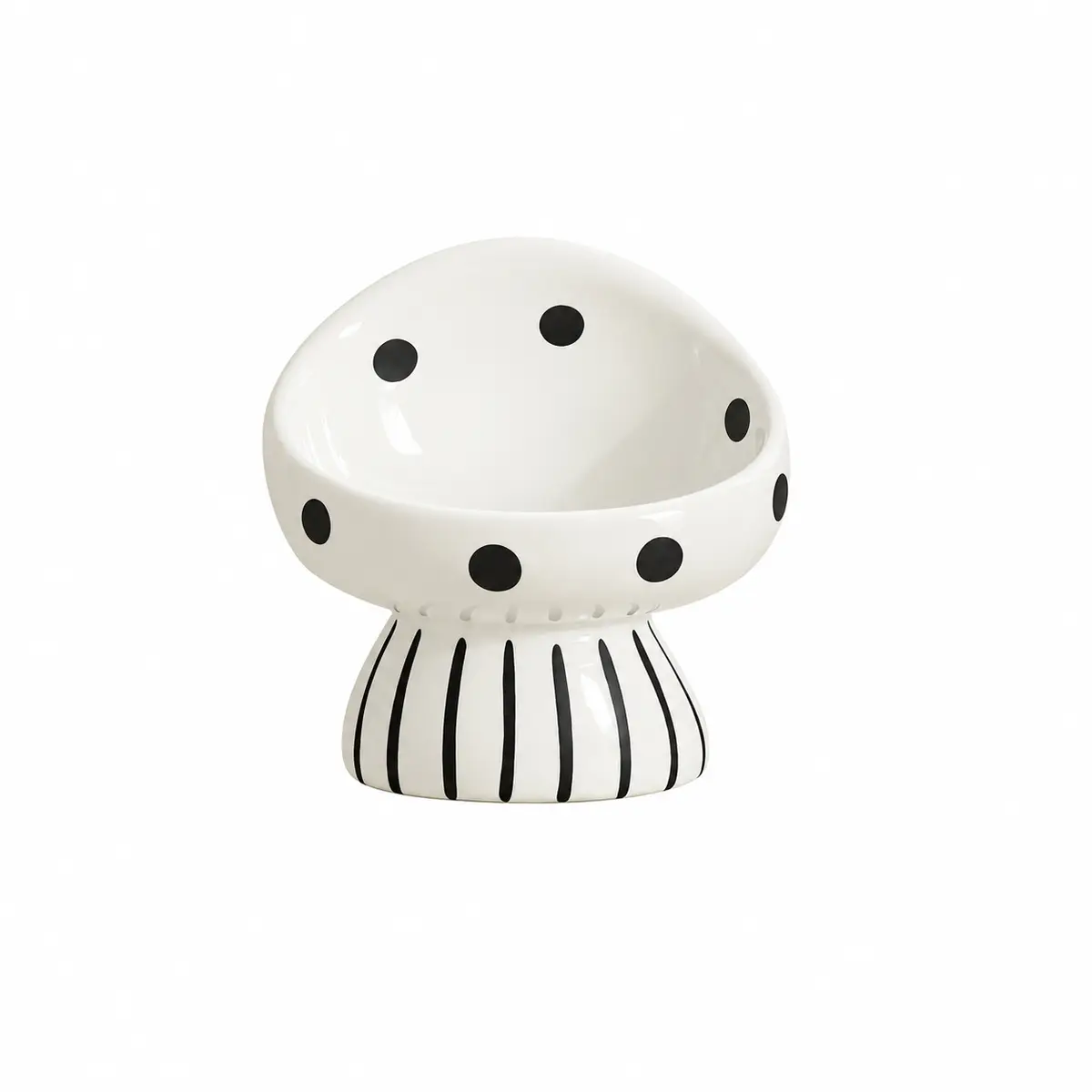
Shop ceramic cat bowls: raised double ceramic bowls on a stand, a tilted ceramic bowl on a raised base, a tip-proof ceramic bowl with a wooden stand, a raised mushroom-shaped bowl, a cheese-shaped bowl and a simple ceramic food dish. This page narrows our Cat Bowls range to glazed ceramic, a heavy, easy-clean material many owners prefer to plastic. Below is why ceramic suits cats, how to check a bowl is safe, and how to choose depth and height.
Why ceramic suits cats
Ceramic is heavy, so it stays put when a cat noses at it, and a smooth glaze is easy to clean and does not absorb odor. Plastic scratches over time, and those fine scratches can hold bacteria and smell, which some cats notice before you do.
Ceramic bowls also come in shapes and colors that look good in a kitchen, from a cheese wedge to a mushroom. Because they are heavy, they rarely tip, which matters with wet food and with cats who paw at their dish.
Checking a ceramic bowl is safe
Choose ceramic described as food safe, with a smooth, even glaze inside. Decorative pottery not intended for food may use glazes that are not suitable for daily feeding, so buy bowls sold for pets or for food.
Inspect bowls regularly. A chip or a crack in the glaze exposes porous clay that can trap bacteria and cut a tongue. Retire any bowl that is chipped or crazed, and handle ceramic with care in the sink, since a dropped bowl breaks easily.
Shallow, wide and tilted shapes
Many cats dislike deep, narrow bowls that press against their whiskers, and they may pull food onto the floor to eat it. Wide, shallow ceramic dishes avoid this, which is why most bowls in this range are low and open.
Tilted ceramic bowls angle the dish toward your cat, which helps flat-faced breeds and older cats pick food up comfortably. Raised stands lift the bowl a few inches, easing the neck for seniors and tall cats. The rim should be around the bottom of your cat's chest.
Double bowls and stands
Double ceramic bowls on a stand keep food and water together and stop bowls sliding apart. A wooden stand adds stability and lifts the bowls slightly. Some cats like water separate from food, so if the water side goes untouched, add a separate water bowl elsewhere.
Tip-proof designs, such as the ceramic bowl with a wooden stand here, are useful for cats who paw or push bowls around, and for homes with a dog who bumps into dishes.
Cleaning and feeding setup
Wash food bowls daily and water bowls at least every day or two, in hot soapy water or the dishwasher if the bowl is marked dishwasher safe. Remove wet food leftovers after meals, since they spoil quickly.
Place bowls somewhere quiet, away from the litter box. The Cornell Feline Health Center notes that dirty bowls, noise, other animals or a nearby litter box can all put a cat off eating. If your cat's appetite changes suddenly, talk to your vet.
Are ceramic bowls good for cats?
Yes. Glazed, food-safe ceramic is heavy, stable, easy to clean and does not scratch like plastic. Replace any ceramic bowl that chips or cracks, as damaged glaze can trap bacteria.
Ceramic or stainless steel cat bowl?
Both are good choices. Ceramic is heavier, steadier and more decorative; stainless steel is unbreakable and very easy to sanitize. Avoid old, scratched plastic bowls, which can hold bacteria in the grooves.
Are ceramic cat bowls dishwasher safe?
Many are. Check each listing, and hand wash any bowl with a wooden stand or decorative finish. Inspect bowls for chips after washing, and retire any bowl whose glaze has cracked.
Why does my cat pull food out of the bowl?
Often the bowl is too deep or narrow and presses on the whiskers. A wide, shallow ceramic dish or a tilted bowl usually solves it.
How often should I wash my cat's bowl?
Wash food bowls every day and water bowls at least every one or two days. Remove wet food leftovers after each meal so they do not spoil.