







Cats
Raised cat food bowls
Little things. Happy cats.
17 items picked for everyday life with your pet, with shipping estimates on every item.
 A happy life, one little thing at a time.
All cats bowls & feeding →Cat water fountains →Automatic cat feeders →Cat slow feeders →Cat water dispensers →
↗Tracked US shippingEstimates on every item↶Returns & refundsHow it works♡Here to helpTalk to Giddy Pets
Find their favorites
Shop cat bowls by type
Choose a section to narrow the range.
All raised cat food bowls
Little essentials. Lots of love.


Elevated dog bowls
Solid Wood Raised Single Pet Bowl Stand with Optional Bowl
- Options
- 5 to choose from
From $41.99


Elevated dog bowls
Tilting Stainless Steel Raised Pet Bowl Set, Single or Double
- Options
- 6 to choose from
From $18.99




A little guidance
Help choosing raised cat food bowls
Buying guides and care advice written for this range: what to measure, what matters and what to skip.
From our guides
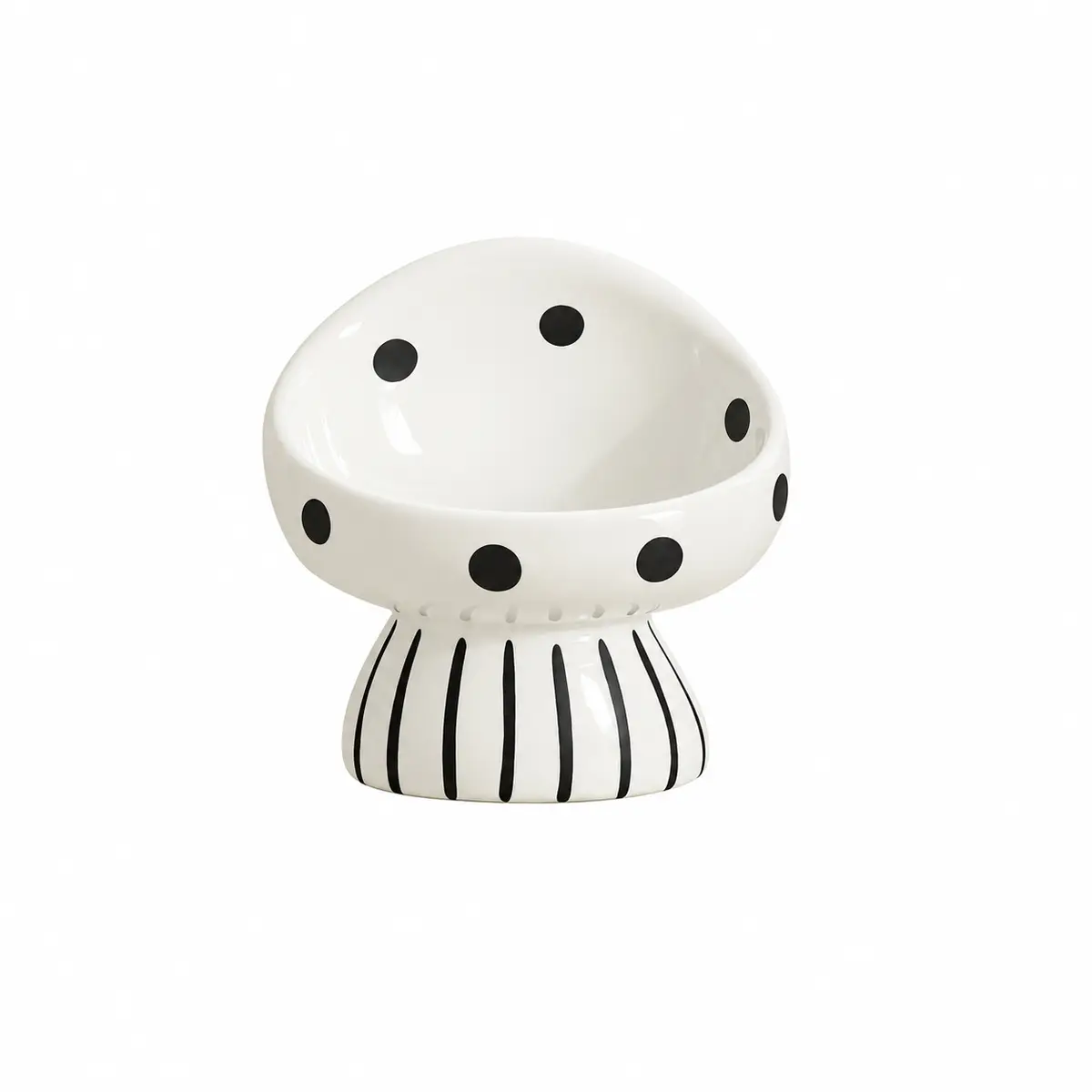
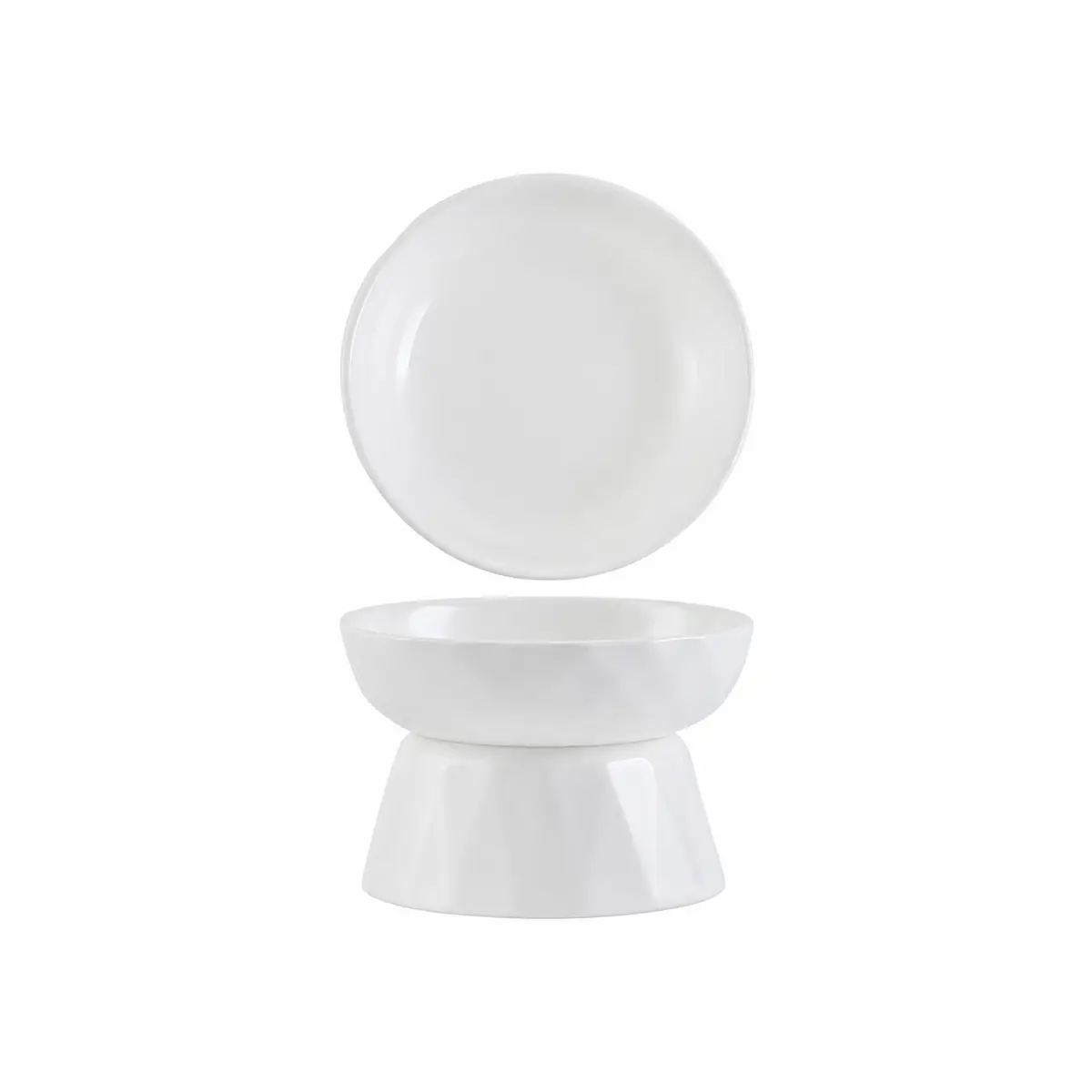
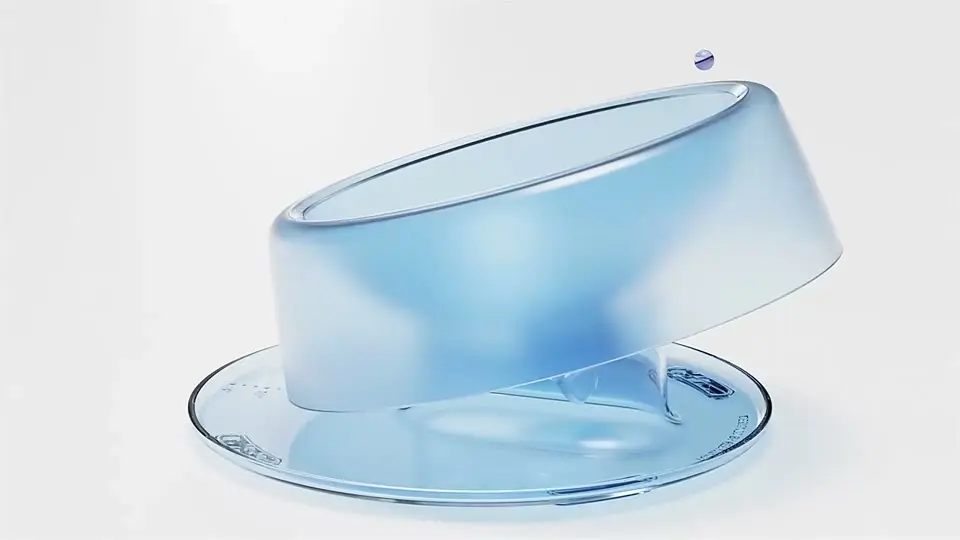
Shop raised cat food bowls: double ceramic bowls on a stand, tilted ceramic bowls on a raised base, a tilted wooden bowl stand, a raised mushroom-shaped ceramic bowl, double bowls angled to ease the neck, and a raised slow feeder with a built-in water dispenser. This page narrows our Cat Bowls range to elevated and tilted designs. Below is which cats benefit from a raised bowl, how high it should be, and how to choose between ceramic and steel.
Which cats benefit from a raised bowl
Cats evolved to eat from the ground, so a raised bowl is a comfort choice rather than a necessity. It helps most for older cats with stiff necks, shoulders or front legs, cats with arthritis, and large or long-legged cats who crouch awkwardly over a floor bowl. Some owners also find raised bowls reduce kibble scattered across the floor.
A tilted bowl angles the dish toward the cat, so it can see and reach the food without pushing its face into the bottom. That helps flat-faced breeds such as Persians and Exotic Shorthairs, who often struggle to pick kibble out of a deep, level dish.
How high a raised cat bowl should be
Raised cat bowls sit much lower than dog bowls. The rim should be roughly level with the bottom of your cat's chest when it is standing, so it can eat with a slight downward tilt of the head rather than reaching up or crouching. For most cats that is just a few inches off the floor.
If your cat stretches its neck up to eat, the bowl is too high. Watch your cat eat from a new stand for a few meals. A bowl that is comfortable means a cat that finishes calmly rather than walking away.
Ceramic, steel or wood
Ceramic bowls, which make up much of this range, are heavy, stable and easy to clean, and the glazed surface does not hold odor. Use only bowls described as food safe and replace any that chip or crack, since cracks can trap bacteria.
Stainless steel is light, unbreakable and dishwasher safe. Wooden stands look smart and hold a ceramic or steel bowl, but the wood itself should be wiped dry, not soaked. Many vets suggest avoiding scratched plastic bowls, which can harbor bacteria in the grooves.
Shallow bowls and whisker comfort
Cats have sensitive whiskers, and many dislike deep, narrow bowls that brush against them. If your cat scoops food onto the floor or eats only from the middle of the bowl, a wide, shallow dish may suit it better. Most raised ceramic bowls here are shallow by design.
Double bowls let you keep food and water side by side. Some cats prefer their water away from food, so if your cat ignores the water side, try a separate bowl or fountain elsewhere in the room.
Cleaning and placement
Wash food bowls every day and water bowls at least every day or two, using hot soapy water. Wet food left out dries on and spoils quickly, so remove leftovers after a meal. Ceramic and steel bowls can usually go in the dishwasher; wooden stands should be wiped by hand.
Put bowls in a quiet spot, away from the litter box and busy walkways. The Cornell Feline Health Center notes that noise, other animals, dirty bowls or a nearby litter box can all discourage a cat from eating. A non-slip mat underneath keeps the stand steady.
Are raised bowls good for cats?
They can be, especially for older cats with stiff necks or joints, large cats and flat-faced breeds. Healthy young cats eat comfortably from the floor, so a raised bowl is a comfort choice, not a requirement.
How high should a raised cat bowl be?
The rim should sit about level with the bottom of your cat's chest when standing, usually only a few inches off the floor. Your cat should tilt its head slightly down, not stretch up.
Why do tilted cat bowls help?
Tilting angles the dish toward your cat, so food is easier to see and reach. That helps flat-faced breeds and cats with neck stiffness pick up kibble without pushing into the bottom of the bowl.
Is ceramic or stainless steel better for cat bowls?
Both are good. Ceramic is heavy and stable and stays clean if glazed and unchipped. Stainless steel is unbreakable and dishwasher safe. Avoid scratched plastic, which can hold bacteria.
Should cat food and water bowls be together?
Many cats are fine with them side by side. Some prefer water away from food, so if your cat ignores the water side of a double bowl, try a separate water bowl elsewhere.