







Dogs
Dog enrichment toys
Playtime, all the time.
86 items picked for everyday life with your pet, with shipping estimates on every item.
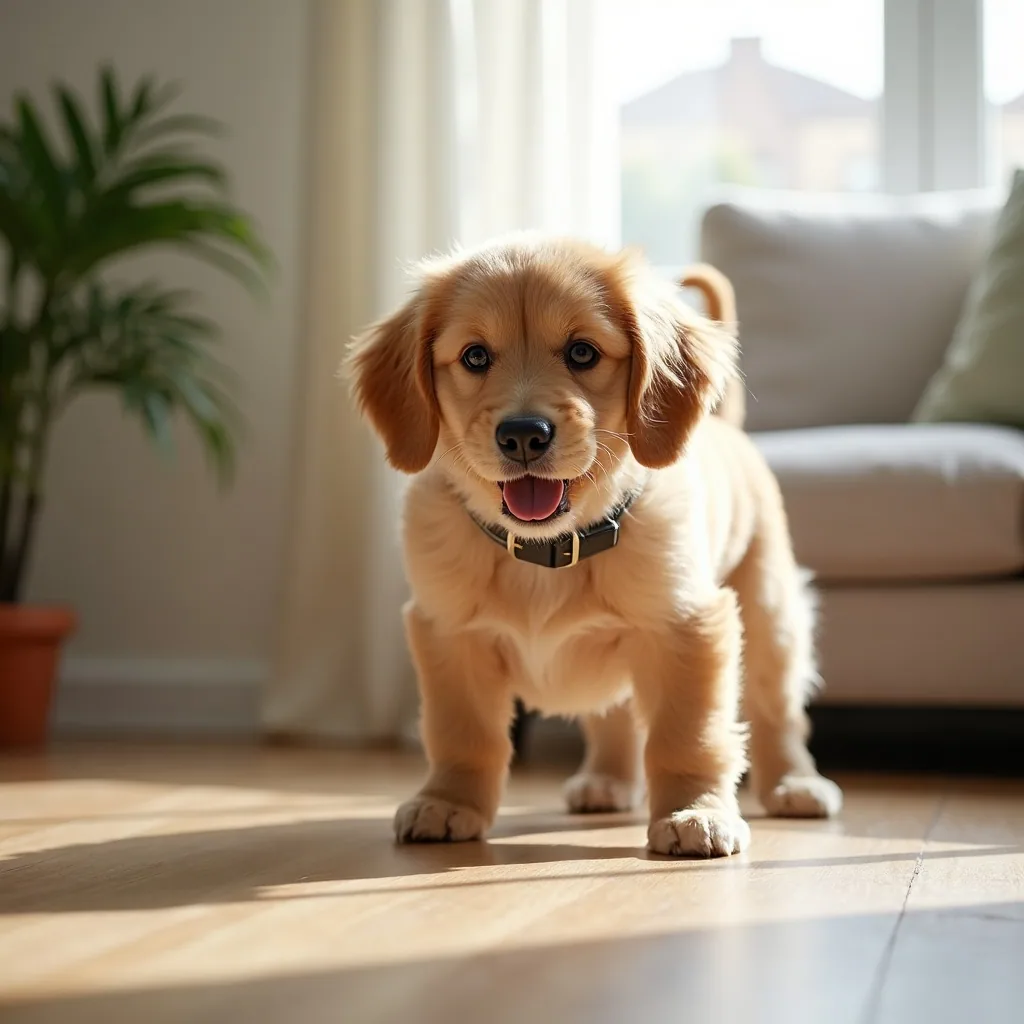 Toys worth getting excited about.
All dogs toys & play →Dog toys →Snuffle mats →Dog agility equipment →Interactive dog toys →Dog treat balls →Dog balls →Dog puzzle toys →Dog chew toys →Puppy teething toys →Herding balls →Dog puzzle feeders →Automatic ball launchers →
↗Tracked US shippingEstimates on every item↶Returns & refundsHow it works♡Here to helpTalk to Giddy Pets
All dog enrichment toys
Little essentials. Lots of love.
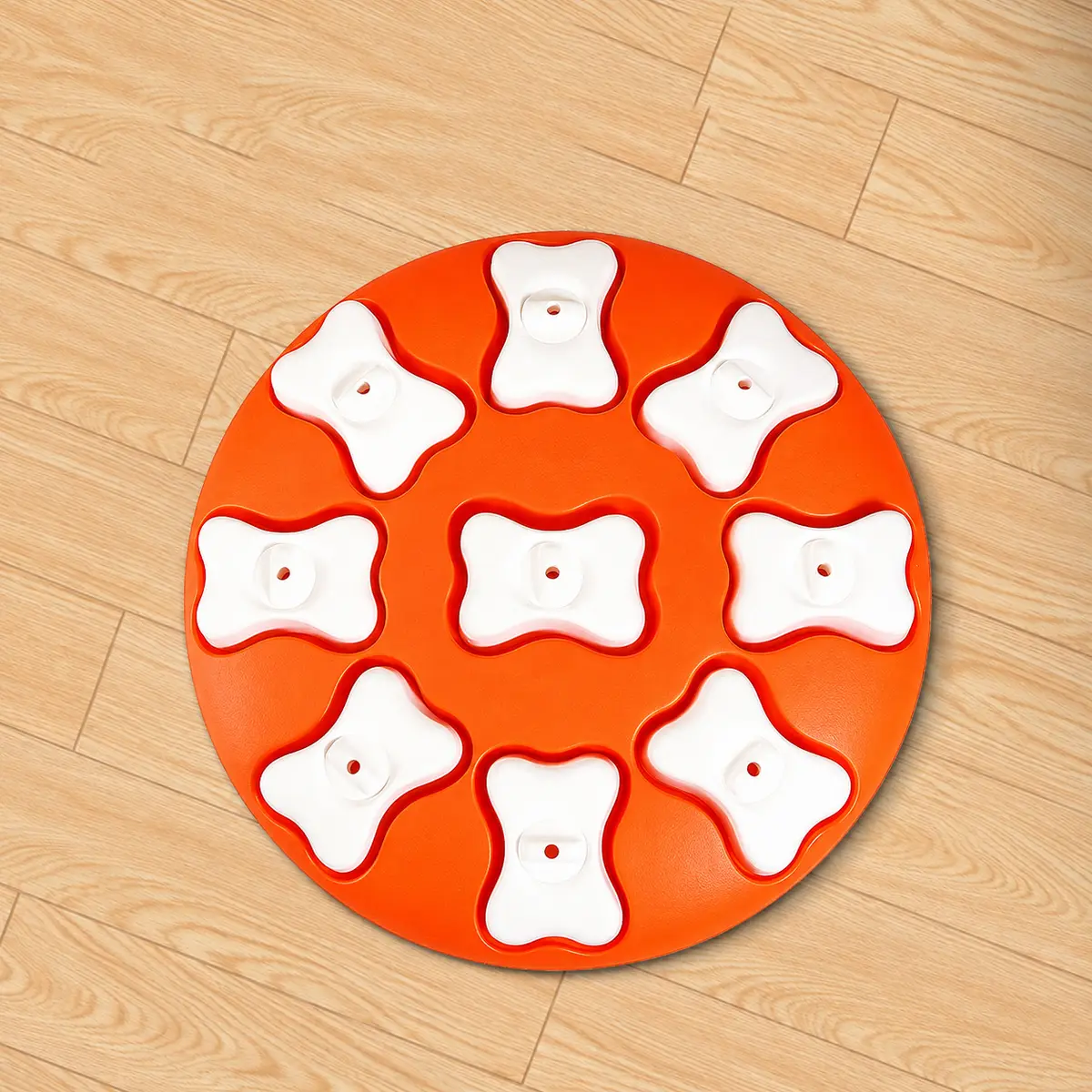
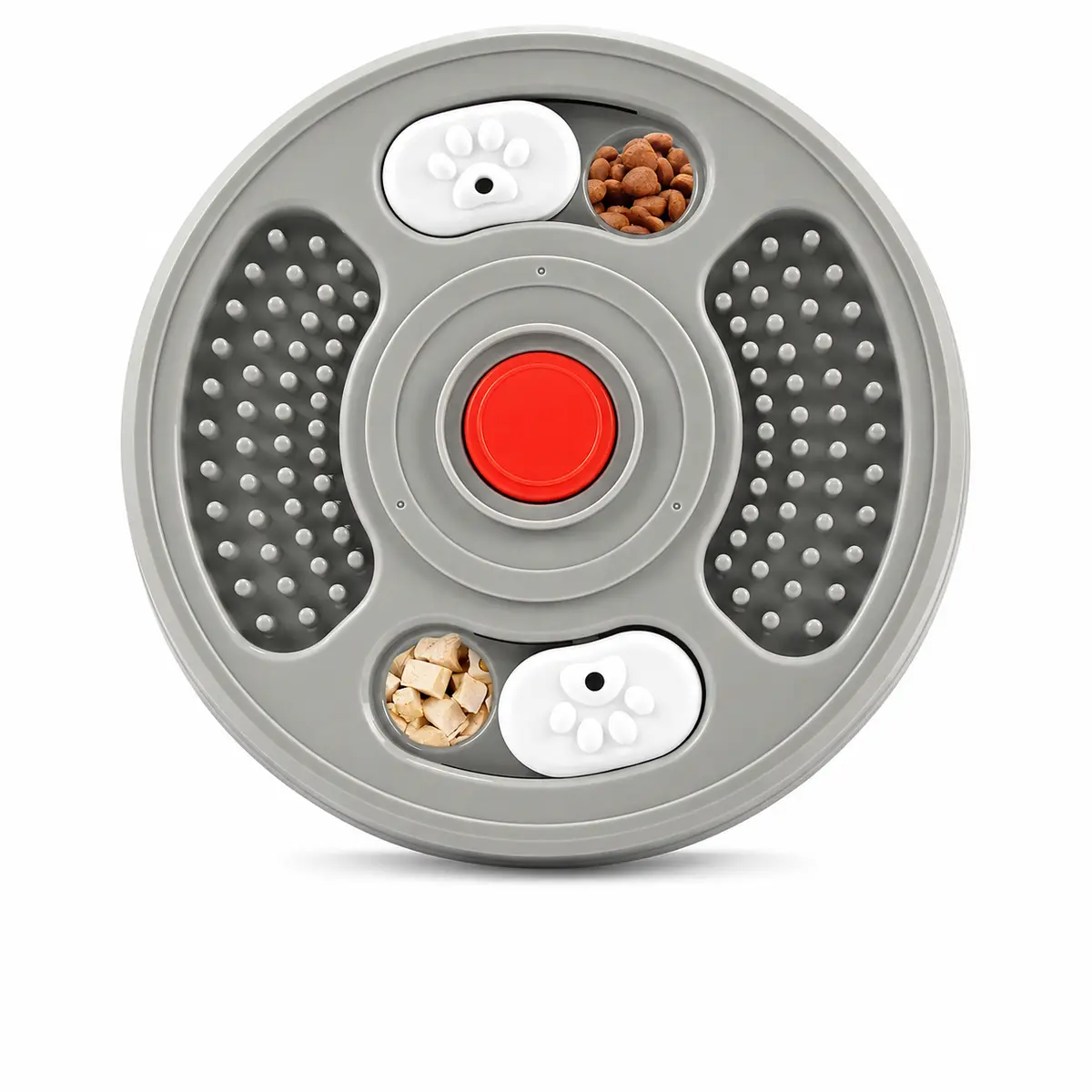


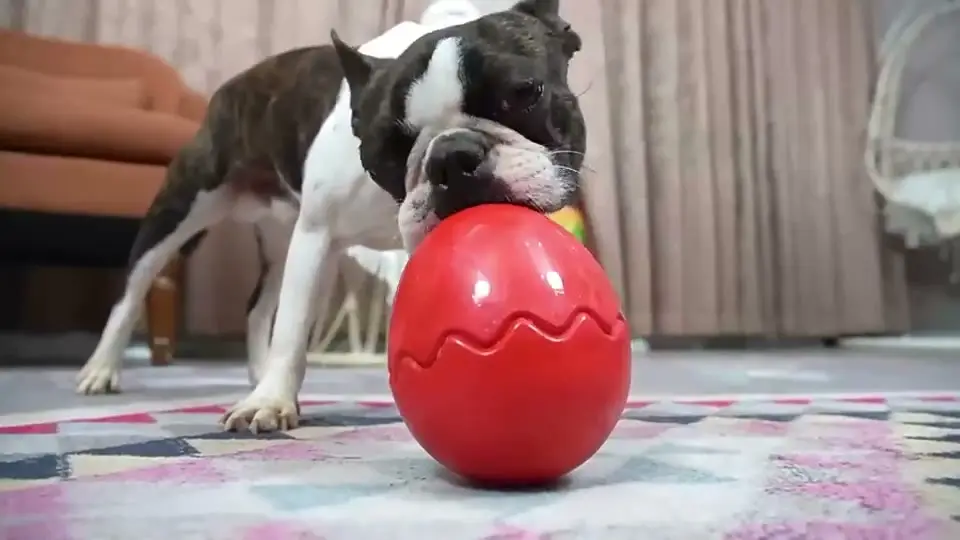




Dog puzzle toys
Dog Puzzle Slow Feeder Bowl in Footprint, Round or Hexagon Shape
- Options
- 10 to choose from
From $19.99


A little guidance
Help choosing dog enrichment toys
Buying guides and care advice written for this range: what to measure, what matters and what to skip.
From our guides
This hub covers toys that make a dog think and use its nose: snuffle mats and foraging mats, hide-and-seek plush puzzles, slide and level-based treat puzzles, adjustable treat-dispensing balls, snuffle sticks and lick mats. It is for owners of high-energy breeds, dogs on crate or exercise rest, puppies that need an outlet, and any dog that gets into trouble when it is bored.
What enrichment means for a dog
Enrichment is anything that lets a dog use its natural behaviors, such as sniffing, foraging, chewing, licking and problem solving, in a safe way. Ten minutes of sniffing out food can tire a dog as much as a longer walk, because working the nose and brain is hard work.
Enrichment toys help most when a dog's normal outlets are limited: in bad weather, after surgery when your vet has restricted exercise, for older dogs that cannot walk far, and for working breeds that need a job. They also give a dog something calm to do while you are busy.
Snuffle mats and foraging toys
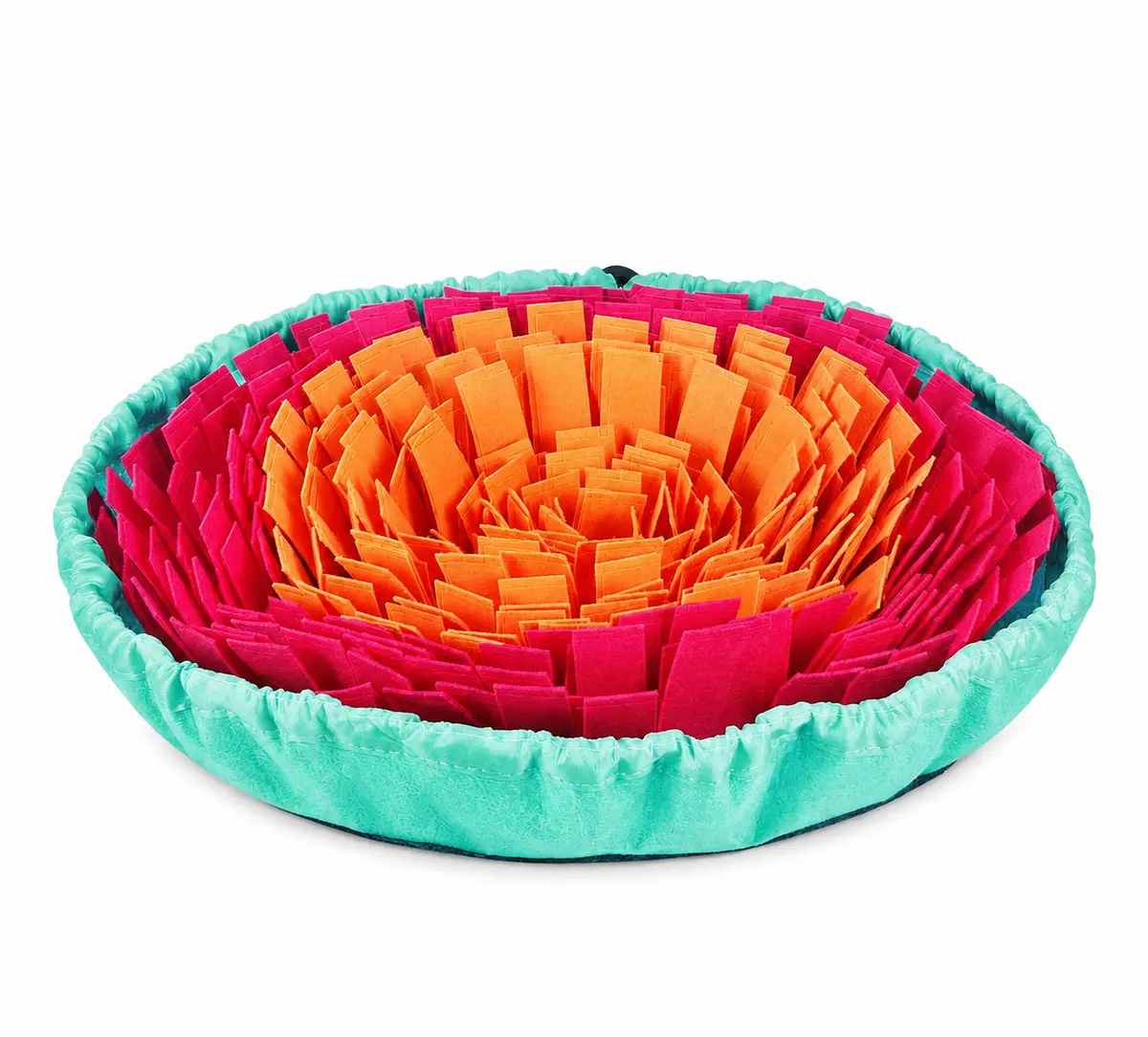
A snuffle mat is a base covered in fabric strips where you scatter kibble or treats. Your dog noses through the strips to find each piece, which slows eating and satisfies the urge to forage. Hide-and-seek plush toys put treats or squeaky pieces inside pockets for a dog to pull out.
Most snuffle mats here are machine washable, which matters because crumbs work into the strips. Shake them out after use and wash regularly. Supervise dogs that chew fabric, since snuffle mats are for sniffing, not shredding.
Treat puzzles and dispensing balls
Puzzle feeders have sliders, flaps and compartments that a dog must work out to reach the food. Level-based puzzles let you start easy and add difficulty. Treat-dispensing balls and wobblers release kibble as the dog rolls them, which suits dogs that like to push things around.
Start every puzzle at its easiest so your dog wins quickly, and stay with it the first few times. A dog that gets frustrated may try to chew the puzzle open. Count puzzle food as part of the daily ration so enrichment does not lead to weight gain.
Lick mats
Lick mats are textured silicone or rubber mats you spread with soft food. The American Kennel Club notes they can help soothe anxious dogs during fireworks or storms, keep mouthy puppies busy and slow fast eaters. Plain unsweetened yogurt, wet food or xylitol-free peanut butter in small amounts all work.
The American Kennel Club advises choosing food-grade mats, supervising use rather than leaving them with the dog, and washing after every use to prevent mold. Freezing a spread mat makes it last longer and offers a cool treat in summer. Replace mats that show bite damage or loose pieces.
Building enrichment into the week
Rotate a few toys so each one stays interesting: a snuffle mat at breakfast, a puzzle in the afternoon, a frozen lick mat in the evening. Feeding part of a meal through enrichment is an easy habit that gives a dog a daily job.
Watch how your dog uses each toy and match difficulty to its patience. If your dog shows sudden destructiveness, pacing or anxiety that enrichment does not ease, talk to your vet, since behavior changes can have a medical cause.
What are enrichment toys for dogs?
Toys that let a dog sniff, forage, lick and solve problems, such as snuffle mats, treat puzzles and lick mats. They give mental exercise as well as play.
Are snuffle mats good for dogs?
Yes. They slow eating and let a dog forage with its nose, which many dogs find calming and tiring. Supervise chewers and wash the mat regularly.
What can I put on a lick mat for my dog?
Plain unsweetened yogurt, wet dog food or a little xylitol-free peanut butter. Freeze it for a longer-lasting treat, and wash the mat after each use.
How long should enrichment sessions last?
Ten to twenty minutes is plenty for most dogs. Several short sessions a day work better than one long one, and end while your dog is still interested.
Can enrichment toys help a bored dog?
Yes. Daily sniffing and puzzle work give an outlet for energy that would otherwise go into chewing or digging, and they suit dogs that cannot exercise much.
Are enrichment toys good for puppies?
Yes. Simple snuffle mats, easy puzzles and lick mats give puppies a calm outlet for chewing and exploring. Start at the easiest level and supervise, since puppies chew everything.