Training & behavior
How to Stop a Dog From Digging
To stop a dog from digging, work out why it digs and fix that cause: give shade and water to a dog digging a cool bed, more exercise and play to a bored one, a secured fence line to an escape artist, and a dedicated digging box to a dog that simply loves to dig. Supervise outdoor time and cover favorite holes. Digging is natural, so redirecting it usually works better than trying to stop it entirely.
By Matt GarnettUpdated November 9, 20263 min read2 sources
Why dogs dig
Digging is a normal dog behavior, and some breeds, such as terriers, dachshunds and northern breeds, were bred for it. Dogs dig to make a cool spot to lie in on hot days, to chase the smell or sound of burrowing animals, to hide bones and toys, to escape the yard, and simply because it is fun.
Boredom and anxiety drive a lot of problem digging. A dog left alone in the yard for long periods with nothing to do will often invent a hobby, and digging at doors, door frames or under the fence while alone can be a sign of separation anxiety.
Fixes for each type of digging
Cooling off: provide shade, a raised or cooling bed and fresh water, and bring your dog in on hot days. Hunting: digging in lines or around tree roots suggests burrowing animals; deal humanely with the pests without using poisons a dog could reach. Burying: dogs with lots of toys or chews may hide the extras, so offer fewer at once.
Escaping: supervise your dog outdoors, sink chicken wire along the base of the fence or set a row of large rocks there, and look at why your dog wants out, such as boredom, a female in season nearby, or fear of noises. Neutering and more company and exercise can reduce roaming.
Give your dog a legal digging spot
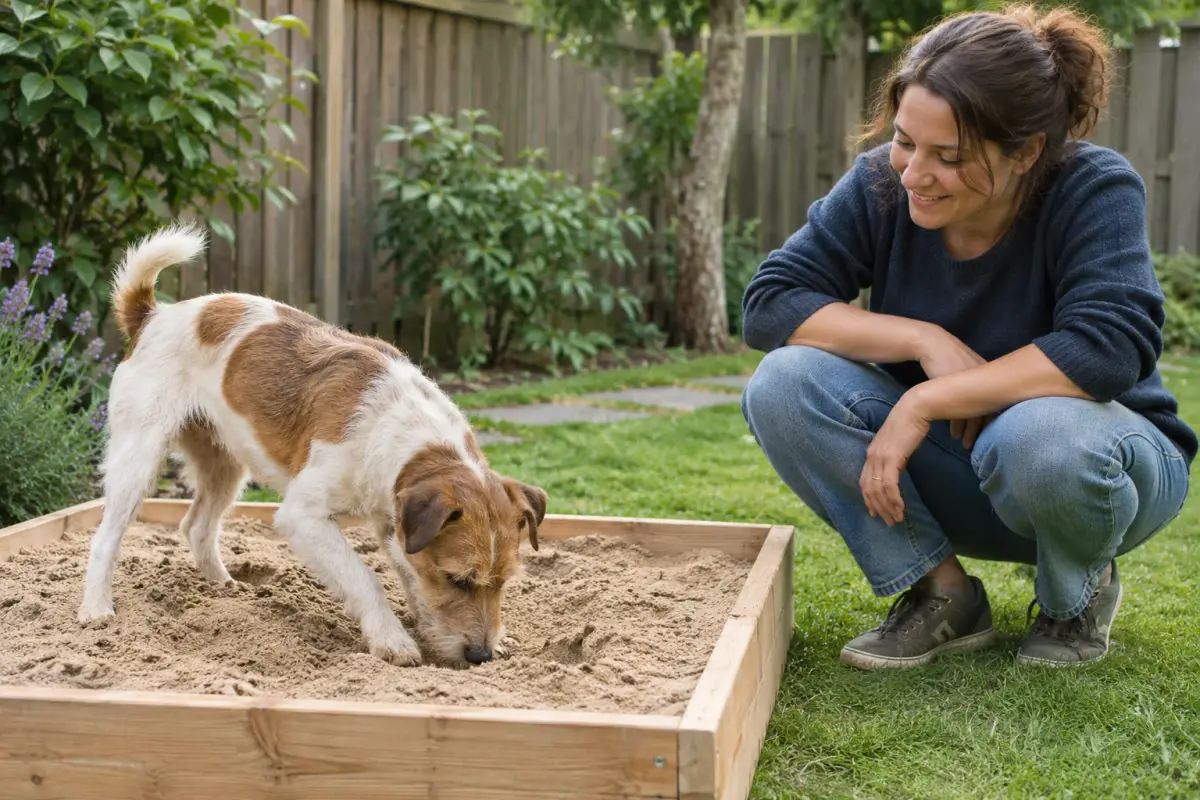
For dogs that love to dig, a digging zone works well. Use a sandbox or a child's paddling pool filled with loose soil or sand, in a shady part of the yard. Hide toys, treats or a treat-hiding plush toy a little way under the surface and encourage your dog to find them, praising it enthusiastically.
When your dog starts digging elsewhere, calmly interrupt and lead it to the digging box, then reward it for digging there. Make the box more rewarding than the flower bed by regularly hiding new treasures.
Protect favorite spots and supervise
Cover favorite holes with chicken wire just under the soil, large flat stones, or garden fencing, and fill holes promptly. Some dogs return to holes that smell of their own poop or of buried treats, so clean up the yard regularly.
Supervise your dog outdoors rather than leaving it out alone for hours. Join it in the yard for play, fetch or sniffing games, perhaps with a snuffle foraging mat. Avoid punishment after the fact; your dog will not connect a scolding with a hole it dug earlier.
Exercise, enrichment and when to call the vet
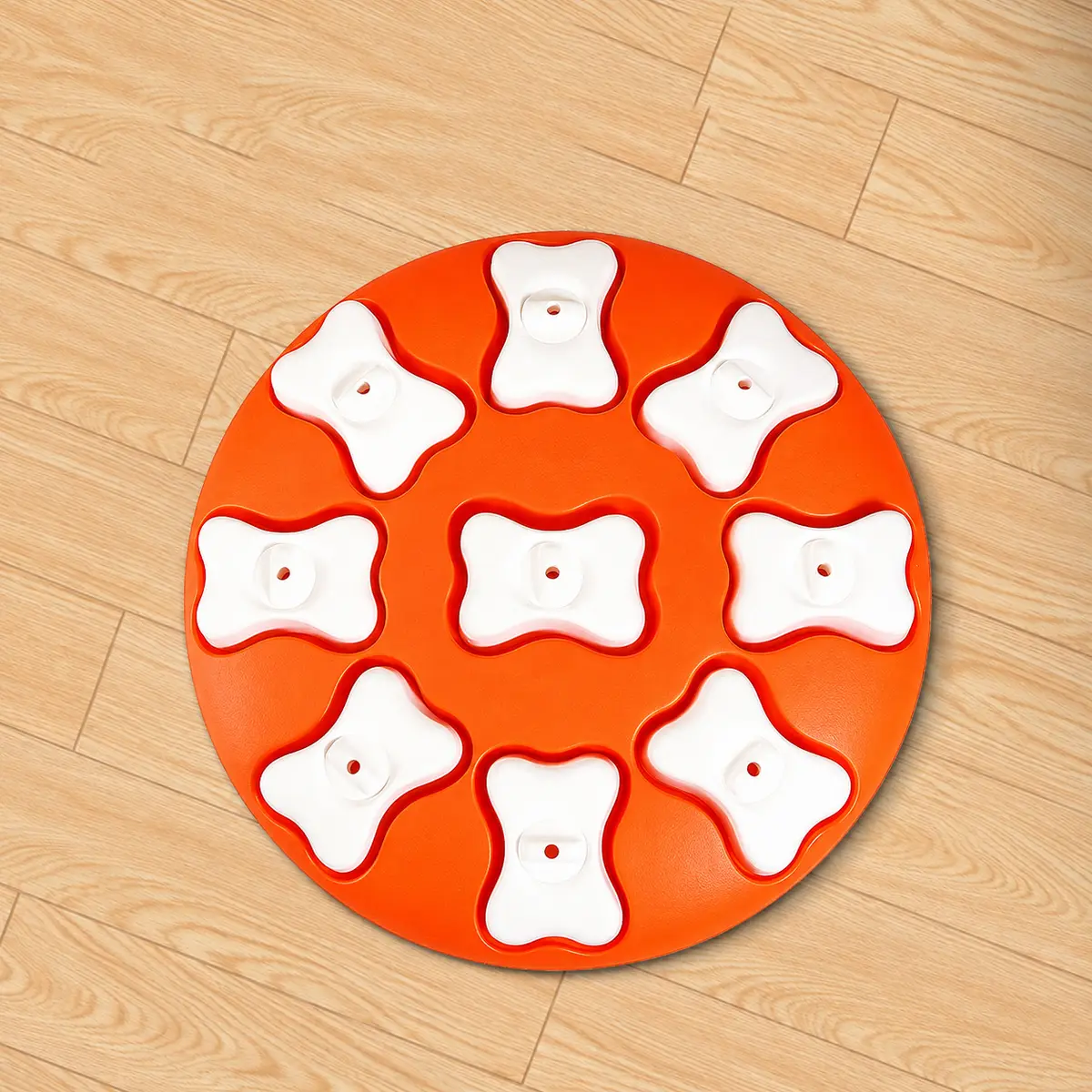
Daily walks with sniffing time, games, food puzzles and snuffle toys and training sessions burn the energy that often goes into digging. Dog sports such as earthdog trials or scent work are great outlets for dedicated diggers.
If digging comes with signs of separation anxiety, escaping when frightened, or if your dog eats soil, see your vet. Eating dirt can occasionally point to a dietary or medical issue, and swallowed stones or garden chemicals can be dangerous.
This page is general information, not veterinary advice, and it cannot replace an examination by the vet who knows your pet.
Common questions
What can I put in the ground to stop my dog digging?
Chicken wire buried just below the surface, large flat rocks or garden fencing over favorite spots work well. Avoid chemical repellents, cayenne or mothballs, which can harm dogs.
Do dogs grow out of digging?
Some puppies dig less as they mature, but dogs bred for digging often keep the urge for life. Giving them a legal digging spot is usually the most successful approach.
Why is my dog digging holes all of a sudden?
A new digging habit can come from hot weather, burrowing animals in the yard, boredom, or stress. If it comes with escape attempts or anxiety when alone, address those causes.
Why does my dog dig on the bed or couch?
Indoor digging, or nesting, is usually a normal instinct to make a comfortable bed. Provide a bed with a blanket your dog can arrange, and see your vet if it suddenly becomes frantic.
Sources we checked
This guide is general information, not veterinary advice. If your pet is unwell or injured, contact your veterinarian.