Care & how-to
Why Do Dogs Eat Grass? What It Means and When to Worry
Most dogs eat grass simply because they like it, out of boredom, or from an old scavenging instinct, and the large majority are not unwell beforehand. Only a minority vomit afterward. Grass eating is usually harmless, but a dog who suddenly eats grass frantically, vomits often, or seems unwell needs a vet, and treated lawns carry their own risks.
By Matt GarnettUpdated November 9, 20264 min read3 sources
The most common reasons dogs eat grass
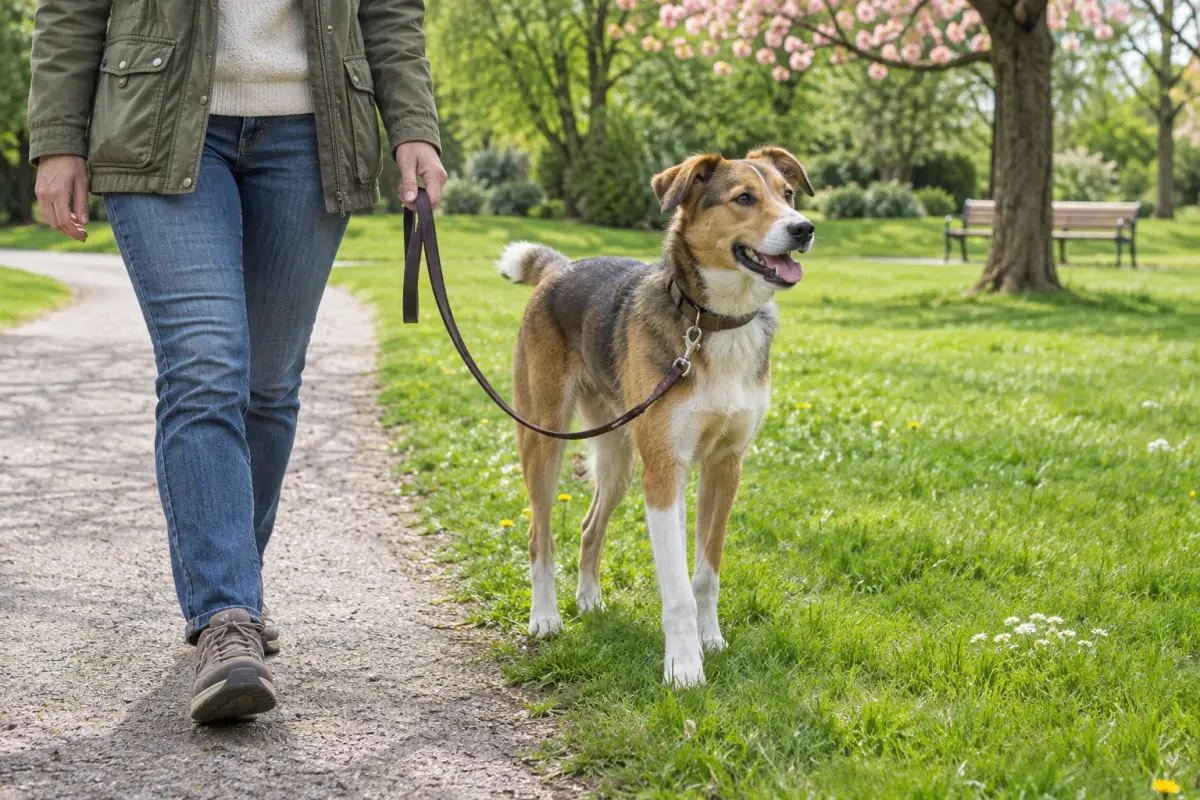
The simplest explanation is that many dogs enjoy it. Fresh spring grass has a texture and taste that some dogs seek out, and their wild ancestors ate plant material as part of a scavenging diet. Puppies explore the world with their mouths and often start grazing as soon as they spend time outdoors.
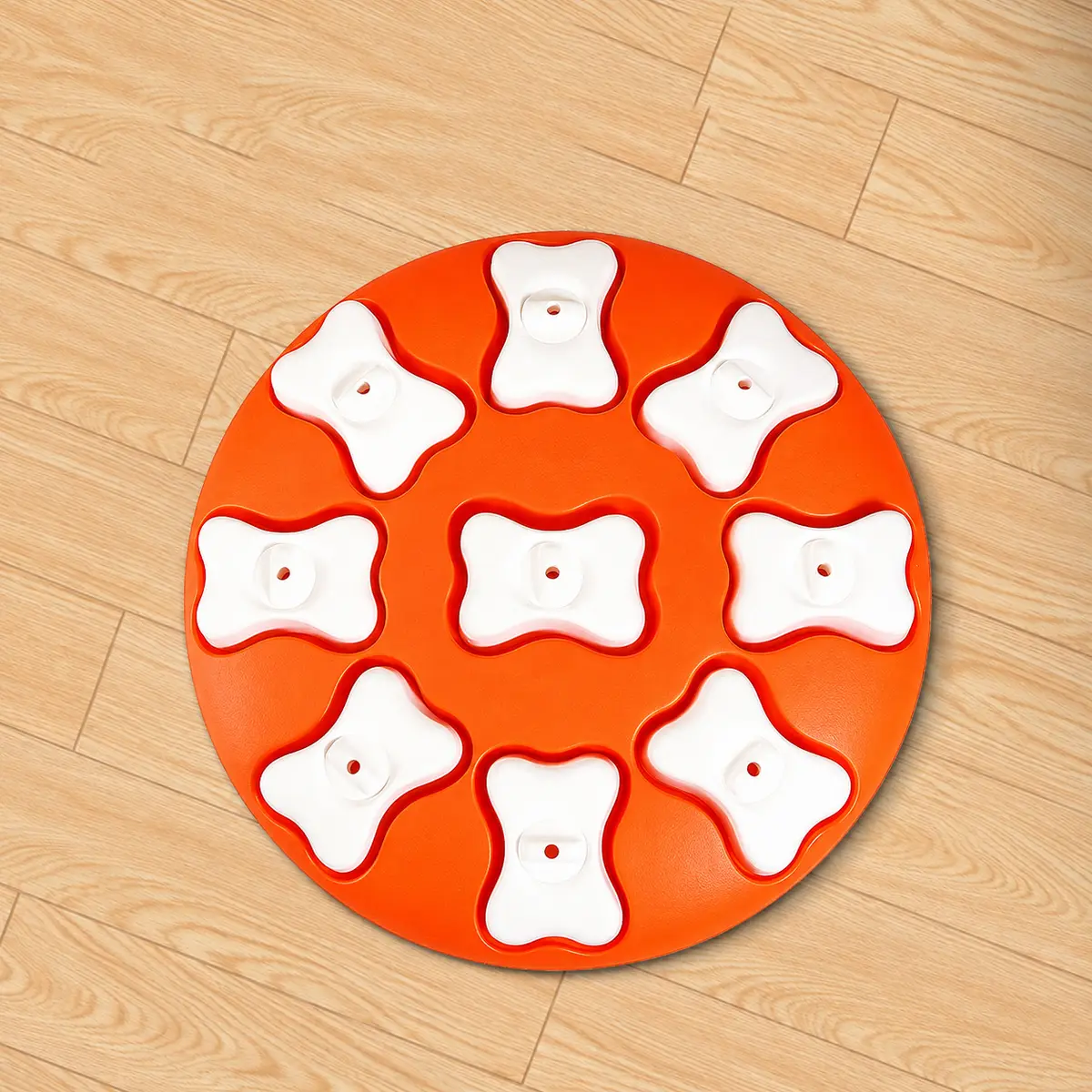
Boredom is another strong driver. A dog left in the yard with nothing to do will often chew grass, sticks, and leaves to pass the time. Giving that energy somewhere to go with dog enrichment toys is a common fix. Some dogs also graze when anxious or lonely, much as people fidget, and some seem to do it more when they are hungry before a meal.
Do dogs eat grass when they are sick?
It is a popular belief, but the evidence suggests it is not the main reason. In surveys of owners whose dogs eat plants, most dogs showed no sign of illness before grazing, and only around a fifth regularly vomited afterward. So vomiting may follow grass eating in some dogs, but it does not seem to be the purpose for most.
That said, a dog who suddenly starts gulping grass urgently, licking their lips, and swallowing hard may be nauseous. If that pattern is new, or comes with vomiting, diarrhea, a poor appetite, or lethargy, the grass is a clue that something else is going on, and your vet should look into it.
Why some dogs eat grass and vomit
Long blades of grass can tickle the throat and stomach lining, which may trigger vomiting in some dogs, especially if they swallow it quickly in large mouthfuls. A dog with a mild upset stomach may also eat grass and then bring it up along with yellow bile or foam.
An occasional episode in a dog who is otherwise bright, eating, and playing is not usually a concern. Repeated vomiting, vomiting that contains blood, or vomiting with a swollen belly or unproductive retching are different, and need a vet promptly.
When grass eating is a problem
Lawns and parks are often treated with weed killers, fertilizers, and pesticides, some of which are toxic to dogs. Grass can also carry eggs of roundworms and hookworms from other animals' droppings. Some garden plants are poisonous, and dogs do not always tell grass apart from them.
Eating large amounts of grass, soil, and other non-food items regularly can be a sign of pica, a compulsive urge that sometimes links to diet, illness, or stress. If your dog cannot be stopped, or eats objects as well as grass, talk to your vet. If you think they have eaten a treated lawn or a toxic plant, call ASPCA Animal Poison Control at (888) 426-4435 or the Pet Poison Helpline at (855) 764-7661; a fee may apply.
How to stop or limit grass eating
Make sure your dog gets enough exercise and mental work. Puzzle feeders, chew toys, sniffing games, and short training sessions in the yard all give a bored dog something better to do; our guide to the best dog enrichment toys explains how to choose. Go out with your dog rather than leaving them alone outside for long stretches.
Teach a solid leave-it cue and reward your dog for coming away from grass on walks, and keep a chew toy handy for the walk home. Keep grazing to untreated areas you know are safe, and avoid lawns that have been recently sprayed. Feed a complete, balanced diet, and ask your vet before adding fiber or supplements.
When to call your vet
Call your vet if grass eating is sudden and frantic, if your dog vomits often after eating it, or if it comes with diarrhea, weight loss, a poor appetite, or less energy. Also call if your puppy eats a lot of grass and has not been dewormed recently.
Seek urgent care if your dog has eaten grass that may have been treated with chemicals, or a plant you suspect is toxic, and is drooling, vomiting, trembling, or weak.
This page is general information, not veterinary advice, and it cannot replace an examination by the vet who knows your pet.
Common questions
Is it OK for my dog to eat grass?
Occasional grazing on untreated grass is usually harmless. Keep your dog away from treated lawns and toxic plants, keep up with deworming, and call your vet if grass eating becomes frantic or comes with vomiting or other signs.
Why does my dog keep eating grass?
Many dogs keep eating grass because they enjoy it or are bored. If it is new, frantic, or comes with vomiting, diarrhea, or poor appetite, it may signal nausea or another problem, so see your vet.
Why do puppies eat grass?
Puppies explore with their mouths and often chew grass, sticks, and leaves out of curiosity and teething. Supervise them, offer chew toys, keep them off treated lawns, and keep their deworming up to date.
Sources we checked
This guide is general information, not veterinary advice. If your pet is unwell or injured, contact your veterinarian.