







Dogs
Washable pee pads
Little things. Happy tails.
10 items picked for everyday life with your pet, with shipping estimates on every item.
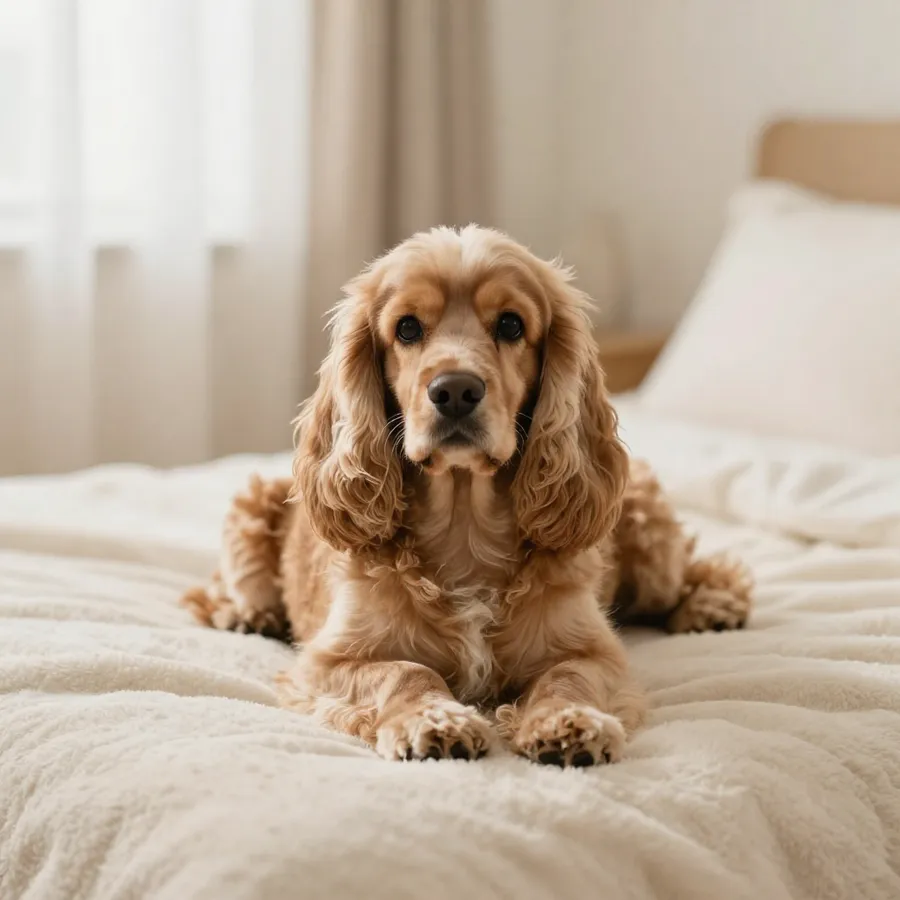 A happy life, one little thing at a time.
All dogs grooming & hygiene →Dog bath brushes →Dog nail clippers →Dog combs →Slicker brushes →Dog nail grinders →Dog paw balm →Dog paw cleaners →Dog brushes →Dog drying towels →Dog grooming tables →Deshedding tools →Puppy pads →
↗Tracked US shippingEstimates on every item↶Returns & refundsHow it works♡Here to helpTalk to Giddy Pets
All washable pee pads
Little essentials. Lots of love.


A little guidance
Help choosing washable pee pads
Buying guides and care advice written for this range: what to measure, what matters and what to skip.
From our guides
This page narrows our potty training supplies down to reusable pads: washable puppy pee pads, reusable dog training pads, two-packs of washable pads, three-layer waterproof absorbent pads and a washable incontinence bed pad. They are for puppies learning house training, apartment dogs, senior dogs with leaks and owners who want an alternative to throwing away disposable pads every day.
Washable or disposable
Disposable pads go in the trash after one use; washable pads go in the laundry and come back. Over months of house training or long-term incontinence, washable pads cost less and create far less waste. They also lie flatter and are harder for a puppy to shred into confetti.
The trade-off is laundry. Plan on at least two or three pads, so one is in use, one is drying and one is ready.
How the layers work
Most washable pads have three layers: a soft top that wicks urine away from paws, an absorbent core that holds it, and a waterproof backing that protects the floor. A non-slip bottom keeps the pad from sliding when a puppy runs onto it.
Larger pads suit big puppies and dogs who circle before going. Check the listed size against the space you have and your dog's size.
Using pads in house training
Pee pad training comes down to consistency. Put the pad in the same spot every time, take your puppy to it after waking, eating, drinking and play, and reward the moment they use it. Gradually move the pad toward the door if you plan to transition to going outside.
Never punish accidents. Clean them with an enzyme cleaner so the smell does not draw your puppy back, and go back a step in training.
Senior dogs and incontinence
Older dogs, spayed females and dogs on some medications can leak urine, often while sleeping. A washable incontinence bed pad under the bed cover protects the mattress and can be washed daily.
New incontinence in an adult dog can have a medical cause, from a urinary tract infection to hormone-related leaking or kidney problems, and many are treatable. See your vet if your dog starts having accidents, drinks more than usual, or strains to urinate.
Washing pads
Rinse pads in cold water first, then wash warm with a mild, unscented detergent. Skip fabric softener, which coats the fibers and makes them less absorbent. An enzyme laundry additive helps with odor.
Tumble dry on low or line dry. Hot drying can damage the waterproof backing. Replace pads once the backing leaks or the top stays smelly after washing.
Where pads fit in
Pads are a tool, not a lifelong plan, for most healthy dogs. Many owners use them for young puppies before vaccinations are complete, for long workdays, high-rise apartments and bad weather, and then phase them out.
For dogs who will always need indoor options, such as small breeds in apartments or dogs with mobility issues, a pad holder and a regular washing routine make it easy to keep up.
Are washable pee pads better than disposable?
They cost less over time, create less waste and are harder to shred, but need laundering. Keep two or three on rotation.
How do I wash reusable puppy pads?
Rinse in cold water, wash warm with unscented detergent, skip fabric softener and dry on low.
How many washable pads do I need?
At least two or three, so one can be in use while others wash and dry.
Can washable pads be used for senior dogs?
Yes, an incontinence bed pad under the bed cover protects bedding. See your vet if leaks are new.
How do I train my puppy to use a pee pad?
Use the same spot, take your puppy to it after sleeping, meals and play, and reward every success.