







Dogs
Padded dog harnesses
Better walks, every day.
35 items picked for everyday life with your pet, with shipping estimates on every item.
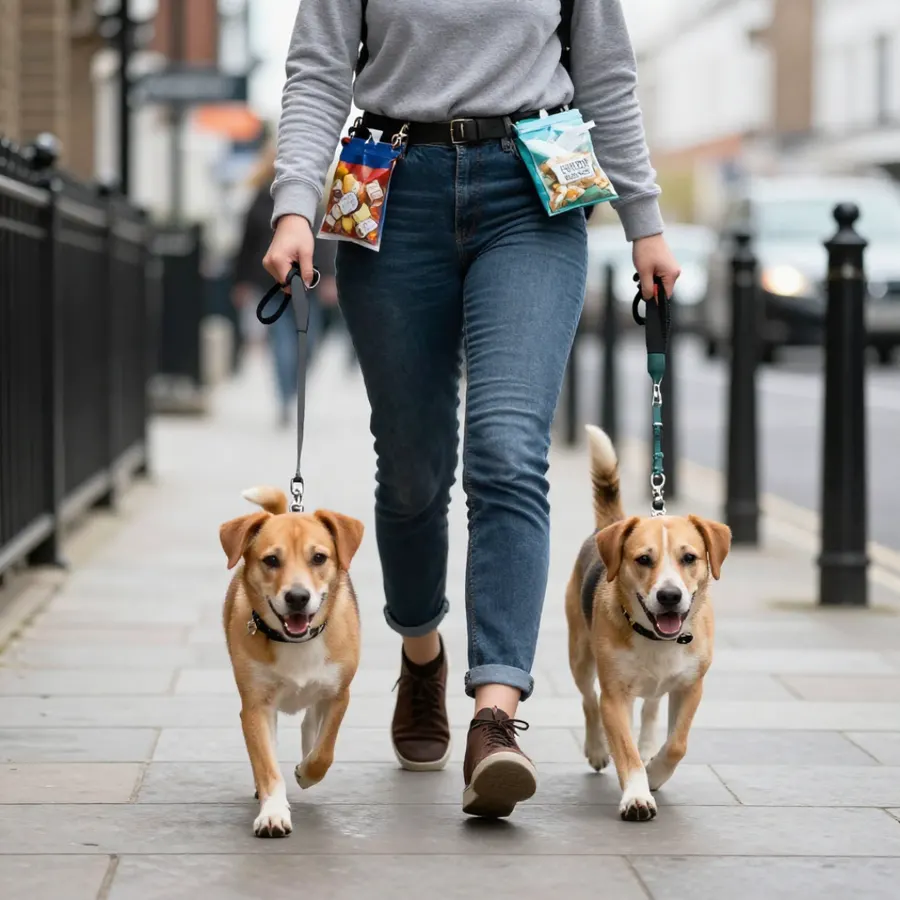 Out the door and ready for anything.
All dogs walking & training →Dog harnesses →Dog collars →Dog leashes →Retractable dog leashes →Dog muzzles →Dog vest harnesses →Cute dog collars →Tactical dog harnesses →Pooper scoopers →No pull dog harnesses →Personalized dog collars →Small dog harnesses →
↗Tracked US shippingEstimates on every item↶Returns & refundsHow it works♡Here to helpTalk to Giddy Pets
All padded dog harnesses
Little essentials. Lots of love.
Dog vest harnesses
Butterfly Vest Harness and Leash Set for Small Dogs
- Options
- 16 to choose from
From $19.99

No pull dog harnesses
Padded Neoprene No-Pull Dog Harness with Reflective Trim
- Options
- 35 to choose from
From $28.99

Tactical dog harnesses
Adjustable Tactical Dog Harness Vest with Handle and Four Buckles
- Options
- 20 to choose from
From $29.99
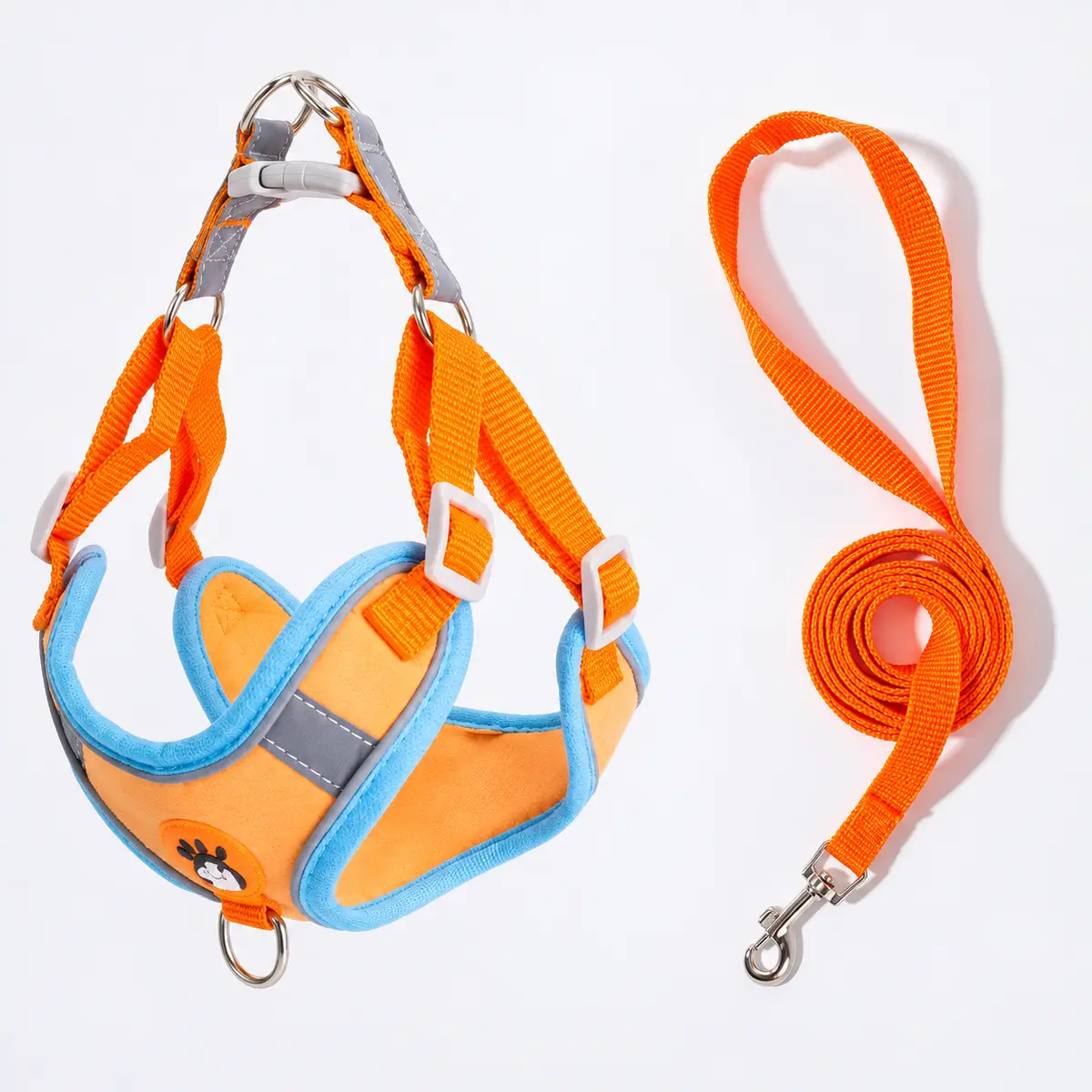

Dog harnesses with handle
Nylon Vest-Style Dog Harness with Back Handle
- Options
- 12 to choose from
From $31.99


Cute dog harnesses
Vest-Style Dog Harness and Leash Set with Ear Straps
- Options
- 12 to choose from
$19.99


Dog harnesses
Adjustable Dog Harness and Leash Set with Padded Chest Strap
- Options
- 25 to choose from
From $20.99

Dog vest harnesses
Flannel Vest Harness for Small and Medium Dogs with Leash Options
- Options
- 59 to choose from
From $19.99

No pull dog harnesses
Padded No-Pull Dog Harness with Front and Back D-Rings
- Options
- 40 to choose from
From $20.99

Tactical dog harnesses
Tactical Dog Harness with Optional Leash and Collar
- Options
- 48 to choose from
From $18.99

Padded dog harnesses
Padded Panel Dog Harness with Adjustable Neck and Chest
- Options
- 81 to choose from
From $19.99

Dog harnesses with handle
Reflective Nylon Dog Harness in Four Colors, Sizes S to XL
- Options
- 16 to choose from
From $21.99


No pull dog harnesses
Padded Reflective Dog Harness with Front and Back Rings
- Options
- 16 to choose from
From $19.99

Dog harnesses
Adjustable Dog Harness with Top Handle and Reflective Trim
- Options
- 22 to choose from
From $16.99

Dog vest harnesses
Plaid Cotton Vest Harness for Small Dogs, XXS to L
- Options
- 30 to choose from
From $25.99


A little guidance
Help choosing padded dog harnesses
Buying guides and care advice written for this range: what to measure, what matters and what to skip.
From our guides
- Best Harness for Small Dogs: How to Choose One →
- Best Dog Car Seat or Seat Belt Harness: How to Choose →
- Best Dog Coat With a Harness Hole: What Actually Matters →
- Best Dog Harness for Hiking: What Actually Matters →
- Best Dog Harness With Handle: What to Check Before You Buy →
- Best Dog Harness: How to Choose the Right Type and Fit →
These are the most comfortable harnesses from our Dog Harnesses range: padded no-pull harnesses, mesh-lined and cotton-lined designs, lightweight padded step-in harnesses, breathable padded vests, heavy-duty padded harnesses with handles, a padded harness with a built-in retractable leash, and reflective padded sets. They suit dogs with thin coats or sensitive skin, small dogs, and any dog that has been rubbed raw by a thin strap harness.
Why padding matters
Narrow webbing concentrates pressure on a small strip of skin, especially when a dog pulls or turns sharply. Padding spreads that load over a wider area, and soft mesh or cotton linings reduce friction where straps move against the body.
Short-coated breeds such as greyhounds, pit bulls and boxers, small dogs, and seniors with thin skin feel the difference most. A padded harness also makes long hikes and daily walks more comfortable for dogs of any coat type.
Preventing chafing
Most rubbing comes from poor fit rather than material. The American Kennel Club advises watching for rubbing, pressure points or skin irritation and checking that movement looks natural, with no restriction at the shoulders or legs. The usual hotspots are behind the front legs and across the front of the shoulders.
Snug the straps until two fingers squeeze underneath, then walk your dog and look: the strap behind the legs should sit an inch or two back from the elbow. Recheck after grooming and weight changes, and take the harness off at home so the skin can breathe.
Padded no-pull, step-in and vest styles
Padded no-pull harnesses add a front ring for dogs that pull, with a cushioned chest plate so the pressure lands comfortably. Step-in padded harnesses suit dogs that dislike things over their heads. Breathable padded vests cover more of the body and suit small dogs.
Heavy-duty padded harnesses with a handle are for big, strong dogs and hiking, where you may need to help your dog over an obstacle. Reflective trim on padded sets adds visibility for early and late walks.
Measuring and care
Measure the base of the neck and the widest part of the chest behind the front legs, as the American Kennel Club recommends. If your dog sits between sizes, choose the larger one and tighten the straps.
Padded harnesses soak up dirt and moisture, so wash them regularly by hand or in a laundry bag and dry them fully. Damp padding against the skin causes irritation, so keep a dry spare if your dog swims or walks in the rain.
Padded harnesses for older dogs and hiking
Older dogs often have less muscle over the shoulders and chest, which makes thin straps press harder. A padded vest or a harness with a wide chest plate spreads the load and is easier on a senior dog's skin. A top handle helps you steady an older dog on steps or in and out of the car.
For hiking, a padded harness with a handle and sturdy hardware lets you help your dog over rocks and logs. Check the fit after the first hour on the trail, since straps loosen and a harness that shifts on a long walk is where rubbing starts.
Padded harness openings and panels
| Layout | Physical distinction | Fitting check |
|---|---|---|
| Front-clip | Ring at the chest with a padded area | Ring position and panel edges |
| Step-in | Feet enter before closing over the back | Leg clearance and buckle position |
| Padded vest | More fabric around the body | Usable openings and adjustment |
| Handle-equipped | A handle above the back | Stitching and stated intended use |
| Reflective detail | Trim added to the fabric | Actual location and condition |
What is the most comfortable type of dog harness?
A padded harness with a soft lining that fits snugly without restricting the shoulders. Vest and padded no-pull styles are often the most comfortable for daily walks.
Why does my dog's harness rub under the legs?
Usually the chest strap sits too close to the elbows or the harness is too loose and moves. Adjust so the strap sits an inch or two behind the elbow, or try a padded design.
Are padded harnesses good for small dogs?
Yes. Small dogs have thin skin and narrow chests, and soft padding spreads the pressure. Choose a lightweight padded vest or step-in style. Check the fit again after grooming.
Can a padded harness be chew proof?
No harness is truly chew proof. Supervise your dog in its harness, take it off at home, and redirect chewing to a toy. Replace a harness once its straps are chewed.