






Buying guides
Best Harness for Small Dogs: How to Choose One
The best harness for a small dog is a lightweight vest or step-in harness that spreads pressure across the chest, clips on the back, and fits snugly enough that you can slip just one finger under the straps. Small dogs have delicate throats and slip out of loose gear easily, so fit and weight matter more than extra features.
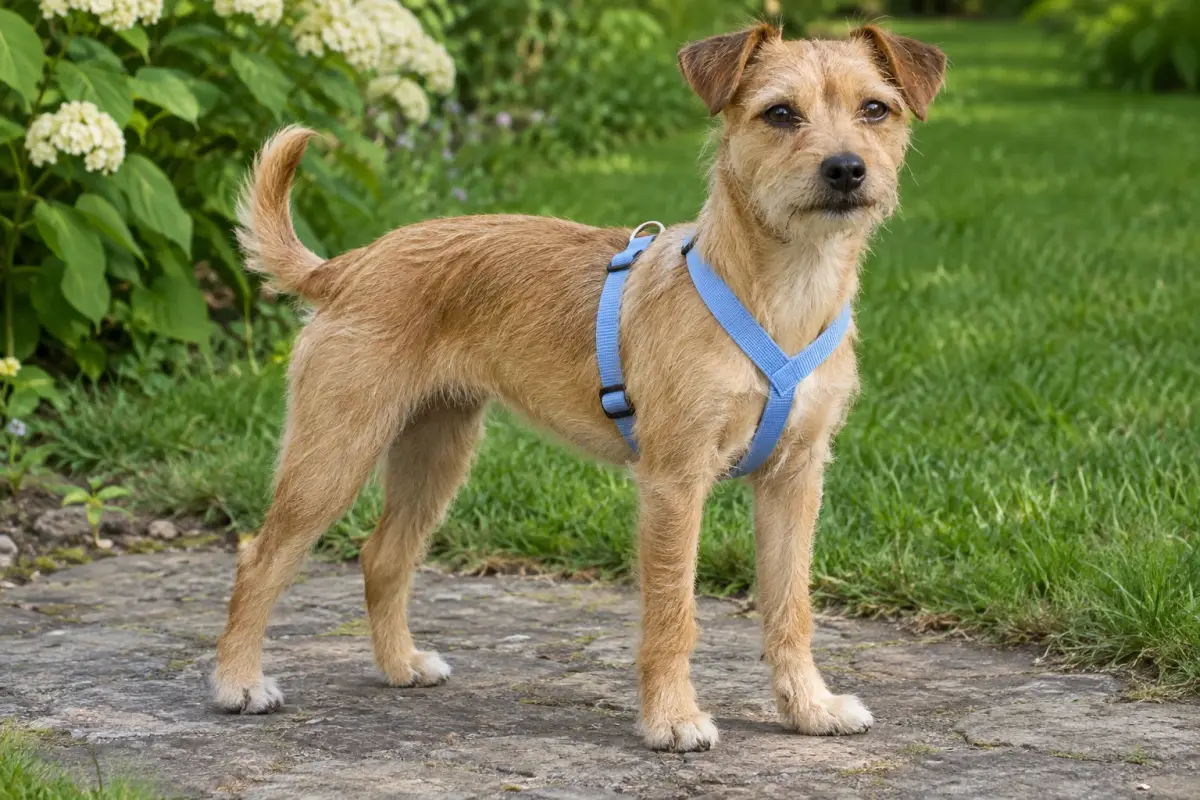
By Matt GarnettUpdated November 13, 20264 min read2 sources
Why small dogs need a harness
Toy and small breeds are more vulnerable to neck pressure than big dogs, and many owners of Chihuahuas, Yorkies, Pomeranians and similar breeds choose a harness for walks for that reason. The AKC notes that a back-attachment body harness is popular for small dogs because it helps prevent throat damage when a dog pulls and makes the leash less likely to tangle under the legs.
A harness also gives you a safer way to lift or steady a small dog in a hurry, for instance when a large dog approaches, without pulling on its neck. Keep a flat collar on for ID tags, and use the harness for the leash. If your dog coughs or honks on walks, mention it to your vet, because some small breeds have airway problems worth checking.
Harness styles compared for small dogs
Vest harnesses wrap a soft mesh panel around the chest and fasten on the back. They spread pressure widely, feel secure, and are usually the most comfortable choice for tiny dogs, though they can be warm in summer. Step-in harnesses lie on the floor, the dog steps in with both front feet, and they buckle over the back, which suits dogs that hate things going over their heads.
Strap or H-style harnesses are the lightest and most adjustable, and suit active small dogs in hot weather, but need careful fitting to stop escapes. Front-clip harnesses help with pulling in larger dogs, but on a tiny dog the leash can pull the body sideways, so most small dogs do better on a back clip. Choose by your dog's temperament and the weather.
The best type for each small dog
For a Chihuahua or other toy breed under 6 lb, choose an ultra-light vest or step-in harness with minimal hardware; heavy buckles and rings weigh down a small frame. For a deep-chested small breed or a nervous escape artist, a vest with an extra strap behind the ribs adds security. For a small dog that pulls hard, work on loose-leash training with rewards first; harness design alone rarely fixes pulling.
For long-backed breeds such as Dachshunds, choose a harness that sits on the chest and does not press on the spine, with good length adjustment. For seniors, a vest with a top handle helps you lift and steady them on steps. For flat-faced breeds that overheat easily, a breathable mesh vest is kinder than a thick padded one in warm weather.
How to measure a small dog
Measure the chest girth at its widest point, just behind the front legs, and the neck where a collar sits, using a soft tape. Do not size by weight alone: two 8 lb dogs can have very different chest shapes. Choose the size that puts your dog's measurements near the middle of the adjustment range, so you can tighten or loosen it as the coat changes with the seasons.
The AKC's fit guide for small dogs is one finger between the harness and the body. Check that the straps do not rub under the front legs, that the harness does not slide toward the neck when the leash tightens, and that your dog cannot back out of it with a firm, gentle pull backward. Recheck the fit after a bath or grooming, when a fluffy coat may be thinner.
What to avoid, care and lifespan
Avoid harnesses with straps that cross the front of the shoulders and restrict the stride, rough edges that chafe under the legs, and sizes so large your dog can step out of them. Avoid retractable leashes with small dogs near roads, because a long line lets them reach danger before you can react. Take the harness off at home so it cannot snag on furniture or crate bars.
Hand-wash the harness in mild soap, check stitching and buckles regularly, and replace it if the fabric frays or buckles weaken. A well-made small-dog harness can last a few years. If you notice hair loss, redness or sores where the straps sit, stop using it and ask your vet to take a look.
More on harnesses: how to put on a dog harness, harness vs collar, best no-pull harness for small dogs and best dog harness.
Small-dog harness body layouts
| Layout | How it fits | Inspection point |
|---|---|---|
| Vest | A soft panel wraps around the chest | Panel edges and body openings |
| Step-in | Front feet enter before it buckles over the back | Leg clearance and buckle position |
| Strap or H-style | Separate straps form the body | Each adjustment and actual fitting range |
| Front attachment | A chest-position ring | Ring placement on the individual dog |
| Back attachment | An upper-body ring | Back-panel position and strap route |
Common questions
What is the best harness for a Chihuahua?
A very light vest or step-in harness with a back clip and minimal hardware, fitted so only one finger slides under the straps. Chihuahuas slip out of loose harnesses easily, so check the fit often.
Are harnesses better than collars for small dogs?
For walks, many owners prefer a harness, because it keeps pressure off a small dog's throat. A flat collar is still useful for ID tags, so many small dogs wear both.
What is the safest harness for small dogs?
A well-fitted vest-style harness that wraps the chest, clips on the back and cannot be backed out of. Fit matters more than brand, so measure the chest and check it regularly.
How tight should a small dog harness be?
Snug enough that you can fit one finger between the harness and your dog's body, and secure enough that it does not slide forward or slip off when your dog pulls backward.
Sources we checked
This guide is general information, not veterinary advice. If your pet is unwell or injured, contact your veterinarian.


