






Buying guides
Best Harness for a Maltese: Light, Soft and Secure
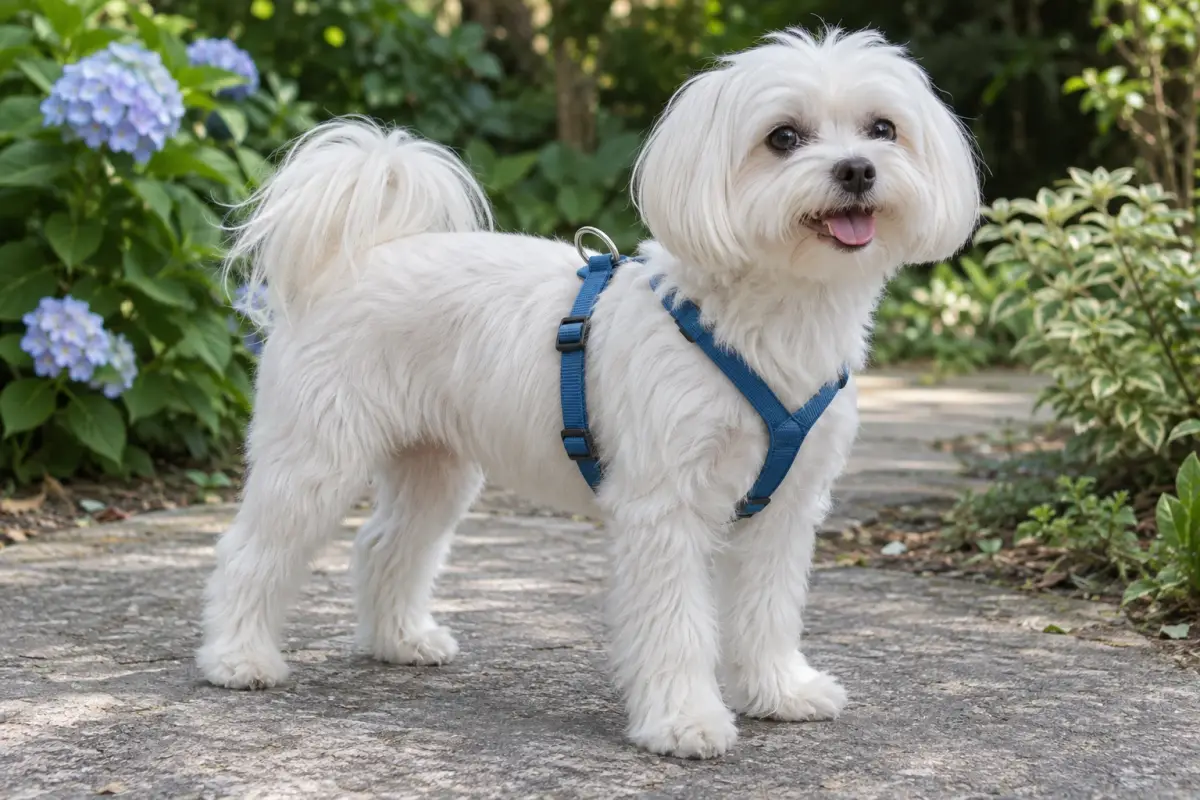
The best harness for a Maltese is a lightweight step-in or vest harness with soft edges, a back clip and fine adjustment. A Maltese is tiny, has a floor-length coat that tangles easily, and tiny dogs of any breed can develop airway problems that collars aggravate. Fit it snugly enough that it cannot slip off, and keep the leash light.
By Matt GarnettUpdated November 14, 20264 min read5 sources
Why a Maltese is safer in a harness than a collar
The AKC breed weight chart lists the Maltese at about 7 pounds, which makes the neck and throat delicate. VCA says pulling on a flat collar can injure the neck, and its tracheal collapse page says pressure on the windpipe, such as from a collar, can trigger coughing in affected dogs and advises a harness instead of a collar. It lists Chihuahuas, Pomeranians, Shih Tzus, Lhasa Apsos, toy poodles and Yorkshire terriers as often affected, adds that the condition can occur in any size or breed, and names a persistent dry honking cough as the main sign.
Keep a light flat collar for ID tags and clip the leash to the harness. Browse our harnesses for Maltese and our small dog harnesses. If your dog has a honking cough, tell your vet rather than waiting.
Protecting the coat and choosing fabric
The AKC describes the Maltese as famous for its show-stopping, floor-length coat. Silky hair tangles where straps rub, especially behind the front legs, so look for smooth, soft webbing and rounded edges rather than rough or stiff straps. The AKC notes that mesh is breathable but has less padding, which can increase chafing, while nylon is durable but less breathable.
A step-in harness avoids pulling straps over the head and topknot, which the AKC says suits dogs sensitive about the head. A chest strap harness for small dogs and a harness and leash set are two light shapes to compare. Check the hardware: heavy rings and buckles weigh down a tiny frame.
Back clip, front clip and leash handling
The AKC's veterinarian recommends back-clip harnesses for well-trained dogs, and VCA says a back clip suits flat-faced breeds and dogs with sensitive backs. For a small, light dog a back clip is usually the calmer choice, because a front clip can turn a tiny body sideways when the leash tightens. Our best no-pull harness for small dogs guide covers dogs that do pull.
Whatever the clip, use a short, light leash and teach your Maltese to walk beside you with treats. A harness with leash keeps the setup simple, but training does the work. Tiny dogs are easily yanked, so avoid sudden stops at the end of the leash.
How to measure and fit a tiny dog
Measure the base of the neck where it meets the shoulders and the widest part of the chest behind the front legs with a soft tape, as the AKC advises. Choose the size whose range includes both numbers with room to adjust, since a coat trim changes the fit. Start loose and tighten gradually.
The AKC's veterinarian says the two-finger rule may be slightly too much, so aim for a fit where two fingers slide underneath without discomfort. Then walk the dog to check free movement at the shoulders, back up to be sure the harness cannot slide over the head, and look for rubbing. Recheck after grooming or any weight change.
What to avoid, care and when to see your vet
Avoid harnesses that restrict the shoulders, slide over the head when your dog backs up, or sit so loosely that a startled Maltese can wriggle free. Avoid leaving rubbing unchecked, since it can mat the coat and irritate skin. Wash according to the label and replace frayed parts. For more, see our best harness for small dogs, the Chihuahua harness guide and our Maltese breed guide.
See your vet if the skin under the straps is red or sore, coat is rubbed away, your dog coughs or honks on walks, or walks suddenly seem uncomfortable. Come back to our dog harnesses for Maltese when you are ready to compare.
This page is general information, not veterinary advice, and it cannot replace an examination by the vet who knows your pet.
Common questions
What type of harness is best for a Maltese?
A lightweight step-in or vest harness with soft, smooth edges, fine adjustment and a back clip. It spreads pressure across the chest, avoids pulling over the head and is gentle on the long coat.
Is a harness better than a collar for a Maltese?
For walking, yes. VCA says collar pressure on the windpipe can trigger coughing in dogs prone to tracheal collapse and advises a harness. Keep a light collar for ID tags only.
How do I stop a harness from tangling a Maltese coat?
Choose smooth, soft webbing with rounded edges, check behind the front legs after each walk, and brush out any beginnings of tangles. If the harness keeps rubbing, try a different shape.
What size harness does a Maltese need?
Measure the base of the neck and the widest part of the chest behind the front legs, then pick the size that covers both. Recheck after a coat trim, because grooming changes how a harness fits.
Why is my Maltese coughing when I use a collar?
A honking cough can be a sign of airway trouble, and collar pressure can trigger it. Switch to a harness and see your vet promptly, since only an exam can say what is causing the cough.
Sources we checked
This guide is general information, not veterinary advice. If your pet is unwell or injured, contact your veterinarian.


