







Dogs
Dog training
Better walks, every day.
47 items picked for everyday life with your pet, with shipping estimates on every item.
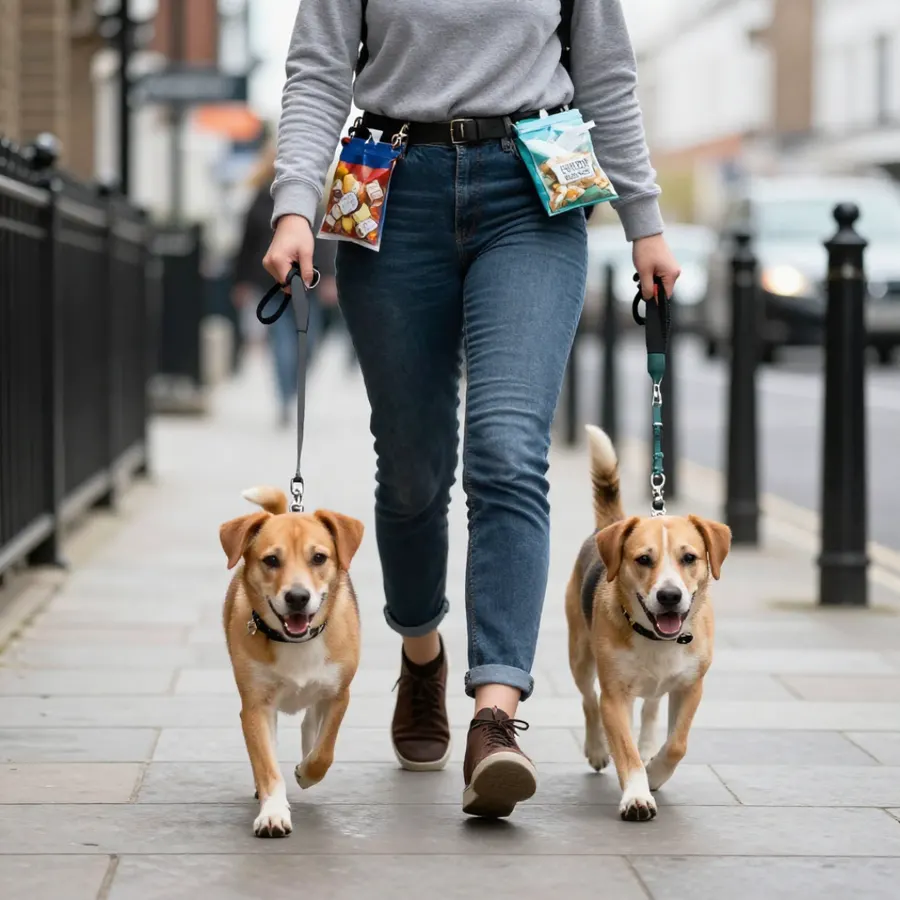 Out the door and ready for anything.
All dogs walking & training →Dog harnesses →Dog collars →Dog leashes →Retractable dog leashes →Dog muzzles →Dog vest harnesses →Cute dog collars →Tactical dog harnesses →Pooper scoopers →No pull dog harnesses →Personalized dog collars →Small dog harnesses →
↗Tracked US shippingEstimates on every item↶Returns & refundsHow it works♡Here to helpTalk to Giddy Pets
All dog training
Little essentials. Lots of love.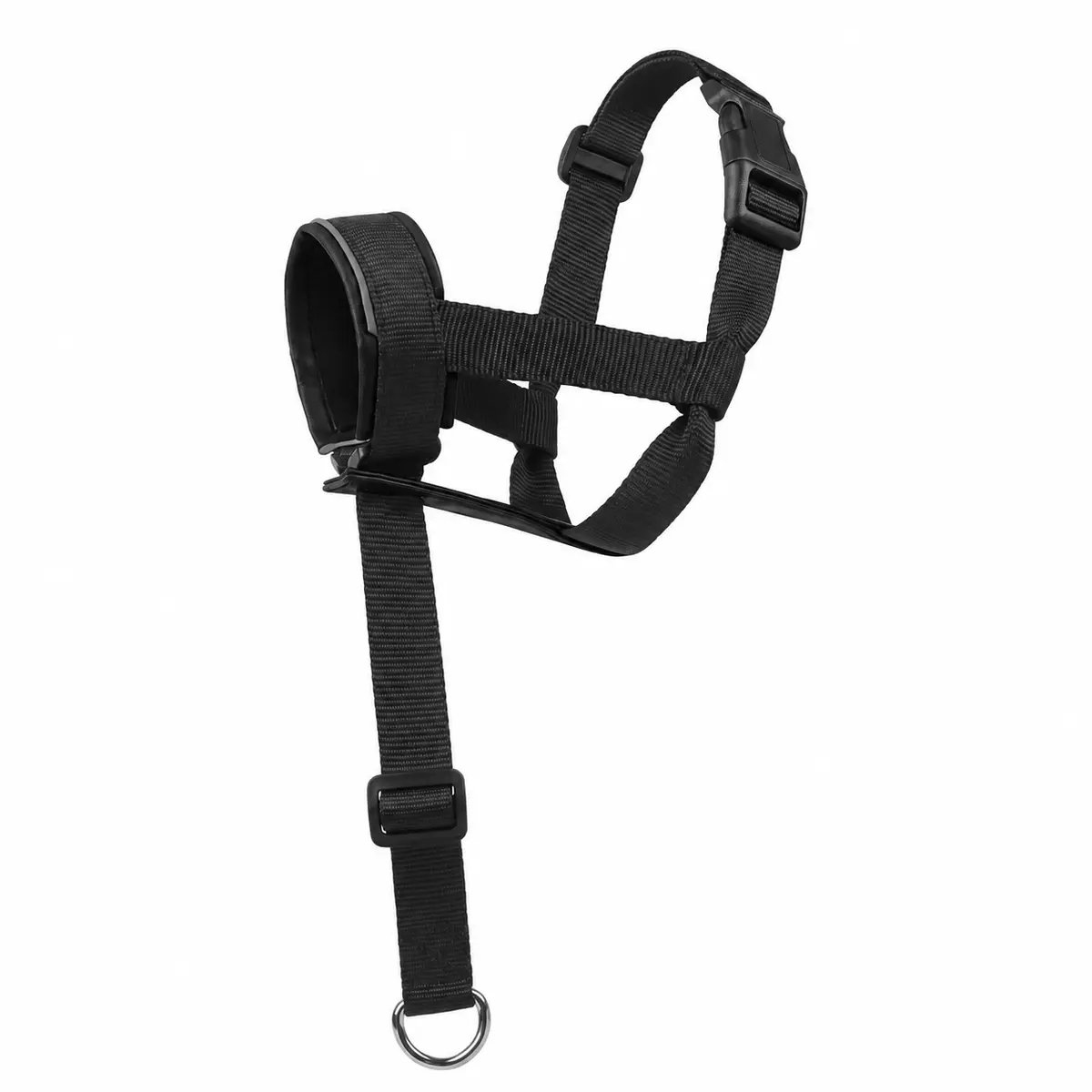


Long-line dog leashes
Flat-Webbing Dog Leash with Hand Loop and Metal Snap
- Options
- 5 to choose from
From $14.99


Dog training clickers
Drop-Shaped Dog Training Clicker with Wrist Cord
- Options
- 6 to choose from
From $11.99


Dog treat pouches
Oxford Training Treat Pouch with Optional Folding Bowl
- Options
- 2 to choose from
From $18.99

Dog training
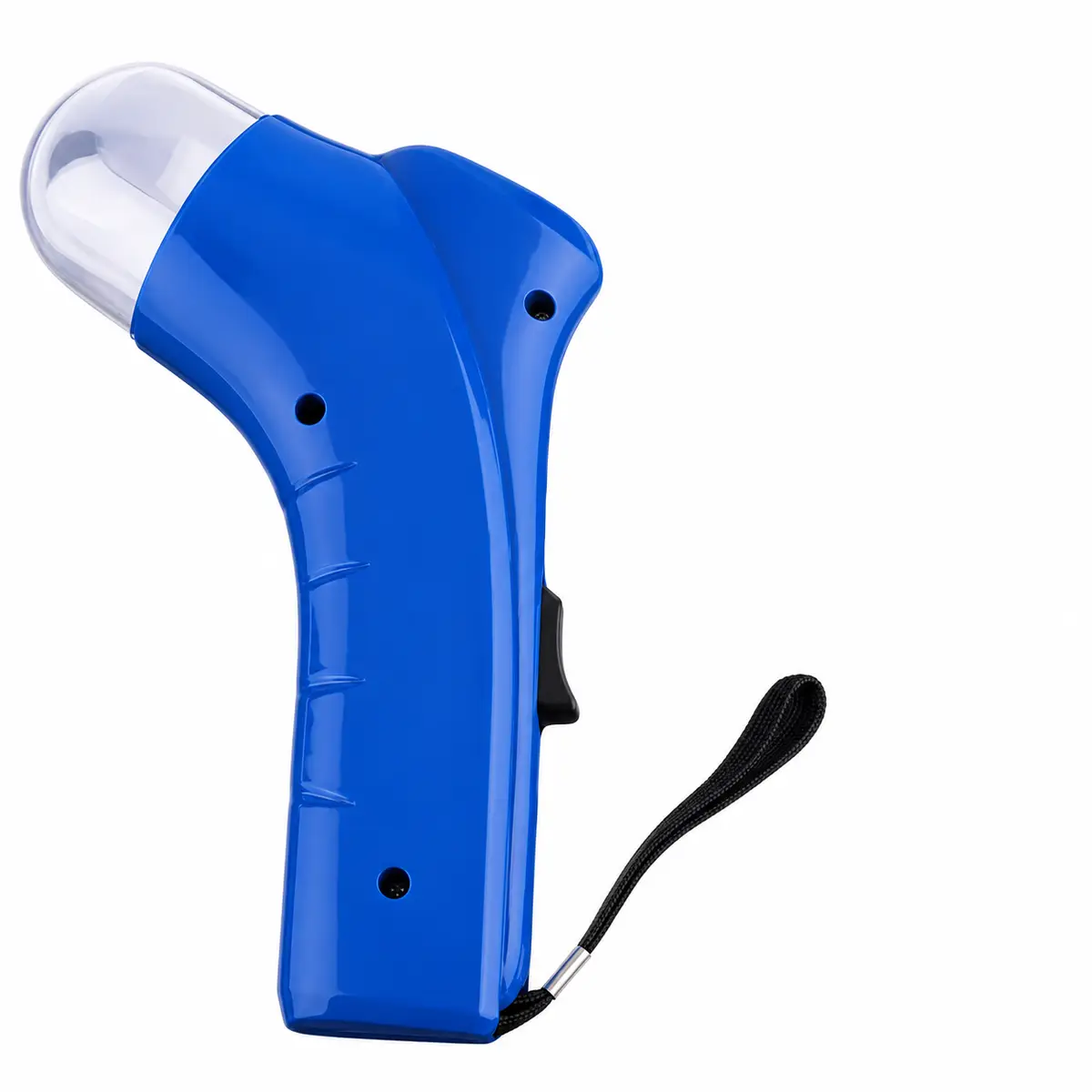
Handheld Dog Treat Dispenser with Wrist Strap, 7.3 in (18.5 cm)
- Options
- 4 to choose from
$18.99

Dog muzzles
Breathable Mesh Dog Muzzle with Adjustable Buckle Straps, 4 Sizes
- Options
- 8 to choose from
From $12.99

Dog training clickers
Manual Dog Training Clicker with Coiled Wrist Cord
- Options
- 11 to choose from
From $11.99


Dog training
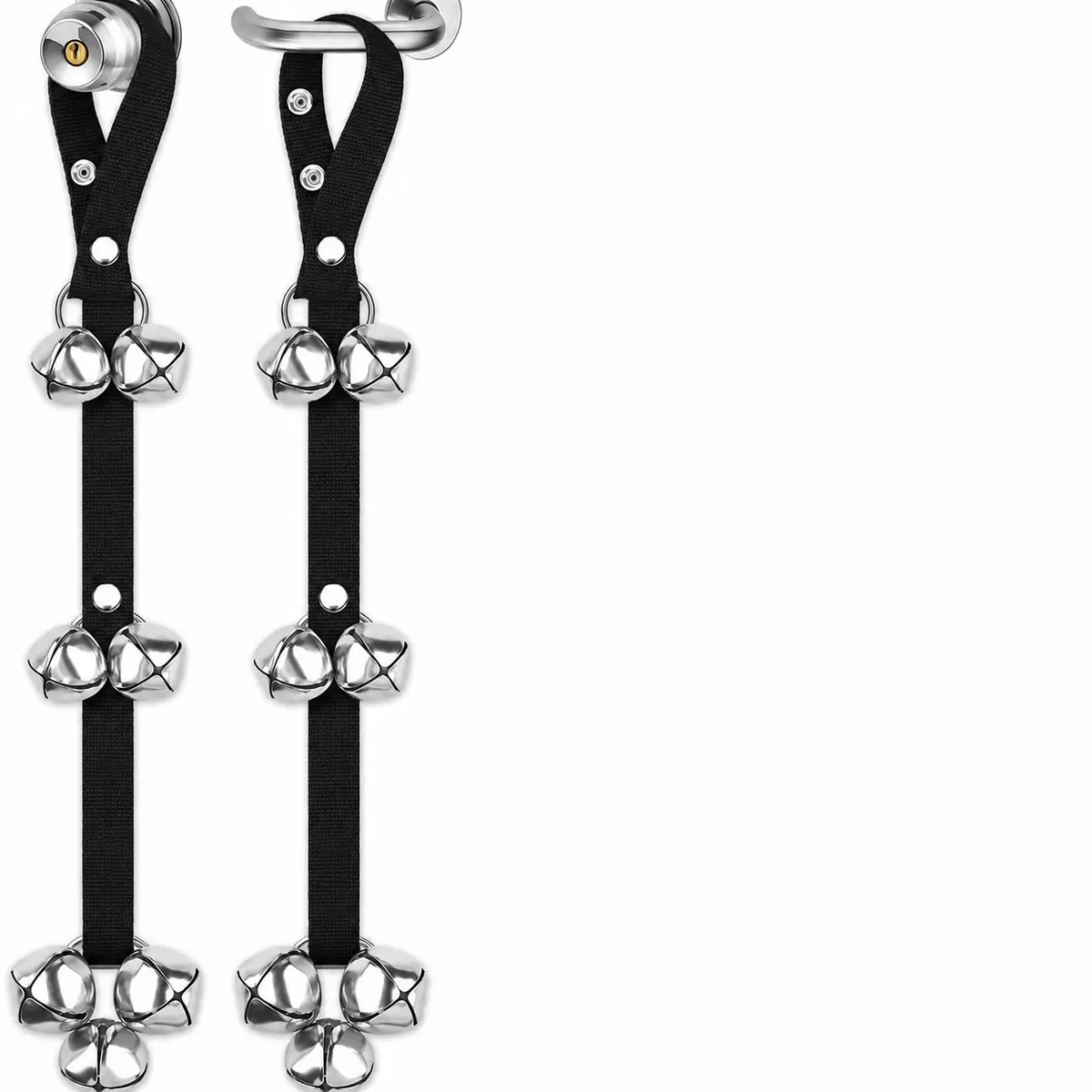
Nylon Dog Head Halter with Padded Nose Loop, Sizes S to XL
- Options
- 12 to choose from
$16.99

A little guidance
Help choosing dog training
Buying guides and care advice written for this range: what to measure, what matters and what to skip.
From our guides
- Puppy Training: Where to Start and What to Teach First →
- Best Dog Training Clickers: How to Choose One →
- Best Dog Treat Pouch: How to Choose One for Training →
- Best Dog Treats for Training: What Makes a Good One →
- Dog Separation Anxiety Training: How to Help Your Dog Stay Alone →
- How to Crate Train an Older Dog →
This hub gathers equipment for training dogs at home and in the yard: long recall and obedience leads, five-meter training leads, agility kits with adjustable jump bars and weave poles, wooden seesaws, backyard obstacle course sets, bitter anti-chew sprays, no-marking training sprays, and an adjustable leather muzzle. It is for owners teaching recall, house manners and sport skills, and for anyone building confidence in a young or shy dog. The guide below explains what each tool is for.
Training starts with rewards
Equipment supports training but does not replace it. Most modern trainers and veterinary behavior experts recommend reward-based methods: marking the behavior you want and rewarding it with food, play or praise. Dogs learn faster and stay more confident when training is positive and consistent.
Keep sessions short, about five to ten minutes, and end on a success. A small pouch of soft treats, a clear marker word such as yes, and patience are the core kit. The tools on this page help you practice those skills in more places.
Long leads for recall
A long training lead, often five meters or more, gives your dog freedom to explore while you keep a safe connection. It is the standard tool for teaching recall in open spaces before a dog is reliable off lead. Call your dog, reward heavily when they come, and let them go again.
Attach a long lead to a harness rather than a collar, so a sudden stop at full length does not jolt the neck. Keep the lead off the ground in busy areas and watch for tangles around legs, trees and other dogs.
Agility and backyard courses
Agility kits with jump bars, weave poles, tunnels and seesaws turn training into a game that builds fitness, focus and teamwork. Even dogs who never compete enjoy it. Start with obstacles on or near the ground and add height gradually.
The AKC advises that puppies not jump at competitive heights until at least 12 to 15 months, or later for giant breeds, because their growth plates are still open. Foundation games and very low bars are fine. Our dog agility equipment page covers this in more detail.
Deterrent sprays and house manners
Bitter anti-chew sprays make furniture, cables and other targets taste unpleasant, which discourages puppies and young dogs from chewing them. No-marking sprays are used in spots where a dog has urinated indoors to discourage repeat marking. Both work best alongside training.
Redirect chewing to a toy whenever you catch it, and clean indoor accidents with an enzyme cleaner. If a house-trained dog suddenly starts marking or having accidents, ask your vet to rule out a medical cause before treating it as a training issue.
Muzzles as a training tool
A muzzle is a safety tool for vet visits, grooming, scavenging or dogs who are reactive in public. Introduced well, it is not cruel. The AKC recommends basket-style muzzles for regular wear because most let dogs pant, drink and take treats.
Teach a muzzle gradually with treats, so your dog puts their nose in willingly before you ever fasten it. Never use a muzzle as punishment. For dogs with fear or aggression, a qualified behavior professional, often recommended by your vet, can build a plan.
What equipment do I need to train my dog?
Start with a well-fitting harness or collar, a standard lead, a long training lead for recall, soft treats and a treat pouch. Agility kits and deterrent sprays are useful extras.
Are long training leads good for recall?
Yes. A long lead lets your dog explore while you stay connected, so you can practice recall safely in open spaces. Attach it to a harness rather than a collar.
Do bitter anti-chew sprays work?
They discourage many dogs from chewing treated items, but not all. Use them alongside supervision, puppy-proofing and redirection to chew toys for the best results.
Is agility training good for dogs?
Yes, it builds fitness, confidence and focus. Start low, keep sessions short and wait for growth plates to close before full-height jumps. Many dogs who never compete still enjoy a simple backyard course.
When should I get help from a professional trainer?
If your dog shows fear, aggression, separation distress or problems that are not improving with home training, ask your vet to recommend a qualified trainer or behavior professional.