






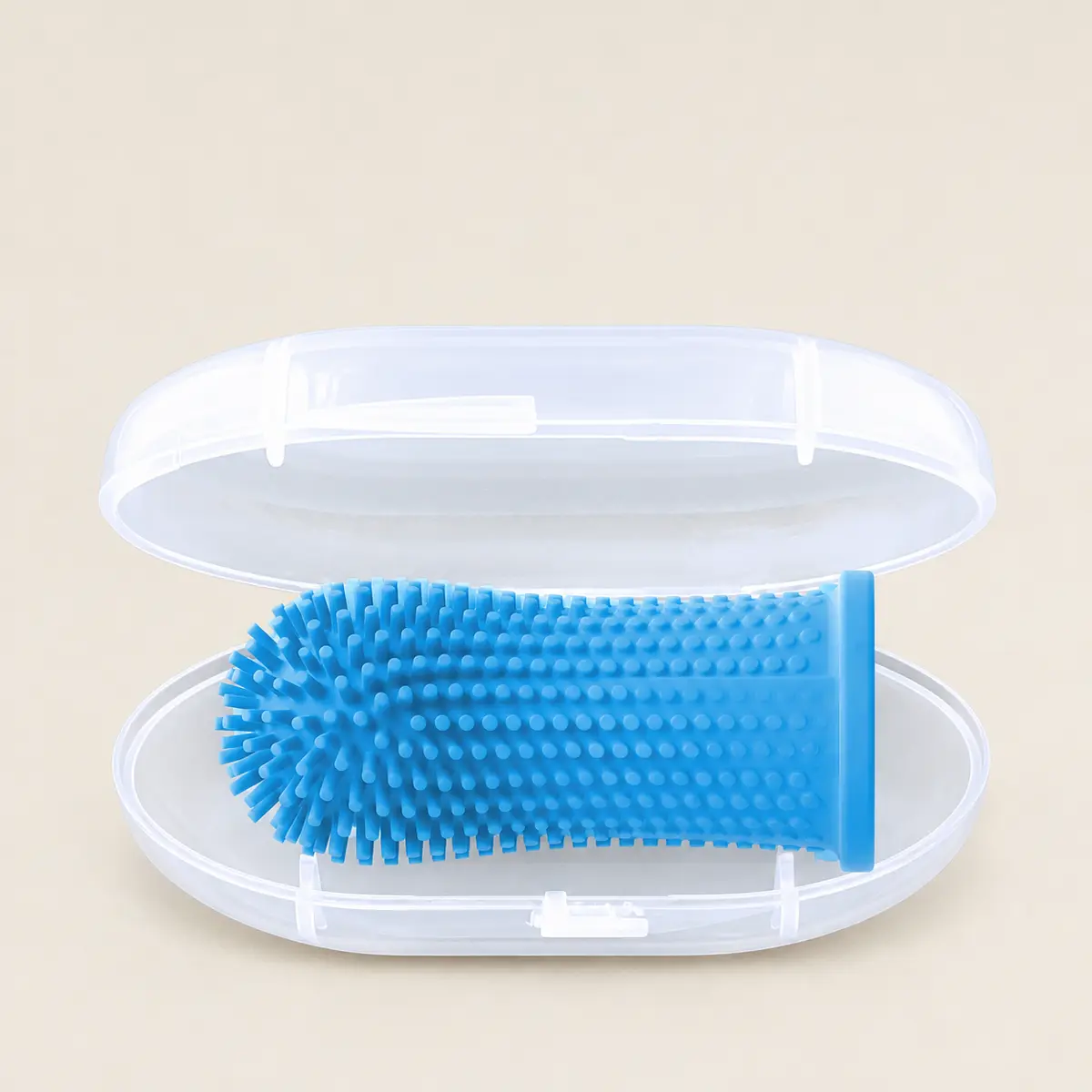
Dogs
Dog toothbrushes
More care. More cuddles.
15 items picked for everyday life with your pet, with shipping estimates on every item.
 For the moments that bring you closer.
All dogs grooming & hygiene →Dog bath brushes →Dog nail clippers →Dog combs →Slicker brushes →Dog nail grinders →Dog paw balm →Dog paw cleaners →Dog brushes →Dog drying towels →Dog grooming tables →Deshedding tools →Puppy pads →
↗Tracked US shippingEstimates on every item↶Returns & refundsHow it works♡Here to helpTalk to Giddy Pets
All dog toothbrushes
Little essentials. Lots of love.

Cat grooming supplies
Disposable Finger Wipes for Pet Teeth and Ear Cleaning
- Options
- 8 to choose from
From $17.99

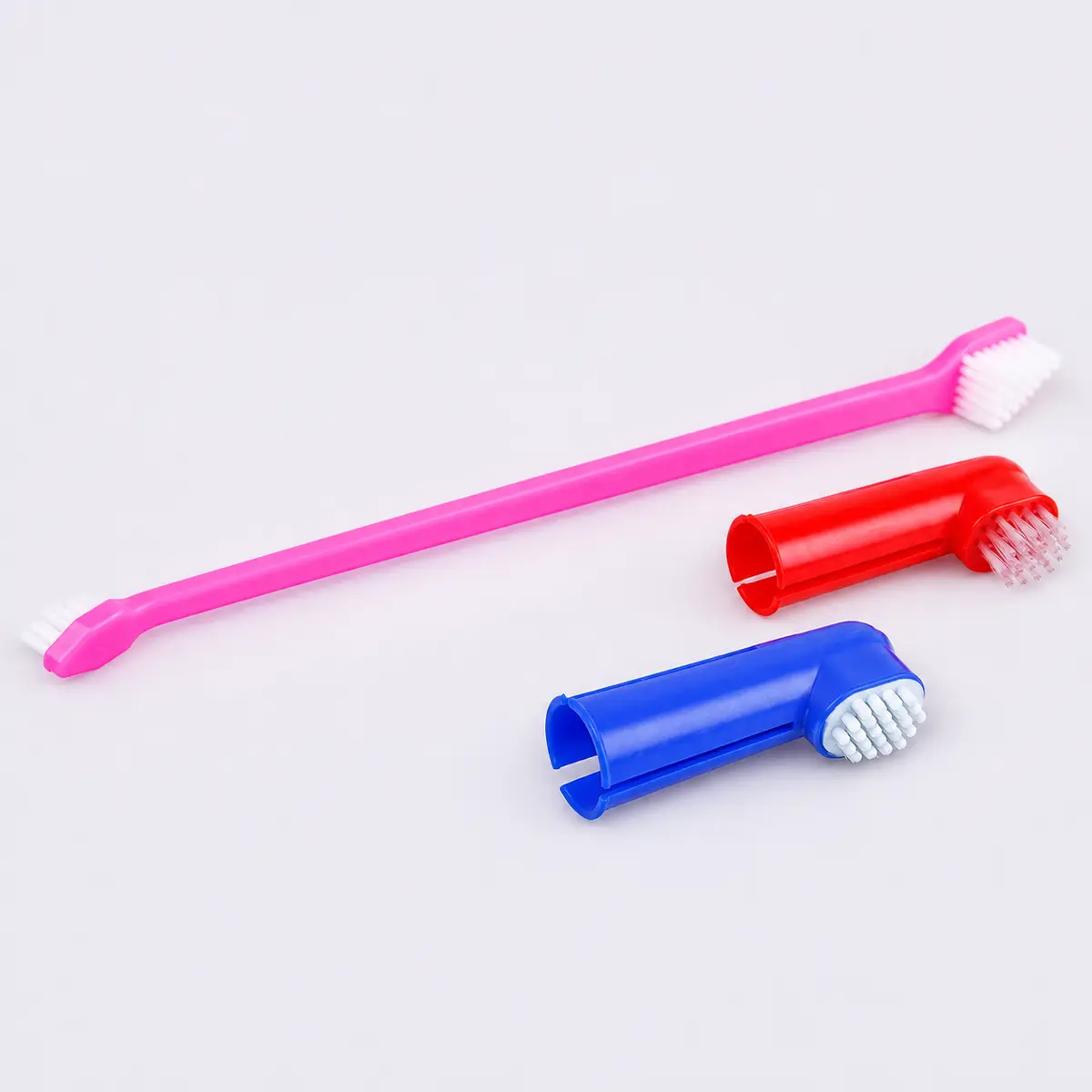
Dog toothbrushes
Double-Ended Pet Toothbrush and Two Finger Brushes
- Options
- 2 to choose from
From $11.99


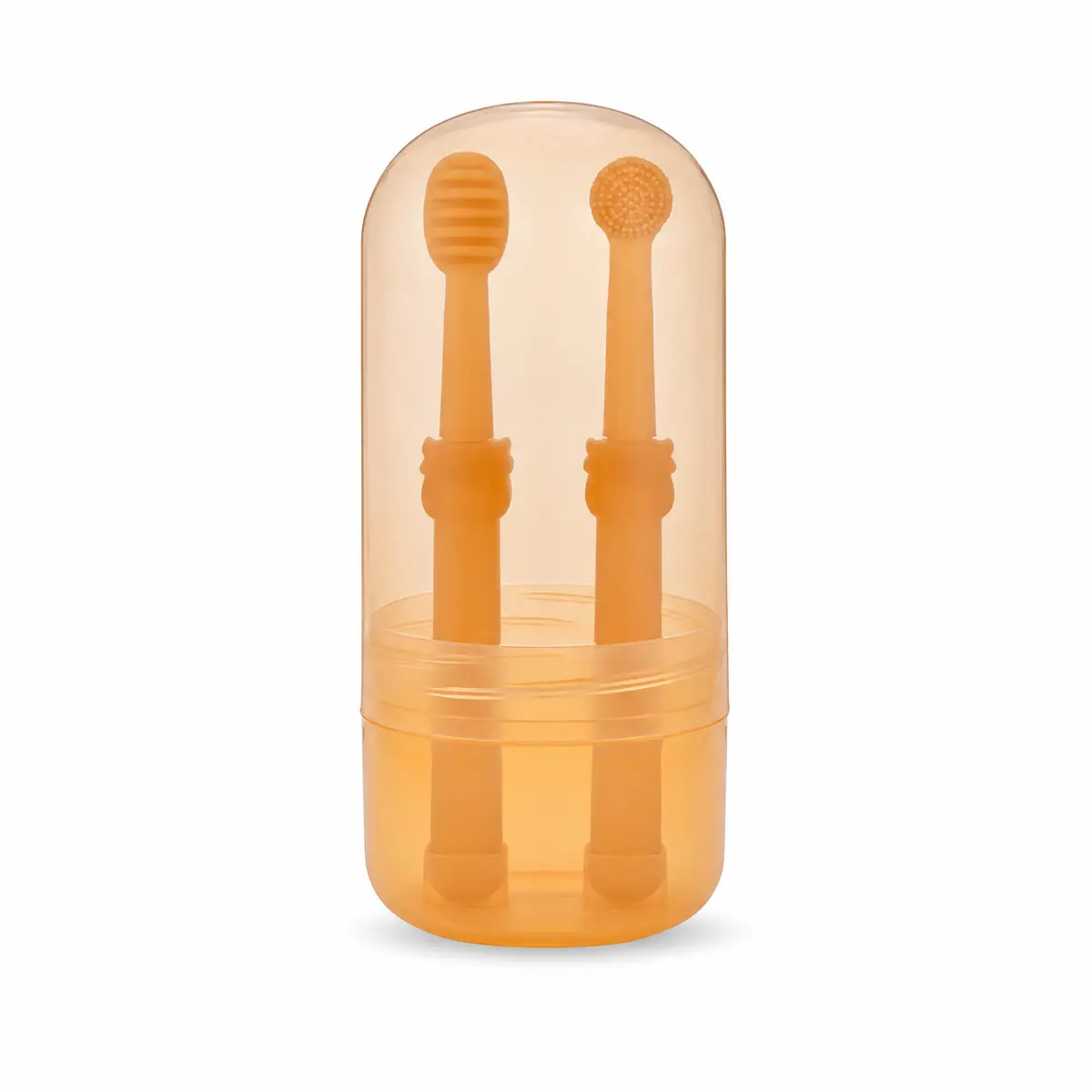


Dog toothbrushes
Silicone Pet Toothbrush Pair or Single Finger Brush
- Options
- 6 to choose from
From $11.99

Dog toothbrushes
Soft Pet Finger Toothbrush with 0.79-Inch Inside Diameter
- Options
- 7 to choose from
$11.99


A little guidance
Help choosing dog toothbrushes
Buying guides and care advice written for this range: what to measure, what matters and what to skip.
From our guides
This page covers home dental care for dogs: dog toothbrushes including 360-degree and finger brush kits, silicone finger cots, dental finger wipes and teeth-cleaning wet wipes, pet toothpaste, tooth cleaning powder, oral care sprays and dental pen brushes. Many are labeled for dogs and cats. It is for owners starting a brushing routine or looking for an easier option for a dog who resists. The guide below covers how to start and what to watch for.
Why brushing matters
Plaque forms on a dog's teeth every day and, left alone, hardens into tartar that sits along the gumline. Dental disease is one of the most common problems vets see in adult dogs, and it can cause bad breath, painful gums and tooth loss.
Regular brushing is the most effective way to remove plaque at home. Daily brushing is ideal, and even several times a week helps. The point is to remove plaque before it hardens, which is why short, frequent sessions beat an occasional long scrub.
Toothbrush, finger brush or wipe?
Soft-bristled dog toothbrushes reach the back teeth well, and 360-degree heads clean several surfaces in one pass. VCA Animal Hospitals notes that many owners find a finger brush easier when they are just starting, because it gives more control and helps you avoid pressing too hard.
Dental finger wipes and finger cots are a gentle first step for dogs who resist a brush, and for small mouths. Oral sprays and tooth powders are easy add-ons, but they do not replace the mechanical action of brushing. Use them alongside a brush or wipe, not instead of one.
Never use human toothpaste
Human toothpaste is not safe for dogs. Many contain xylitol, a sweetener that VCA warns can cause dangerously low blood sugar and liver damage in dogs even in small amounts. Human toothpaste also contains fluoride and foaming agents that are meant to be spat out, which dogs cannot do.
Use a toothpaste made for pets, which is safe to swallow and usually flavored to appeal to dogs. If your dog eats anything containing xylitol, call your vet or the ASPCA Animal Poison Control Center at (888) 426-4435 straight away; a fee may apply.
How to start brushing
Go slowly. Let your dog lick a little pet toothpaste from your finger for a few days. Next, rub a finger or finger brush along the outside of the front teeth, then gradually work back toward the molars. Reward your dog after every session so it becomes a treat, not a chore.
Focus on the outside surfaces of the teeth, where most tartar builds, and angle the bristles toward the gumline. Thirty seconds per side is plenty once your dog accepts it. Puppies can start with a finger brush so brushing is normal long before adult teeth arrive.
Signs your dog needs a dental check
Brushing cannot remove hardened tartar, and it does not fix existing disease. See your vet if you notice persistent bad breath, red or bleeding gums, brown tartar along the teeth, loose or broken teeth, drooling, chewing on one side or dropping food.
Many dogs need a professional cleaning under anesthesia from time to time, and home care helps keep the results longer. Ask your vet to check your dog's teeth at every routine visit.
This page is general information, not veterinary advice, and it cannot replace an examination by the vet who knows your pet.
What kind of toothbrush is best for dogs?
A soft-bristled dog toothbrush or a finger brush works well for most dogs. Finger brushes are easier for beginners and small mouths, while long-handled and 360-degree brushes reach the back teeth more easily.
How often should I brush my dog's teeth?
Daily brushing is ideal, and several times a week still helps a great deal. Short, regular sessions remove plaque before it hardens into tartar, which brushing cannot remove.
Can I use human toothpaste on my dog?
No. Many human toothpastes contain xylitol, which is toxic to dogs, along with fluoride and foaming agents. Always use a toothpaste made for pets, which is safe to swallow.
Do dental wipes and sprays work for dogs?
They can help, especially for dogs who resist a brush, but they are less effective than brushing. Use them as part of a routine and keep up with vet dental checks.