Buying guides
Best Dog Toothbrush and Pet Toothpaste: How to Choose
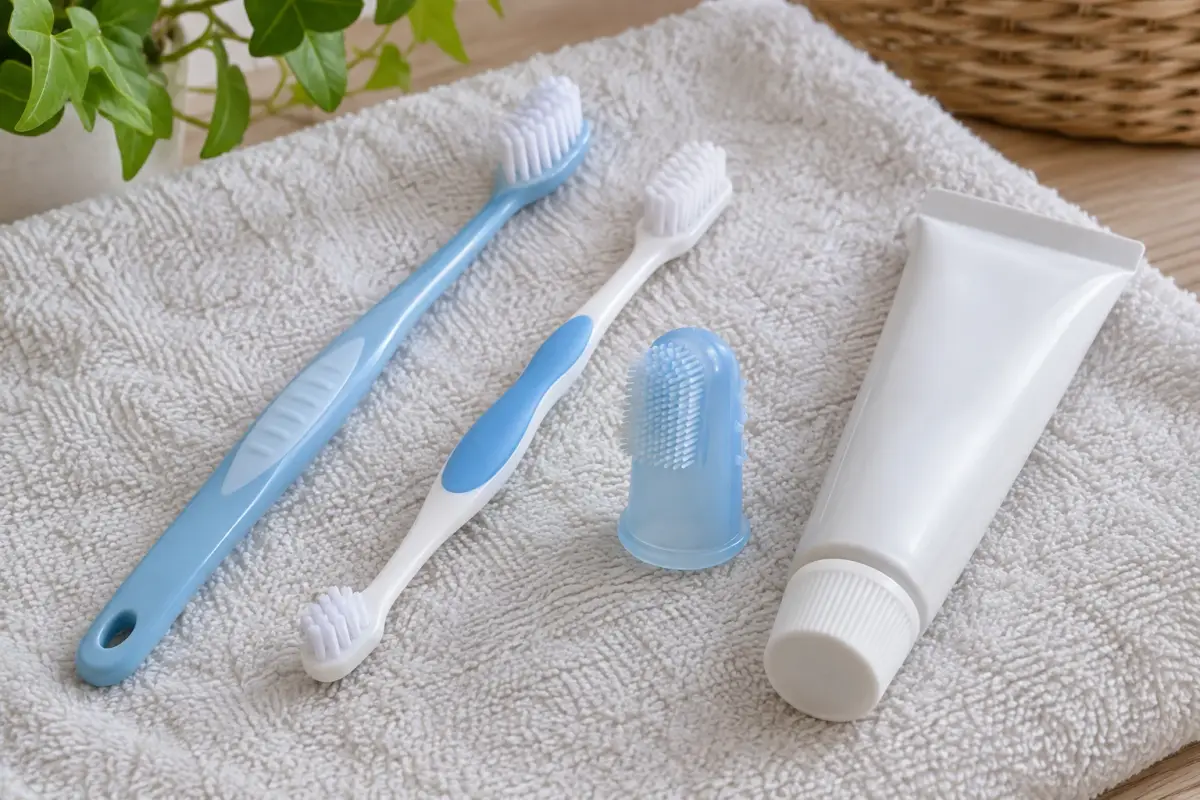
The best dog toothbrush is soft, sized for your dog's mouth, and easy for you to handle; finger brushes suit beginners and small dogs, angled long-handled brushes suit big mouths. Pair it with a toothpaste made for pets, never human toothpaste, which VCA warns is not meant to be swallowed and can contain xylitol. The same rule applies to cats, which need a pet toothpaste and a very small brush.
By Matt GarnettUpdated November 13, 20264 min read2 sources
What matters most: softness, size and handling
Soft bristles first. Medium or firm brushes can damage gums, and a dog that associates brushing with discomfort will resist. A pet toothbrush or a soft baby toothbrush is right for most dogs.
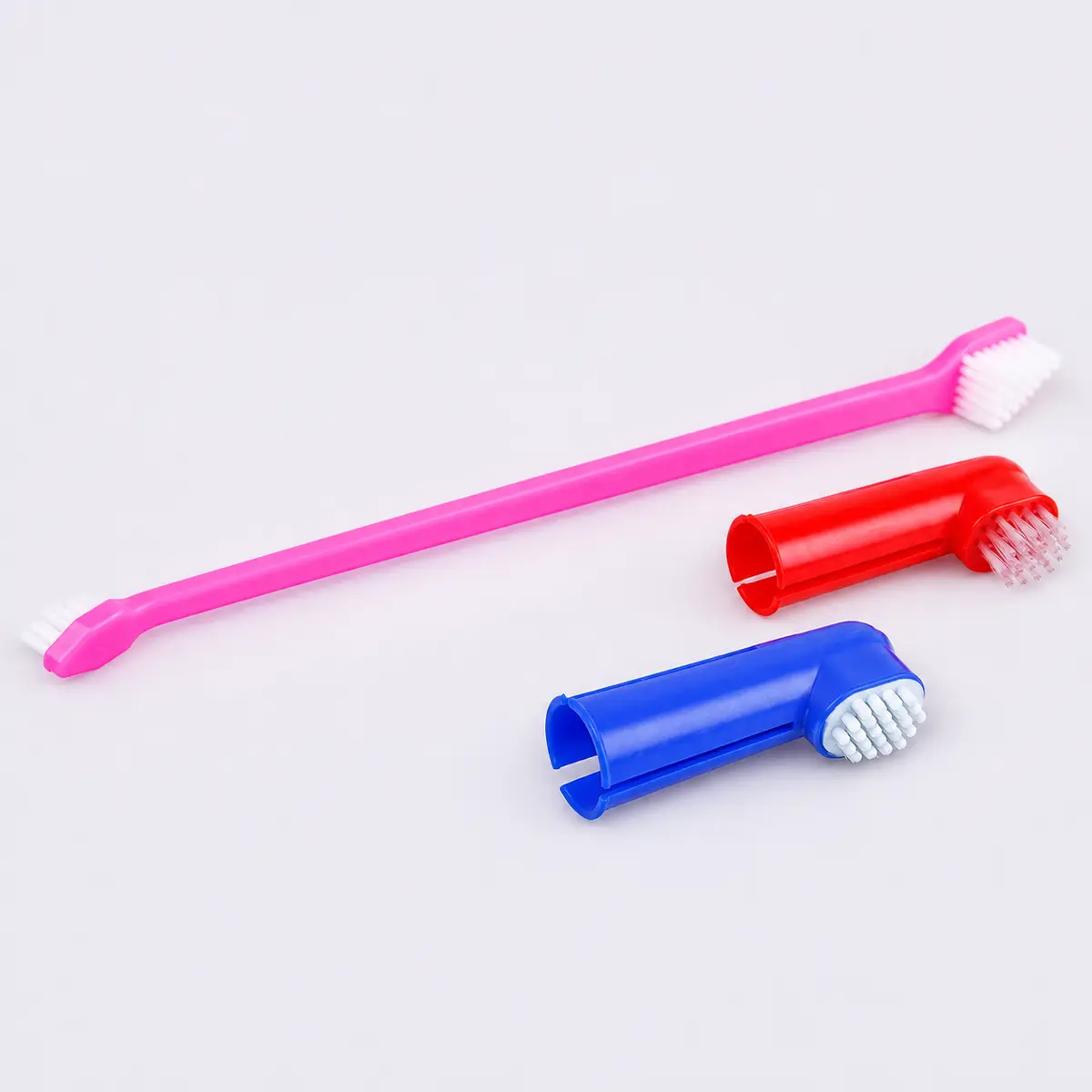
Size and grip next. VCA lists angled-handle brushes, multi-headed brushes, small hand-held brushes and finger brushes, and says the best choice depends on your dog's size and your own dexterity. A brush you can hold comfortably at the right angle is one you will actually use every day. Browse our dog toothbrushes and check how each one is held before you choose.
Toothbrush types compared
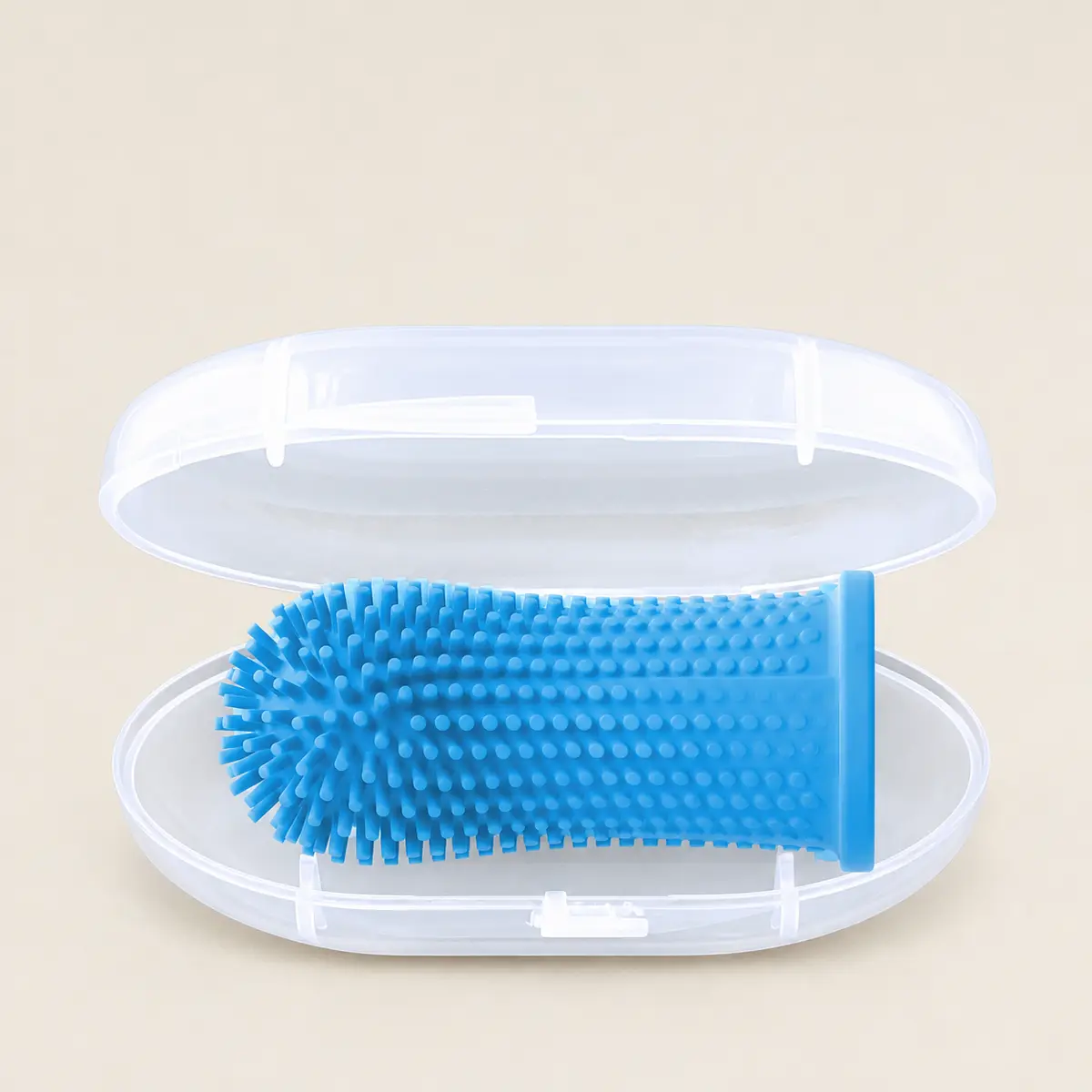
Finger brushes are rubber or silicone sleeves with soft nubs; they are easy to control and often the gentlest start, but large dogs can bite down, so use them with calm dogs. Angled, long-handled brushes, often with a large and small head, reach back teeth in big dogs without putting your fingers in the mouth.
Three-sided or multi-head brushes clean several surfaces at once and can make sessions faster. Dental wipes and gauze around a finger are a good first step for dogs that are not yet ready for a brush. Electric pet toothbrushes exist but the noise puts many dogs off.
Choosing a toothpaste
Use a toothpaste made for pets. VCA explains that human toothpaste is not formulated to be swallowed, and some contain high sodium or xylitol, which is toxic to dogs. Pet toothpastes come in flavors dogs like, such as poultry, beef and malt, and are safe to swallow.
For extra reassurance, look for products carrying the Veterinary Oral Health Council seal, which is awarded after the council reviews trial data showing a product controls plaque or tartar. Do not use baking soda or salt mixtures; they are no substitute and can upset the stomach.
Best choice for each pet
For a small dog or a puppy getting used to brushing, a finger brush or a small-headed soft brush. For a medium or large dog, a long-handled angled brush with a large head for molars. For a dog that bites at the brush, start with pet toothpaste on a finger, then gauze, then a brush, as VCA suggests.
For cats, choose the smallest soft brush or a finger brush and a toothpaste labeled for cats, often in fish or poultry flavors. Never use human toothpaste on a cat for the same reasons as dogs, and keep first sessions to a few seconds.
How to brush and how often

VCA recommends brushing at least daily, and calls three times a week the minimum to help remove plaque and prevent tartar. Start with 30-second sessions, lift the lip and focus on the outer surfaces, especially the back teeth and canines, where tartar builds first. Most dogs never need the inner surfaces brushed. Our guide on how to brush your dog's teeth shows the technique step by step.
Never force the mouth open, and end each session with praise or a treat. If you see bleeding gums, a broken tooth, a swelling on the face, or your dog flinches when you touch one area, stop and book a vet visit; brushing a painful tooth makes the problem worse.
Care and replacing brushes
Rinse the brush well after each use and let it air dry head up. Use a separate brush for each pet. Replace it every three months or sooner if the bristles splay, and immediately if your dog chews it. Compare replacements in our dog toothbrushes.
Brushing keeps a clean mouth clean, but it cannot remove hardened tartar or treat gum disease. Some owners add dog dental chews alongside brushing, as an add-on rather than a substitute. Regular dental checks with your vet tell you whether a professional cleaning is needed.
This page is general information, not veterinary advice, and it cannot replace an examination by the vet who knows your pet.
Brush head and handle arrangements
| Format | Physical arrangement | What to inspect |
|---|---|---|
| Finger brush | A sleeve with nubs over a finger | Inside fit and contact surface |
| Long angled handle | A brush head separated from the hand | Head size and handle angle |
| Multi-head | Several brush surfaces around one head | Head dimensions and accessibility |
| Dental wipe or gauze | A flexible sheet rather than bristles | Exact material and product directions |
| Powered brush | A moving brush head | The exact power model and instructions |
Common questions
Can I use a human toothbrush on my dog?
A soft human or baby toothbrush can work for some dogs if it fits the mouth. Never use human toothpaste, though. VCA warns it is not meant to be swallowed and some brands contain xylitol, which is toxic to dogs.
Are finger toothbrushes good for dogs?
They are a good choice for beginners, small dogs and calm dogs, because they are easy to control. For large dogs or dogs that mouth your hand, a long-handled angled brush keeps your fingers safer.
What is the best toothpaste for cats?
A toothpaste made specifically for pets or cats, in a flavor your cat accepts, such as fish or poultry. Look for the VOHC seal for products with reviewed evidence, and never use human toothpaste on a cat.
How often should I brush my dog's teeth?
Daily is best. VCA says three times a week is the minimum to help control plaque and tartar. Short, regular sessions work better than occasional long ones.
Sources we checked
This guide is general information, not veterinary advice. If your pet is unwell or injured, contact your veterinarian.