Care & how-to
How to Brush Your Dog's Teeth, Step by Step
To brush your dog's teeth, use a soft dog toothbrush and dog toothpaste only, start slowly with short, rewarded sessions, and work up to brushing the outside of every tooth, top and bottom, front to back. Daily brushing is the goal, and veterinary dentists consider it the best home care there is. Never use human toothpaste: the AKC warns that xylitol and fluoride in it can seriously harm dogs. Chews and wipes help, but do not replace brushing.

By Matt GarnettUpdated November 9, 20264 min read3 sources
What you need
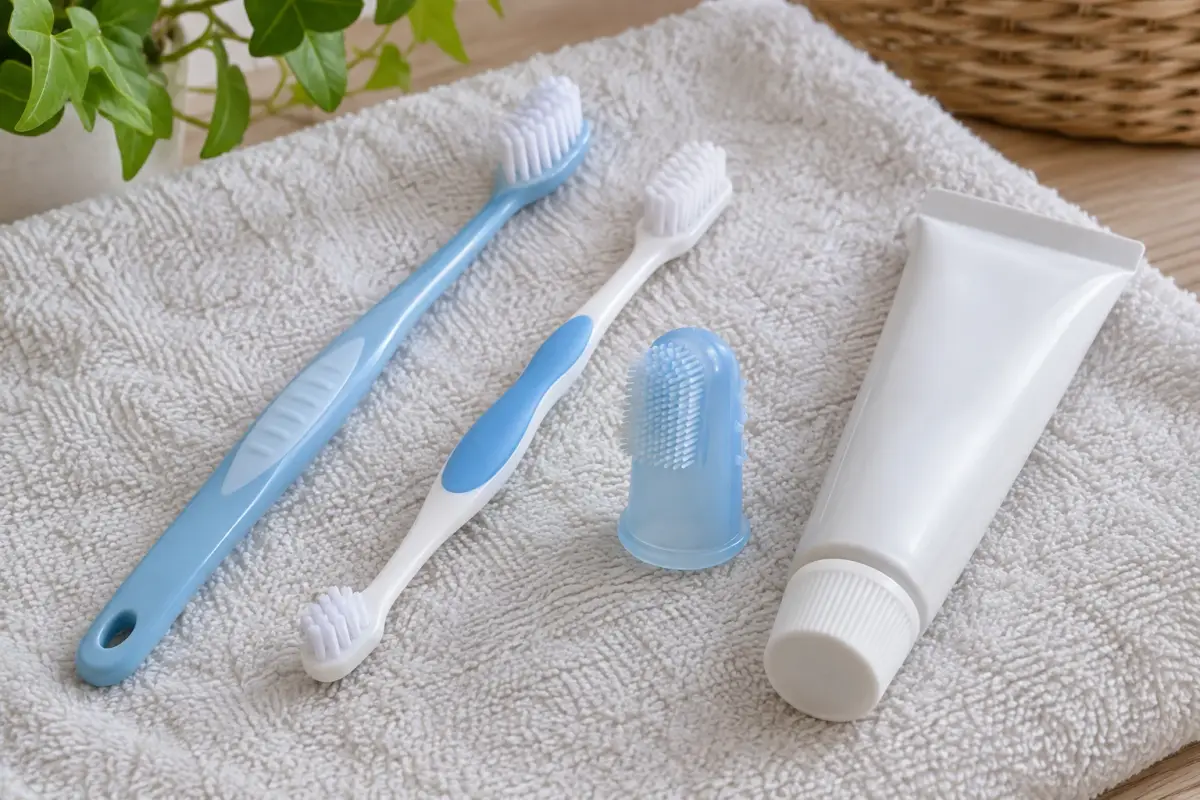
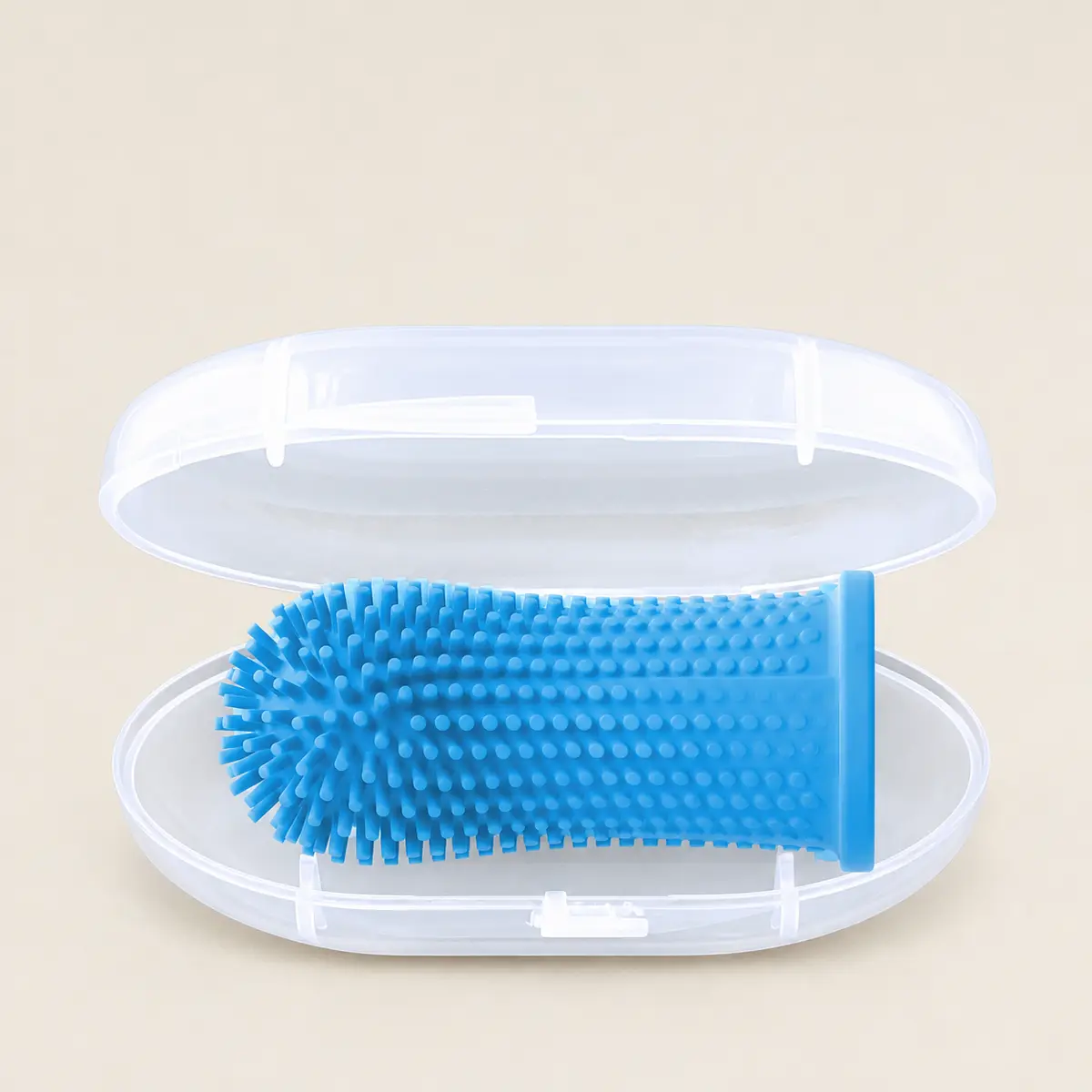
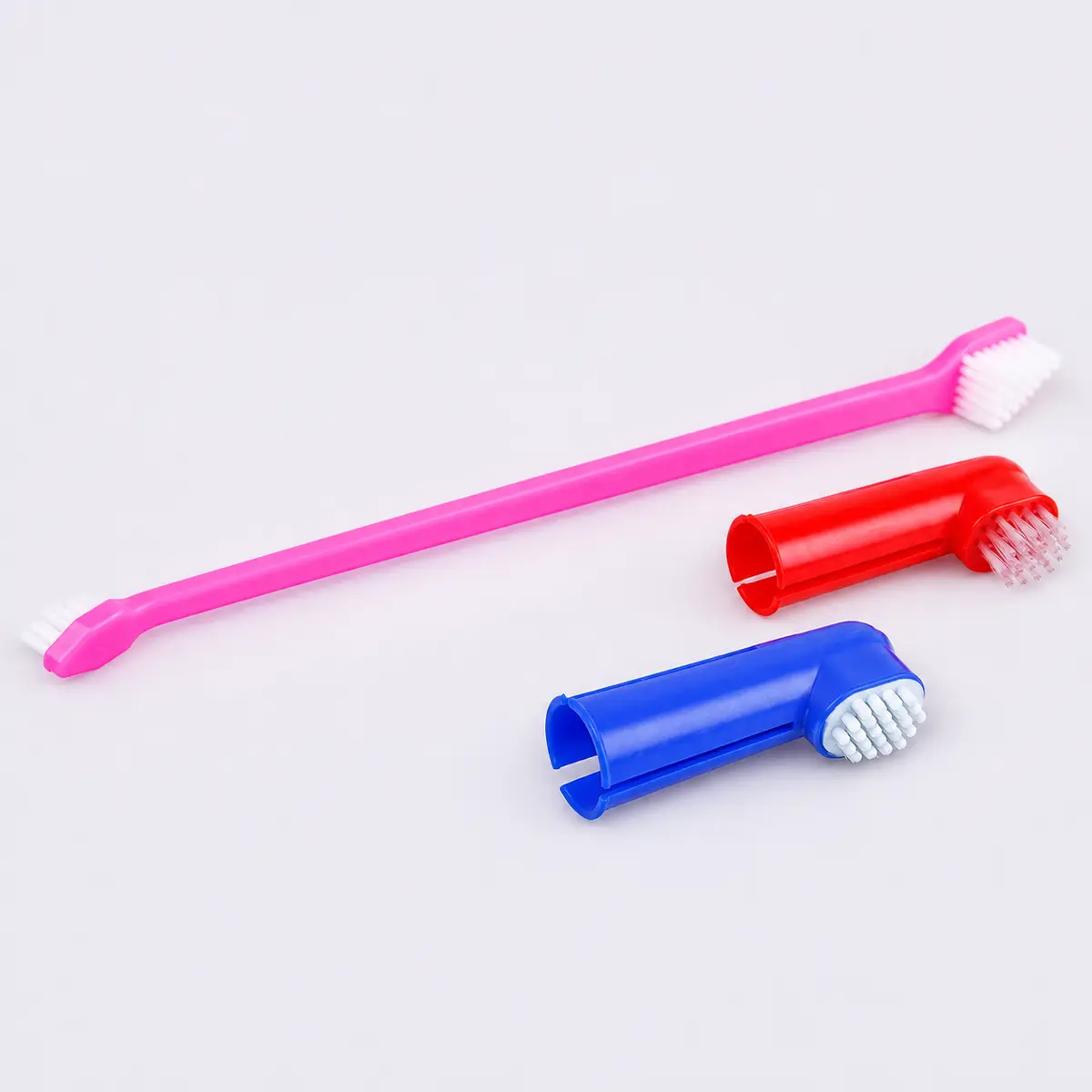
Get a toothbrush made for dogs. The AKC notes dog toothbrushes with angled handles, soft bristles and multiple heads make it easier to reach the back teeth, and many owners also like finger brushes for small dogs. Choose a dog toothpaste, which comes in flavors such as chicken, beef and peanut butter, so brushing feels like a treat.
Never use human toothpaste. The AKC explains that it contains ingredients such as xylitol and fluoride that can cause serious harm to dogs, who swallow rather than spit. If your dog accidentally eats human toothpaste containing xylitol, call your vet or ASPCA Animal Poison Control at (888) 426-4435 or Pet Poison Helpline at (855) 764-7661; a fee may apply.
Step-by-step: getting your dog used to it
Step 1: Pick a calm time, such as after a walk. Step 2: Gently touch your dog's muzzle and lips, reward and stop. Step 3: Over several days, lift the lips to see the teeth, rewarding each time. Step 4: Let your dog lick a little dog toothpaste off your finger. Step 5: Rub your finger with paste along the outer surface of a few teeth.
Step 6: Introduce the brush, letting your dog lick paste from it, then touch it to the teeth. The AKC's method is the same in outline: get your dog comfortable with mouth handling first, then the brush, then the paste on the brush, praising and rewarding at every step. Some dogs accept this in days, others need a few weeks.
Step-by-step: brushing the teeth
Step 1: Lift the upper lip and brush the top front teeth with small, gentle circles, angling the bristles toward the gum line. Step 2: Move to the side and back teeth, where tartar builds up most, especially the big upper cheek teeth. Step 3: Repeat on the bottom teeth. Step 4: Once your dog tolerates the outsides, brush the insides too, as the AKC suggests.
Aim for about thirty seconds per side to start, and keep the whole session short and positive. You do not need to open your dog's mouth wide for the outer surfaces, which is where most plaque collects. Finish with praise and a reward, and stop before your dog gets fed up.
How often to brush, and why it matters
Daily is best. A veterinary dentist quoted by the AKC calls daily brushing more important than professional plaque and tartar removal, because plaque starts to build up again within two or three days of a cleaning. Tufts veterinary dentists also describe brushing as the preferred home method, since daily plaque removal helps prevent periodontal disease.
Dental disease is very common. The AKC cites the AVMA figure that 80% of dogs show signs of periodontal disease by age three. Small breeds, including Yorkshire Terriers and Dachshunds, are especially prone, and the AKC says they may need professional cleanings every six months.
How to clean dog teeth without brushing
If your dog will not tolerate a brush yet, other tools help. The AKC lists dental chews designed to reduce plaque and tartar, dental sprays, chew toys that scrape plaque, and dental powders added to food. Look for products carrying the Veterinary Oral Health Council seal, which Tufts notes lists products tested and proven for home dental care.
Choose chews that bend or dent under a thumbnail, because very hard chews such as bones and antlers can fracture teeth. These options support brushing but do not replace it, so keep working toward a brush, even if it is only a finger brush on the outer teeth for now.
Signs of dental problems and when to see your vet
The AKC lists brown or yellow tartar, bleeding or inflamed gums and bad breath as signs of dental disease. Also watch for chewing on one side, dropping food, pawing at the mouth, loose teeth or facial swelling. Book a vet visit if you see any of these, because they can mean pain or infection. Most dogs need an oral exam at least yearly, the AKC notes, and a professional cleaning under anesthesia when tartar builds up.
Do not try to scrape tartar off at home; it can damage gums and misses the problem below the gum line.
This page is general information, not veterinary advice, and it cannot replace an examination by the vet who knows your pet.
Common questions
Can I use human toothpaste on my dog?
No. The AKC warns that human toothpaste contains ingredients such as xylitol and fluoride that can seriously harm dogs, who swallow it. Always use a toothpaste made for dogs.
How often should I brush my dog's teeth?
Daily is ideal, because plaque begins building up again within two or three days. If daily is not possible, several times a week is still far better than not brushing at all.
How can I clean my dog's teeth without brushing?
Dental chews, sprays, chew toys and food additives help reduce plaque, especially products with the Veterinary Oral Health Council seal. They support brushing but do not fully replace it.
What if my dog won't let me brush their teeth?
Go back a step and slow down. Spend a few days just touching the lips and offering paste from your finger, with rewards. Short, happy sessions build trust. Ask your vet for tips if you get stuck.
Sources we checked
This guide is general information, not veterinary advice. If your pet is unwell or injured, contact your veterinarian.