







Dogs
Dog harnesses with handle
Better walks, every day.
44 items picked for everyday life with your pet, with shipping estimates on every item.
 Out the door and ready for anything.
All dogs walking & training →Dog harnesses →Dog collars →Dog leashes →Retractable dog leashes →Dog muzzles →Dog vest harnesses →Cute dog collars →Tactical dog harnesses →Pooper scoopers →No pull dog harnesses →Personalized dog collars →Small dog harnesses →
↗Tracked US shippingEstimates on every item↶Returns & refundsHow it works♡Here to helpTalk to Giddy Pets
All dog harnesses with handle
Little essentials. Lots of love.
Tactical dog harnesses
1000D Nylon Dog Harness with Side Buckles and Two Handles
- Options
- 12 to choose from
From $25.99

Dog harnesses with handle
Adjustable Rear Leg Lift Harness for Dogs with Handle
- Options
- 7 to choose from
From $16.99


Dog vest harnesses
Adjustable Nylon Dog Harness with Reflective Panels
- Options
- 20 to choose from
From $34.99


Padded dog harnesses
Padded Panel Dog Harness with Adjustable Neck and Chest
- Options
- 81 to choose from
From $19.99

Escape proof dog harnesses
Polyester Three-Band Dog Harness with Top Handle
- Options
- 18 to choose from
$21.99

Dog harnesses
Adjustable Dog Harness with Top Handle and Reflective Trim
- Options
- 22 to choose from
From $16.99

Tactical dog harnesses
Adjustable Tactical Dog Harness Vest with Handle and Four Buckles
- Options
- 20 to choose from
From $29.99

Dog harnesses with handle
Nylon Vest-Style Dog Harness with Back Handle
- Options
- 12 to choose from
From $31.99


Dog harnesses
Adjustable Nylon Dog Chest Harness, Collar, Leash and Pouch
- Options
- 27 to choose from
From $19.99
Tactical dog harnesses
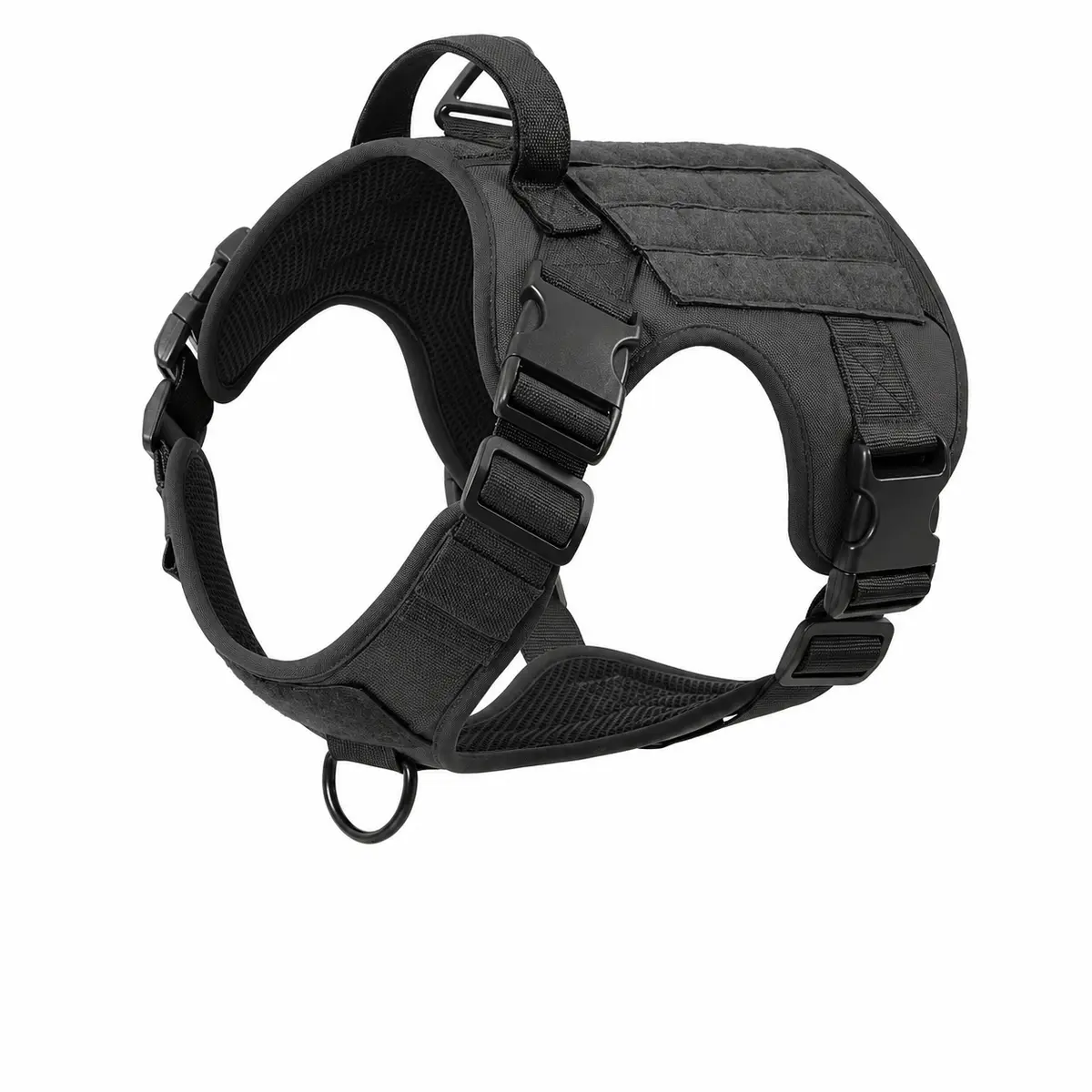
Four Buckle Dog Harness with Front and Back Rings
- Options
- 16 to choose from
From $33.99

Dog harnesses with handle
Rear Leg Support Lift Sling for Dogs with Handles
- Options
- 3 to choose from
$19.99

No pull dog harnesses
Padded Reflective Dog Harness with Front and Back Rings
- Options
- 16 to choose from
From $19.99

Dog harnesses
Adjustable Nylon Dog Harness with Broad Band and Patch Panel
- Options
- 89 to choose from
From $19.99

Tactical dog harnesses
Handled Nylon Dog Harness with Webbing Panels
- Options
- 6 to choose from
From $43.99

Dog harnesses with handle
Rear Leg Support Sling Harness with Handle for Senior Dogs
- Options
- 4 to choose from
From $18.99
Dog harnesses
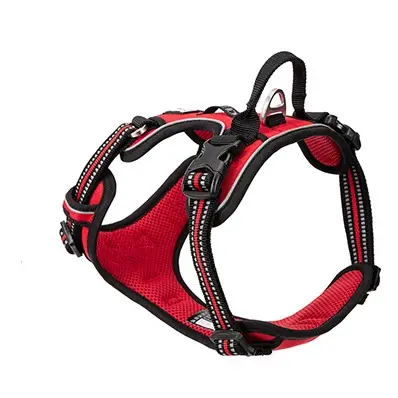
Adjustable Nylon Dog Harness with Mesh Lining and Top Handle
- Options
- 50 to choose from
From $37.99

Tactical dog harnesses
Polyester Panel Dog Harness with Handle and Side Webbing
- Options
- 16 to choose from
$64.99

Dog harnesses with handle
Reflective Nylon Dog Harness in Four Colors, Sizes S to XL
- Options
- 16 to choose from
From $21.99


Tactical dog harnesses
Tactical Dog Harness with Optional Leash and Collar
- Options
- 48 to choose from
From $18.99
A little guidance
Help choosing dog harnesses with handle
Buying guides and care advice written for this range: what to measure, what matters and what to skip.
From our guides
- Best Dog Harness With Handle: What to Check Before You Buy →
- Best Dog Car Seat or Seat Belt Harness: How to Choose →
- Best Dog Coat With a Harness Hole: What Actually Matters →
- Best Dog Harness for Hiking: What Actually Matters →
- Best Dog Harness: How to Choose the Right Type and Fit →
- Best Dog Running Harness: What Actually Matters →
This page narrows our dog harnesses to designs with a grab handle: heavy-duty padded harnesses with twin D-rings, no-pull reflective harnesses, padded vest harnesses with a top handle, tactical and service-style harnesses with control handles and front clips, a heat-resistant nylon harness, and a back-style support strap for elderly dogs. They are for medium and large dogs, strong pullers, hikers and senior dogs who sometimes need a lift. The guide below covers fit and using the handle well.
What the handle is for
A handle on the back of a harness gives you a quick, secure grip without grabbing the collar. It is useful for holding a dog close when passing other dogs or crossing a road, steadying a dog on slippery ground, lifting a dog over an obstacle on a hike, and helping a dog in or out of a car.
For older dogs, the handle doubles as a support. It lets you take some weight off the hind end on stairs or when the dog stands up. The back-style auxiliary strap on this page is made specifically for that kind of assistance.
Fitting a harness
The AKC recommends measuring both chest girth, around the widest part of the rib cage just behind the front legs, and neck girth. Leave room for two fingers under the straps, so the harness will not tighten painfully if your dog pulls.
A good fit sits clear of the armpits so it does not rub, and the handle should sit on the back between the shoulders. If your dog falls between sizes, choose an adjustable design. Check fit regularly, especially if your dog gains or loses weight.
No-pull and tactical designs
No-pull harnesses usually have a front clip on the chest. When a dog pulls, the lead turns them gently sideways, which reduces forward pulling. Many here also have a back clip for calm walks, and twin D-rings let you choose either.
Tactical harnesses use heavy-duty nylon, padded panels and strong buckles, often with loop panels for patches. They are popular for large, active dogs and for hiking. Our tactical dog harnesses page goes into these designs in more detail.
Using the handle safely
Use the handle for short moments of control or support, not to drag or carry a dog for long distances. Lifting a heavy dog by the handle alone puts strain on the chest and may be uncomfortable. For full lifts, support the chest and hindquarters together.
If your senior dog increasingly needs help to stand or climb, mention it to your vet. Weakness in the back legs can have treatable causes, and your vet can suggest the right support harness for your dog's needs.
Why do dog harnesses have handles?
The handle gives you a secure grip to hold your dog close, steady them on rough ground, help them over obstacles or support them on stairs, without pulling on the collar.
Can I lift my dog by the harness handle?
For brief help over a step or into a car, yes. For full lifts of a heavy dog, support the chest and hindquarters together. Avoid carrying a dog by the handle alone.
Are harnesses with handles good for large dogs?
Yes. They give extra control for strong dogs and help with hiking and car access. Choose a padded, heavy-duty design and measure the chest carefully for a secure fit.
Do harnesses with handles help senior dogs?
A handle lets you support an older dog on stairs or when standing up. A dedicated support strap can help with weak hind legs. Ask your vet if mobility is declining.
How tight should a harness with a handle be?
You should fit two fingers under each strap. It should not slip over the shoulders when pulled, rub the armpits or restrict movement. The handle should sit between the shoulders.